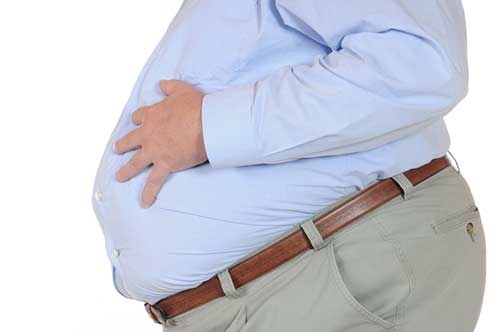

Did you know that nearly 80 percent of people who try to lose weight regain it within a year?
Many factors make lasting fat loss difficult, from overlooked diet mistakes to hidden lifestyle habits. The real obstacles often go unnoticed but can quietly stall your progress no matter how hard you try.
Uncovering these common pitfalls can help you finally move past frustration toward steady, healthy results.
Quick Summary
| Takeaway | Explanation |
|---|---|
| 1. Increase Protein Intake for Weight Loss | Consuming 0.8 to 1.2 grams of protein per pound of body weight enhances metabolism and reduces hunger, aiding fat loss. |
| 2. Be Aware of Hidden Calories | Track everything you consume, especially drinks and snacks, to avoid unnoticed calorie intake that hinders weight loss. |
| 3. Incorporate More Physical Activity | Aim for 150-250 minutes of moderate exercise weekly; more is better for significant weight loss and maintaining metabolism. |
| 4. Prioritize Quality Sleep | Get 7 to 9 hours of sleep nightly to regulate hunger hormones and improve metabolism, directly impacting weight loss. |
| 5. Manage Stress Effectively | Practice stress-reduction techniques like mindfulness or yoga to lower cortisol levels and prevent weight gain from stress. |
Table of Contents
- Not Eating Enough Protein Slows Fat Loss
- Hidden Calories Sabotaging Your Diet
- Lack of Physical Activity Reduces Calorie Burn
- Poor Sleep Disrupts Weight Loss Progress
- Chronic Stress Raises Cortisol and Fat Storage
- Medical Conditions That Hinder Weight Loss
- Unrealistic Expectations and Tracking Errors
Not Eating Enough Protein Slows Fat Loss
Your protein intake plays a critical role in weight loss success, and many people unknowingly sabotage their fat loss efforts by not consuming enough of this essential macronutrient. Protein is more than just a muscle builder – it is a powerful metabolic ally that can significantly impact your body’s ability to shed unwanted pounds.
Research shows that our bodies are strategically designed to seek out protein. According to the protein leverage hypothesis, humans will continue eating until their protein requirements are met – even if that means consuming excess calories when protein levels are low. This means that insufficient protein can actually trigger increased food intake, directly working against your weight loss goals.
Why Protein Matters for Fat Loss
A high protein diet offers several metabolic advantages that support weight loss:
- Increases satiety and reduces overall hunger
- Boosts metabolic rate more effectively than carbs or fats
- Helps preserve lean muscle mass during weight loss
- Requires more energy to digest compared to other macronutrients
To optimize your weight loss, aim to consume approximately 0.8 to 1.2 grams of protein per pound of body weight. This might look like incorporating lean meats, fish, eggs, legumes, and protein intake strategies into your daily meals.
By understanding and addressing your protein needs, you can transform your metabolism into a more efficient fat burning machine. Strategic protein consumption is not just about building muscle – it is about creating a physiological environment that supports sustainable weight loss.
Hidden Calories Sabotaging Your Diet
Weight loss can feel like an impossible puzzle when hidden calories lurk around every corner, silently undermining your best dietary efforts. These sneaky calorie sources often go unnoticed but can dramatically slow your progress and keep those unwanted pounds stubbornly in place.
Empty calories represent a significant obstacle in your weight loss journey. These are nutritionally sparse calories primarily composed of sugars and fats that provide minimal nutritional value while contributing substantially to your daily calorie intake.
Research indicates that such foods are incredibly easy to overconsume, creating a substantial barrier to maintaining a calorie deficit.
Common Hidden Calorie Culprits
- Sugary beverages like sodas and fancy coffee drinks
- Alcohol and mixed cocktails
- Seemingly healthy smoothies and juices
- Salad dressings and condiments
- Snack size portions that seem harmless
Understanding how high calorie low nutrient foods contribute to obesity can help you make more informed dietary choices. Many people consume hundreds of extra calories daily without realizing it through mindless snacking, liquid calories, and unconscious eating habits.
To combat hidden calories, start tracking everything you consume. Use a food diary or mobile app to log every bite and sip. Pay special attention to liquid calories from alcohol, juices, and fancy coffee drinks. These can add up quickly and often go unnoticed in traditional tracking methods.
Remember that awareness is your greatest weapon against hidden calories. By becoming mindful of what truly enters your body, you can create a more effective and sustainable path to weight loss.
Lack of Physical Activity Reduces Calorie Burn
Weight loss is not just about what you eat it is also fundamentally about how much energy you expend throughout the day. Physical inactivity creates a metabolic slowdown that can dramatically undermine your weight loss efforts, turning your body into a less efficient calorie burning machine.
Understanding how sedentary behavior reduces calorie expenditure is crucial for anyone serious about losing weight. When you spend most of your day sitting or engaging in minimal movement, your metabolism shifts into a lower gear. This means you burn fewer calories during both active and resting periods, making weight loss significantly more challenging.
Key Impact of Physical Inactivity on Metabolism
- Reduces daily calorie expenditure
- Decreases muscle mass and metabolic rate
- Increases risk of metabolic syndrome
- Slows down fat burning processes
- Negatively impacts insulin sensitivity
Research suggests that engaging in 150 to 250 minutes of moderate intensity physical activity per week can prevent weight gain and produce modest weight loss. However, for sustained and significant weight loss, increasing activity beyond 250 minutes weekly becomes critical.
To combat the metabolic slowdown, incorporate movement into every part of your day. This doesnt mean you need to become a gym fanatic. Simple strategies like taking walking breaks, using stairs instead of elevators, doing short home workouts, or even dancing while doing household chores can make a substantial difference.
Your body is designed to move. By creating a more active lifestyle, you transform your metabolism from a sluggish system into a dynamic fat burning engine.
Poor Sleep Disrupts Weight Loss Progress
Sleep is not just a nightly ritual it is a critical metabolic reset button for your body. Poor sleep can sabotage your weight loss efforts in ways most people never realize, turning your carefully planned diet and exercise routine into an uphill battle.
How sleep and weight loss are scientifically connected reveals a fascinating hormonal cascade that occurs when you do not get enough rest. Sleep deprivation triggers a complex hormonal response that actively works against your weight loss goals. Specifically, poor sleep dysregulates crucial hunger hormones like ghrelin and leptin.
Sleep Disruption Impact on Weight Loss
- Increases hunger hormone production
- Reduces metabolic efficiency
- Decreases insulin sensitivity
- Promotes stress hormone cortisol release
- Reduces motivation for physical activity
When you are sleep deprived, your body produces more ghrelin (the hunger hormone) and less leptin (the satiety hormone). This hormonal imbalance creates a perfect storm for overeating. You will find yourself craving high calorie foods, feeling less satisfied after meals, and experiencing reduced energy for exercise.
To combat these metabolic disruptions, prioritize consistent sleep schedules. Aim for 7 to 9 hours of quality sleep each night. Create a restful environment by reducing screen time before bed, maintaining a cool bedroom temperature, and establishing a relaxing pre sleep routine.
Remember: quality sleep is not a luxury. It is a fundamental component of successful weight loss and overall metabolic health.
Chronic Stress Raises Cortisol and Fat Storage
Stress is not just a mental burden it is a powerful physiological force that can derail your weight loss journey. Chronic stress transforms your body into a fat storage machine, making weight loss feel like an impossible battle against your own biology.
How chronic stress impacts cortisol levels and weight gain reveals a fascinating metabolic response. When you experience prolonged stress, your body releases cortisol a hormone designed to help you survive challenging situations. However, in our modern world, this survival mechanism works against weight loss goals.
Stress Hormone Effects on Weight
- Increases appetite and food cravings
- Promotes abdominal fat storage
- Disrupts metabolic efficiency
- Reduces muscle building capacity
- Impairs sleep quality
Elevated cortisol does more than make you feel anxious. It triggers a cascade of metabolic changes that prioritize fat storage. Your body interprets chronic stress as a threat, causing it to hold onto every calorie as a potential survival mechanism. This means the more stressed you are, the harder your body works to preserve fat reserves.
To combat stress induced weight gain, integrate stress management techniques into your daily routine. Practice mindfulness, regular exercise, deep breathing, and establish clear work life boundaries. Consider activities like yoga, meditation, or spending time in nature that naturally lower cortisol levels.
Your weight loss journey is not just about diet and exercise. It is about creating a holistic approach that includes managing your body stress response.
Medical Conditions That Hinder Weight Loss
Weight loss is not always a straightforward journey.
Some individuals find themselves struggling despite following perfect diet and exercise plans, often due to underlying medical conditions that silently sabotage their efforts. Hidden health issues can dramatically slow your metabolism and create invisible barriers to weight loss.
Understanding thyroid dysfunction and its impact on weight reveals how complex our body systems truly are. Conditions like hypothyroidism can significantly disrupt metabolic processes, making weight loss feel like an uphill battle even when you are doing everything right.
Medical Conditions Impacting Weight Loss
- Hypothyroidism
- Polycystic ovary syndrome (PCOS)
- Insulin resistance
- Cushing syndrome
- Hormonal imbalances
- Metabolic syndrome
Hashimoto thyroiditis provides a prime example of how medical conditions can complicate weight management. Even when treated, patients may continue experiencing metabolic challenges that make losing weight extraordinarily difficult.
The thyroid gland essentially acts as your body metabolic control center and when it is not functioning optimally, weight loss becomes significantly more challenging.
If you suspect a medical condition might be hindering your weight loss, consult a healthcare professional. Request comprehensive hormone panels, metabolic screenings, and discuss potential treatment strategies.
Remember that understanding your unique physiological landscape is key to developing an effective weight loss approach.
Your body is complex. Sometimes the most important step in weight loss is recognizing and addressing underlying health conditions that might be working against you.
Unrealistic Expectations and Tracking Errors
Weight loss is rarely a linear journey, and setting unrealistic expectations can be the fastest way to derail your progress. Your mindset and tracking approach are just as important as your diet and exercise routine, often determining whether you succeed or become discouraged.
The common advice of ‘eat less, move more’ oversimplifies the complex nature of weight loss. This approach ignores critical factors like metabolic adaptation, psychological challenges, and the nuanced ways our bodies respond to dietary changes. Simply put, weight loss is not just a mathematical equation of calories in versus calories out.
Common Tracking and Expectation Mistakes
- Expecting rapid weight loss
- Inconsistent food logging
- Overlooking liquid calories
- Not accounting for portion sizes
- Ignoring hidden calories in condiments
- Setting unrealistic weekly weight loss goals
Accurate tracking requires meticulous attention to detail. Use a digital food diary or mobile app that allows you to log everything you consume, including beverages and small snacks. Weigh and measure portions instead of estimating. Remember that your weight can fluctuate daily due to hydration, hormonal changes, and muscle retention.
Set realistic goals that focus on sustainable lifestyle changes rather than dramatic transformations. A healthy weight loss rate is typically 1 to 2 pounds per week. Anything more aggressive often leads to muscle loss, metabolic slowdown, and eventual frustration.
Your weight loss journey is a marathon, not a sprint. Patience, consistent tracking, and realistic expectations are your most powerful tools for long term success.
Below is a comprehensive table summarizing the main components that affect weight loss as discussed throughout the article.
| Topic | Description | Key Considerations |
|---|---|---|
| Protein Intake | Essential for fat loss; increases satiety and metabolism. | Consume 0.8-1.2g per pound of body weight. |
| Hidden Calories | Sneaky calories can hinder progress; often overlooked. | Track all food and beverages meticulously. |
| Physical Activity | Inactivity slows metabolism and reduces calorie burn. | Engage in 150-250 mins of activity weekly. |
| Sleep Quality | Poor sleep disrupts hormones affecting hunger and metabolism. | Aim for 7-9 hours of quality sleep per night. |
| Chronic Stress | Increases cortisol which promotes fat storage. | Incorporate stress management techniques. |
| Medical Conditions | Conditions like hypothyroidism can hinder weight loss. | Consult healthcare providers for evaluation. |
| Unrealistic Expectations | Can lead to discouragement and tracking errors. | Set realistic and sustainable goals. |
Ready to Break Free from Slow Weight Loss?
Are you frustrated by slow progress, hidden calories, or constant metabolic setbacks? If you recognized yourself in the struggles described above, you are not alone.
Many people face the same obstacles—like metabolic slowdown, unplanned eating, or even undiagnosed thyroid issues—which can make lasting weight loss feel out of reach.
At LeanAndFit.info, we understand that overcoming barriers like metabolic slowdown and stubborn eating habits often requires both support and expert guidance.
Take control now by exploring our tailored resources and in-depth guides. Dive into proven strategies for meal planning, get clarity on possible health obstacles like thyroid dysfunction, and find powerful practical steps that get real results.
Frequently Asked Questions:
Q-1: Why am I losing weight so slowly despite dieting and exercise?
A-1: Slow weight loss often happens when the body adapts to your routine.
Even if you’re dieting and exercising, your metabolism can adjust by burning fewer calories over time. In the U.S., where over 70% of adults are overweight or obese, many people experience this plateau effect.
Additionally, factors like inaccurate calorie tracking, reduced physical activity outside workouts, and hidden stress can slow progress.
The key is to reassess your routine—track food more precisely, increase daily movement (like walking), and periodically adjust your calorie intake or exercise intensity.
Q-2: What are the most common reasons for slow weight loss?
A-2: Several factors can delay weight loss, including metabolic adaptation, poor sleep, stress, and hormonal imbalances. Many people underestimate calorie intake or overestimate calorie burn.
Other hidden causes include dehydration, low protein intake, and inconsistent routines.
Identifying the root cause is essential because each factor requires a different solution. For example, improving sleep quality can significantly enhance fat loss by regulating hunger hormones.
Q-3: How does metabolism slowdown affect weight loss progress?
A-3: When you lose weight, your body naturally reduces its energy expenditure to conserve energy—a process known as metabolic adaptation. This means you burn fewer calories at rest than before.
Over time, this slowdown can stall weight loss even if you continue dieting.
To counter this, incorporate strength training to build muscle, as muscle tissue burns more calories than fat. Periodic calorie cycling can also help prevent long-term metabolic slowdown.
Q-4: Why is a calorie deficit not leading to weight loss results?
A-4: A calorie deficit is essential for weight loss, but it must be accurate and consistent.
Many people unknowingly consume more calories than they realize due to portion sizes or hidden ingredients.
Additionally, the body may adapt by reducing energy expenditure. Hormonal factors and stress can also interfere with fat loss.
To fix this, use food tracking tools, focus on whole foods, and ensure your deficit is moderate—not extreme.
Q-5: What hormonal issues can slow down weight loss?
A-5: Hormones play a crucial role in regulating metabolism and fat storage.
Conditions like Hypothyroidism and insulin resistance can significantly slow weight loss. Stress hormones like cortisol also promote fat storage, especially around the abdomen.
Addressing hormonal imbalances through medical evaluation, proper nutrition, and stress management is essential for overcoming slow progress.
Q-6: How do stress and cortisol slow down fat loss?
A-6: Chronic stress increases cortisol levels, which can lead to increased appetite, cravings, and fat storage.
Cortisol also disrupts sleep and reduces motivation for physical activity.
In high-stress environments, many individuals turn to comfort foods, further slowing weight loss. Managing stress through relaxation techniques, exercise, and adequate sleep can significantly improve fat loss outcomes.
Q-7: Why does sleep deprivation affect weight loss and metabolism?
A-7: Lack of sleep disrupts hormones that control hunger and fullness, leading to increased appetite and cravings for high-calorie foods.
It also reduces energy levels, making it harder to stay active.
Studies show that individuals who sleep less than 6 hours per night are more likely to gain weight. Prioritizing 7–8 hours of quality sleep can improve metabolism and support weight loss.
Q-8: How do thyroid issues cause slow weight loss and how can they be managed?
A-8: Thyroid hormones regulate metabolism, and low levels can significantly reduce calorie burning.
This makes it harder to lose weight even with a calorie deficit. Management includes proper diagnosis, medication if needed, and lifestyle changes such as balanced nutrition and regular exercise.
Monitoring thyroid function is crucial for individuals struggling with unexplained weight loss resistance.
Q-9: Why can eating too little slow down weight loss?
A-9: Extremely low-calorie diets can backfire by slowing metabolism and increasing hunger hormones. The body enters a conservation mode, burning fewer calories and preserving fat stores.
This makes weight loss slower and harder to sustain. Instead of drastic calorie cuts, aim for a moderate deficit with adequate protein and nutrients to support metabolism.
Q-10: What causes a weight loss plateau and how can you break it?
A-10: A plateau occurs when your body adapts to your current routine. This can happen due to reduced calorie needs as you lose weight or lack of variation in exercise.
To break a plateau, try increasing workout intensity, adding strength training, or adjusting calorie intake. Small changes can restart progress and prevent long-term stagnation.
Q-11: How does insulin resistance prevent fat loss?
A-11: Insulin Resistance affects how the body processes glucose and stores fat. When insulin levels are consistently high, fat storage increases and fat burning decreases.
This makes weight loss more difficult. Improving insulin sensitivity through diet, exercise, and weight management can help overcome this barrier.
Q-12: Why is strength training important for faster fat loss?
A-12: Strength training builds muscle, which increases resting metabolic rate. This means you burn more calories even when not exercising. It also helps preserve muscle mass during weight loss, preventing metabolic slowdown.
Incorporating resistance training 2–3 times per week can significantly improve fat loss results.
Q-13: How does gut health impact weight loss and fat burning?
A-13: Gut health influences digestion, nutrient absorption, and metabolism. An imbalance in gut bacteria can lead to increased inflammation and reduced fat-burning efficiency.
Improving gut health through a diet rich in fiber, probiotics, and whole foods can support weight loss and overall health.
Q-14: What hidden lifestyle factors slow weight loss progress?
A-14: Several overlooked factors can hinder weight loss, including chronic stress, poor hydration, irregular meal timing, and sedentary behavior.
Even small habits, like prolonged sitting or frequent snacking, can add up.
Addressing these lifestyle factors can make a significant difference in weight loss outcomes.
Q-15: What are science-backed ways to fix slow weight loss and boost metabolism?
A-15: Here are practical, effective strategies:
- Increase daily activity: Aim for more movement beyond workouts
- Prioritize protein intake: Supports muscle and metabolism
- Improve sleep quality: Essential for hormone balance
- Manage stress: Reduces cortisol and emotional eating
- Incorporate strength training: Builds muscle and boosts calorie burn
- Stay consistent: Long-term habits drive results
📊 Key U.S. Statistics
- Over 70% of U.S. adults are overweight or obese
- Nearly 1 in 3 adults attempts weight loss each year
- Sleep deprivation affects a significant portion of the population
- Hormonal and metabolic factors are major contributors to slow weight loss
⚠️ Clinical Insight
Slow weight loss is rarely due to a single factor. It is usually the result of multiple overlapping issues—metabolic, hormonal, and lifestyle-related. Identifying and addressing these factors is key to long-term success.
Expert Tip of the Day:
Slow weight loss can feel frustrating, especially when you are putting in consistent effort with diet and exercise.
However, the reality is that weight loss is influenced by a complex combination of metabolism, hormones, lifestyle habits, and behavioral patterns.
In the U.S., where obesity and metabolic disorders are widespread, many individuals encounter plateaus and slow progress at some point in their journey.
The good news is that these challenges are not permanent. By understanding the underlying causes—whether it is metabolic adaptation, poor sleep, stress, or hormonal imbalances—you can take targeted steps to overcome them.
Simple yet powerful changes like improving sleep quality, incorporating strength training, managing stress, and maintaining a balanced diet can reignite progress. The key is consistency and adaptability.
Instead of relying on extreme measures, focus on sustainable habits that support long-term health. Over time, these adjustments not only help break weight loss plateaus but also create a healthier, more resilient body.