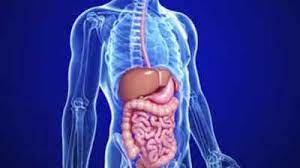
The complex relationship between gut health and fat storage has become a major focus of scientific research in recent years.
Studies have increasingly shown that the gut microbiota—comprising trillions of bacteria residing in the digestive tract—plays a crucial role in regulating metabolism, energy balance, and fat accumulation.
As per research published in Nature Reviews Endocrinology (2022), gut bacteria influence how the body absorbs nutrients, stores fat, and manages energy expenditure.
An imbalance in gut microbiota, known as dysbiosis, has been linked to increased fat storage, insulin resistance, and obesity.
So, it is important to learn how Gut Health influences Fat Storage.
According to leanandfit.info research, “Specific bacterial strains, such as Firmicutes and Bacteroidetes, have been identified as key players in determining fat metabolism efficiency”.
Understanding this gut-fat connection presents exciting opportunities for tackling obesity and metabolic disorders through targeted interventions such as probiotics, dietary modifications, and microbiome-based therapies.
With obesity rates on the rise, improving gut health offers a promising and sustainable approach to managing weight and metabolic health.
Article Index
- Introduction to Gut Microbiota
- Gut Microbiota Composition and Diversity
- Mechanisms Linking Gut Microbiota to Fat Storage
- Influence of Diet on Gut Microbiota and Fat Accumulation
- Gender Differences in Gut Microbiota and Obesity
- Probiotics, Prebiotics, and Their Impact on Fat Storage
- Potential Therapeutic Approaches
- Conclusion
Introduction to Gut Microbiota
The human gut contains trillions of microorganisms, collectively known as the gut microbiota, which include bacteria, fungi, and viruses.
These microbes play a crucial role in digestion by breaking down complex carbohydrates, producing short-chain fatty acids (SCFAs), and aiding in nutrient absorption.
Beyond digestion, the gut microbiota is vital for immune modulation, helping to maintain a balanced immune response and prevent infections.
It also regulates metabolic processes, influencing how the body stores and utilizes energy.
As per a study in Cell Metabolism (2021), disruptions in gut microbiota—often due to poor diet, antibiotics, or chronic stress—can lead to metabolic disorders, including obesity.
For example, an overabundance of Firmicutes bacteria relative to Bacteroidetes has been associated with increased calorie extraction from food and greater fat storage.
Conversely, a diverse and balanced gut microbiota, promoted by a fiber-rich diet, can support a healthy weight and prevent metabolic imbalances.
Gut Microbiota Composition and Diversity
A happy gut means a happy waistline, but when things go out of balance, your microbiota may start working against you.
A well-balanced gut microbiota is essential for keeping your metabolism in check. Gut bacteria impacts your body weight in numerous ways.
However, research shows that people struggling with obesity often have a less diverse gut microbiome and an unfavorable Firmicutes-to-Bacteroidetes ratio—think of it as too many energy-hoarding microbes and not enough fat-fighting ones.
According to a study in Nature Reviews Endocrinology (2022), an overabundance of Firmicutes bacteria allows the gut to squeeze out extra calories from food, storing them as fat more efficiently.
On the flip side, a greater presence of Bacteroidetes is linked to better digestion and leaner body compositions.
So, the next time you are wondering why that extra slice of pizza sticks around, your gut bacteria might be the silent culprits turning your meals into extra padding.
Mechanisms Linking Gut Microbiota to Fat Storage
The gut microbiota influences fat storage through several mechanisms:
- Energy Harvesting: Certain microbes can extract more calories from food, leading to increased energy availability and fat deposition.
- Short-Chain Fatty Acid (SCFA) Production: Microbial fermentation of dietary fibers produces SCFAs, such as acetate, propionate, and butyrate. These molecules serve as energy sources and regulate fat metabolism.
- Regulation of Host Genes: Gut bacteria can modulate the expression of genes involved in fat storage and energy expenditure, influencing adiposity.
Influence of Diet on Gut Microbiota and Fat Accumulation
What you eat does not just fuel your body—it feeds the trillions of bacteria living in your gut.
Your diet plays a pivotal role in shaping your gut microbiota, influencing metabolism and fat storage.
Diets high in fat and low in fiber create the perfect environment for bacteria linked to obesity, such as Firmicutes, which are known to extract and store more calories from food.
As per research in Gut Microbes (2022), excessive consumption of processed foods and saturated fats can lead to dysbiosis, contributing to inflammation and weight gain.
On the flip side, a fiber-rich, plant-based diet encourages the growth of beneficial bacteria like Bacteroidetes, which aid digestion and prevent excessive fat accumulation.
Foods such as whole grains, legumes, fruits, and vegetables diversify gut microbes, promoting better metabolic function and reducing fat storage.
So, your plate choices are not just about taste—they’re shaping your gut’s ability to manage weight effectively.
Gender Differences in Gut Microbiota and Obesity
Research suggests that gut microbiota influences obesity differently in men and women, potentially due to hormonal and metabolic variations.
A study published in Frontiers in Endocrinology (2022) found that certain bacterial strains, such as Akkermansia muciniphila, are more prevalent in lean women, while their absence is linked to obesity in men.
Similarly, men with higher levels of Bacteroidetes tend to have better metabolic profiles than women with the same composition.
These gender-specific differences highlight the need for personalized interventions in gut microbiota modulation to effectively manage obesity and metabolic health based on an individual’s biological and hormonal profile.
Probiotics, Prebiotics, and Their Impact on Fat Storage
Probiotics and prebiotics play a crucial role in shaping gut health and influencing fat storage.
Probiotics, which are live beneficial bacteria, and prebiotics, the fibers that feed them, have been extensively studied for their impact on metabolism and obesity management.
Certain probiotic strains, such as Lactobacillus gasseri and Bifidobacterium breve, have demonstrated potential in reducing body fat and improving insulin sensitivity.
According to a study in Nutrients (2022), individuals supplementing with these probiotics experienced reductions in visceral fat and waist circumference.
Prebiotics, such as inulin and fructooligosaccharides, support the growth of beneficial bacteria, enhancing gut barrier function and reducing systemic inflammation linked to obesity.
However, while early findings are promising, researchers caution that the effects of probiotics and prebiotics may vary based on individual gut composition, diet, and lifestyle.
More large-scale, long-term studies are needed to establish standardized guidelines for their use in obesity prevention and treatment.
Potential Therapeutic Approaches
Modulating gut microbiota offers a promising strategy for addressing obesity and related metabolic disorders.
Current research explores various interventions, including dietary modifications, probiotic and prebiotic supplementation, and fecal microbiota transplantation (FMT).
As per a study in Cell Metabolism (2023), personalized dietary interventions that promote beneficial bacterial strains can improve metabolic health and reduce fat accumulation.
Probiotics and prebiotics enhance gut diversity and metabolic efficiency, while FMT shows potential in restoring gut balance in individuals with obesity-related dysbiosis.
Tailoring these strategies based on an individual’s unique microbiota composition could significantly enhance treatment effectiveness and support long-term weight management.
Freequently Asked Questions:
This FAQ is all about understanding the hidden connection between your gut health and how your body stores fat.
We’ll break down what’s happening inside your digestive system in a simple, real-life way.
If you’ve been doing “everything right” but still struggling with fat gain, your gut might have a bigger role than you think.
Q-1: How can my gut bacteria actually influence how much fat I store?
A-1: Your gut is home to trillions of bacteria that help digest food and extract energy.
Some types of bacteria are more efficient at pulling calories from food, which can lead to extra energy being stored as fat.
Others support better metabolism. So, the balance of your gut bacteria can directly influence how your body handles calories.
Q-2: Why do two people eating the same food gain weight differently because of gut health?
A-2: It often comes down to differences in their gut microbiome.
One person’s gut may extract more calories or trigger more fat storage signals than the other’s. Gut bacteria also influence hormones and inflammation, which affect how your body stores or burns fat.
Q-3: Can poor gut health slow down my metabolism without obvious symptoms?
A-3: Yes, and that’s what makes it tricky.
An imbalanced gut can lead to low-grade inflammation and poor nutrient absorption, both of which can slow metabolism. You might not feel “sick,” but your body may quietly burn fewer calories.
Q-4: How does gut inflammation lead to increased fat storage?
A-4: Gut inflammation can disrupt hormones like insulin and cortisol.
This can make your body more likely to store fat, especially around the belly. It also affects how your body processes sugars and fats, often pushing it toward storage instead of usage.
Q-5: Can cravings be linked to my gut bacteria?
A-5: Surprisingly, yes.
Certain gut bacteria thrive on sugar and processed foods, and they can influence your cravings to get more of what they need to survive.
This can lead to overeating and, over time, increased fat storage.
Q-6: Why do I feel bloated and still gain fat at the same time?
A-6: Bloating is often a sign of gut imbalance, like excess gas or poor digestion.
At the same time, that imbalance can affect how your body stores fat. So while bloating and fat gain are different, they can both stem from the same gut health issues.
Q-7: Does improving gut health help reduce stubborn fat areas?
A-7: It can definitely help.
When your gut is balanced, your body handles nutrients better, reduces inflammation, and regulates hormones more effectively.
This creates a better environment for fat loss, including those stubborn areas that don’t respond easily.
Q-8: Can antibiotics or medications affect fat storage through gut health?
A-8: Yes, antibiotics can disrupt your gut bacteria by killing both good and bad microbes.
This imbalance can affect metabolism and fat storage. Some medications may also influence gut health indirectly, which can impact weight over time.
Q-9: What simple daily habits can improve gut health and reduce fat storage?
A-9: Focus on eating fiber-rich foods, fermented foods like yogurt, staying hydrated, and limiting processed foods.
Regular movement and good sleep also support a healthy gut. Small, consistent habits can make a big difference over time.
Q-10: How long does it take to see changes in fat storage after improving gut health?
A-10: Gut improvements can start within days, but noticeable changes in fat storage may take a few weeks to months.
Consistency is key. As your gut becomes more balanced, your body gradually shifts toward better metabolism and healthier weight management.
Bottom Line:
In simple terms, your gut health acts like a control center for how your body processes food and stores fat. When it is balanced, everything works more smoothly.
When it is not, even your best efforts can feel less effective. Taking care of your gut is not just about digestion—it is a powerful step toward better overall health and sustainable weight management.
Conclusion
Your gut microbiota does more than just help with digestion—it plays a major role in how your body stores fat and manages metabolism.
Keeping a diverse and balanced gut community is key to maintaining a healthy weight and overall well-being.
Eating fiber-rich foods, staying active, and managing stress all contribute to a thriving gut environment.
Scientists are continually uncovering the intricate ways gut bacteria influence fat metabolism, which could lead to exciting new treatments for obesity and metabolic disorders.
As research progresses, personalized gut health strategies may become a game-changer in weight management and long-term health.
References: