

Did you know that about 70 percent of your immune system is based in your gut?
The trillions of microbes living in your digestive tract do much more than break down food.
They help shape your energy, mood, and even how well your body fights illness.
When your gut is out of balance, the effects can reach far beyond digestion, touching almost every part of your health and daily life.
Table of Contents
- Defining Gut Health and Its Importance
- How the Gut Microbiome Works
- Gut Health and Weight Management Link
- Impact on Immune and Mental Health
- Diet, Lifestyle, and Gut Health Risks
- Common Gut Health Myths Debunked
Key Takeaways
| Point | Details |
|---|---|
| Gut Health is Multifaceted | Gut health influences digestion, immune function, mental health, and overall wellbeing, highlighting its essential role beyond mere food processing. |
| Microbiome Diversity Matters | A diverse gut microbiome contributes to better health outcomes, influenced by diet, lifestyle, and environmental factors. |
| Lifestyle Choices Impact Gut Health | Regular exercise, stress management, and sufficient sleep are crucial for maintaining gut health and preventing dysfunction. |
| Be Wary of Myths | Many common beliefs about gut health, such as the efficacy of probiotics and microbiome tests, are often misleading and lack scientific support. |
Defining Gut Health and Its Importance
Your gut is more than just a digestive system.
According to healthdirect, it’s a complex network comprising your stomach, small intestine, and large intestine that plays a critical role in your overall physical and mental wellbeing.
At its core, gut health refers to the balance and proper functioning of the gastrointestinal tract. This intricate system does far more than simply processing food. It acts as a sophisticated communication center, hosting trillions of microorganisms that interact with your body in profound ways.
These microscopic inhabitants, collectively known as the microbiome, influence everything from your immune response to your mood and metabolism.
The importance of gut health cannot be overstated.
 A well-functioning digestive system supports multiple aspects of human health:
- Nutrient absorption and efficient digestion
- Robust immune system function
- Hormone regulation
- Mental health and emotional balance
- Protection against harmful pathogens
When your gut is functioning optimally, you’re likely to experience increased energy, better stress management, and improved overall wellness.
Understanding Gut Health for Beginners: The Basics and Beyond can provide additional insights into this fascinating biological system that serves as your body’s internal command center.
How the Gut Microbiome Works?
The gut microbiome is a fascinating ecosystem of microscopic organisms that plays a crucial role in our overall health.
According to healthdirect, this complex community consists of trillions of microorganisms, primarily bacteria, that reside in the large intestine and serve critical functions in our body’s daily operations.
At its core, the gut microbiome functions like a sophisticated biological processing plant. These microorganisms perform multiple essential tasks, with their primary function being the breakdown of food into nutrients that our body can easily absorb and utilize.
Think of them as tiny, specialized workers transforming complex food molecules into readily available energy and building blocks for cellular function.
The composition and diversity of your gut microbiome are influenced by several key factors:
Here’s a summary of key factors influencing gut microbiome health:
| Factor | Positive Impact Examples | Negative Impact Examples |
|---|---|---|
| Diet | High-fiber foods Fermented foods Whole grains |
Processed foods High sugar Low fiber diet |
| Lifestyle | Regular exercise Stress management Consistent sleep |
Sedentary habits Chronic stress Poor sleep patterns |
| Medications | Minimal antibiotic use | Frequent antibiotics |
| Environment | Exposure to diverse microbes | Excessive sanitization |
| Age & Genetics | Natural diversity with age | Genetic predisposition to imbalance |
- Dietary habits
- Genetics
- Age
- Stress levels
- Medications
- Environmental exposures
Each individual’s microbiome is unique, much like a fingerprint, with different strains and populations of bacteria working in intricate harmony.
When balanced, these microorganisms support numerous bodily functions beyond digestion, including:
- Immune system regulation
- Hormone production
- Neurotransmitter synthesis
- Inflammation management
- Metabolic processes
Understanding the complex interactions within the gut microbiome can provide critical insights into overall health.
For those interested in exploring this topic further, How Gut Bacteria Influence Fat Storage offers an in-depth exploration of how these microscopic organisms impact our body’s metabolic processes.
Gut Health and Weight Management Link
The connection between gut health and weight management is far more intricate than most people realize.
According to research from NCBI, gut microbiota plays a critical role in how our body metabolizes food and regulates energy, directly impacting weight management processes.
At the molecular level, gut bacteria influence weight through several sophisticated mechanisms.
For instance, gut microbiota can decrease the expression of the fasting-induced adipocyte factor (FIAF), which significantly reduces lipoprotein levels and contributes to fat deposition in adipose tissue.
This means the microscopic organisms in your digestive system are actively participating in how and where your body stores fat.
The metabolic interactions are even more complex.
Gut microbiota performs remarkable functions in energy processing:
- Ferments undigested polysaccharides into monosaccharides
- Converts complex fats into short-chain fatty acids
- Facilitates easier nutrient absorption through the intestinal wall
- Triggers peptide production that influences digestive processes
Specifically, the short-chain fatty acids produced by these microorganisms bind to specific receptors, which then stimulate the production of Peptide YY (PYY).
This peptide plays a crucial role in regulating gut motility and fermentation processes, creating a fascinating feedback loop that impacts metabolism and potentially weight management.
For individuals looking to understand more about this intricate relationship, Gut Health and Weight: Complete Guide for 2025 offers an in-depth exploration of how your gut microbiome influences body weight and metabolic health.
Impact on Immune and Mental Health
The connection between gut health and overall wellbeing extends far beyond digestion, touching critical aspects of our immune system and mental landscape.
According to healthdirect, our gut microbiome plays a pivotal role in influencing both our body’s immune responses and our mood and behavior.
At the immune system level, the gut microbiome acts as a sophisticated command center. Gut bacteria serve as crucial training ground for immune cells, helping them distinguish between harmful invaders and beneficial organisms.
This intricate process of immune education happens directly within the digestive tract, where approximately 70% of our immune cells reside. The microbiome essentially acts as a first line of defense, teaching immune cells how to respond appropriately to different environmental challenges.
The mental health implications are equally profound. Gut bacteria produce numerous neurotransmitters and communicate directly with the brain through what scientists call the gut-brain axis.
This communication pathway means that the state of your gut can significantly impact your psychological wellbeing:
- Influences production of serotonin (the “happiness” neurotransmitter)
- Regulates stress response mechanisms
- Modulates inflammatory processes that affect mental clarity
- Impacts hormone production related to mood
Interestingly, disruptions in gut health can potentially contribute to various mental health challenges, including:
- Increased anxiety
- Depressive symptoms
- Cognitive function variations
- Emotional regulation difficulties
For those interested in exploring the deeper connections between mental health and physiological processes, How Inflammation from Obesity Increases Depression Risk provides an in-depth exploration of these intricate relationships.
Diet, Lifestyle, and Gut Health Risks
Maintaining optimal gut health requires a holistic approach that goes far beyond simply eating right.
According to healthdirect, improving gut health involves a comprehensive strategy encompassing diet, exercise, sleep, and lifestyle choices.
Diet plays a crucial role in shaping your gut microbiome. Processed foods and sugar-laden diets can dramatically alter the delicate bacterial balance in your digestive system, potentially leading to increased inflammation and compromised immune function.
The key is to focus on a diverse, plant-based diet that provides a wide range of nutrients and supports beneficial bacterial growth.
This means incorporating:
- Fermented foods like yogurt and kimchi
- High-fiber vegetables and fruits
- Whole grains
- Lean proteins
- Prebiotic-rich foods
Lifestyle factors can significantly impact gut health in ways many people don’t realize. Chronic stress, lack of sleep, and sedentary behavior can disrupt the microbiome’s delicate ecosystem.
Regular exercise, stress management techniques, and consistent sleep patterns are not just general health recommendations but critical components of maintaining a healthy gut.
Potential risks to gut health include:
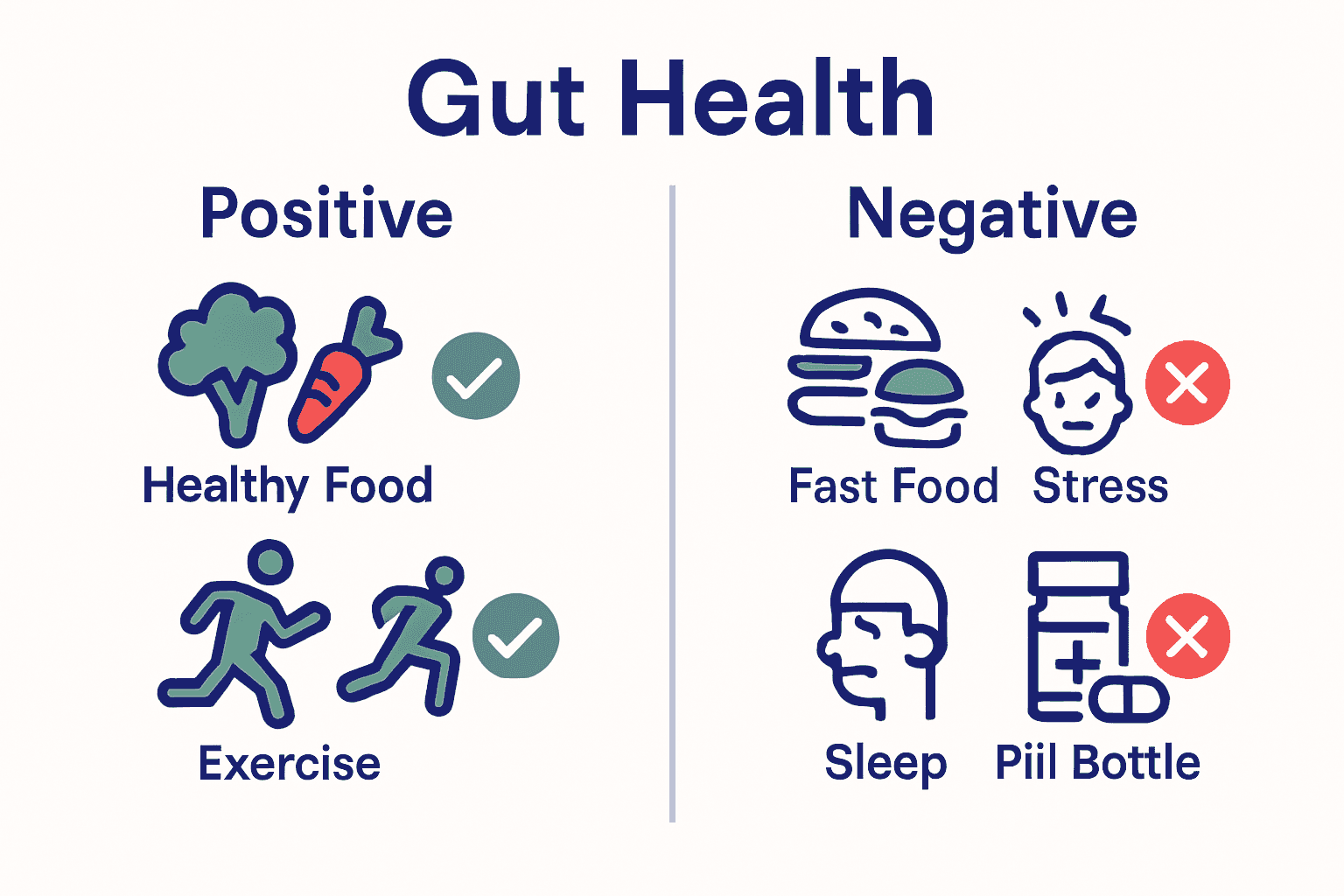
- Frequent antibiotic use
- High-stress environments
- Inconsistent sleep patterns
- Sedentary lifestyle
- Excessive alcohol consumption
- Diets high in processed foods
For those seeking to understand the deeper connections between lifestyle choices and digestive health, Gut Health and Obesity: Understanding the Critical Connection offers an in-depth exploration of how our daily choices impact our internal ecosystem.
Common Gut Health Myths Debunked
Gut health has become a buzzword in wellness circles, but not all information circulating is accurate. A groundbreaking study by the Pharmabiotic Research Institute (PRI), reported in Le Monde, reveals that many commercial gut health claims are misleading and scientifically unsupported.
One of the most pervasive myths is the belief that commercial microbiota tests provide definitive health insights. The study found significant discrepancies when identical stool samples were tested by different labs, with test costs ranging from €150 to €300.
These tests often generate vague recommendations or alarming health alerts about conditions like depression or cancer risks, without substantial scientific evidence to back their claims.
Common gut health myths that need debunking include:
- Probiotics are a one-size-fits-all solution
- You can diagnose health conditions through microbiome tests
- Expensive supplements guarantee gut health
- Antibiotics have no long-term impact on gut bacteria
- All fermented foods are equally beneficial
Experts highlight that no definitive criteria exist to categorically define a “healthy” versus “unhealthy” microbiota. The complexity of our internal ecosystem means that generic advice often falls short of addressing individual health needs. Context matters more than blanket statements.
For those interested in understanding the nuanced world of gut health beyond simplistic myths, 7 Common Weight Loss Myths Debunked for Lasting Results offers a comprehensive exploration of how misinformation can impact our health journey.
Reclaim Your Health by Unlocking Gut Balance Today
Gut health plays a powerful role in your overall well-being and weight management.
If you find yourself struggling with digestive discomfort, low energy, or difficulty managing your weight, the imbalance in your gut microbiome or gut dysbiosis may be standing in your way.
Building sustainable habits to modulate your gut can transform not just your digestion but also your immune function and mental clarity.

Take the first step now by exploring expert-backed strategies at Gut Modulation – LeanAndFit. Discover how you can harness the power of your gut microbiome through practical lifestyle changes.
Visit Gut Microbiome – LeanAndFit to deepen your understanding of the invisible ecosystem shaping your health. Don’t wait — a thriving gut is the foundation for lasting wellness. Learn more and start your transformation at LeanAndFit.info.
Frequently Asked Questions:
Q-1. What is gut health and why is it important for overall wellness?
A-1. Gut health refers to how well your digestive system—and the trillions of microbes living in it—function together.
These microbes, collectively called the gut microbiome, play a major role in digestion, immunity, and even mental health.
In the United States, digestive issues affect an estimated 60–70 million people, highlighting how common gut-related problems are.
A healthy gut helps break down food, absorb nutrients, and protect against harmful bacteria.
When your gut is balanced, your body runs smoothly. But when it is out of balance, it can lead to issues like bloating, fatigue, and even chronic conditions.
Think of your gut as the control center of your body—when it is healthy, everything else tends to work better.
Q-2. How does gut health affect immunity and overall wellness?
A-2. Your gut plays a huge role in your immune system—about 70% of your immune cells are located in the gut. This means your gut health directly influences how well your body fights infections and stays healthy.
In the U.S., where lifestyle-related illnesses are common, maintaining a strong immune system is crucial.
A balanced gut microbiome helps identify harmful invaders and supports the production of immune cells.
When gut health is compromised, the immune system can become weaker or overactive, leading to infections or inflammation.
Supporting gut health through proper nutrition and lifestyle habits can significantly improve overall wellness.
Q-3. What is the role of the gut microbiome in digestion and metabolism?
A-3. The gut microbiome helps break down complex foods, especially fiber, that your body can’t digest on its own. It also produces essential nutrients like certain vitamins and short-chain fatty acids that support metabolism.
In the U.S., diets often lack sufficient fiber, which can negatively impact these processes. A well-functioning microbiome ensures efficient digestion and helps regulate how your body uses and stores energy.
When the microbiome is imbalanced, digestion slows down, and metabolism can become less efficient, contributing to weight gain and other metabolic issues.
Q-4. How can beginners improve gut health naturally?
A-4. Improving gut health doesn’t require complicated steps—it starts with simple, consistent habits. In the U.S., many people can benefit from small dietary and lifestyle changes.
Beginner-friendly tips include:
- Eating more fruits, vegetables, and whole grains
- Staying hydrated
- Including fermented foods like yogurt
- Reducing processed food intake
- Getting regular physical activity
These habits help nourish beneficial bacteria and create a healthier gut environment. Over time, even small changes can lead to noticeable improvements in digestion and overall health.
Q-5. How do you restore gut health after antibiotics or illness?
A-5. Antibiotics can disrupt the balance of gut bacteria by killing both harmful and beneficial microbes. In the U.S., antibiotics are widely used, making gut recovery an important topic.
To restore gut health, focus on rebuilding beneficial bacteria through:
- Probiotic-rich foods
- High-fiber diets
- Adequate hydration
- Rest and stress management
Recovery takes time, but consistent healthy habits can help re-establish balance. Supporting your gut after illness is essential for regaining strength and preventing future issues.
Q-6. What is the connection between gut health and mental health?
A-6. The gut and brain are closely connected through what’s known as the gut-brain axis. In fact, a large portion of serotonin—a key mood-regulating chemical—is produced in the gut.
In the U.S., where mental health concerns affect millions, this connection is gaining attention. An imbalanced gut microbiome can influence mood, stress levels, and even conditions like anxiety and depression.
Maintaining gut health can support better mental well-being by promoting a balanced production of neurotransmitters and reducing inflammation.
Q-7. What are the best foods for gut health and microbiome diversity?
A-7. The best foods for gut health are those that support a diverse and balanced microbiome. In the U.S., increasing intake of these foods can significantly improve gut health:
- Fiber-rich foods like fruits, vegetables, and legumes
- Fermented foods such as yogurt and kefir
- Whole grains
- Nuts and seeds
These foods provide nutrients that beneficial bacteria need to thrive. A varied diet encourages microbial diversity, which is key to a resilient and healthy gut.
Q-8. How do fiber and probiotics improve gut health naturally?
A-8. Fiber and probiotics work together to support gut health. Fiber acts as food for beneficial bacteria, while probiotics introduce new healthy bacteria into the gut.
In the U.S., most adults consume less than the recommended daily fiber intake, which can limit these benefits. Increasing fiber intake helps improve digestion and supports microbial growth.
Probiotics, found in fermented foods, help restore balance and enhance gut function. Together, they create an environment where beneficial bacteria can thrive.
Q-9. What are the signs of poor gut health and how can you fix them?
A-9. Poor gut health can show up in various ways, including:
- Bloating and gas
- Irregular bowel movements
- Fatigue
- Frequent infections
- Food intolerances
In the U.S., these symptoms are common but often overlooked. Addressing them involves improving diet, reducing stress, and maintaining a healthy lifestyle.
Making gradual changes can help restore balance and improve overall well-being. Paying attention to these signs early can prevent more serious health issues.
Q-10. How does gut health impact weight loss and metabolism?
A-10. Gut health plays a significant role in weight management and metabolism. A balanced microbiome helps regulate how your body processes food and stores energy.
In the U.S., where obesity affects a large portion of the population, improving gut health can support weight loss efforts. Certain gut bacteria are associated with better metabolism and reduced fat storage.
By focusing on gut-friendly habits—like eating a diverse diet and staying active—you can improve metabolic efficiency and support healthy weight management.
Final Takeaway:
Gut health is a cornerstone of overall wellness, influencing digestion, immunity, mental health, and metabolism.
In the United States, where lifestyle-related health challenges are widespread, prioritizing gut health can make a significant difference.
By adopting simple, consistent habits—like eating a balanced diet, staying active, and managing stress—you can support a healthier gut and improve your quality of life over time.
Recommended:
- Understanding Gut Health for Beginners: The Basics and Beyond – LeanAndFit
- Gut Health and Weight: Complete Guide for 2025 – LeanAndFit
- Gut Health and Obesity: Understanding the Critical Connection – LeanAndFit
- Understanding Gut Health and Metabolism – LeanAndFit
- Why Trust LeanAndFit.info?
- For educational purposes only