

Gut health often gets talked about as a digestion issue, but this is only the tip of the iceberg.
Some scientists say our bodies contain trillions of gut microbes that can actually control our metabolism, immunity, and even our mood.
It sounds wild, but the real surprise is that your gut might have more say in your weight and energy levels than the foods you eat or the hours at the gym.
Table of Contents
- What Is Gut Health And Metabolism?
- The Role Of The Gut Microbiome In Metabolism
- Why Gut Health Matters For Weight Management
- How Gut Health Influences Nutrient Absorption
- Connecting Gut Health And Metabolism To Overall Wellness
Quick Summary
| Takeaway | Explanation |
|---|---|
| Gut health influences metabolism efficiency. | A balanced gut microbiome optimizes nutrient absorption and energy utilization. |
| Microbiome diversity aids in weight management. | Diverse bacteria contribute to effective energy extraction, impacting weight control. |
| Inflammation affects gut balance and metabolism. | Unhealthy gut environments can trigger inflammation, leading to weight gain and metabolic issues. |
| Gut bacteria regulate appetite and hormones. | Microorganisms in the gut produce hormones that control hunger and metabolic rates. |
| Support gut health for overall wellness. | Maintaining a healthy microbiome promotes physical and mental health, preventing chronic diseases. |
What is Gut Health and Metabolism?
Gut health and metabolism are fundamentally interconnected biological processes that play a critical role in our overall wellness.
Your digestive system is far more than just a mechanism for processing food it is a complex ecosystem that directly influences how your body generates, stores, and uses energy.
The Digestive Ecosystem:
The human gut contains trillions of microorganisms collectively known as the microbiome.
These microscopic inhabitants do much more than assist with digestion they actively communicate with your body’s metabolic systems.
Research from the National Institutes of Health demonstrates that these microorganisms help regulate several key metabolic functions:
- Breaking down complex nutrients into usable energy
- Producing essential hormones that control appetite
- Modulating inflammation responses
- Influencing insulin sensitivity
Metabolism and Gut Interactions:
Metabolism represents the biochemical processes that convert food into energy.
Your gut microbiome significantly impacts this process by determining how efficiently nutrients are absorbed and utilized.
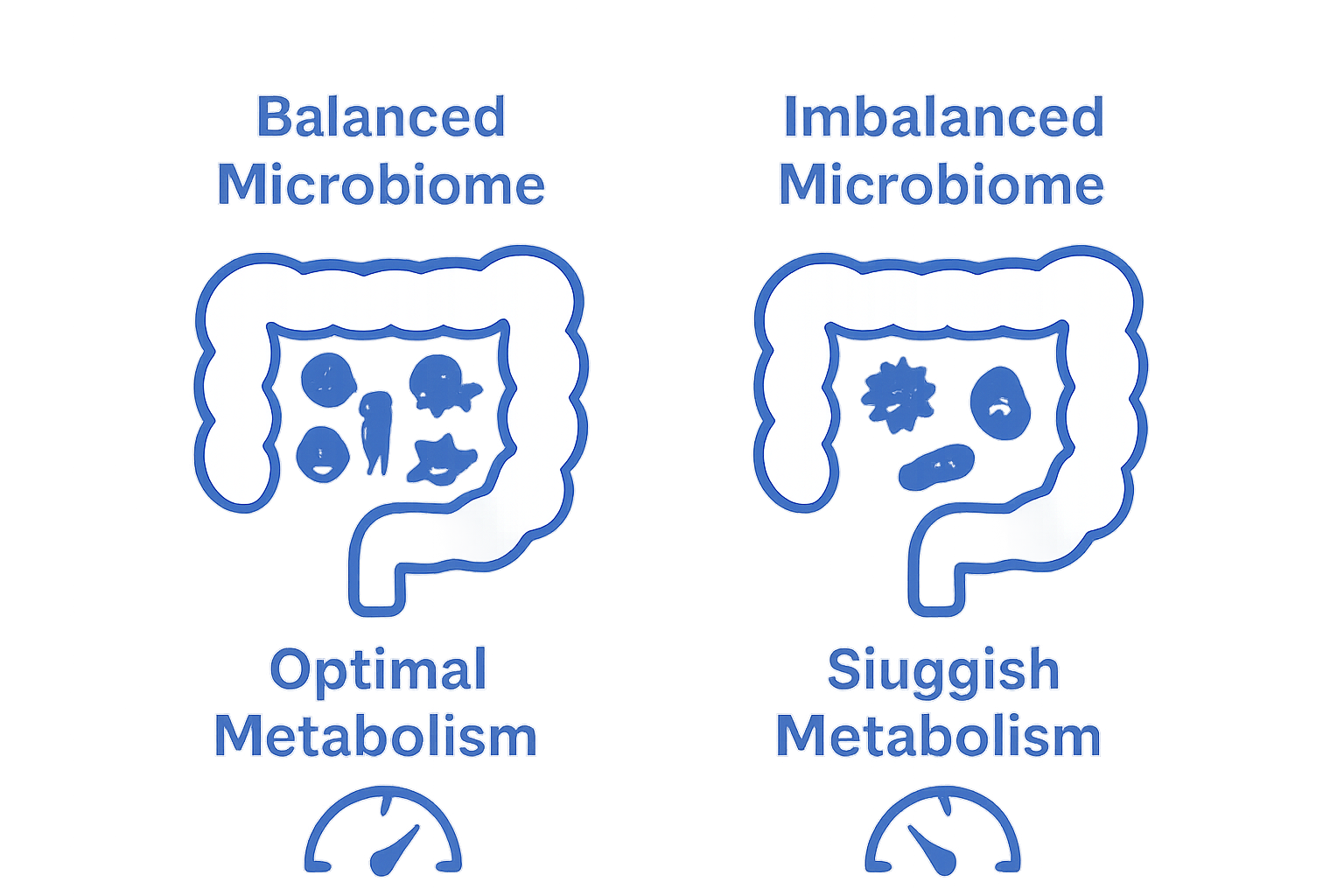
When your gut is healthy, metabolism functions optimally metabolism becomes sluggish or inefficient when gut bacteria are imbalanced.
Interestingly, the relationship between gut health and metabolism works both ways. Just as your microbiome influences metabolic rate, your metabolic state can also affect gut bacterial composition.
Below is a table summarizing the main ways the gut microbiome contributes to metabolic health, as explained in this section.
| Mechanism | Description |
|---|---|
| Breaking down complex nutrients | Converts difficult-to-digest compounds into usable energy |
| Producing appetite-controlling hormones | Generates hormones that impact hunger and fullness |
| Modulating inflammatory responses | Influences inflammation linked to metabolic health |
| Affecting insulin sensitivity | Helps regulate blood sugar and energy storage |
| Extracting and storing energy | Determines energy absorption and fat storage efficiency |
| Communicating with metabolic pathways | Sends signals that affect metabolic rate and energy use |
| This creates a dynamic feedback loop where diet, lifestyle, and bacterial populations continuously interact. |
Understanding this intricate relationship is crucial for anyone seeking to improve their overall health.
By exploring gut modulation strategies, individuals can potentially optimize their metabolic performance and support long term wellness.
The Role of the Gut Microbiome in Metabolism
The gut microbiome serves as a complex, dynamic ecosystem that plays a pivotal role in metabolic processes.
These trillions of microorganisms do far more than simply aid digestion they actively shape how our bodies process and utilize nutrients.
Metabolic Regulation Mechanisms:
Research from the National Institutes of Health reveals that gut bacteria influence metabolism through several sophisticated mechanisms.
These microorganisms function like microscopic metabolic managers, controlling critical bodily functions:
- Transforming dietary compounds into usable energy sources
- Producing hormones that regulate appetite and metabolic rate
- Modulating insulin sensitivity and glucose metabolism
- Generating short chain fatty acids that support metabolic health
Bacterial Diversity and Energy Extraction:
The composition and diversity of gut bacteria directly impact how efficiently your body extracts and stores energy.
Different bacterial strains have unique capabilities in metabolizing nutrients.
Some bacteria are exceptionally efficient at breaking down complex carbohydrates, while others excel at processing proteins and fats.
Moreover, the gut microbiome influences fat storage and distribution.
Certain bacterial populations can increase or decrease the body’s tendency to store excess calories as fat.
This means the bacterial landscape in your digestive system can significantly affect weight management and metabolic performance.
Communication and Metabolic Signaling:
Gut bacteria communicate with human cells through intricate molecular signaling pathways.
They produce metabolites and hormones that interact directly with the body’s metabolic regulatory systems.
Learn more about how obesity alters gut microbial diversity to understand these complex interactions.
This communication network helps maintain metabolic homeostasis and can potentially influence conditions like insulin resistance, obesity, and metabolic syndrome.
Why Gut Health Matters for Weight Management?
Gut health plays a fundamental role in managing body weight, extending far beyond traditional diet and exercise approaches.
The intricate relationship between gut microbiome composition and metabolic processes directly influences weight gain, weight loss, and overall body composition.
Metabolic Signaling and Weight Regulation:
Research from the journal Nutrients reveals critical insights into how gut bacteria impact weight management.
These microscopic organisms do more than digest food they actively communicate with metabolic systems to regulate weight through several key mechanisms:
- Controlling appetite and satiety hormones
- Modulating fat storage and energy expenditure
- Influencing insulin sensitivity and glucose metabolism
- Regulating inflammation responses associated with weight gain
Bacterial Impact on Energy Absorption:
The composition of gut bacteria determines how efficiently your body extracts and stores calories from food.
Some bacterial strains promote more effective energy harvesting, while others support better metabolic efficiency.
This means two individuals consuming identical diets might experience different weight management outcomes based on their unique gut microbiome.
Discover how gut bacteria impact body weight to understand the nuanced interactions between microbial populations and metabolic processes.
Individuals with a more diverse and balanced gut microbiome tend to maintain healthier body weights and experience more stable metabolic function.
Inflammation and Weight Dynamics:
Unhealthy gut environments can trigger chronic low grade inflammation, a significant contributor to weight gain and metabolic disorders.
Dysbiosis disrupts the delicate balance of bacterial populations, potentially leading to increased fat storage, reduced metabolic rate, and challenges in weight management.
By supporting a healthy gut microbiome, individuals can potentially mitigate these inflammatory responses and create a more supportive environment for sustainable weight control.
How Gut Health Influences Nutrient Absorption?
Nutrient absorption is a sophisticated process where gut health plays a pivotal role in determining how effectively your body extracts and utilizes essential vitamins, minerals, and macronutrients from consumed food.
The gut microbiome acts as a critical intermediary in this complex metabolic interaction.
Microbial Breakdown and Nutrient Processing:
Research from the National Institutes of Health reveals that gut microbes perform extraordinary functions in nutrient metabolism.
These microscopic organisms break down complex compounds that human digestive enzymes cannot process independently, transforming them into bioavailable nutrients:
- Fermenting dietary fibers into short chain fatty acids
- Breaking down complex polysaccharides
- Converting indigestible plant compounds into accessible nutrients
- Synthesizing essential vitamins like biotin and vitamin K
Intestinal Barrier and Nutrient Transport:
The gut microbiome directly influences the intestinal barrier’s permeability and functionality.
Healthy bacterial populations maintain a robust intestinal lining that selectively allows nutrients to pass through while preventing harmful substances from entering the bloodstream.
Learn more about how gut health influences fat storage to understand these intricate mechanisms.
Metabolic Signaling and Nutrient Utilization:
Beyond physical breakdown, gut bacteria communicate with metabolic systems to optimize nutrient absorption.
They produce signaling molecules that regulate enzyme production, insulin sensitivity, and cellular energy utilization.
An imbalanced microbiome can disrupt these signals, potentially leading to reduced nutrient absorption, increased inflammation, and metabolic inefficiencies.
By maintaining a diverse and healthy gut microbiome, individuals can enhance their body’s ability to extract maximum nutritional value from consumed foods.
Connecting Gut Health and Metabolism to Overall Wellness
The intricate relationship between gut health and metabolism extends far beyond digestion, profoundly impacting overall physical and mental well being.
Understanding this connection reveals how our internal microbial ecosystem influences nearly every aspect of human health.
Systemic Metabolic Influences:
Research examining metabolic pathways demonstrates that gut microbiota metabolites play a critical role in preventing and managing chronic diseases.
These microscopic organisms generate compounds that communicate with multiple bodily systems, creating a complex network of metabolic interactions:
- Regulating inflammatory responses
- Modulating immune system functionality
- Producing essential neurotransmitters
- Balancing hormonal signaling pathways
- Supporting cardiovascular health
Holistic Health Interconnections:
The gut microbiome acts as a central communication hub, sending signals that influence brain function, emotional states, and cognitive performance.
Metabolic processes initiated by gut bacteria can impact mental clarity, mood regulation, and stress responses.
Explore our comprehensive guide on gut modulation to understand these intricate relationships between physical and mental wellness.
Preventative Health Strategies:
Maintaining a balanced gut microbiome represents a proactive approach to preventing metabolic disorders.
By supporting diverse bacterial populations, individuals can potentially mitigate risks associated with obesity, diabetes, cardiovascular diseases, and certain inflammatory conditions.
The key lies in understanding that wellness is not about isolated interventions but about creating a harmonious internal environment where metabolic processes can function optimally.
This table compares the key features of a healthy versus an imbalanced gut microbiome as they relate to metabolic and overall wellness.
| Gut Condition | Key Features | Impact on Metabolism & Wellness |
|---|---|---|
| Healthy Microbiome | Diverse bacterial population, strong intestinal barrier, | Efficient nutrient absorption, steady metabolic rates, |
| balanced inflammation, optimal signaling molecules | better weight management, improved mental health | |
| Imbalanced Microbiome | Reduced diversity, increased gut permeability, chronic | Impaired nutrient absorption, slower metabolism, |
| inflammation, disrupted hormone production | weight gain, increased risk for chronic diseases |

Ready to Take Control of Your Gut Health and Metabolism?
Struggling with sluggish metabolism, persistent weight issues, or unclear energy swings often comes back to your gut’s health.
When your digestive ecosystem is out of balance, you may feel stuck no matter how carefully you eat or exercise.
This article explained how the delicate relationship between your gut microbiome and metabolism shapes your body’s ability to maintain a healthy weight and absorb nutrients.
If these challenges sound familiar, it might be time to actively improve your internal balance with proven, natural strategies.
Explore Gut Modulation Solutions to discover targeted approaches, step-by-step guidance, and real success stories from people who faced similar struggles.
Why wait to feel better and more energized?
Frequently Asked Questions:
This FAQ is all about understanding the powerful (and often ignored) connection between your gut and your metabolism.
It breaks down how your digestive system quietly influences energy, weight, and overall health.
Think of it as a simple, human-friendly guide to what’s really happening inside your body every day.
Q-1: Can my gut bacteria actually influence how fast or slow I burn calories?
A-1: Yes, your gut bacteria play a surprisingly big role in metabolism. The trillions of microbes in your digestive system help break down food, absorb nutrients, and even influence how your body stores fat.
A balanced gut can support efficient calorie use, while an unhealthy gut may slow things down or lead to weight gain. Think of your gut as a hidden control center—when it’s working well, your metabolism tends to follow.
Q-2: Why do I feel tired even when I eat enough food—could my gut be the reason?
A-2: It absolutely could be. If your gut isn’t absorbing nutrients properly, your body may not get the energy it needs, even if you’re eating enough.
Poor gut health can affect how vitamins like B12 and iron are processed, both of which are crucial for energy.
So the issue isn’t always how much you eat, but how well your body uses it. Improving gut health can often improve energy levels naturally.
Q-3: Can an unhealthy gut make it harder to lose weight even with dieting?
A-3: Yes, and this is something many people overlook. An imbalanced gut can affect hunger hormones, increase cravings, and even influence fat storage. It can also lead to inflammation, which may slow metabolism.
So if you’re eating right and staying active but still struggling, your gut health might be playing a role. Supporting your gut can sometimes unlock progress that felt stuck.
Q-4: Why do cravings for sugar and junk food feel stronger at times? Is my gut involved?
A-4: Believe it or not, your gut bacteria can influence cravings. Certain types of bacteria thrive on sugar and processed foods, and they can send signals that make you crave more of those foods.
It is almost like they’re “asking” to be fed. When you shift your diet toward healthier options, you also change your gut environment, and over time, those cravings can reduce.
Q-5: Can stress damage gut health and slow metabolism at the same time?
A-5: Yes, stress has a direct impact on your gut. It can disrupt the balance of bacteria, affect digestion, and even lead to issues like bloating or discomfort.
At the same time, stress hormones can slow metabolism and increase fat storage. This creates a double effect—your gut suffers, and your weight management becomes harder.
Managing stress isn’t just good for your mind; it’s essential for your gut and metabolism too.
Q-6: Why do I feel bloated even when I eat “healthy” foods?
A-6: Not all healthy foods work the same for everyone. Foods rich in fiber, like beans or certain vegetables, can cause bloating if your gut isn’t used to them or if your bacteria balance is off.
It doesn’t mean these foods are bad—it just means your gut needs time to adjust. Introducing such foods gradually and staying hydrated can help your digestive system adapt more comfortably.
Q-7: Can improving gut health actually boost metabolism naturally?
A-7: Yes, improving gut health can support better metabolism over time. When your gut is balanced, digestion becomes more efficient, nutrient absorption improves, and inflammation reduces.
All of this helps your body function more smoothly, including how it burns calories. While it’s not a quick fix, nurturing your gut can create a strong foundation for long-term metabolic health.
Q-8: What simple habits can support both gut health and metabolism together?
A-8: The good news is that simple habits can go a long way. Eating a variety of whole foods, including fiber-rich fruits and vegetables, helps feed good bacteria.
Staying hydrated, getting enough sleep, and managing stress also play key roles.
Regular movement supports digestion and metabolism as well. You don’t need extreme changes—just small, consistent steps that support your body from the inside out.