

People everywhere are rethinking what ends up on their plate and for good reason.
Food production is responsible for about 26 percent of the world’s greenhouse gas emissions.
Most assume nutrition is a personal choice or just about calories and vitamins.
But the real story is that your daily meals can shape the future of both your health and our planet in ways that go far beyond what you might expect.
Table of Contents
- Defining Sustainable Diet: Key Characteristics
- The Importance Of A Sustainable Diet For Health And Planet
- How A Sustainable Diet Works: Principles And Practices
- Core Concepts Of Nutrition In Sustainable Diets
- Connecting Sustainable Diets To Lifestyle Change
Quick Summary
| Takeaway | Explanation |
|---|---|
| Choose plant-based foods | Focus on incorporating more plant proteins and whole grains to enhance health and reduce environmental impact. |
| Minimize food waste | Adopt strategies to avoid food waste, such as meal planning and using leftovers creatively. |
| Support local agriculture | Prefer locally sourced and seasonal produce to lower carbon footprints and promote local economies. |
| Prioritize whole foods | Select whole and minimally processed foods for better nutrition and environmental sustainability. |
| Understand personal health goals | Recognize how dietary choices influence both personal wellness and contribute to ecological sustainability. |
Defining Sustainable Diet: Key Characteristics
A sustainable diet represents a comprehensive approach to nutrition that goes beyond personal health, encompassing environmental preservation, social responsibility, and long-term wellness.
Research from Harvard School of Public Health highlights that sustainable diets are critical for addressing global challenges related to food systems and human health.
Environmental and Nutritional Balance
Sustainable diets fundamentally balance nutritional needs with ecological considerations. These diets prioritize food choices that minimize environmental impact while providing optimal human nutrition.
Key characteristics include:
- Reducing reliance on animal protein
- Minimizing food waste
- Selecting locally produced and seasonal ingredients
- Prioritizing whole, minimally processed foods
The core philosophy centers on understanding how dietary choices influence both personal health and global ecosystems.
By making conscious selections, individuals can contribute to reduced greenhouse gas emissions, conservation of natural resources, and support for sustainable agricultural practices.
Nutritional Principles of Sustainable Eating
Nutritional sustainability involves selecting food sources that provide comprehensive health benefits while maintaining ecological integrity.
To help clarify the key characteristics of a sustainable diet, the table below organizes features highlighted throughout the guide for quick reference.
| Characteristic | Description |
|---|---|
| Reduced animal protein | Emphasizes more plant-based proteins over animal sources to minimize environmental impact |
| Minimization of food waste | Focuses on strategies to reduce household and individual food waste |
| Locally produced and seasonal foods | Selects foods grown locally and in-season to lower transport emissions and support economies |
| Whole, minimally processed foods | Prioritizes natural foods over processed ones for nutrition and lower ecological footprint |
| Environmental responsibility | Encourages food choices that conserve resources and reduce greenhouse gas emissions |
| Nutrient density | Chooses foods with high micronutrient content per calorie for both health and sustainability |
| Social responsibility | Supports fair, ethical, and community-based agricultural practices |
The goal is creating a dietary framework that supports individual wellness and planetary health simultaneously.
Learn more about building a balanced plate with whole foods to understand practical implementation of these principles.
Individuals adopting sustainable diets recognize that their food choices have broader implications beyond personal nutrition.
By selecting foods that are environmentally responsible, nutritionally complete, and ethically produced, they contribute to a more holistic approach to eating that supports global well-being.
The Importance of a Sustainable Diet for Health and Planet
Scientific research from the National Institutes of Health demonstrates that dietary choices significantly impact both human health and planetary well-being.
A sustainable diet transcends individual nutrition, representing a powerful mechanism for addressing global environmental challenges while supporting personal wellness.
Health Benefits of Sustainable Eating
Sustainable diets offer comprehensive health advantages that extend far beyond traditional nutritional considerations.
By emphasizing whole foods, plant-based proteins, and minimally processed ingredients, these dietary approaches promote optimal physical functioning and long-term wellness.
Key health benefits include:
- Reduced risk of chronic diseases
- Enhanced metabolic efficiency
- Improved gut microbiome diversity
- Better weight management
These nutritional strategies focus on consuming nutrient-dense foods that provide maximum health benefits while minimizing potential negative environmental impacts.
The approach recognizes that personal health is intrinsically connected to broader ecological systems.
Global Environmental Impact
The connection between dietary choices and environmental sustainability is profound.
Food production accounts for approximately 26% of global greenhouse gas emissions, making individual dietary decisions critically important for planetary health.
By choosing foods with lower carbon footprints, individuals can directly contribute to environmental conservation efforts.
Learn more about building healthy eating habits that support both personal and planetary wellness.
Sustainable diets encourage consumers to consider the broader ecological consequences of their food selections, transforming eating from a personal activity into a form of environmental stewardship.
The following table organizes the core health and environmental benefits discussed in the sustainable diet section for easier comparison and understanding.
| Benefit Area | Key Benefit |
|---|---|
| Human Health | Reduced risk of chronic diseases |
| Enhanced metabolic efficiency | |
| Improved gut microbiome diversity | |
| Better weight management | |
| Environmental Impact | Lower greenhouse gas emissions from food production |
| Conservation of natural resources | |
| Support for sustainable agriculture and reduced environmental strain | |
| Transformation of eating habits into environmental stewardship |
Ultimately, adopting a sustainable diet represents a holistic approach to nutrition that recognizes the intricate connections between human health, agricultural practices, and global ecosystem preservation.
By making mindful food choices, individuals can simultaneously nourish themselves and contribute to a more sustainable future.
How a Sustainable Diet Works: Principles and Practices
Nutritional research from the World Health Organization reveals that sustainable diets operate through complex interactions between dietary choices, personal health, and environmental systems.
Understanding these mechanisms requires examining the fundamental principles that guide sustainable nutrition.
Core Operational Principles
Sustainable diets function by integrating multiple strategic approaches that balance nutritional requirements with ecological considerations.
The core operational framework involves:
- Prioritizing plant-based protein sources
- Reducing overall meat consumption
- Selecting locally sourced and seasonal produce
- Minimizing processed food intake
These principles work synergistically to create a dietary approach that supports individual metabolism while simultaneously reducing environmental strain.
By consciously selecting foods with lower carbon footprints and higher nutritional density, individuals can transform their eating habits into a form of ecological participation.
Metabolic and Environmental Interactions
The mechanism of a sustainable diet extends beyond simple food selection. It involves understanding how specific nutritional choices impact both personal physiology and broader ecological systems.
Nutrient-dense, minimally processed foods require less energy to produce, transport, and prepare, creating a direct link between dietary practices and environmental conservation.
Learn more about healthy weight loss tips that align with sustainable dietary principles, demonstrating how personal health goals can intersect with environmental responsibility.
By adopting a holistic perspective that views diet as an integrated system rather than a series of isolated choices, individuals can develop eating habits that nourish both personal wellness and planetary health.
The sustainable diet is not just a dietary strategy but a comprehensive approach to living that recognizes the profound interconnectedness of human nutrition and global ecosystems.
Core Concepts of Nutrition in Sustainable Diets
Nutritional research from the American Journal of Clinical Nutrition highlights that sustainable nutrition involves intricate interactions between dietary composition, human health, and environmental preservation.
Understanding these core nutritional concepts requires a comprehensive approach that transcends traditional dietary thinking.
Nutrient Density and Ecological Balance
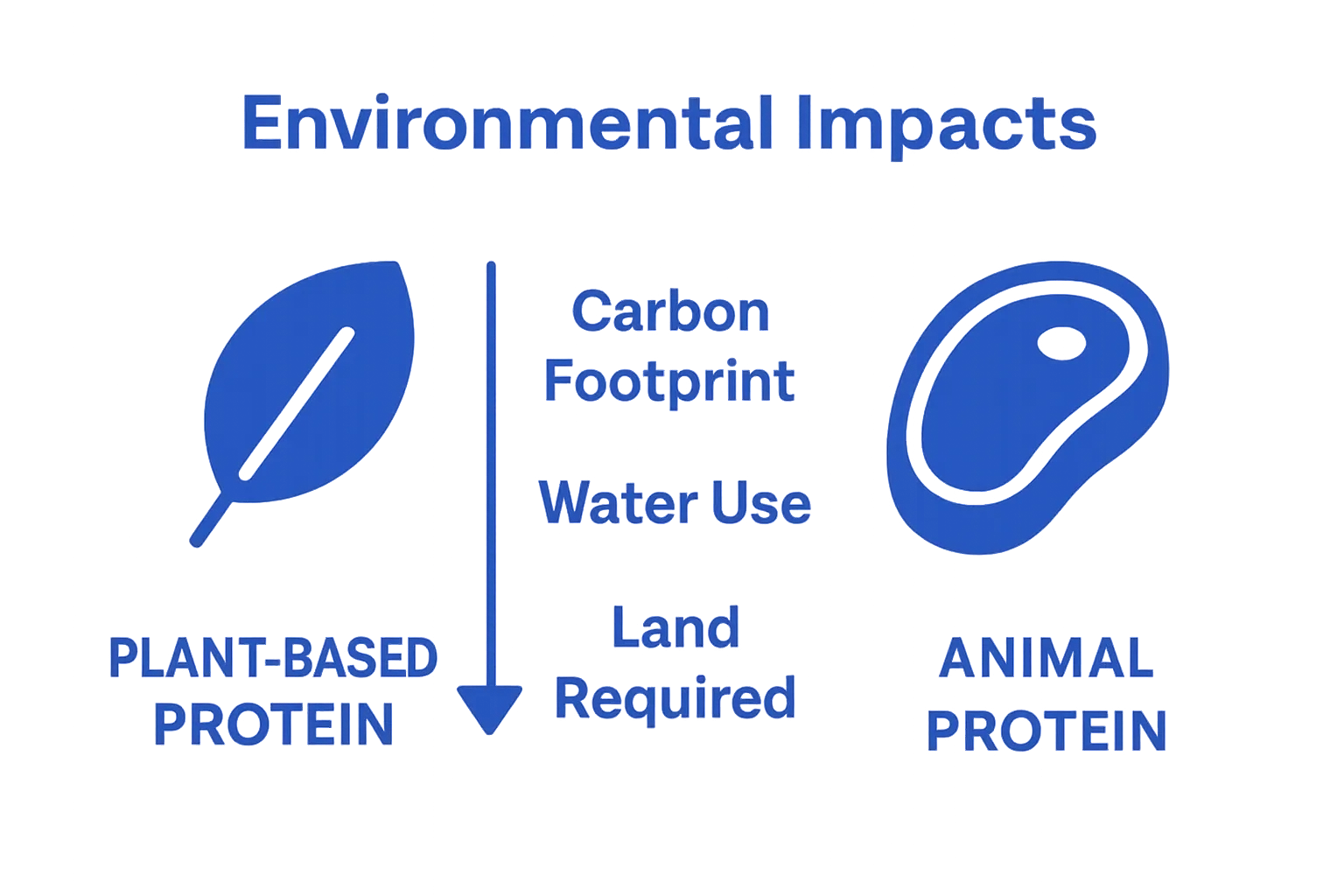
Sustainable nutrition prioritizes foods that maximize nutritional value while minimizing environmental impact. This approach focuses on selecting nutrient-dense ingredients that provide comprehensive health benefits with minimal ecological strain.
Key nutritional considerations include:
- Maximizing micronutrient content per calorie
- Selecting proteins with lower carbon footprints
- Balancing macronutrients from sustainable sources
- Prioritizing whole food nutritional profiles
These principles ensure that dietary choices not only support individual health but also contribute to broader ecological sustainability.
By understanding the nutritional ecosystem, individuals can make informed choices that nourish both personal wellness and planetary health.
Metabolic Efficiency and Nutritional Diversity
Sustainable diets emphasize nutritional diversity as a fundamental strategy for metabolic optimization.
This approach recognizes that varied food sources provide comprehensive nutritional profiles while reducing dependency on single agricultural systems.
The metabolic benefits extend beyond individual nutrition, creating a more resilient and adaptable dietary framework.
Learn more about avoiding processed foods to understand how nutritional quality directly impacts both personal health and environmental sustainability.
Ultimately, the core concepts of nutrition in sustainable diets represent a holistic approach to eating.
By viewing nutrition as an interconnected system that balances human physiological needs with ecological considerations, individuals can transform their dietary choices into a powerful mechanism for personal and planetary well-being.
Connecting Sustainable Diets to Lifestyle Change
Research from the National Institutes of Health demonstrates that sustainable diets are not merely dietary choices but comprehensive lifestyle transformations that require holistic behavioral modifications.
Understanding this connection involves recognizing how nutritional decisions intersect with broader personal and environmental systems.
Behavioral Transformation Strategies
Successful integration of sustainable diets requires strategic behavioral interventions that address multiple lifestyle dimensions. Individuals must develop comprehensive approaches that extend beyond simple food selection, encompassing broader personal habits and perspectives.
Key behavioral modification strategies include:
- Developing meal planning skills
- Cultivating mindful eating practices
- Understanding personal nutritional requirements
- Creating supportive home environments
- Practicing conscious consumption patterns
These strategies work synergistically to create lasting dietary changes that feel natural and sustainable. By viewing dietary transformation as a comprehensive lifestyle shift, individuals can develop more resilient and adaptable nutritional habits.
Psychological and Social Dimensions
Sustainable diets involve complex psychological and social interactions that extend beyond individual food choices.
The process requires developing new relationships with food, understanding personal motivations, and creating supportive social networks that reinforce positive nutritional behaviors.
Learn more about understanding healthy lifestyle changes to explore the deeper psychological mechanisms underlying successful dietary transformations.
Ultimately, connecting sustainable diets to lifestyle change represents a profound journey of personal growth and environmental consciousness.
By recognizing nutrition as an interconnected system involving personal health, social dynamics, and ecological responsibility, individuals can transform their dietary practices into powerful mechanisms for personal and planetary well-being.
Take Sustainable Living Beyond Theory with LeanAndFit
Ready to make your healthy eating habits truly sustainable in your daily life?
Many readers like you want to protect their health and the planet, but struggle to turn sustainable diet concepts into simple actions.
Confusion over meal planning, emotional food decisions, and the pressure of conflicting information can make these goals feel overwhelming. That is where conscious eating comes in and makes a real difference.
Explore actionable steps with our Conscious Eating guides to learn how mindful choices lead to lasting lifestyle change.
Discover resources, real-life success stories, and easy strategies across LeanAndFit.info.
Want even more ways to build healthy habits?
Browse our Best Lean & Fit Methods and overcome your barriers with expert support. Start your journey now and see how small changes can lead to a healthier you and a healthier planet.
Frequently Asked Questions:
A sustainable diet is not about strict rules, temporary restrictions, or extreme food trends.
It is about building eating habits that you can maintain for years without stress, guilt, or burnout.
The goal is simple: nourish your body in a way that supports long-term health, energy, and balance while still fitting into real life.
Q-1: Why do most diets fail even when people start with strong motivation?
A-1: Most diets fail because they are designed for short-term results, not long-term living. They often remove too many foods, create unrealistic rules, or ignore personal preferences.
This leads to burnout. A sustainable diet works differently—it focuses on habits you can repeat daily without feeling restricted.
Instead of asking, “How fast can I lose weight?” it asks, “Can I live like this forever?”
That shift in mindset is what separates temporary dieting from true healthy living.
Q-2: How is a sustainable diet different from a “healthy diet” everyone talks about?
A-2: A healthy diet usually focuses on food quality—fruits, vegetables, proteins, and whole grains. A sustainable diet includes that, but also considers emotional comfort, lifestyle, culture, and affordability.
For example, a diet may be healthy on paper but impossible to maintain due to cost or taste fatigue.
A sustainable diet is flexible enough to include occasional treats, busy-day shortcuts, and personal food preferences while still maintaining overall balance.
Q-3: Can a sustainable diet still help with weight loss without feeling restrictive?
A-3: Yes, and this is one of its biggest advantages. Weight loss happens when your eating pattern is consistent and balanced, not when it is extreme.
A sustainable diet naturally controls calorie intake because it focuses on whole foods, portion awareness, and satisfaction.
Unlike crash diets, it does not trigger rebound eating or cravings. Over time, the body adjusts to a stable rhythm, which supports gradual and lasting fat loss without emotional stress.
Q-4: Why does flexibility matter more than perfection in a sustainable diet?
A-4: Flexibility is what makes a diet real-life friendly.
No one eats perfectly every day—events, travel, stress, and cravings are part of life. If a diet breaks the moment you eat something “off plan,” it is not sustainable.
A flexible diet allows room for adjustments without guilt.
This prevents the “all or nothing” mindset, where people quit completely after one mistake. Flexibility keeps you consistent, and consistency is what drives long-term health.
Q-5: How does emotional well-being affect whether a diet is truly sustainable?
A-5: Emotional well-being plays a huge role in food choices. Stress, boredom, and sadness often lead to overeating or unhealthy eating patterns. A sustainable diet does not ignore emotions—it works with them.
It allows space for comfort foods in moderation while encouraging awareness of emotional triggers.
When eating becomes less about control and more about balance, it reduces guilt and improves long-term adherence naturally.
Q-6: Why do people regain weight after switching from strict diets to normal eating?
A-6: This happens because strict diets slow down metabolism and create psychological restriction. When normal eating resumes, the body tends to store more energy, and cravings increase.
It is a rebound effect. A sustainable diet avoids this cycle by never removing entire food groups or creating extreme deficits. Instead, it builds steady habits that the body adapts to gradually.
This prevents sudden metabolic shocks and helps maintain stable weight over time.
Q-7: Can a sustainable diet work even with busy schedules and limited time for cooking?
A-7: Yes, absolutely. A sustainable diet is designed for real life, including busy routines.
It does not require complex cooking every day. Simple meals, batch cooking, and smart food choices like whole grains, lentils, eggs, fruits, and vegetables can form the base.
Even quick meals can be balanced if planned properly. The key is not complexity—it is consistency. A diet that fits your schedule is far more powerful than one that demands perfection.
Q-8: How do you know if your current eating pattern is truly a sustainable diet?
A-8: You can tell by asking a simple question: “Can I continue eating this way comfortably for the next 5–10 years?” If the answer is yes without stress, restriction, or boredom, then it is sustainable.
Other signs include stable energy levels, no constant cravings, minimal guilt around food, and a relaxed relationship with eating. A sustainable diet should feel natural, not forced. It should support your life, not control it.
Q-9: What is the simplest long-term approach to build a sustainable diet for healthy living?
A-9: The simplest approach is to focus on balance instead of rules. Build meals around whole foods, eat in moderation, stay flexible, and avoid extreme restrictions.
Allow occasional treats without guilt, stay consistent with basic nutrition, and listen to your body’s signals. Over time, these small habits form a stable system.
A sustainable diet is not about doing everything perfectly—it is about doing the right things consistently in a way that fits your real life.