

Meal timing sounds simple enough. Eat breakfast at a certain hour, stop snacking late at night, and you could be all set.
But the surprising part is that eating just two hours later in the evening can raise your hunger hormones and slow your metabolism the next day.
Most people worry about what goes on their plate, but science shows that when you eat might matter just as much as what you eat.
Table of Contents
- What Is Meal Timing And Its Importance In Weight Loss?
- The Science Behind Meal Timing And Body Metabolism
- Different Meal Timing Strategies For Weight Loss
- How Meal Timing Affects Hunger And Satiety Signals
- Real-World Implications Of Meal Timing On Weight Management
Quick Summary
| Takeaway | Explanation |
|---|---|
| Meal timing affects weight loss efforts. | Timing your meals can enhance metabolism beyond just reducing calories. |
| Synchronize meals with natural metabolic peaks. | Eating in line with circadian rhythms improves nutrient absorption and metabolic efficiency. |
| Adopt time-restricted feeding methods. | Limiting food intake to specific hours can optimize metabolic health and support weight loss. |
| Manage hunger by timing meals correctly. | Aligning meal times with hormonal cycles helps regulate appetite and prevent overeating. |
| Personalize meal timing strategies. | Adjusting eating patterns to fit individual lifestyle needs promotes sustainable weight management. |
What is Meal Timing and Its Importance in Weight Loss?
Meal timing represents a strategic approach to consuming nutrients that goes beyond simply counting calories.
It focuses on when you eat, not just what you eat, which can significantly impact weight loss and metabolic health.
Understanding weight loss strategies becomes more nuanced when we examine the intricate relationship between meal schedules and our body’s metabolic processes.
The Science Behind Meal Timing
Research from Harvard Medical School suggests that our body’s metabolic responses are influenced by circadian rhythms, which regulate hormone production, insulin sensitivity, and energy expenditure.
These biological rhythms make certain times of the day more optimal for nutrient absorption and metabolism.
Key considerations in meal timing include:
- Synchronizing meals with your body’s natural metabolic peak
- Maintaining consistent meal intervals
- Avoiding late-night eating that can disrupt metabolic efficiency
Metabolic Impact of Strategic Eating
Our metabolism is not a static process but a dynamic system responsive to external cues like food intake. Eating at consistent times can help regulate insulin levels, reduce unnecessary fat storage, and potentially boost overall metabolic rate.
Intermittent windows of eating and fasting can trigger metabolic switching, where the body transitions from glucose-based to fat-based energy utilization.
By understanding and implementing strategic meal timing, individuals can potentially enhance weight loss efforts, improve energy levels, and support long-term metabolic health.
The goal is not just reducing calories but optimizing the body’s natural metabolic processes through intelligent nutritional scheduling.
The Science Behind Meal Timing and Body Metabolism
Metabolism is a complex biochemical process that determines how our bodies convert food into energy and store or burn calories. Understanding its intricate mechanisms requires exploring the biological interactions between nutrient intake and metabolic responses.
Understanding intermittent fasting can provide deeper insights into how strategic eating impacts our metabolic functions.
Hormonal Regulation and Metabolic Processes
Research from the National Institutes of Health reveals that our metabolism is not a constant state but a dynamic system influenced by multiple hormonal signals. Insulin, cortisol, and growth hormone play critical roles in regulating how our body processes nutrients and manages energy expenditure.
Key metabolic interactions include:
- Insulin sensitivity variations throughout the day
- Hormonal fluctuations that impact fat storage and breakdown
- Circadian rhythm influences on metabolic efficiency
Metabolic Flexibility and Nutrient Timing
Metabolic flexibility refers to the body’s ability to switch between different fuel sources efficiently. By understanding how and when to consume nutrients, individuals can potentially enhance their metabolic adaptability.
Strategic meal timing can help trigger metabolic switching, where the body transitions between using glucose and fat as primary energy sources.
This approach goes beyond traditional calorie counting, focusing on optimizing the body’s natural metabolic rhythms.
The goal is to work with our biological systems, not against them, by consuming nutrients at times that align with our body’s inherent metabolic programming.
Different Meal Timing Strategies for Weight Loss
Diverse meal timing approaches offer unique pathways to metabolic optimization and weight management.
Meal planning techniques can help individuals select strategies that align with their lifestyle and physiological needs.
Time-Restricted Feeding Methods
Time-restricted feeding represents a strategic approach where individuals consume meals within a specific daily window.
Research from the National Institutes of Health demonstrates that limiting food intake to 8-10 hours can significantly impact metabolic health and weight loss potential.
Common time-restricted feeding approaches include:
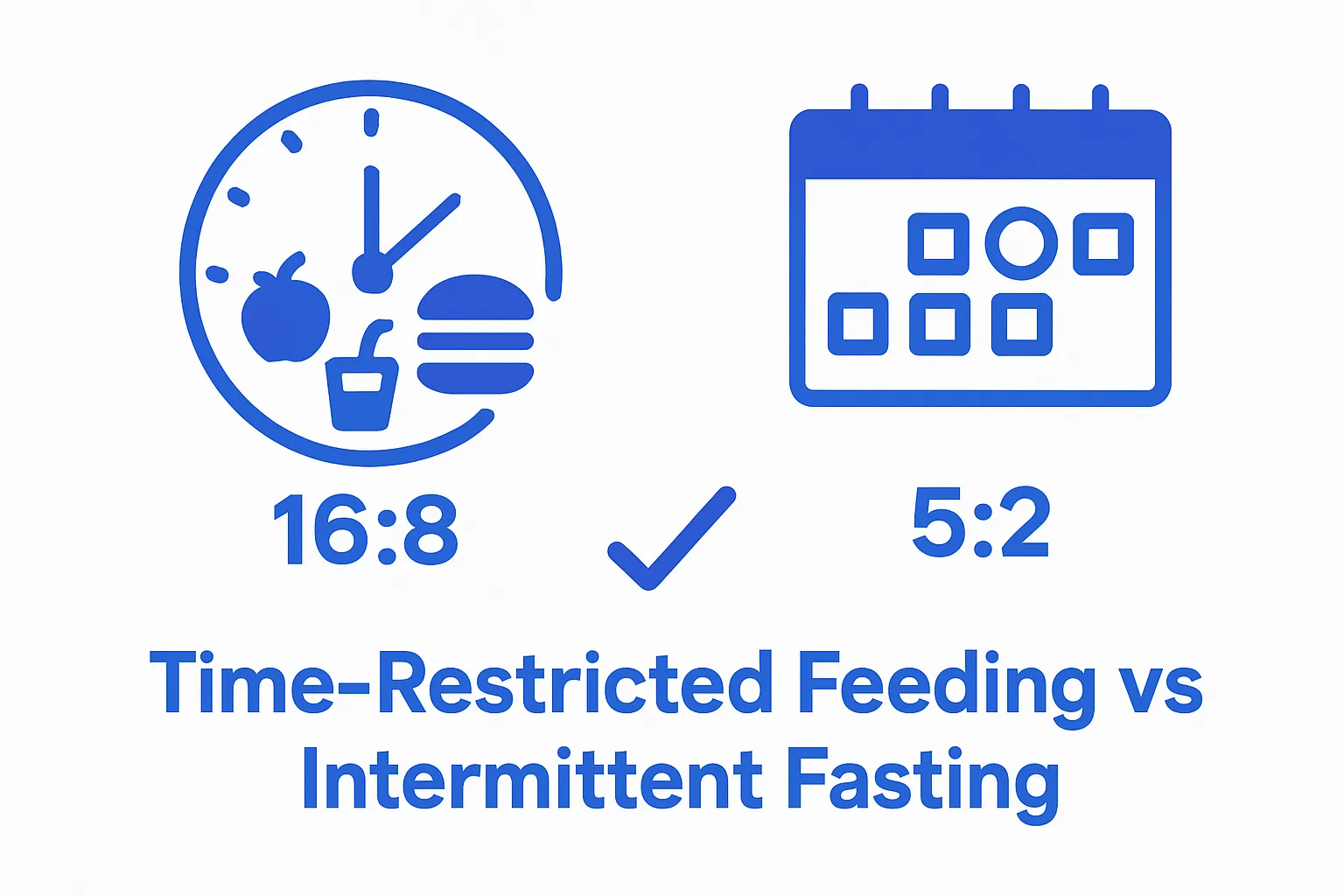
- 16:8 method (16 hours fasting, 8 hours eating)
- 14:10 method (14 hours fasting, 10 hours eating)
- Early time-restricted feeding (consuming meals earlier in the day)
Intermittent Fasting Variations
Intermittent fasting encompasses multiple strategies that manipulate eating windows to trigger metabolic adaptations.
Alternate-day fasting and 5:2 dietary approach are prominent methods where calorie intake is dramatically reduced or eliminated on specific days, potentially enhancing metabolic flexibility.
These strategies work by creating metabolic stress that encourages fat oxidation, insulin sensitivity improvement, and cellular repair processes.
To help readers compare popular meal timing strategies discussed in the article, the table below summarizes key features, fasting/eating windows, and associated metabolic benefits for each method.
| Strategy | Fasting/Eating Window | Description | Potential Metabolic Benefits |
|---|---|---|---|
| 16:8 Method | 16 hours fast / 8 hours eat | Eat only during an 8-hour daily window | May improve insulin sensitivity, support fat loss |
| 14:10 Method | 14 hours fast / 10 hours eat | Eat over a 10-hour window each day | Can enhance metabolic health, moderate restriction |
| Early Time-Restricted Feeding | Eating earlier in the day | Consume meals earlier, aligning with circadian rhythms | May boost metabolic efficiency and nutrient absorption |
| Alternate-Day Fasting | Fast every other day | Alternate between fasting and regular eating days | Enhances fat oxidation, increases metabolic flexibility |
| 5:2 Dietary Approach | 2 days/week restricted calories | Eat normally 5 days, restrict calories on 2 days | Encourages weight loss, may improve cellular repair processes |
The key is not just reducing calories but strategically timing nutrient intake to optimize the body’s natural metabolic responses.
How Meal Timing Affects Hunger and Satiety Signals?
Hunger and satiety represent complex neurohormonal processes that regulate food intake and energy balance.
Role of hunger and fullness cues provides essential insights into understanding these intricate biological mechanisms.
Hormonal Regulation of Appetite
Research from the National Institutes of Health reveals that meal timing significantly influences key appetite-regulating hormones like ghrelin and leptin.
Ghrelin, known as the “hunger hormone,” stimulates appetite, while leptin signals fullness and helps regulate energy expenditure.
Key hormonal interactions include:
- Circadian rhythm influences on hormone secretion
- Timing of meals relative to natural metabolic cycles
- Impact of meal frequency on hormonal balance
Neurological Mechanisms of Hunger Signaling
The hypothalamus plays a crucial role in integrating hunger and satiety signals.
Strategic meal timing can help synchronize these neurological pathways, potentially reducing excessive hunger and preventing overconsumption.
By aligning nutrient intake with the body’s natural metabolic rhythms, individuals can potentially improve their ability to recognize and respond to genuine hunger cues.

Understanding these complex interactions highlights the importance of not just what we eat, but when we eat, in managing weight and maintaining metabolic health.
The table below highlights the main hormones and neurological mechanisms involved in regulating hunger and fullness, as discussed in the context of meal timing’s impact on appetite signals.
| Mechanism | Role in Appetite Regulation | Influence of Meal Timing |
|---|---|---|
| Ghrelin | Stimulates hunger (“hunger hormone”) | Rises before mealtimes; misaligned timing can increase hunger |
| Leptin | Signals fullness, regulates energy expenditure | Secretion optimized by eating in line with circadian rhythms |
| Circadian Rhythms | Synchronize hormonal release | Eating at consistent times supports proper hormone cycles |
| Hypothalamus | Integrates hunger and satiety signals | Effective meal timing helps align neural hunger recognition |
Real-World Implications of Meal Timing on Weight Management
Meal timing transcends theoretical concepts, directly impacting daily lifestyle and metabolic health outcomes.
How consistent sleep schedules regulate appetite provides critical context for understanding practical weight management strategies.
Workplace and Lifestyle Challenges
Research from Johns Hopkins University demonstrates that irregular work schedules and modern lifestyle patterns can significantly disrupt natural metabolic rhythms.
Shift workers and individuals with unpredictable daily routines face unique challenges in maintaining consistent meal timing and metabolic efficiency.
Key lifestyle factors affecting meal timing include:
- Irregular work shifts disrupting natural eating patterns
- Stress and emotional eating triggered by inconsistent schedules
- Limited time for meal preparation and mindful eating
Personal Adaptation Strategies
Successful weight management requires personalized approaches that accommodate individual lifestyle constraints.
Strategic meal planning can help individuals synchronize their eating patterns with their unique daily rhythms, even within challenging environments.
This might involve preparing meals in advance, using portion-controlled containers, or adopting flexible eating windows that align with personal energy levels and work schedules.
Ultimately, understanding meal timing is about creating sustainable, adaptable strategies that support metabolic health while respecting the complexities of modern living.
Unlock Consistent Weight Loss with Smart Meal Timing
Are you struggling to see real results even while watching your calories?
The science is clear that when you eat can matter just as much as what you eat. Changing your meal schedule can help reduce cravings, balance your energy, and support healthy weight loss.
Our article has shown that aligning food intake with your body’s natural rhythms can reset your hunger cues and boost your metabolism for better results. If you feel stuck in old habits or overwhelmed by conflicting advice, the right resources can make all the difference.
Start making meal timing work for you today.
Explore our expert Meal Planning strategies or discover how Intermittent Fasting can fit your lifestyle for effective, sustainable changes.
Visit leanandfit.info and take the next step toward your healthiest self. Do not wait for another diet to let you down when the answer could be as simple as adjusting your timing. Take control now and feel the difference.
Frequently Asked Questions:
- Weekly Meal Planning Tips for Weight Loss Success – LeanAndFit
- 10 Easy Meal Prep Ideas for Weight Loss Success – LeanAndFit
- Why Trust LeanAndFit.info?
- For educational purposes only
- Meal Prep for Weight Loss: Simple Strategies and Recipes – LeanAndFit
- Top Healthy Weight Loss Tips for Lasting Results – LeanAndFit