

Everyone talks about eating less and exercising more to lose weight.
Yet over 80 percent of people who lose weight end up regaining it within five years.
Most advice misses the hidden mistakes that can wreck your progress.
The real blockers have less to do with willpower and more to do with what no one tells you about nutrition, sleep, and even your mental game.
Table of Contents
- What Are Common Weight Loss Mistakes?
- Why Weight Loss Mistakes Matter For Your Goals
- How Misunderstandings Affect Weight Loss Progress
- Key Concepts Behind Effective Weight Management
- Real-World Consequences Of Ignoring Weight Loss Mistakes
Quick Summary
| Takeaway | Explanation |
|---|---|
| Set Realistic Weight Loss Goals | Aim to lose 1-2 pounds a week for sustainable results and avoid disappointment. |
| Focus on Nutritional Quality | Prioritize balanced nutrition over just reducing calories to support your metabolism. |
| Recognize Holistic Lifestyle Factors | Address sleep, stress, and mental health as critical elements of successful weight loss. |
| Beware of Misinformation | Understand that metabolism is complex; avoid drastic calorie cuts that harm your body. |
| Learn from Weight Loss Mistakes | Use setbacks as learning opportunities to refine your approach and maintain motivation. |
What Are Common Weight Loss Mistakes?
Weight loss is a complex journey that involves more than just reducing calorie intake.
Many individuals encounter significant roadblocks that prevent them from achieving sustainable results.
Research from the Centers for Disease Control and Prevention suggests that understanding and avoiding common weight loss mistakes can dramatically improve long-term success.
Unrealistic Expectations and Goal Setting:
One of the most prevalent weight loss mistakes is establishing unrealistic expectations.
People often imagine rapid transformations, believing they can lose substantial weight in an extremely short period.
This approach frequently leads to disappointment and potential health risks.
Healthy weight loss requires patience and consistent effort.
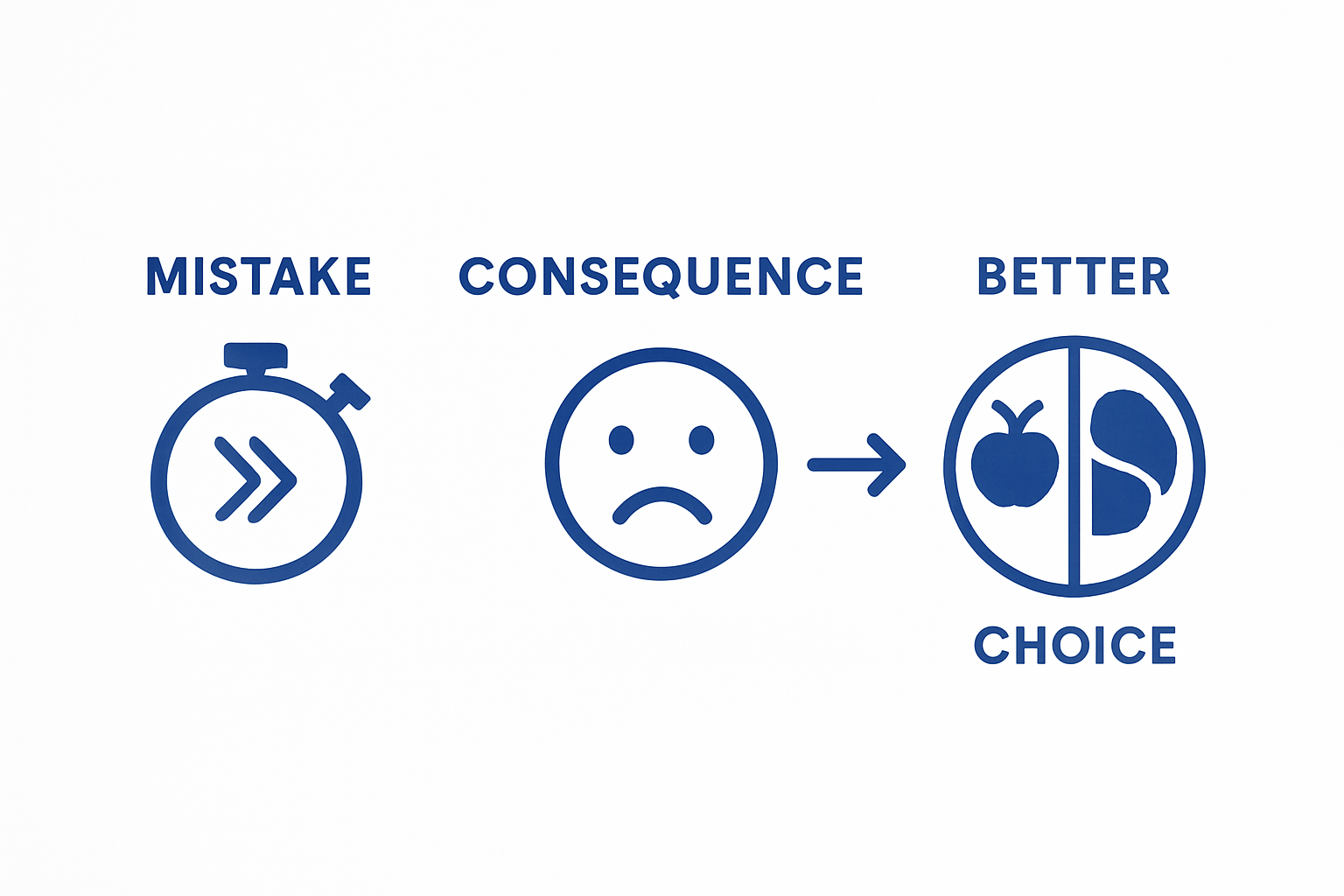
Key misconceptions include:
- Expecting to lose more than 1-2 pounds per week
- Believing in “miracle” solutions or overnight transformations
- Comparing personal progress to heavily edited social media representations
Ignoring Nutritional Balance:
Another critical mistake involves focusing solely on calorie reduction without considering nutritional quality.
Not all calories are equivalent, and drastically cutting food intake can actually hinder metabolic processes.
Balanced nutrition is crucial for sustainable weight management.
Common nutritional errors include:
- Skipping meals to reduce calorie intake
- Eliminating entire food groups
- Consuming processed “diet” foods with minimal nutritional value
Overlooking Holistic Lifestyle Factors:
Weight loss is not just about diet and exercise but encompasses a broader range of lifestyle elements.
Johns Hopkins Medicine emphasizes that successful weight management requires a comprehensive approach.
Factors like sleep quality, stress management, and mental health significantly impact weight loss efforts.
Individuals frequently underestimate the importance of:
- Consistent sleep patterns
- Stress reduction techniques
- Mental health support during weight loss journeys
Recognizing these common mistakes is the first step toward developing a more effective and sustainable weight loss strategy.
Below is a table that organizes the major categories of weight loss mistakes described in the article, along with examples and their underlying impact.
| Mistake Category | Examples | Underlying Impact |
|---|---|---|
| Unrealistic Expectations | Expecting rapid weight loss; believing in miracle fixes | Disappointment, frustration, increased risk of quitting |
| Ignoring Nutritional Balance | Skipping meals; eliminating food groups; processed foods | Impaired metabolism, nutritional deficiencies |
| Overlooking Holistic Lifestyle | Poor sleep habits; high stress; neglecting mental health | Stagnant progress, difficulty sustaining results |
| Metabolic Misconceptions | Thinking all calories are equal; ignoring metabolic shifts | Ineffective strategies, potential for weight regain |
| Psychological Factors | Negative self-talk; unrealistic timelines | Decreased motivation, poor self-image |
| Financial & Time Investment | Buying ineffective products; wasted effort | Resource drain, emotional exhaustion |
Why Weight Loss Mistakes Matter for Your Goals?
Weight loss mistakes are not just minor setbacks but significant obstacles that can derail entire health transformation journeys.
According to the National Heart, Lung, and Blood Institute, understanding the profound impact of these mistakes is crucial for developing sustainable and effective weight management strategies.
Psychological and Emotional Consequences:
Weight loss mistakes extend far beyond physical health, creating substantial psychological and emotional challenges.
When individuals encounter repeated failures, they often experience diminished self-confidence and increased likelihood of abandoning health goals.
The emotional toll of continuous disappointment can lead to a destructive cycle of negative self-perception and reduced motivation.
Psychological impacts include:
- Developing negative self-talk and reduced self-esteem
- Experiencing increased stress and potential anxiety
- Creating a harmful perception of personal capabilities
Long-Term Health Implications:
Incorrect weight loss approaches can have serious long-term health consequences.
Rapid or extreme dieting techniques can disrupt metabolic processes, potentially causing more harm than initial weight gain.
Repeatedly engaging in ineffective weight loss strategies can lead to metabolic adaptation, making future weight management increasingly difficult.
Potential health risks include:
- Potential muscle mass loss
- Metabolic rate reduction
- Increased risk of nutritional deficiencies
Financial and Time Investment:
Weight loss mistakes represent significant financial and temporal investments that yield minimal returns.
Unsuccessful attempts often involve purchasing specialized diets, equipment, or supplements that provide little sustainable benefit.
Recognizing and avoiding common mistakes can save substantial resources and emotional energy.
Resource-related challenges involve:
- Unnecessary spending on ineffective weight loss products
- Time wasted on unsustainable diet and exercise regimens
- Emotional and mental energy drain from repeated unsuccessful attempts
Ultimately, understanding why weight loss mistakes matter transforms them from obstacles into valuable learning opportunities for personal health transformation.
How Misunderstandings Affect Weight Loss Progress?
Misunderstandings about weight loss can transform well-intentioned efforts into counterproductive strategies that impede personal health goals.
Healthcare research reveals that widespread misinformation significantly undermines individuals’ weight management journeys.
Metabolic Misconceptions:
Many individuals harbor fundamental misunderstandings about metabolism and weight loss mechanisms.
Metabolism is not a simple, linear process that can be easily manipulated, but a complex biological system influenced by multiple factors.
People often believe that drastic calorie reduction automatically leads to weight loss, failing to recognize the body’s adaptive metabolic responses.
Common metabolic misconceptions include:
- Believing all calories are processed identically by the body
- Assuming metabolism remains constant regardless of dietary changes
- Thinking rapid weight loss indicates effective metabolic function
Nutritional Knowledge Gaps:
Nutritional misunderstandings can derail weight loss progress by promoting ineffective or potentially harmful dietary practices.
Nutrition is not about strict elimination but balanced, informed consumption.
Many individuals mistakenly view certain food groups as universally harmful or believe in extreme dietary approaches that lack scientific substantiation.
Significant nutritional misunderstandings involve:
- Equating low-calorie with healthy
- Overlooking the importance of macronutrient balance
- Misunderstanding portion control principles
Psychological Impact of Misinformation:
Misunderstandings extend beyond physical processes, profoundly affecting psychological approaches to weight loss.
When individuals operate under incorrect assumptions, they develop unrealistic expectations and potentially harmful self-perceptions. Misinformation creates cycles of frustration and diminished motivation.
Psychological consequences of weight loss misunderstandings include:
- Creating unrealistic timeline expectations
- Developing negative self-image based on incorrect information
- Experiencing repeated disappointment from ineffective strategies
Understanding and correcting these misunderstandings represents a critical step in developing sustainable, effective weight management approaches.
Key Concepts Behind Effective Weight Management
Weight management is a sophisticated process involving multiple interconnected biological, psychological, and environmental factors.
Harvard T.H. Chan School of Public Health emphasizes that successful weight management requires understanding complex interactions beyond simple calorie counting.
Metabolic Adaptability:
The human metabolism is a dynamic system that continuously adjusts to environmental and dietary changes.
Metabolic adaptability determines how efficiently the body processes nutrients and energy.
This concept challenges the simplistic view of weight loss as a straightforward mathematical equation of calories consumed versus calories burned.
Key aspects of metabolic adaptability include:
- Individual variations in metabolic rate
- Body’s capacity to adjust energy expenditure
- Hormonal influences on metabolic processes
Holistic Lifestyle Integration:
Effective weight management transcends diet and exercise, requiring a comprehensive approach to personal health.
Sustainable weight control involves synchronizing multiple lifestyle components.
This means recognizing that nutrition, physical activity, sleep, stress management, and mental health are interconnected elements of successful weight management.
Critical lifestyle integration factors encompass:
- Consistent sleep patterns
- Stress reduction techniques
- Balanced nutrition
- Regular physical activity
Environmental and Behavioral Influences:
External factors play a significant role in weight management that often goes unrecognized.
Individual choices are continuously shaped by environmental cues, social contexts, and learned behaviors.
Understanding these influences helps develop more nuanced and effective weight management strategies.
Significant environmental and behavioral considerations include:
- Impact of food accessibility
- Social and cultural eating patterns
- Psychological relationship with food
Recognizing these key concepts transforms weight management from a restrictive process to a holistic journey of personal health optimization.
Real-World Consequences of Ignoring Weight Loss Mistakes
Weight loss mistakes are not merely theoretical concepts but carry profound real-world implications that extend far beyond temporary setbacks.
Research in the journal Healthcare reveals that persistent misconceptions about weight management can trigger significant physiological and psychological consequences.
Metabolic Health Disruption
Ignoring fundamental weight loss principles can cause lasting metabolic damage.
The human metabolism is a delicate, adaptive system that responds dramatically to repeated nutritional stressors.
Frequent yo-yo dieting, extreme caloric restrictions, and unbalanced nutritional approaches can trigger long-term metabolic adaptations that make future weight management increasingly challenging.
Metabolic disruption consequences include:
- Decreased resting metabolic rate
- Increased insulin resistance
- Potential hormonal imbalances
Physical Health Deterioration
Weight loss mistakes can precipitate broader physical health complications.
Inappropriate dietary strategies compromise not just weight management but overall bodily functioning.
Consistent mismanagement of nutritional intake can lead to muscle mass reduction, nutritional deficiencies, and increased vulnerability to chronic health conditions.
Physical health risks encompass:
- Reduced muscle density
- Compromised immune system function
- Potential cardiovascular stress
Psychological and Emotional Impact:
Beyond physical health, persistent weight loss mistakes inflict substantial psychological wounds.
Repeated failures create complex emotional cycles of disappointment, reduced self-confidence, and potential development of unhealthy relationships with food and body image.
These psychological consequences can persist long after the initial weight loss attempts, creating intricate barriers to future health improvements.
Psychological consequences involve:
- Developing negative self-perception
- Increased risk of disordered eating patterns
- Chronic motivation challenges
Recognizing these real-world consequences transforms weight loss from a superficial goal to a comprehensive health optimization journey.
This table summarizes the real-world consequences of ignoring weight loss mistakes as described in the article, highlighting effects on metabolic, physical, and psychological health.
| Consequence Type | Specific Outcomes | Description |
|---|---|---|
| Metabolic Health Disruption | Decreased metabolic rate, insulin resistance, hormonal imbalances | Long-term metabolic damage and dysfunction |
| Physical Health Deterioration | Reduced muscle mass, weakened immunity, cardiovascular stress | Overall decline in bodily health and capabilities |
| Psychological/Emotional Impact | Negative self-perception, risk of disordered eating, motivation loss | Ongoing mental and emotional challenges |

Take Control and Stop Sabotaging Your Weight Loss Success
You have read the facts about how missed steps and common misunderstandings around diet, metabolism, and lifestyle can stop your weight loss efforts cold.
Struggling with unrealistic expectations, fad diets, and emotional ups-and-downs does not have to be your story.
If you feel frustrated by slow progress and want science-backed, natural ways to outsmart these setbacks, you deserve practical support and real answers.
Get instant access to tips, personal stories, and proven tools that simplify healthy living at leanandfit.info. Explore actionable strategies for balanced nutrition, lasting motivation, and lifestyle changes that actually work.
Start your smarter weight loss journey right now by visiting our main site or browse solutions like easy smoothie recipes for fat loss and clear guides on avoiding dieting pitfalls.
Your transformation starts with one step today.
Frequently Asked Questions:
This FAQ is all about uncovering the small, often unnoticed mistakes that quietly slow down your weight loss journey.
Instead of blaming willpower, it focuses on habits, patterns, and everyday choices that actually make a difference.
Think of it as a friendly reality check that helps you work smarter, not harder.
Q-1: Why does “eating healthy” sometimes still lead to weight gain?
A-1: Because “healthy” doesn’t always mean “low-calorie.” Foods like nuts, smoothies, granola, and even salads with heavy dressings can pack a surprising calorie punch.
Many people unknowingly eat large portions of healthy foods, assuming they’re safe. The truth is, weight loss depends on overall calorie balance. So while healthy foods are great for your body, portion control still matters.
It is not about avoiding these foods—it’s about being mindful of how much you’re consuming.
Q-2: Can trying too many diets actually slow down weight loss?
A-2: Yes, constantly switching diets can confuse both your body and your routine. Each diet comes with its own rules, and jumping from one to another often leads to inconsistency.
Your body doesn’t get enough time to adapt, and mentally, it becomes exhausting. This “diet hopping” can also lead to cycles of losing and regaining weight.
A simple, balanced approach followed consistently usually works better than chasing the latest trend every few weeks.
Q-3: Why does skipping meals sometimes backfire?
A-3: Skipping meals might seem like a shortcut to cutting calories, but it often leads to intense hunger later. When that happens, you’re more likely to overeat or make poor food choices.
Your body may also slow down its metabolism slightly as a protective response. Instead of skipping meals, spacing them out and keeping them balanced helps maintain energy levels and prevents overeating.
Q-4: Is relying only on exercise a common mistake?
A-4: Absolutely. Many people believe they can “out-exercise” a poor diet, but that’s rarely effective.
Exercise is important for fitness, strength, and overall health, but weight loss is heavily influenced by what you eat. Burning calories through workouts takes time and effort, while consuming them can happen in minutes.
The best results come from combining both—smart eating and regular activity.
Q-5: Why do liquid calories go unnoticed so easily?
A-5: Drinks don’t feel as filling as solid food, which makes them easy to overlook. Sugary beverages, fancy coffees, juices, and even “healthy” smoothies can add hundreds of calories without making you feel full.
Because of this, people often don’t count them as part of their daily intake. Switching to water, black coffee, or low-calorie drinks can make a noticeable difference without feeling like a major sacrifice.
Q-6: Can being “too strict” actually ruin progress?
A-6: Yes, extreme restriction often leads to burnout.
When you cut out all your favorite foods or follow overly rigid rules, it becomes hard to sustain. Eventually, frustration builds up, and you may end up overeating or quitting altogether.
A more flexible approach—where you allow occasional treats in moderation—helps you stay consistent in the long run. Weight loss isn’t about perfection; it is about balance.
Q-7: Why does not tracking progress properly become a mistake?
A-7: Many people rely only on the weighing scale, but that doesn’t tell the full story. Weight can fluctuate due to water retention, hormones, or even the time of day.
Without tracking other factors like measurements, energy levels, or how clothes fit, it is easy to feel discouraged.
A broader view of progress helps you stay motivated and see improvements that the scale might miss.
Q-8: Is eating too quickly affecting weight loss?
A-8: Surprisingly, yes. Eating fast doesn’t give your brain enough time to register fullness. This often leads to overeating before you even realize you’re satisfied.
Slowing down, chewing properly, and being present during meals can help you naturally eat less. It’s a simple habit, but it can make a big difference over time.
Q-9: Why does poor sleep sabotage weight loss efforts?
A-9: Lack of sleep affects hormones that control hunger and cravings. When you’re sleep-deprived, your body tends to crave high-calorie, sugary foods for quick energy. It also reduces motivation to stay active.
Over time, this creates a cycle that makes weight loss harder. Getting enough quality sleep is just as important as diet and exercise when it comes to managing weight.
Q-10: Can expecting quick results be the biggest mistake of all?
A-10: Definitely. Unrealistic expectations often lead to disappointment and quitting too soon. Healthy weight loss takes time, and progress isn’t always linear.
Some weeks you’ll see changes, and other weeks you won’t—and that’s normal. Focusing only on rapid results can make you overlook the positive habits you’re building.
The real success lies in consistency and long-term change, not quick fixes.
Recommended
- How Leptin Resistance is Ruining Your Weight Loss Efforts? – LeanAndFit
- How Obesity Increases LDL Cholesterol Levels? – LeanAndFit
- For educational purposes only
- Why Trust LeanAndFit.info?
- How Hypothyroidism Slows Down Metabolism Leading to Weight Gain? – LeanAndFit
- 10 Delicious Weight Loss Smoothie Recipes for Healthy Results – LeanAndFit