If you zoom into rural America’s health map, places like Grant County, Arkansas stand out—and not for the best reasons.
With around 73% of adults classified as overweight or obese and nearly 45% of students affected, the numbers paint a serious picture.
But statistics alone don’t tell the whole story. Obesity here isn’t driven by one single factor—it is the result of overlapping lifestyle, environmental, economic, and cultural patterns.
Across Arkansas, nearly 39% of adults are obese, placing the state among the highest in the nation.
This article by leanandfit.info breaks down the core causes behind high obesity rates in Grant County, using data-driven insights.
No fluff, no solutions—just a clear, conversational look at what is really going on.
Points Covered in this Article
- Why is obesity so high in rural Arkansas counties like Grant County?
- How does poverty contribute to obesity in Grant County Arkansas?
- What role does limited access to healthy food play in Grant County obesity?
- How does sedentary lifestyle increase obesity rates in rural Arkansas?
- Why does lack of healthcare access affect obesity in Grant County?
- How does childhood obesity contribute to adult obesity in Arkansas?
- What impact does education level have on obesity rates in Grant County?
- How do cultural food habits increase obesity in southern Arkansas?
- Why does car dependency lead to higher obesity in Grant County Arkansas?
- How does chronic disease prevalence reinforce obesity trends in Arkansas?
- FAQs on Obesity Rates in Grant County
- Conclusive Analysis
Why is Obesity so High in Rural Arkansas Counties like Grant County?
Rural geography plays a defining role in shaping obesity trends in Grant County, Arkansas, where nearly 73% of adults are classified as overweight or obese, aligning with broader rural patterns across the state.
In many rural Arkansas counties, obesity rates frequently exceed 45%, highlighting a consistent gap compared to urban populations.
Long travel distances between homes, workplaces, and grocery stores reduce opportunities for daily movement.
Unlike urban areas with sidewalks and public transit, residents here rely heavily on vehicles—even for short trips.
This directly ties into the rising concern around why rural areas in Arkansas have higher obesity rates, as daily physical activity becomes minimal.
Limited recreational infrastructure adds another layer. With fewer parks, gyms, and fitness facilities, structured exercise options are scarce.
Lower population density also means fewer community health initiatives or group-based physical activities.
Together, these factors create an environment where sedentary routines are normalized, gradually increasing the likelihood of weight gain over time.
How does Poverty Contribute to Obesity in Grant County Arkansas?
Rural geography plays a major role in shaping obesity trends in Grant County, Arkansas, where nearly 73% of adults are overweight or obese, and about 37–38% fall into the obese category alone, showing a significant population-level imbalance.
Long travel distances between homes, workplaces, and stores limit everyday physical activity.
Most residents depend on cars for even short trips, reducing opportunities for walking or movement.
This connects closely with rising searches like why rural counties in Arkansas have higher obesity rates, reflecting how geography influences lifestyle.
Infrastructure limitations further contribute to the problem. Grant County has relatively few recreational facilities, and access to organized fitness spaces remains limited.
Lower population density also results in fewer community-based health or activity programs, reducing social engagement in active living.
Altogether, these factors create an environment where sedentary routines become the norm.
With reduced daily movement and limited opportunities for physical activity, the likelihood of gradual weight gain increases significantly across the county.
What Role does Limited Access to Healthy Food Play in Grant County Obesity?
Limited access to healthy food plays a critical role in obesity trends in Grant County, Arkansas, where nearly 73% of adults are overweight or obese, including about 37–38% classified as obese.
Food access gaps are common in rural settings, shaping daily dietary habits.
In Grant County, a significant portion of residents live in areas with limited proximity to full-service grocery stores, increasing reliance on convenience stores and fast-food outlets.
These sources typically offer calorie-dense foods high in sugar, sodium, and unhealthy fats.
This aligns with growing searches like food deserts impact on obesity in rural Arkansas, reflecting how location influences nutrition.
Distance further complicates food choices. When grocery stores are several miles away, frequent access to fresh fruits, vegetables, and lean proteins becomes difficult.
As a result, many households depend on processed, shelf-stable foods that are more accessible but nutritionally poor.
This pattern creates a consistent imbalance in diet quality, where high-calorie intake outweighs nutritional value, significantly contributing to rising obesity rates across the county.
How does Sedentary Lifestyle Increase Obesity Rates in Rural Arkansas?
Despite the common belief that rural life is physically demanding, lifestyle patterns in Grant County, Arkansas reveal a different reality.
With nearly 73% of adults overweight or obese and around 37–38% classified as obese, reduced physical activity is a key contributor to this imbalance.
Many modern jobs in the county involve prolonged sitting—whether in offices, vehicles, or mechanized agricultural roles.
This shift away from manual labor significantly lowers daily energy expenditure.
The trend aligns with increasing searches like sedentary lifestyle effects on obesity in rural communities, highlighting how inactivity drives weight gain.
Outside of work, screen time dominates leisure hours. Residents often spend time watching TV or using smartphones, further reducing movement.
Unlike urban environments where walking is integrated into daily routines, rural residents rely heavily on driving, limiting incidental exercise.
This consistent imbalance between calorie intake and physical activity creates ideal conditions for gradual weight gain.
Over time, these sedentary habits become normalized, reinforcing higher obesity rates across Grant County’s population.
Why does Lack of Healthcare Access affect Obesity in Grant County?
Limited healthcare access is a significant factor influencing obesity in Grant County, Arkansas, where nearly 73% of adults are overweight or obese, including about 37–38% classified as obese.
Rural healthcare gaps make consistent medical support difficult for many residents.
Fewer clinics, longer travel distances, and provider shortages reduce access to routine care.
In many parts of the county, residents must travel considerable distances for basic health services, increasing the likelihood of skipped appointments.
This pattern aligns with growing interest in impact of limited healthcare access on obesity in rural Arkansas, reflecting how care gaps influence long-term health.
Preventive services such as regular check-ups, nutritional counseling, and early screenings are often missed.
Without early intervention, gradual weight gain goes unmanaged and unnoticed. Cost barriers further complicate access, as affordability limits consistent engagement with healthcare providers.
Over time, this lack of continuous medical guidance allows obesity and related health conditions to progress unchecked, reinforcing higher prevalence rates across the county population.
How does Childhood Obesity Contribute to Adult Obesity in Arkansas?
Childhood obesity plays a critical role in shaping long-term health trends in Grant County, Arkansas, where nearly 45% of school-aged children are overweight or obese, closely mirroring the adult figure of 73% overweight or obese, including about 37–38% classified as obese.
This shows how early the pattern begins.
Children exposed to high-calorie diets and low physical activity are more likely to carry these habits into adulthood.
This aligns with rising searches like how childhood obesity leads to adult obesity in rural areas, highlighting the long-term behavioral impact.
Once established, these routines become deeply ingrained and harder to reverse over time.
Early weight gain also affects metabolism, reduces physical fitness levels, and can influence self-confidence, all of which contribute to sustained health risks.
In Grant County, this creates a generational cycle where lifestyle patterns—rather than genetics alone—drive obesity.
As children grow into adults with similar habits, the cycle repeats, reinforcing consistently high obesity rates across the community.
What Impact does Education Level have on Obesity Rates in Grant County?
Education plays an indirect yet powerful role in obesity trends in Grant County, Arkansas, where nearly 73% of adults are overweight or obese, including about 37–38% classified as obese.
Educational attainment influences both awareness and lifestyle choices.
In the county, a notable share of adults have only a high school diploma or less, which can limit understanding of nutrition, calorie balance, and long-term health risks.
This connects with rising searches like how low education levels affect obesity in rural communities, highlighting the link between knowledge gaps and health outcomes.
Limited education often leads to lower-paying jobs, which reduces access to healthier food options, fitness facilities, and preventive healthcare.
This creates a dual challenge—restricted knowledge and limited resources.
As a result, individuals may rely more on processed foods and maintain lower activity levels, not always fully understanding the long-term impact.
In Grant County, these education-related gaps in health literacy make it harder for residents to make informed dietary and lifestyle decisions, reinforcing consistently high obesity rates across the population.
How do Cultural Food Habits Increase Obesity in Southern Arkansas?
Cultural food traditions significantly influence obesity trends in Grant County, Arkansas, where about 73% of adults are overweight or obese, with roughly 37–38% classified as obese, reflecting deeply ingrained dietary patterns.
In southern Arkansas, meals commonly feature fried foods, processed meats, sugary drinks, and high-fat comfort dishes.
These foods are not only traditional but widely accepted as everyday staples, normalizing high-calorie consumption.
Portion sizes are also larger than recommended, further increasing daily calorie intake.
This aligns with trending searches like how southern food culture contributes to obesity in rural Arkansas, highlighting the connection between regional dietary habits and weight gain.
Meals often prioritize taste and tradition over nutritional balance, creating consistent patterns of overconsumption.
Over time, these habits produce a sustained calorie surplus, contributing directly to rising obesity rates.
In Grant County, cultural preferences and meal structures reinforce unhealthy eating behaviors, making it harder for residents to maintain a balanced diet.
This normalization of calorie-dense foods plays a major role in the county’s persistently high obesity levels.
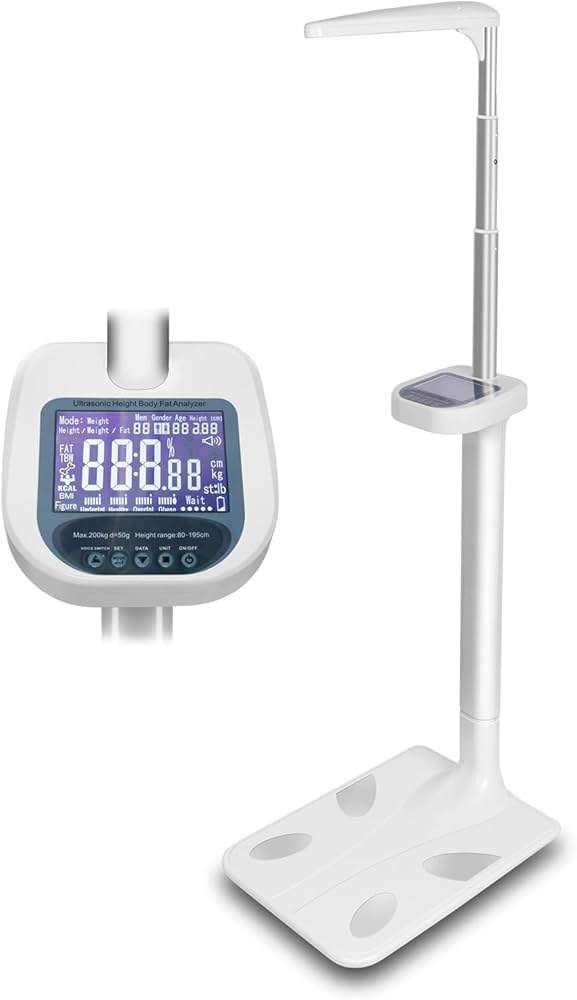
Why does Car Dependency lead to Higher Obesity in Grant County Arkansas?
Transportation habits play a major role in obesity trends in Grant County, Arkansas, where nearly 73% of adults are overweight or obese, including about 37–38% classified as obese.
Daily movement is severely limited by car dependency, which dominates most routines in the county.
Walking for weight loss or cycling is rarely feasible due to long distances between homes, workplaces, and stores, combined with limited sidewalks and safety concerns.
Even short errands typically require driving, eliminating incidental physical activity.
This connects with trending searches like impact of car dependency on obesity in rural Arkansas, highlighting how transportation patterns directly affect health outcomes.
In urban areas, small daily movements—walking to transit stops or stores—add significant activity, but these opportunities are scarce in rural settings.
As a result, residents accumulate far fewer calories burned through routine movement.
This reliance on vehicles reduces daily energy expenditure, reinforcing sedentary habits.
Over time, minimal physical activity combined with high-calorie diets contributes directly to the persistently high obesity rates seen across Grant County.
How does Chronic Disease Prevalence Reinforce Obesity Trends in Arkansas?
Chronic diseases and obesity are closely interconnected in Grant County, Arkansas, where nearly 73% of adults are overweight or obese, including about 37–38% classified as obese.
Around 15% of adults in the county live with diabetes, a condition strongly linked to excess weight, while heart disease and hypertension also affect significant portions of the population.
These health issues limit physical activity, making it harder for residents to burn calories and maintain a healthy weight.
Reduced mobility combined with high-calorie diets creates a feedback loop, where obesity contributes to disease, and disease further reinforces weight gain.
This pattern aligns with trending searches like how chronic disease reinforces obesity in rural Arkansas, highlighting the cyclical nature of health challenges in rural communities.
Over time, this interplay between obesity and chronic illness becomes self-perpetuating.
In Grant County, the combination of limited physical activity, high disease prevalence, and persistent weight gain drives consistently high obesity rates.
Breaking this cycle is particularly challenging because lifestyle habits, environmental factors, and health conditions all reinforce one another.
FAQs on Obesity Rates in Grant County, Arkansas
A quick look at the top 10 burning queries on oebsity for Grant County along with their answers:
Q‑1: Why are why rural obesity rates are rising in Arkansas such a common search topic for Grant County?
A‑1: Obesity disproportionately affects rural areas like Grant County, where nearly 73% of adults are overweight or obese, and roughly 37–38% meet clinical obesity criteria. Rural lifestyles, long distances between destinations, and limited activity options all contribute to these high rates.
Q‑2: What does food access challenges and obesity in rural Arkansas mean for Grant County?
A‑2: Many residents live far from full-service grocery stores, relying on convenience stores and fast food. These calorie-dense, low-nutrient foods make balanced diets difficult and directly contribute to high obesity levels.
Q‑3: How does impact of limited healthcare access on obesity in rural counties apply here?
A‑3: Limited local healthcare, fewer clinics, and long travel distances reduce access to preventive care, screenings, and nutrition guidance. Without consistent medical support, obesity and related health conditions often go unmanaged.
Q‑4: Why is childhood obesity trends in Arkansas schools relevant to Grant County?
A‑4: About 45% of children in Grant County are overweight or obese, reflecting early patterns that often carry into adulthood, fueling long-term obesity trends.
Q‑5: What role does economic hardship and obesity prevalence in rural communities play locally?
A‑5: Lower incomes limit access to healthier foods and fitness options, encouraging reliance on cheaper, high-calorie foods that drive weight gain.
Q‑6: How does physical inactivity and obesity in Grant County Arkansas connect to local data?
A‑6: Approximately 29% of adults in the county are physically inactive, with sedentary jobs and limited recreational facilities amplifying the risk of obesity.
Q‑7: What do Arkansas obesity statistics by county show for Grant County?
A‑7: With 73% of adults overweight or obese and 37–38% obese, Grant County ranks higher than many urban areas, reflecting typical rural obesity patterns.
Q‑8: How do role of cultural food habits in Arkansas obesity influence local diets?
A‑8: Traditional Southern meals with fried foods, sugary drinks, and high-fat comfort foods normalize high-calorie intake, reinforcing unhealthy eating behaviors.
Q‑9: Why are people researching why rural adults in Arkansas struggle with weight?
A‑9: Limited food access, low physical activity, economic challenges, and healthcare gaps combine to make weight management difficult, explaining persistently high obesity rates.
Q‑10: What does how transportation patterns affect obesity in rural Arkansas tell us about the county?
A‑10: Heavy reliance on cars reduces daily movement, with few opportunities for walking or cycling, further increasing the likelihood of weight gain.
Conclusive Analysis
Obesity in Grant County, Arkansas is not the result of a single cause—it is a complex mix of rural lifestyle patterns, economic challenges, limited food access, cultural habits, and systemic gaps in healthcare and education.
With nearly three out of four adults affected and almost half of children already impacted, the issue is deeply rooted in the community.
What makes the situation particularly striking is how these factors interact.
Poverty influences food choices, geography limits physical activity, education affects awareness, and chronic diseases create long-term barriers to maintaining a healthy weight.
Meanwhile, childhood obesity ensures that these patterns continue into future generations.
The data clearly shows that obesity in Grant County is shaped by environment and circumstance as much as individual behavior.
As these contributing factors remain consistent over time, they continue to reinforce one another—making high obesity rates a persistent and deeply embedded challenge in the region.
Recommended:
- https://leanandfit.info/why-obesity-rates-are-so-high-in-little-rock-pulaski-central-arkansas/
- https://leanandfit.info/why-obesity-rates-are-high-in-north-little-rock-pulaski-county-arkansas-key-causes-and-local-health-risks/
- https://leanandfit.info/why-obesity-rates-are-high-in-conway-faulkner-county-arkansas/
- https://leanandfit.info/why-obesity-rates-are-high-in-saline-county-arkansas/
- https://leanandfit.info/why-are-obesity-rates-high-in-lonoke-county-arkansas/
- https://leanandfit.info/why-obesity-rates-are-so-high-in-perry-county-arkansas/
- https://www.usnews.com/news/healthiest-communities/arkansas/grant-county
- https://news.uark.edu/articles/80493/new-survey-shows-obesity-rates-exceed-45-in-rural-arkansas
- why trust leanandfit.info?
- for educational purpose only
Leave a Reply