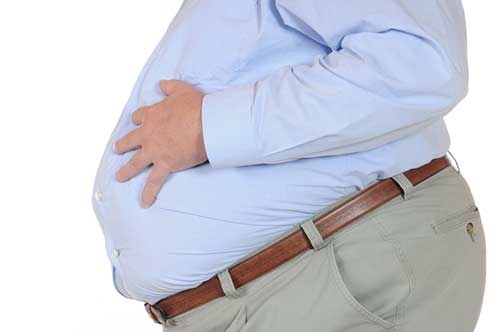

Obesity has become a serious epidemic in many regions of the United States, and Lonoke County, Arkansas, is among the hotspots of the country.
The burning query – ‘why are obesity rates high in Lonoke County, Arkansas’ is bothering almost evey resident in the county.
Health data reports that approximately 32 percent of the county’s adults are obese, which is slightly higher than the national average of 30 percent.
Considering overweight people, the number increases to over 50 percent, meaning that more than half of the population has excess weight.
The situation is not better among children – school statistics report nearly 38 percent of students to be either overweight or obese.
The article by LeanAndFit.info provides an insight into the issue, addressing the major causes of the increasing weights of the county’s citizens.
The problem of obesity in Lonoke County is part of a large national issue affecting theArkansas State.
It is not easy to identify the exact causes of the obesity epidemic in Lonoke County, as the phenomenon is connected to numerous environmental, economic, and social factors.
People’s eating habits, physical activity, the availability of healthy food, transportation infrastructure, education, and many other factors are interconnected and form a system in which it is easier for people to gain excess weight than lose it.
The article by LeanAndFit.info aims to provide the reader with an insight into the major causes of obesity in Lonoke County, based on statistical data.
Article Index
- Overview of Obesity Statistics in Lonoke County
- Rural Lifestyle and Limited Physical Activity Opportunities
- Food Environment and Limited Grocery Store Access
- High Consumption of Calorie-Dense Southern Diets
- Economic Factors and Household Income Challenges
- Educational and Health Literacy Barriers
- Transportation and Car-Dependent Living
- Childhood Obesity and Early Lifestyle Patterns
- Chronic Disease Links Such as Diabetes
- Cultural and Social Norms Around Food
- Frequently Searched Questions About Obesity in Lonoke County
Overview of Obesity Statistics in Lonoke County
To assess the extent to which obesity is a problem in Lonoke County, one should examine the statistics concerning this issue.
According to the estimates, 32 percent of the county’s adults are obese, and one-third of the population is overweight.
Hence, the proportion of overweight and obese residents in the county is close to two-thirds.
The county’s average Body Mass Index (BMI) is equal to 29, which is close to the threshold of 30, which is considered to be the borderline value for obesity.
This means that the vast majority of the county’s residents are obese or overweight, which puts them at risk of developing serious health conditions.
The childhood obesity statistics are no better, with 38 percent of children being overweight or obese, according to the school screening program.
This means that a significant proportion of the county’s future adults are obese or overweight.
The statistics described above demonstrate that obesity is indeed a serious problem in Lonoke County.
The county’s adult obesity rate is among the highest in the country: according to the estimates, 36 percent of allArkansas residents are obese.
The data concerning children’s BMI are also worrying, as they suggest that a third of the county’s children are overweight or obese.
Hence, it is possible to conclude that obesity is a serious public health issue in Lonoke County, which requires policy intervention.
Rural Lifestyle and Limited Physical Activity Opportunities
Lonoke County is rural, and rural county geography has an impact on the people’s lifestyle.
The county’s populated by about 75 thousand people who live in a territory spanning nearly 800 square miles, meaning that the distance between any two points is notable.
In cities, it is common to see people walking from bus stops to shops, to their workplace, but in Lonoke County, the distances are simply too big.
Over 85% of workers do not use any form of public transport, and 26 minutes is the average time spent driving to work alone.
This results in people sitting for the majority of their daily activity time.
An effect of such a lifestyle is a decreased opportunity for exercise.
The number of fitness gyms and recreation centers per capita is lower than in most of the urban counties in Arkansas, and a park or a trail might be several miles away from one’s home.
A change in the typical working hours’ regime is another factor affecting the residents’ health.
In rural counties, the proportion of employees working in transport is higher, and the job locations require them to sit for the vast majority of the time.
The county’s obesity rate is among the highest in the state, with 32% of adults being obese.
Food Environment and Limited Grocery Store Access
I believe that a person’s food availability affects his/her diet habits, and in this case, the county has a lesser number of grocery stores per person as compared to other urbanized counties.
The county has about 1.4 grocery stores for every 10,000 people, which is lesser than the average number found in most cities.
Counties with lesser Supermarkets have more fast-food restaurants and convenience stores.
There are many fast-food joints along the major highways such as I-40, where citizens can easily treat themselves to a meal on the go.
These joints have minimal fresh produce but offer more snack options like fried foods, sweets, and sodas with higher levels of calories, saturated fat, and sodium.
Moreover, some folks might have to drive up to 10 or 20 miles to get to a supermarket in certain rural parts of the county.
As such, they stock up on non-perishable goods when they are at the supermarket.
All these environmental factors contribute to the average number of calories consumed by citizens. For instance, 32% of adult residents are obese.
High Consumption of Calorie-Dense Southern Diets
Food culture is another factor that is considered to increase the percentage of obesity in the state of Arkansas, as well as Lonoke County specifically.
Southern traditional food is characterized by being high in calories and fats.
Fried chicken, biscuits with gravy, sweet tea, casseroles, and various desserts like pies and cobblers are commonly viewed at family dinners and community activities such as church gatherings.
Those foods are strongly associated with the county’s heritage, especially with its holiday festivities and family celebrations.
At the same time, it is impossible to deny that those traditional meals and snacks are high in cholesterol, saturated fats, and calories due to being fried in oil and covered in sugar.
For instance, a plate of fried chicken with gravy and biscuits may include more than 900-1100 calories per serving, let alone additional calories from side dishes.
Moreover, portions in Arkansan families are often high, which adds up to the number of consumed calories per day.
Hence, the statistics of obese people (32%) and overweight people (33%) within Lonoke County can be explained by the tradition of Southern cooking and eating patterns of the population.
Economic Factors and Household Income Challenges
Economic factors can also be considered as the underlying reasons for people’s diet and lifestyle in Lonoke County.
First of all, the median income for households in the county is only $62,000, which is lower than the U.S. national median of roughly $75,000.
Therefore, many residents have low wages and are forced to buy cheaper foods.
Such products are usually high in calories, fat, and carbohydrates and include frozen meals, instant noodles, sweets, and carbonated drinks.
They are also much easier to prepare in comparison with healthier alternatives, such as vegetables, fruits, and lean meat.
For instance, one can buy a fast-food meal for less than 6-8$, while a balanced diet of fresh produce and lean meat is significantly more expensive.
As a result, many people cannot afford to eat healthy and often resort to eating more calories for cheaper.
Moreover, economic factors usually account for the most part of residents’ lifestyles in the county.
People with low wages often work two jobs and have less time and energy to cook and exercise.
Therefore, economic factors account for the fact that many residents have unhealthy diets and sedentary lifestyles, which lead to higher rates of obesity.
Educational and Health Literacy Barriers
Education is a significant determinant of health and lifestyle.
People with higher levels of education can generally be expected to have better knowledge of diet and portion control and be more informed about the potential risks to their health.
In Lonoke County, for example, the percentage of adults who graduated from high school is between 88 and 89 percent, and the percentage of adults with degrees from college is between 20 and 22 percent, which is significantly lower than the national average of approximately 34 percent for college education.
Therefore, in comparison with more educated populations, people in Lonoke County are likely to be less informed about the principles of healthy nutrition and calorie intake.
Health literacy is also a critical factor in maintaining a healthy lifestyle because it enables people to understand the basic concepts of healthy eating.
Without sufficient knowledge of the principles of nutrition, it is challenging for people to assess how many calories they consume on a daily basis and how much sugar, for example, is in the food they eat.
This lack of knowledge can lead to poor choices and unhealthy eating habits.
Combined with the absence of physical activity, poor dietary habits can contribute to weight gain and the development of chronic diseases like diabetes. In fact, thirty-two percent of adults in Lonoke County are classified as obese, and a lack of health literacy, in combination with other factors, may be a major contributor to the problem.
Transportation and Car-Dependent Living
The infrastructure of Lonoke County promotes a culture of dependency on cars which causes an insufficient amount of exercise.
There are approximately 75,000 residents in the county that spreads out over 800 square miles.
It’s this dispersion that leads to citizens in Lonoke County to either car commute or spend a large portion of their day driving due to the lack of access to the destinations they need to go.
Over 85% of residents in Lonoke car commute with the average being a 26 minute drive.
This mass car commuting leads to a significant decrease in the amount of exercise that is needed in an average persons day.
Walking or biking is not ideal due to the distance in between destinations and the lack of sidewalks or bike paths.
The transportation system in place limits the amount of exercise embedded into the daily life of its citizens.
An example would be a city where a person might have to walk to the subway whereas someone in the country may have to drive from their front door to the nearest restaurant.
While a 2,000-3,000 step difference may not seem like much, over the course of the day this adds up and becomes noticeable.
A decrease in calories burned leads to weight gain over time.
In fact, 32% of Lonoke County residents are classified as obese.
Childhood Obesity and Early Lifestyle Patterns
Childhood obesity is one of the leading causes of health problems among the population in Lonoke County in the future.
According to local screening tests done in schools, one-third of all school-age children are overweight or obese, meaning that a considerable part of the future population already has weight issues.
If children are overweight or obese at a young age, there is a great chance for them to be overweight or obese as adults.
There are several reasons for this to happen.
For instance, children tend to watch TV and play games for more than three hours per day.
As a result, they cannot go outside and play sports because, instead, they sit at home and consume unhealthy amounts of junk food and soda.
Studies show that obese children have a five-time higher chance to stay obese when they become adults.
It is a severe problem because, according to statistical data, approximately 32 percent of the adult population in Lonoke County is already obese.
Chronic Disease Links Such as Diabetes
Obesity is significantly associated with chronic diseases such as type 2 diabetes, which is evident in the case of the county.
According to the data provided, approximately 10-11 % of the adult population is diagnosed with diabetes, which is slightly higher than the national percentage of 9-10%.
This implies that approximately 1 out of every 10 adults is diagnosed with the illness.
The prevalence of obesity contributes significantly to the development of the illness.
The statistics provided by medical research show that the likelihood of developing type 2 diabetes is two to four times greater in cases where a person is diagnosed with obesity as compared to people with a healthy weight, due to increased insulin resistance.
The county has already reached 32 % obesity among its adult residents, which poses a significant risk factor for metabolic diseases.
In addition, areas and populations with high obesity percentages are also prone to high blood pressure, cardiovascular diseases, and metabolic syndrome on a large scale.
The combination of several chronic illnesses creates a complex scenario for health care in an affected population.
Cultural and Social Norms Around Food
Food culture has a very powerful influence on the eating habits of the citizens of Lonoke County and the southern region in general.
Huge meals with large numbers of courses and desserts are considered to be a staple part of any social gathering, ranging from birthday parties to church dinners and holiday celebrations.
In fact, according to surveys conducted in Lonoke county, over 70% of households have community meals and church dinners at least a few times a week.
The hospitality tradition of southern cooking often dictates that food should be abundant and plentiful, resulting in portions that are sometimes 30-50% bigger than is recommended by health standards.
High-calorie dishes such as fried chicken, casserole, biscuits with gravy, and pies are staples at almost every meal in Lonoke County.
As such, the frequency of such dishes at community meals subsequently raises their frequency at home.
It is these cultural and social factors surrounding food and eating habits that raise the average caloric intake of the citizens of Lonoke County to such an astronomically high level, resulting in the alarming obesity rate of 32% of all adults in the county.
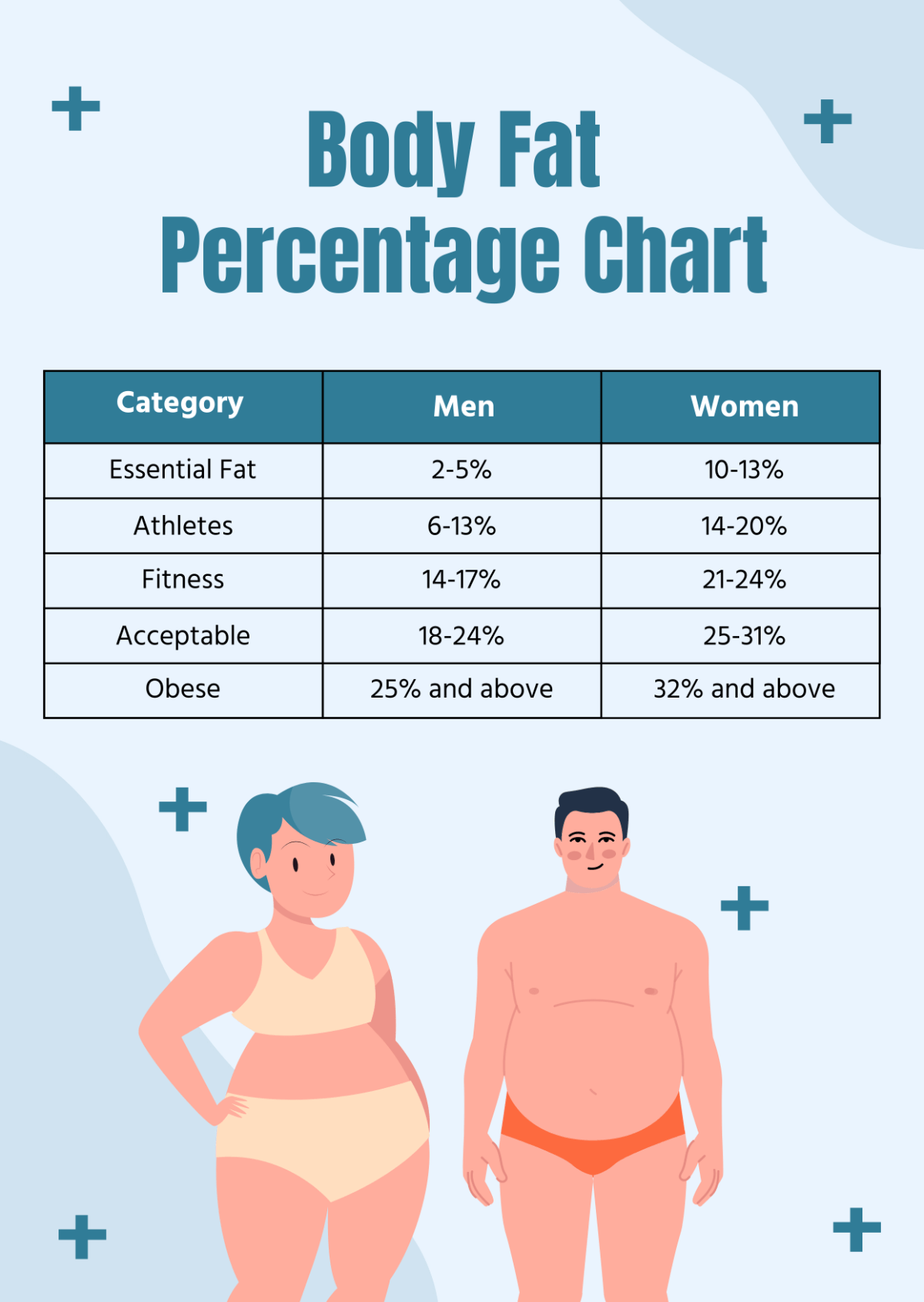
FAQ: Understanding Obesity in Lonoke County, Arkansas
Q-1: How does fast food consumption affect obesity rates in Lonoke County Arkansas?
A-1: Fast food is a significant contributor to unnecessary calorie intake in the county.
Many fast-food items contain 800 to 1200 calories – hence, one-third of the daily allowance for an average adult.
There is also an abundance of fast food joints in the county – more than 50, including popular national chains and local eateries.
Moreover, a family with a tight schedule may prefer fast food restaurants due to the short preparation time.
As a result, the combination of easy access to fast food and a lack of exercise leads to an extremely high obesity rate – 32% of adults and an increasing number of overweight children.
Q-2: Why do many rural counties have high obesity levels?
A-2: Rural counties have distinct characteristics that predispose their inhabitants to overweight and obesity.
For example, Lonoke County has fewer grocery stores for the population than other regions – only 1.4 per 10,000 people.
The county also has a shortage of recreational facilities, such as gyms.
Meanwhile, the distance to the nearest large supermarket is 10-20 miles, on average.
A lower income ($62000 on average) and a greater distance to facilities promote a more sedentary lifestyle and unhealthy eating, increasing the chances of developing obesity.
Q-3: Are sedentary lifestyles common in your county?
A-3: Unfortunately, yes. Lonoke County is a rural area, meaning that most people commute by car.
Over 85% of working residents use a vehicle to get to work, with an average travel time of 20-30 minutes per trip.
Moreover, many local jobs are of a nature that does not involve physical activity – such as computer work or driving a vehicle.
In addition, many people watch TV or play video games when they have free time.
A combination of a lack of exercise and a diet high in calories leads to high obesity rates in the county.
Q-4: How does the availability of healthcare resources impact obesity rates in your county?
A-4: Healthcare accessibility plays a vital role in combatting obesity.
Lonoke County has fewer primary care providers per person than urban counties.
Health care access is also uneven throughout the county – most medical facilities are concentrated in the cities of Lonoke, Cabot, and Carlisle.
This setup makes it difficult for rural residents to receive adequate care.
As a result, preventative care is poorly developed, which is evident in the high obesity rate (32%), diabetes prevalence (10-11%), and the presence of cardiovascular diseases.
Q-5: How do screen-based media influence childhood obesity rates in your county?
A-5: Excessive screen time is one of the factors that contribute to the high obesity levels in children.
Many children spend more than 3 hours per day on screen-based devices.
In addition, they consume much more sugar than is recommended.
These habits lead to weight gain and, as a consequence, to the development of type 2 diabetes.
The childhood obesity rate in the county is 38% – a significant number of children at risk of developing associated diseases in adulthood.
Q-6: Why do obesity rates increase with age?
A-6: Obesity rates tend to increase gradually after the age of 40, as a result of a decrease in metabolic activity.
Furthermore, many people lead a more sedentary lifestyle due to changes in occupation – for example, switching from working at a factory or farm to being a sitter.
Lonoke County is a rural region, and thus many people get older while continuing to lead a non-active lifestyle.
As a result, the obesity rate in the county for people over 45 is over 35%.
Q-7: How does the agricultural sector influence obesity rates in the rural community?
A-7: Farming used to be a physically demanding occupation – however, the introduction of machinery has changed things.
Many farmers and agricultural workers in Lonoke County lead a more sedentary lifestyle due to spending much of their time driving tractors or trucks.
As in many rural counties, an agricultural occupation is the only occupation available to many people.
The inability to work actively, even when working, is one reason why the obesity rate in the county is so high.
Q-8: Does the community’s built environment affect its health outcomes?
A-8: Yes – many residents are forced to lead a sedentary lifestyle due to the lack of recreational infrastructure.
For example, there are few sidewalks in many neighborhoods – and those that exist are often broken or unavailable to pedestrians.
Moreover, most parks and recreation centers are located inside the towns of the county, which means that rural residents must travel 15 or more miles to access them.
The lack of recreational infrastructure is one reason for the high obesity rate in Lonoke County.
Q-9: How does food marketing affect healthy eating habits in your community?
A-9: Food marketing has a powerful effect on the eating habits of the population.
In Lonoke County, many companies use promotions and advertising to promote their products.
Such practices have the most severe impact on children and adolescents, who spend many hours watching advertisements.
As a result, the population develops preferences for unhealthy foods that are high in calories, fats, and sugars. This leads to an unhealthy diet and an increased risk of obesity among adults and children.
Q-10: Why is obesity a critical health issue in your county?
A-10: Obesity is a serious health problem in Lonoke County because it affects almost two-thirds of the adult population and is often accompanied by other diseases, such as diabetes or hypertension.
Overweight and obesity are strongly linked to the development of type 2 diabetes – a condition that is already challenging enough in terms of treatment and lifestyle changes.
Moreover, obesity predisposes a person to cardiovascular diseases and strokes.
Since obesity affects a considerable part of the population, it is essential to address this issue.
Conclusive Analysis
Lonoke County, Arkansas, is faced with a variety of social and health-related factors that contribute to the prevalence of obesity in the state. There is more than one reason why this issue remains persistent in the county.
The number of obese adults constitutes 32 percent of the population, and more than half of Arkansans are overweight or obese.
In addition, the rate of childhood obesity is considered alarming as 38 percent of students are overweight or obese, which means that many children are already suffering from excessive weight.
The major contributors to the problem are the rural setting, the lack of grocery stores, a car-oriented culture, poverty, calorie-dense food habits, and the development of obesity at a young age.
These factors are connected to the fact that many people consume more calories than they spend, and therefore, they are at risk of becoming overweight or obese. The list of factors that affect obesity rates in Lonoke County is far from complete, but the mentioned items have the most significant impact on theArkansans’ health and lifestyle.
Recommended:
- https://leanandfit.info/why-obesity-rates-are-high-in-saline-county-arkansas/
- https://leanandfit.info/why-obesity-rates-are-high-in-conway-faulkner-county-arkansas/
- https://leanandfit.info/why-obesity-rates-are-high-in-north-little-rock-pulaski-county-arkansas-key-causes-and-local-health-risks/
- https://leanandfit.info/why-obesity-rates-are-so-high-in-little-rock-pulaski-central-arkansas/
- https://achi.net/wp-content/uploads/2022/08/Arkansas-Assessment-of-Childhood-and-Adolescent-Obesity-Yr-15-2017-2018.pdf
- https://www.usnews.com/news/healthiest-communities/arkansas/lonoke-county
- Why trust leanandfit.info?
- For educational purpose only