
Obesity is a community issue, not only an individual one. It affects not only the individual’s energy levels, risks of chronic illnesses, and psychological wellbeing, but also the community’s economy.
In Conway, Faulkner County, Arkansas, the issue of obesity is a topical one, and it is actively discussed in medical facilities, educational institutions, gyms, and even in households.
As a local resident, you are most likely to have come across the obesity epidemic in Conway, AR, with its serious health consequences, such as increased rates of diabetes, hypertension, and other obesity-related diseases.
You might have asked yourself, why obesity rates are high in Conway, Faulkner County, Arkansas, and what can be done about it.
You may also be wondering why Conway struggles with higher obesity rates compared to other places.
What are the causes of obesity in Conway, AR?
What can be done to stop the obesity epidemic from escalating?
This research by LeanAndFit.Info seeks to explain why obesity is a problem in Conway, AR, and what can be done about it.
This article will be helpful to both residents of Conway, Faulkner County, and those interested in learning more about the causes of obesity in their community.
Article Index
- Understanding Obesity in Conway, Arkansas
- Fast Food Density and Eating Habits in Faulkner County
- Sedentary Lifestyles and Screen Time Trends
- Economic Factors and Access to Healthy Food
- The Role of Southern Food Culture in Arkansas
- Physical Activity Barriers in Conway
- Childhood Obesity in Conway Public Schools
- Healthcare Access and Preventive Care Challenges
- Mental Health, Stress, and Weight Gain
- Community Awareness and Health Education Gaps
- 10-Point FAQ: Top Obesity Questions in Conway
- Conclusion
Understanding Obesity in Conway, Arkansas
The rates of obesity in Conway are closely linked to the trends observed in the state and the South.
According to the recent statistics, over 37% of the Arkansans are obese, which is among the highest rates in the country.
In Faulkner County, 68% of the adults are either overweight or obese. This is a serious problem for the state as it is home to some of the fastest-growing cities.
As per the medical definition, obesity is a condition where a person’s Body Mass Index (BMI) equals 30 or more. It is also reported that obesity is a complex condition and it is determined by several factors apart from the number of calories consumed.
The study observed that the people with lower income are 20-25% more likely to be obese. In addition, the people living in areas not suitable for walking have 30% lesser chances of regular physical activity.
In Conway, approximately 85% of the population uses cars as the primary mode of transportation. Moreover, the people spend an average of 7 hours per day watching television.
It is not surprising that many people are now searching for reasons why obesity rates in small Southern cities such as Conway Arkansas are going up as urbanization and its impact on the environment and lifestyle changes continue to rise.
Fast Food Density and Eating Habits in Faulkner County
Drive down Oak Street or Dave Ward in Conway, and it becomes apparent why this is the case.
Faulkner county is above average in terms of fast food restaurants when compared to other counties across the United States similar in size, and studies even indicate that counties with a high number of fast food places see obesity rates 5-10% higher than average.
Fast food is convenient, and easy to grab on the way home from work
with almost 60% of adults eating it once a week, and 30% two or more times per week.
A fast food meal is dense in calories; a standard combo meal averages between 800-1400 calories, or 50-70% of the average daily recommended caloric intake.
High in saturated fat and sodium, fast food can be responsible for up to 75% of the recommended daily sodium intake in one meal.
High in calories, fat, and salt; it’s no surprise that local favorite sweet tea leads to a 150-250 calorie boost with each serving.
Residents of Faulkner county are now realizing that they need to research the health repercussions of eating fast food everyday in Arkansas.
Sedentary Lifestyles and Screen Time Trends
Modern lifestyles of work and entertainment have greatly decreased the amount of physical activity done on a daily basis by the citizens of Conway.
Based on recent employment statistics, over 42% of jobs in the state of Arkansas are primarily desk jobs, meaning that the majority of the population is sitting for roughly 6-8 hours a day.
With roughly 85% of Arkansans choosing to drive to work, the people of Conway who choose to attend classes on a local university, or drive to work, get little opportunity to get active.
The amount of time spent in front of screens and on recreational devices has increased drastically within the last decade.
National polls reveal that the average adult spends roughly 7-8 hours a day sitting and using devices for recreational purposes and teenagers spend an average of 8-9 hours a day outside of homework using various forms of electronics.
Various studies have shown that people who sit for more than 8 hours a day are 15-20% more likely to be obese compared to people with a more active lifestyle.
When you reduce the amount of physical activity that your body undergoes, not only does your body’s metabolic rate decrease, but muscle loss begins to take place.
This combination of decreased metabolism and muscle mass can cause an increase in body fat due to the fact that your body is not using as many calories as it used to.
The increase in sedentary lifestyles within the Conway area, especially within the Faulkner County area, is largely responsible for the ongoing epidemic of obesity.
Economic Factors and Access to Healthy Food
Economic factors are strongly correlated with obesity rates in the county and the city of Conway.
First of all, as many as 14-16% of county residents have incomes below the poverty line, and research shows that poverty-stricken households have a 20% higher chance of obesity than households with high income.
Moreover, households with low income cannot afford to buy healthier and more nutritious foods, such as fruits and vegetables, due to their high prices.
For example, a diet that includes more healthy foods and less processed is associated with 30-50% higher costs per calorie.
Another factor is the lack of affordable and available food sources.
Some residents may not have a supermarket within a walking distance, whereas a convenience store is several miles away.
Indeed, the US Department of Agriculture reports that people with limited access to grocery stores are estimated to have 25% chances to have a healthy diet, meaning that they do not consume recommended amounts of fruits and vegetables.
Thus, it is not surprising that recently, there has been an increased demand for healthy eating on a budget in small towns such as Conway, Arkansas.
Finally, many low-income families, even those not living below the poverty line, have limited time for food preparation due to a lack of free time since they have two jobs.
Therefore, they may opt for unhealthier, easier-to-make meals. All in all, economic factors explain many of the social and health issues related to obesity in the area.
The Role of Southern Food Culture in Arkansas
Arkansas is proud of its Southern cuisine, traditional dishes of which people in Conway and the rest of Faulkner County tend to eat too much of, contributing to the state’s increasing obesity rate.
Fried chicken, biscuits and gravy, barbecue, and casserole are some of the most popular local dishes, each of which is high in saturated fats and/or carbohydrates.
A single serving of fried chicken with sides can provide a person with as many as 900-1200 calories, or 45-60% of the recommended daily amount.
Meanwhile, the state’s dietary data shows that less than 12% of Arkansans eat enough vegetables to improve their health, and more than 30% of them consume sugar-sweetened beverages daily, which is significantly higher than the national average.
Moreover, portions in churches and other social organizations are, on average, 20-40% larger than recommended by nutritionists, and second helpings are customary in many places.
Thus, it should come as no surprise that Google Trends data demonstrates that recently, people have been increasingly interested in the effects of Southern eating habits on the state’s infamous obesity rate.
Faulkner County residents, as residents of any Southern community, love their food, which, however, has a definite impact on the local obesity rate.
Physical Activity Barriers in Conway
The city of Conway has several parks and recreational places as alternatives to combat obesity, such as: Laurel Park, Beaverfork Lake Park, Tucker Creek Trail, the Cadron Settlement Park, and the Conway Sports Complex.
However, despite a wide range of opportunities for exercise and physical activity, several factors contribute to the lack of motivation for citizens to use these facilities.
For example, the weather conditions in Arkansas are characterized by extremely hot weather reaching over 90 degrees Fahrenheit and humidity over 70%. These conditions are particularly dangerous for walking outside, especially in the summer.
Furthermore, the number of sidewalks is limited, and some areas are unsafe for walking due to heavy traffic.
Despite the availability of local gyms, a family membership can cost from 30 to 60$, which is why many people cannot afford to go to the gym. According to studies, approximately 18% of Americans are living paycheck to paycheck, and every monthly income is spent on necessities.
Moreover, over 60% of families in Faulkner County are dual-income households, meaning that they have limited time to accompany their children in sports activities.
These factors lead to a growing number of searches for the best indoor exercises in Arkansas during the summer season.
If the amount of physical activity in the daily routine is limited to less than 150 minutes per week, the chance of developing obesity in citizens will greatly increase.
Childhood Obesity in Conway Public Schools
Childhood obesity is a growing problem in the state of Arkansas, and Conway Public Schools is no exception.
The rate in the state of Arkansas for children between ages 10-17 is between 22-24% which ranks them among the highest in the country.
Studies have shown that children in Arkansas that consume sweetened drinks on a daily basis are almost 28% more likely to become obese.
Physical activity is another contributor as less than 40% of students in Arkansas are physically active for the recommended 60 minutes every day.
Another factor is the increased amount of time that students are spending on average more than 7 hours a day on screens outside of school.
Studies have shown that obese children are five times more likely to be obese as adults.
This has caused an increased interest in the search for how to prevent childhood obesity in Arkansas schools.
Community programs such as usta farm to school, school cafeteria nutrition workshops, plus after school sports leagues and youth soccer, basketball, and trail walking clubs in the local area can have a very positive impact on childhood obesity rates here in Conway.
Healthcare Access and Preventive Care Challenges
Preventive healthcare is an essential component in controlling and preventing obesity, which is significantly hindered in Conway, leading to higher rates of the condition.
Due to the lack of it, obesity continues to be a large problem in the community.
For example, nearly 9-11% of Arkansans do not have health insurance, and the uninsured are 25% less likely to get recommended preventive screening.
Even among the insured, a significant fraction of lower-income Arkansans are unable to seek primary care due to high copayments, with approximately 1 out of every 5 adults delaying necessary check-ups.
Due to the absence of regular check-ups, gaining weight, developing prediabetes, or other symptoms may not be taken seriously by the patients.
Moreover, nutritional counseling services were underutilized by over 70% of obese Arkansans, with fewer than 3 out of 10 adults who have obesity reporting that they have received advice from a medical professional on how to improve their diet.
Conversations with healthcare providers about weight can be embarrassing and shameful, leading many people to forgo preventive medical care.
This disinterest in preventive care explains why searches for “conway weight loss clinics” in the state of Arkansas are so high.
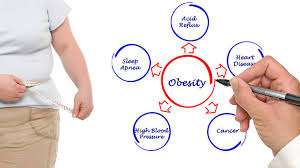
The consequences of obesity, including diabetes and high blood pressure, will only worsen if preventive care is not normalized.
Normalizing preventive care, particularly in terms of making it affordable and accessible to everyone, would have a major impact on arresting the rise in obesity in Faulkner County
Mental Health, Stress, and Weight Gain
Chronic stress causes poor mental health which becomes a bigger contributor to obesity in Conway than many realize.
Research shows that almost 40% of Americans say they eat poorly when they’re feeling stressed out, leading to higher calorie intake.
Cortisol, a hormone released when you’re stressed, encourages your body to store fat, especially around the abdominal region, and makes you hungrier.
When you’re suffering from depression or anxiety, there’s a 30% chance that you’ll gain over 5% of your bodyweight and a 15% chance that you’ll gain over 10% from emotional eating alone.
Stress, along with financial problems, overworking, school pressures, and family issues can contribute to obesity in Conway by as much as 60%
Improving your mental health will inevitably result in better behaviors.
Using the best strategies to combat stress eating in weight loss programs can cut down on belly fat and promote better, more lasting results.
Community Awareness and Health Education Gaps
In many communities, including Conway, the lack of knowledge of the essentials of nutrition is now leading to obesity rates through inadequate understanding of food labels and selection of healthy options.
According to national statistics, 80% of American adults read the nutrition facts label on food packages, but 30-43% do not use the label to make dietary choices, particularly regarding calories and standard serving sizes.
As a result of such deficiencies in knowledge, many citizens cannot properly assess how much they eat. For instance, people tend to ingest 10-20% more calories than required due to the larger portions and mistakes in measuring serving sizes.
The sizes of meals and snacks have increased over the last few decades due to changes in the food industry, and there is a possibility that without proper education, people continue to eat 25-40% more than necessary.
If citizens cannot understand how much they eat compared to the recommended number of calories, then obesity rates are bound to increase due to the failure to adjust their diet and activity levels.
Conway’s nutrition workshops on reading labels and learning about healthy portions will help residents be more mindful of the number of calories they consume. As a result, obesity can be prevented in the city with relative ease.
10-Point FAQs:
Q-1: Why is Obesity Common In Conway, Arkansas?
A-1: Obesity is widespread in this city for various reasons, including lack of exercise, easy access to unhealthy snacks, financial issues, and cultural beliefs. Roughly 39% of Arkansans are obese – which is among the highest rates in the country. In Conway, the lack of nutritional balance and regular physical activity contributes to the high obesity rate.
Q-2: What percent of adults in Faulkner County are obese?
A-2: In Falkner County, roughly 70% of the adult population is obese or overweight.
Q-3: What health problems are associated with obesity?
A-3: People with obesity are more likely to develop type 2 diabetes, coronary artery disease, stroke, sleep apnea, and other conditions. Moreover, obese adults are at risk of chronic fatigue, impaired mobility, and costly treatments.
Q-4: Is childhood obesity a problem in Conway?
A-4: Yes, obesity is a serious problem in Conway, as about 45% of children are overweight or obese. This is almost the national average for the United States, which is a concerning statistic.
Q-5: Are there any weight loss programs in Conway?
A-5: Yes, many local clinics, gyms, hospitals, and community centers offer specialized weight loss programs in this state. You can choose between various diet and fitness plans, depending on your financial budget, preferences, and medical needs.
Q-6: How can families eat healthy on a budget in Conway?
A-6: To eat healthy in this area without spending much money, you should keep a list of ingredients, buy seasonal products, compare prices, and cook at home instead of eating outside.
Q-7: Does stress contribute to obesity?
A-7: Yes, obesity is often linked to high stress levels. When people are anxious, their bodies release cortisol, which causes cravings for carbohydrate-rich foods. Stress also leads to emotional eating, especially among teenagers and adults.
Q-8: Is lack of exercise a major contributor to obesity in Conway?
A-8: Yes, since obesity occurs when people consume more calories than they burn, and a sedentary lifestyle promotes calorie accumulation. As a result, people may gain weight and develop health issues.
Q-9: Can obesity be reversed?
A-9: With the proper diet, increased physical activity, and reduced stress levels, it is possible to reverse obesity. This will improve a person’s health condition and lower the risk of chronic diseases.
Q-10: What are some community initiatives to reduce obesity in Conway?
A-10: To reduce obesity rates in this state, the community members should educate themselves about healthy eating habits, get regular medical check-ups, and encourage their children to participate in sports activities or school events.
Conclusion
The state of obesity in Conway, Faulkner County, Arkansas, is determined by multiple different factors.
From access to fast food and a lack of exercise to Southern culture and poverty, Conway’s obesity problem is complicated and consists of many different causes.
Luckily, obesity in Conway is a solvable issue.
It is important that the people of Conway are educated about what causes obesity in their area.
Encouraging change in diet, exercise, stress levels, and preventative care can have a drastic effect on Conway’s overall health.
Cooperation between families and communities can help create real and long-lasting change.
There is a wealth of different resources that can help reduce Conway’s obesity levels and improve the health of Faulkner County.
Recommended:
- https://leanandfit.info/why-obesity-rates-are-so-high-in-mcallen-texas-hidalgo-county/
- https://leanandfit.info/why-are-obesity-rates-so-high-in-edinburg-hidalgo-county-texas/
- https://leanandfit.info/why-obesity-rates-are-so-high-in-mission-texas-hidalgo-county/
- https://leanandfit.info/why-obesity-rates-are-so-high-in-little-rock-pulaski-central-arkansas/
- https://leanandfit.info/why-obesity-rates-are-high-in-north-little-rock-pulaski-county-arkansas-key-causes-and-local-health-risks/
- https://datacommons.org/place/geoId/05045
- https://conway.sitefinity.cloud/docs/default-source/crhs/reports/2015implementationstrategy_reduced.pdf?sfvrsn=3876e00_5
- Why trust leanandfit.info?
- For educational purposes only