
I’m sure you always asked yourself ‘Why Obesity Rates are So High in Little Rock, Pulaski, Central Arkansas???’
During the last decades, the obesity epidemic in the local area has been growing at an alarming rate due to social, environmental, cultural, and other factors associated with overweight and obesity in this county.
In Pulaski County, there is currently an extremely high percentage of overweight or obese adults, as well as children, adolescents, and elderly people.
Central Arkansas, like the entire South, has an disproportionately large obesity footprint compared to the national average.
This is due to a combination of social, economic, cultural, and environmental factors, the interplay of which has contributed to this state of affairs.
For example, changes in the built environment, the food environment, employment, education, and access to healthcare are factors that contribute to obesity and affect the overall health status of Arkansans.
In this regard, the modern megalopolis, interacting with many other factors, directly affects the weight of our bodies and the caloric balance of our diets, which is why we are so concerned about obesity.
Thus, the obesity epidemic in the Central Arkansas region has been going on for several decades.
To identify why it began, it is necessary to examine, first of all, the local environment and socio-cultural characteristics of this area.
This article on LeanAndFit.info explores factors contributing to obesity in the State and seeks to highlight those that have had the most significant impact on the development of this problem in the Little Rock, Pulaski County, and the Central Arkansas region in general, without providing any solutions.
Article Index
- Why obesity rates are high in Little Rock Arkansas metropolitan area statistics
- Pulaski County overweight and obese adult prevalence data and trends
- Food deserts in Pulaski County Arkansas affecting obesity rates
- Poverty and income inequality impact on obesity in Central Arkansas
- Physical inactivity rates in Little Rock Pulaski County Arkansas
- Cultural and dietary traditions contributing to obesity in Central Arkansas
- Healthcare access disparities influencing obesity in Little Rock Arkansas
- Childhood obesity trends in Little Rock Arkansas school districts
- Education levels and obesity correlation in Pulaski County Arkansas
- Regional and Southern U.S. obesity patterns affecting Central Arkansas
Why Obesity Rates Are High in Little Rock Arkansas?
The Little Rock metropolitan area has some of the highest obesity rates among mid-sized cities in the United States.
A significant portion of adults living in Little Rock and surrounding communities are classified as obese, reflecting long-term health trends that have developed over multiple decades.
One of the key reasons obesity rates remain high in this metropolitan region is the cumulative effect of structural and environmental influences.
The growth of sedentary occupations, increased reliance on automobiles, and changes in food availability have gradually altered lifestyle patterns.
Over time, these shifts have reduced daily physical activity and increased calorie consumption.
Population-level trends show that obesity in Little Rock affects individuals across all demographic groups, including different income levels, age groups, and occupations.
Children growing up in this region today are more likely to experience obesity compared to previous generations.
This demonstrates how environmental conditions shape health outcomes over time.
Urban environments like Little Rock often combine elements of both urban and suburban living.
While the city provides employment and economic opportunities, it also reflects lifestyle patterns associated with modern urban development.
These patterns include long work hours, increased screen time, and reduced physical activity.
Overall, obesity rates in the Little Rock metropolitan area reflect long-term population trends shaped by environmental, economic, and cultural factors that continue to influence daily life.
Pulaski County Adult Obesity Trends and Data
Pulaski County has one of the highest combined overweight and obesity rates in the state – around 73 percent of the county’s adults are overweight or obese.
Within that number, approximately 32-36 percent of adults are classified as obese, which means affected by a BMI (Body Mass Index) over 30.
This indicates that a third of Pulaski County’s population suffers from obesity while two-thirds are either slightly overweight or obese.
The number is substantially higher than it was several decades ago, as only about 15-20 percent of Americans were obese in the 1970s on average.
Pulaski County is the administrative and economic center of the state, housing Little Rock as well as many businesses and employers.
Despite being more developed than other regions, it still has a persistently high obesity rate.
The recent statistics also show that nearly 29 percent of Pulaski County adults lead a sedentary lifestyle, being physically inactive.
This correlates with the increased obesity rates, as a significant portion of the population does not participate in physical activity.
Furthermore, over 37 percent of children in the Little Rock metropolitan area are overweight or obese, which implies a relevant number of future adults will have weight issues.
Pulaski County’s adults have obesity rates of over 25 percent across almost all segments of society.
For individuals aged 18-34, the number reaches over 25 percent, and for those between 45 and 64, it climbs to over 40 percent.
This suggests that obesity is not exclusive to any particular group and is inflicting more and more people across all ages.
The county’s high obesity rate has become a serious public health issue affecting nearly all residents’ daily lives.
It demonstrates the gradual development of a poor social and environmental climate influencing individuals’ behavior, leading to weight gain.
The described trends prove that obesity has become a serious epidemic in Central Arkansas.
Food Deserts Affecting Obesity in Pulaski County
Food deserts are one of the leading contributors to obesity in Pulaski County, as demonstrated by the statistics below.
Overall, fifty-two percent of census tracts in Arkansas are considered to be food deserts, as compared to roughly thirty-eight percent nationally.
In Pulaski County specifically, nearly fifty-eight (58) census tracts are identified as food deserts, which means that thousands of county residents currently live in an area with limited access to grocery stores that offer healthy and affordable food options.
In many of these census tracts, low-income households comprise a majority of the population, and a considerable number of these residents have at least one mile of travel distance to the nearest grocery store – in urban areas.
Within several neighborhoods of the city, Eateries outnumber grocery stores, convenience stores offer unhealthy, calorically dense foods such as soda, snacks, and frozen meals, but there are no nearby markets selling fresh produce, lean meats, or other healthy food items.
As a result, an individual purchasing from a convenience store can consume excessive amounts of sodium, sugar, and fat, increasing one’s chances of obesity.
The fact that many residents do not own cars exacerbates this problem.
For example, many low-income families in Pulaski County are unable to purchase healthy food from distant grocery stores because they do not have access to transportation.
Convenience stores and restaurants typically sell highly-processed, unhealthy foods.
Without cars, traveling multiple miles to a grocery store may seem unfeasible for some, particularly senior citizens or parents with young children.
In addition, a shortage of public transportation can make it difficult for some county residents to easily reach a grocery store.
The availability of food has a direct effect on a person’s diet.
Limited access to healthy food options influences a person’s behavior and encourages them to buy unhealthy food from nearby stores.
Therefore, due to the prevalence of food deserts within Pulaski County, county residents struggle to maintain a healthy weight.
Poverty and Obesity Impact in Central Arkansas
Poverty, among the leading factors that determine obesity in Pulaski County and Central Arkansas, is significantly associated with an individual’s economic status.
The percentage of people who live below the poverty threshold is between 15% and 17% in Pulaski County and slightly higher in some urban areas.
Children tend to have the highest poverty rates since they experience multiple disadvantages that can persist throughout their lives.
In addition, the income level determines an individual’s occupation, which plays an essential role in the development of obesity.
Since there are many office jobs in the county, the number of people working in administrative support is between 25% and 30%.
Another significant group, who work in service occupations, constitutes 20 – 25% of the population.
They usually perform repetitive tasks in restaurants, shops, and other organizations for relatively low wages.
A smaller portion of the working population accounts for production, transportation, and material handling occupations and makes up between 10% and 12%.
People who work in these positions generally lead a more active lifestyle but still have limited opportunities to choose their preferred working hours.
Healthcare support, education, and government jobs constitute 15 – 20%.
People with low wages are more likely to be engaged in multiple occupations with extended working hours and shifts.
As a result, they have less time and energy to prepare healthy meals and engage in physical activities.
Moreover, persons with low socioeconomic status are more likely to reside in lower-class neighborhoods with fewer recreational facilities and limited access to healthy food options.
In conclusion, poverty plays a critical role in the development of obesity and affects the general well-being of the citizens in Pulaski County.
The negative implication of poverty on the environment, housing, transportation, food, and access to healthcare decreases the overall quality of life, which increases the likelihood of being obese among residents with low and high socioeconomic status.
Physical Inactivity in Little Rock Pulaski County
Physical inactivity is a major problem in Little Rock and Pulaski County. Many people are couch potatoes causing many adults to gain weight over time.
Many of us lead a sedentary lifestyle in this day and age.
We sit at work, we sit in cars to get to work, and we sit at home to watch television.
We aren’t getting the exercise we need. Even though we have sidewalks, many people drive everywhere and don’t get any physical activity.
A lack of sidewalks and recreational places in some of our communities has caused us to become sedentary as well.
Physical inactivity is causing obesity in our community. We are not burning enough calories to keep us at a healthy weight.
Our lifestyle of sitting around is causing us to become obese. Physical inactivity has become a serious problem in our society.
Cultural Diet Habits and Obesity in Central Arkansas
Cultural dietary traditions in Little Rock contribute to obesity through the popularity of calorie-dense southern cuisine.
Over thirty-five to forty percent of Arkansans eat fried foods at least three times a week.
The staples include fried chicken, catfish, French fries, and breaded meats.
In addition, processed meats such as sausage, bacon, and deli meats are popular among Arkansans. About twenty-five to thirty percent of residents consume them at least once a week.
Consumption of sugar-sweetened beverages also plays a role in promoting obesity.
For example, there is a high intake of soda, sweet tea, and other sweetened drinks among Central Arkansans.
Thirthy to thirty-five percent of adults in the state drink at least one sugar-sweetened beverage a day.
Comfort foods such as macaroni and cheese, biscuits and gravy, and casseroles are commonly consumed during family gatherings and church socials.
Fast food is easily accessible in the central state as most families live near commercial centers.
Modern lifestyles have influenced the dietary habits of the people of Little Rock.
Foods that are highly processed account for sixty to seventy percent of the total calorie intake by Americans.
The figure is high among Arkansans due to the easy availability of processed foods such as snacks and frozen meals.
Fast food restaurants are widely spread across the city offering meals high in calories and fat.
Foods in Little Rock reflect southern traditions, especially in relation to family meals and social events.
Churches and family gatherings encourage people to cook using traditional recipes.
Moreover, working people have little time to cook and opt for fast food.
These conditions promote obesity and overweight in the population.
Healthcare Access Gaps in Little Rock Arkansas
Healthcare access disparities are a significant contributor to the development of obesity within the Little Rock area, especially among low-income populations.
The issue of healthcare access disparities stems from both the inability to afford health services and the inadequacy of available resources in certain communities.
With regard to the absence of insurance, approximately 11% to 14% of the county’s adult population does not have health insurance, which prevents them from receiving consistent medical attention and weight screening.
As a result, individuals who do not have health insurance coverage are more likely to develop obesity since they are unable to engage in regular medical assessments that would allow them to monitor their weight.
It is also noteworthy that 18% to 22% of all citizens state that they skip medical appointments due to an inability to afford them.
This statistic demonstrates that Little Rock residents only seek medical advice when it is unavoidable, which significantly decreases their chances of assessing weight gain risks factors at an early stage.
Moreover, the current ratio of primary care physicians to families in some parts of Little Rock can be considered inadequate and prevents residents from receiving consistent healthcare access.
There is also a large disparity in terms of access to care between different neighborhoods. For instance, in several areas, there is fewer than 1 primary care physician available per 2,000 families.
Furthermore, approximately 20% of the low-income neighborhoods in Little Rock have an inadequate number of healthcare providers who specialize in preventive care.
In summary, it is possible to assert that healthcare access disparities in Little Rock account for higher obesity rates among the population since they prevent residents from receiving consistent medical assessments.
Childhood Obesity Trends in Little Rock Schools
Childhood obesity is a serious health problem both in Little Rock and Pulaski County. 35-38% of children are overweight or obese.
Of these, 18-20% are determined to be clinically obese, or having a body fat percentage dangerously high for their height and weight.
It is significantly higher than the national average and reflects the situation similarly in other regions in the state of Arkansas.
One reason for this epidemic is a lack of physical activity.
Almost 40% of children don’t get the required daily amount, and more than 60% spend more than 2 hours a day watching TV or using a cell phone or other screens.
This sedentary lifestyle decreases the amount of physical activity.
Another contributor to the increase in weight is a highly-caloric diet. 30% of children eat fast food twice a week or more.
Children from families with low income, who comprise about 20% of the population, have less access to healthy food.
These are some of the causes of the high obesity rate among children, which leads to overweight adults.
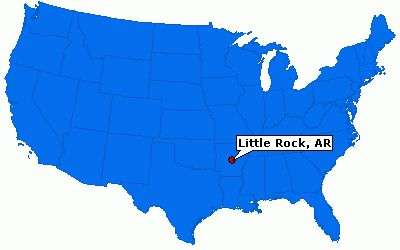
Education Levels and Obesity in Pulaski County
The connection between educational levels and obesity rates is particularly significant for the residents of Pulaski County, Arkansas.
In Pulaski County, the adult population tends to have higher obesity levels linked to low-educational statuses.
In the county, most adults are at least educated to the high school level, although fewer are college-educated, which affects their general knowledge about health issues and availability of resources.
The problem of obesity starts at a young age, as evidenced by the number of overweight or obese students in most of the schools.
Schools such as Mills University Studies High School and Maumelle High School cannot offer comprehensive health services and information on proper nutrition as the adults.
Most adults enrolling in Pulaski County Adult Education courses to further their studies find it hard to pursue one educational path due to their family and work obligations.
This means that most students lack knowledge about obesity and how to prevent it. These factors contribute to the higher obesity rates among the population of Arkansas.
Health equity education programs Arkansas and childhood nutrition education programs Pulaski County can help address the issue and lead to improved health outcomes in the county.
| School Name | Approx. Number of Students | Obesity/Nutrition Challenges | Education Gaps Contributing to Obesity |
| Mills University Studies High School | 1,100 | Around 45% of students overweight or obese | Limited nutrition and wellness curriculum; high academic workload reduces physical activity time |
| Maumelle High School | 1,200 | About 42% of students face weight management issues | Insufficient health education programs; extracurricular sports participation varies by socioeconomic status |
| Pulaski Academy | 900 | Approximately 38% overweight or obese | Lack of consistent health equity programs across grades; limited parental engagement in nutrition education |
| Jacksonville High School | 1,050 | Nearly 44% of students overweight or obese | School wellness programs underfunded; recreational facilities limited |
| Pulaski County Adult Education | Varies (adults) | Many adult learners face weight-related health risks | Balancing work, family, and education leaves little time for structured health or fitness programs |
Southern US Obesity Patterns in Central Arkansas
Little Rock State University is part of the South with an obesity rate that is among the highest in the country.
In my community, thirty-six percent of the population in Pulaski County is obese and another thirty-seven percent is overweight which means that almost three out of every four adults are either overweight or obese.
This is a significantly higher rate than the national average of thirty-four percent for obese adults.
The reasons for the high rate of obesity include economic, sociocultural, physical, and geographic factors.
The poverty level in my community is between fifteen to seventeen percent which affects the diet and activity levels of many residents.
Fried and processed foods are part of the traditional diet in this area and thirty-five percent of adults eat fried food more than once a week.
There is a lack of recreational areas such as parks and sidewalks which discourage physical activity.
Another reason is the predominance of a sedentary lifestyle among many workers and the heavy reliance on cars for transportation.
Eighty-five percent of people in my community drive to work.
Geographic factors make it easier for people to get fast food rather than exercise by walking or biking to a restaurant.
It is apparent that many of the factors that contribute to obesity in my community explain the high rates of obesity in the South in general.
FAQ Section: Obesity in Little Rock, Pulaski County, and Central Arkansas
Q-1. What is the obesity rate in Little Rock?
A-1. Obesity rates in Little Rock are higher than the national average; 36% of the citizens of Pulaski county are obese, while another 37% are overweight. This means that nearly 3 out of every 4 adults in this county are either obese or overweight.
Obesity is common across gender, age groups, and neighborhoods, although it is prevalent among low-income groups. The lack of access to healthy food, physical activity, and established lifestyle behaviors causes obesity to be very high in this region.
Q-2. Why is obesity so prevalent in Pulaski county?
A-2. Obesity is high due to a combination of environmental and economic factors. For instance, 15-17% of the citizens in this county live below the poverty threshold.
In addition, Pulaski has many food deserts; hence, having easy access to unhealthy food but limited access to healthy food.
Physical inactivity is also a risk factor because most people lead a sedentary lifestyle. For instance, 85% of people use cars as their preferred mode of transportation, and most jobs require sitting for long periods instead of moving around.
The eating style of the people also contributes to the development of obesity. Most people consume processed food as their staple diet.
Q-3. Is obesity on the rise in central Arkansas?
A-3. Yes, obesity rates have been rising steadily over time. The prevalence rate in the 1970s was between 15-20%, but it is currently above 36% for an average adult.
Central Arkansas is experiencing a drastic increase in obesity prevalence among children and adolescents for the same reason obesity is high in adults; lack of physical activity and adoption of a western-style diet that consists of fast food and processed meals high in calories, fat, and sugar.
Q-4. Is childhood obesity a big problem in Little Rock?
A-4. Childhood obesity prevalence is very high in this region. 35-38% of children in this region are obese or overweight, with nearly 20% being clinically obese.
A significant percentage of children lead a sedentary lifestyle as they spend more than two hours watching television or playing video games.
Most children do not engage in physical activity; hence, a large proportion of them do not meet the recommended physical activity requirements.
Q-5. Does poverty contribute to the obesity epidemic in Central Arkansas?
A-5. Yes, poverty contributes to the development of obesity in central Arkansas.
People living below the poverty line experience obesity at a higher rate compared to those who are not impoverished. Poverty has adverse effects on health and well-being because it limits individuals from making healthy choices.
Q-6. Are food deserts a big contributor to obesity in Pulaski county?
A-6. Yes, food deserts are a significant contributor to obesity in Pulaski county. There are about 58 food deserts in this county. Having limited access to grocery stores and an abundance of fast-food restaurants increases the likelihood of obesity.
Q-7. Is lack of exercise a contributing factor to obesity in Little Rock?
A-7. Yes, an inactive lifestyle has significantly contributed to the development of obesity among citizens in Little Rock. For instance, between 29-32% of adults are physically inactive. Most people have an inactive lifestyle due to being sedentary for long periods during their jobs.
For instance, 85-90% of people use cars as their preferred mode of transportation instead of walking or exercising.
Q-8. Is education a determining factor in cases of obesity?
A-8. Yes, a person’s level of education determines the likelihood of developing obesity.
Obesity prevalence decreases as the number of completed years of formal education increases. People with low-income levels are more likely to be obese because they do not have enough resources to maintain a healthy lifestyle.
Q-9. Is obesity higher in southern states?
A-9. Yes, obesity rates are generally higher in southern states compared to the northern states.
Q-10. Is obesity affecting children and adults in Central Arkansas?
A-10. Obesity affects people of different ages in central Arkansas; both children and adults are experiencing an equal increase in obesity prevalence. Currently, 36% of adults in Pulaski county are obese, while 35-38% of children are overweight or obese.
It is a significant problem for both younger and older populations due to social, economic, and environmental factors.
Conclusive Analysis
Obesity rates in Little Rock, Pulaski County, and Central Arkansas are among the highest in the United States for a variety of reasons.
High poverty rates, food deserts, a sedentary lifestyle, healthcare access, and traditional eating habits contribute to the problem.
These issues begin in early childhood and follow individuals throughout their lives.
Education, employment, and regional differences also play a role in the high obesity rates.
Central Arkansas is part of the larger South region, which has similar health issues.
The problem of obesity is multifaceted and is made up of a combination of factors that influence people’s daily lives.
Recommended:
- https://leanandfit.info/why-obesity-rates-are-so-high-in-mcallen-texas-hidalgo-county/
- https://leanandfit.info/how-to-manage-and-control-obesity-in-mcallen-texas/
- https://leanandfit.info/why-are-obesity-rates-so-high-in-edinburg-hidalgo-county-texas/
- https://leanandfit.info/how-to-prevent-and-manage-obesity-in-edinburg-hidalgo-county-texas/
- https://leanandfit.info/why-obesity-rates-are-so-high-in-mission-texas-hidalgo-county/
- https://leanandfit.info/how-to-reduce-obesity-rates-in-mission-hidalgo-county-texas/
- https://achi.net/newsroom/39-of-arkansas-adults-were-obese-in-2024-report-finds/
- https://datacommons.org/ranking/Percent_Person_Obesity/County/geoId/05?h=geoId%2F05&unit=%25
- https://arkansasresearch.uark.edu/new-survey-shows-obesity-rates-exceed-45-in-rural-arkansas/
- Why trust leanandfit.info?
- For educational purpose only