
• Skip to content

LeanAndFit

Product Review Website

  • Obesity Causes: Key Factors Behind Weight Gain
    • Binge Eating Obesity Causes: How Overeating Leads to Weight Gain
    • Chronic Stress Obesity Causes: How Cortisol Drives Weight Gain
    • Cushing’s Syndrome
    • Stress Eating Obesity Causes: How Stress Leads to Weight Gain
    • Environmental Factors Causing Obesity: Risks & Prevention
    • Fast Food Obesity Causes: How Junk Food Leads to Weight Gain
    • Food Insecurity & Obesity Causes: Weight Gain Risks
    • Genetic Predisposition
    • Gut Microbiome Obesity Causes: How Gut Bacteria Affect Weight
    • Hormonal Imbalance and Obesity: Causes, Effects & Solutions
    • Insulin Resistance
    • Medication Side-Effects
    • Metabolic Slowdown
    • Obesogenic Chemicals: Hidden Causes of Obesity & Weight Gain
    • PCOS Symptoms and Obesity Causes and Hormonal Effects
    • Poor Nutrition and Obesity Causes Explained for Better Health
    • Sedentary Lifestyle and Obesity: Causes, Risks & Solutions
    • Sleep Deprivation
    • Social Influences
    • Thyroid Dysfunction
  • Obesity Side Effects: Health Risks, Causes & Prevention Tipss
    • Metabolic Syndrome
    • Osteoarthritis Onset
    • Respiratory Issues
    • Sleep Apnea Obesity Side Effects: Breathing & Health Risks
    • Obesity and Stroke Risk Causes and Cardiovascular Effects
    • Type 2 Diabetes Obesity Side Effects: Risks & Health Impact
    • Anxiety Increase
    • Body Inflammation
    • Cognitive Decline
    • Obesity and Dementia Risk Causes and Cognitive Decline Effects
    • Depression Risk Obesity Side Effects: Mental Health Impact
    • Emotional Eating Obesity Side Effects: Risks & Health Impact
    • Gut Dysbiosis and Obesity Effects on Metabolism and Health
    • Heart Disease Obesity Side Effects: Heart Health Risks
    • High Cholesterol Obesity Side Effects: Risks & Heart Health
    • Hypertension Development Examines How Obesity Contributes
    • Insulin Resistance SE
    • Joint Pain Obesity Side Effects: Knee, Back & Mobility Risks
    • Obesity and Liver Damage Causes and Fatty Liver Disease Risk
    • Mental Disorders Obesity Side Effects: Mental Health Risks
  • Obesity Treatment: Diet, Nutrition & Weight Loss Strategies
    • Metformin Use Obesity Treatment: Weight Loss & Insulin Control
    • Mindful Eating Obesity Treatment: Control Hunger & Lose Weight
    • Pharmacologic Interventions
    • Sleep Management for Obesity: Improve Sleep & Weight Loss
    • Stress Reduction Obesity Treatment: Lower Stress, Lose Weight
    • Surgical Devices Obesity Treatment: Tools for Weight Loss
    • Weight Loss Medications for Obesity Treatment: Benefits & Risks
    • Appetite Suppressants
    • Bariatric Surgery
    • Behavioral Therapy
    • Calorie Restriction
    • Cold Exposure
    • Exercise Regimens
    • Gut Modulation for Obesity Treatment and Metabolic Health
    • Hormonal Therapy Obesity Treatment: Balance Hormones & Lose Weight
    • Intermittent Fasting
    • Lifestyle Changes
    • Low Carb Diets for Obesity Treatment and Weight Loss
    • Meal Planning for Obesity Treatment and Healthy Weight Loss
    • Metabolic Boosters
  • Best Lean & Fit Methods Top Strategies For A Lean Physique,
    • Outdoor Workouts Weight Loss Methods: Burn Fat Naturally
    • Pilates Sculpt for Weight Loss and Lean Body Toning Guide
    • Protein Intake for Weight Loss and Fat Loss Strategies
    • Resistance Workouts
    • Step Tracking Weight Loss Methods: Walk Your Way to Fitness
    • Strength Training
    • Bodyweight Exercises
    • Calorie Deficit for Weight Loss and Fat Loss Strategies
    • Cardio Intervals
    • Consistency Hacks
    • Diet Breaks for Weight Loss Benefits and Fat Loss Strategy
    • Fitness Gamification
    • HIIT Sessions for Weight Loss and Fat Burning Workouts
    • Hydration Focus Weight Loss Methods: Boost Metabolism Naturally
  • Latest Research/News

How Stress Eating is Making You Fat?

Obesity Causes: Key Factors Behind Weight Gain, Stress Eating Obesity Causes: How Stress Leads to Weight Gain / September 28, 2024 by Mark Morris

2.8k
SHARES
ShareTweet

Picture this: you’ve just had a rough day at work, and all you want to do is dive into that pint of ice cream or devour an entire pizza.

This scenario is all too familiar for many, but while it might seem like a harmless way to unwind, stress eating is a major contributor to weight gain and, ultimately, obesity.

But why does stress make us reach for unhealthy foods, and how exactly does it lead to weight gain?

In this article, leanandfit.info research team will uncover the science behind stress eating, its impact on your body, and effective strategies to break the cycle.

Let me explore why stress eating is making you fat and what you can do about it.

Article Contents:

  1. What is Stress Eating?
  2. The Biological Link Between Stress and Eating
  3. How Stress Eating Leads to Weight Gain
  4. Foods That Relieve Stress vs. Foods That Increase Stress
  5. Stress Eating and Obesity: The Bigger Picture
  6. Best Diet for Stress Belly
  7. Emotional Eating Solutions
  8. Impact of Stress on Eating Disorders
  9. FAQs on Stress Eating and Body Fat
  10. Diet for Lowering Cortisol Levels
  11. Conclusion: How to Beat Stress Eating for Good
What is Stress Eating

What is Stress Eating?

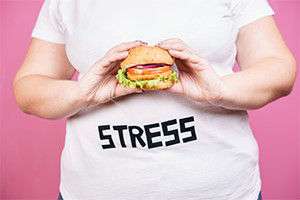
Stress eating, also known as emotional eating, refers to the act of consuming food in response to feelings rather than hunger.

This means that instead of eating because your body needs fuel, you are eating because you’re upset, anxious, or even bored.

It is a way to self-soothe, but it often leads to overeating, poor food choices, and weight gain.

The foods you are likely to reach for—think cookies, chips, and chocolate—are typically high in sugar and fat, which provide a temporary sense of relief but little nutritional value.

The Biological Link Between Stress and Eating

When you are stressed, your body releases cortisol, a hormone integral to the “fight or flight” response, preparing you to confront or escape perceived threats. Initially, stress can suppress appetite due to adrenaline. Stress and weight gain go hand in hand. You simply need to understand this connection.

However, with prolonged stress, elevated cortisol levels can increase appetite and cravings for high-calorie foods.

Cortisol’s Role in Stress Eating:

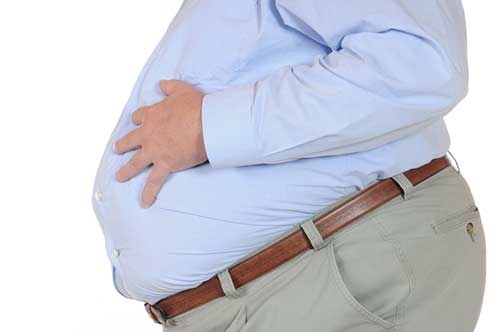
Cortisol not only boosts appetite but also encourages fat storage, particularly around the abdomen—a phenomenon often referred to as “stress belly.” Elevated cortisol levels signal the body to replenish energy stores, even if minimal energy has been expended, leading to overeating and potential weight gain.

Mechanisms Linking Stress to Increased Appetite:

  • Metabolic Influence: Cortisol stimulates fat and carbohydrate metabolism, creating a surge of energy. While essential for survival situations, this process also increases appetite, leading to potential overeating.

  • Insulin Interaction: Elevated cortisol levels can raise insulin production, which may lower blood sugar levels, prompting cravings for sugary and fatty foods.

Impact on Food Preferences:

Stress can alter food preferences, driving individuals toward high-fat, sugary “comfort foods.” This shift is partly due to cortisol’s effect on the brain, enhancing the reward value of such foods, which can lead to increased consumption and weight gain.

Consequences of Prolonged Elevated Cortisol:

Chronic high cortisol levels are associated with several health issues:

  • Weight Gain: Persistent elevated cortisol can lead to increased fat accumulation, particularly visceral fat, which is linked to metabolic disturbances.

  • Metabolic Disturbances: High cortisol levels can cause metabolic disturbances, increasing the risk of obesity-associated conditions.

Managing Stress to Control Cortisol Levels:

To mitigate the effects of stress on eating behaviors and weight gain, consider the following strategies:

  • Healthy Diet: Incorporate anti-inflammatory foods rich in omega-3 fatty acids, such as salmon and walnuts, to help regulate cortisol levels. Maintaining stable blood sugar by consuming low glycemic index carbohydrates, proteins, and healthy fats is crucial.

  • Regular Physical Activity: Engaging in regular exercise can help manage stress and regulate cortisol production.

  • Adequate Sleep: Ensuring sufficient sleep is vital, as sleep deprivation can elevate cortisol levels, leading to increased appetite and weight gain.

  • Mindfulness Practices: Techniques such as meditation and deep breathing can reduce stress and lower cortisol levels.

Understanding cortisol’s role in stress eating is crucial for developing effective strategies to manage stress-induced weight gain. By adopting healthy lifestyle habits, individuals can better control cortisol levels and maintain a balanced relationship with food.

How Stress Eating Leads to Weight Gain

How Stress Eating Leads to Weight Gain?

Stress eating does not just add a few extra calories here and there—it can significantly contribute to weight gain over time.

Here is how:

  1. Increased Caloric Intake: Stress drives you to consume more calories than your body needs, particularly from unhealthy foods. This excess energy is stored as fat, especially in the abdominal area.
  2. Cravings for High-Fat, High-Sugar Foods: Stress increases cravings for comfort foods that are rich in sugar and fat. These foods activate the brain’s reward system, providing a temporary sense of relief but also leading to overeating.
  3. Disrupted Metabolism: Chronic stress can alter your metabolism, making it harder to burn off the calories you consume. Studies show that people who eat under stress have a slower metabolic rate, meaning they burn fewer calories.
  4. Hormonal Imbalance: Elevated cortisol levels disrupt the balance of hunger hormones like insulin, ghrelin and leptin, making it harder to regulate appetite and satiety.
  5. Reduced Physical Activity: High stress levels often lead to fatigue and a lack of motivation to exercise, compounding the effects of excess calorie consumption.

Foods That Relieve Stress vs. Foods That Increase Stress

Not all foods are created equal when it comes to managing stress. Some can help alleviate stress, while others make it worse.

Foods That Relieve Stress:

  • Dark Chocolate: Contains antioxidants that can lower cortisol levels and improve mood.
  • Nuts and Seeds: Rich in healthy fats and magnesium, which can help reduce cortisol.
  • Fatty Fish: High in omega-3 fatty acids, which have been shown to lower stress hormones.
  • Leafy Greens: Packed with magnesium and folate, both of which are known to reduce stress and anxiety.
  • Whole Grains: Foods like oatmeal increase serotonin production, helping to combat stress.

Foods That Increase Stress:

  • Sugary Snacks: Cause rapid blood sugar spikes and crashes, increasing stress and fatigue.
  • Caffeine: Increases cortisol levels and can exacerbate anxiety and stress.
  • Alcohol: Though it may initially seem relaxing, alcohol disrupts sleep and can lead to increased anxiety.
  • Processed Foods: High in unhealthy fats and low in nutrients, these foods can worsen stress and mood disorders.

Stress Eating and Obesity: The Bigger Picture

Stress eating is a significant contributor to the obesity epidemic.

When people use food to cope with stress, they often consume more calories than they need, leading to weight gain over time.

But it is not just about calories; the hormonal imbalances caused by chronic stress, particularly elevated cortisol levels, make it easier to gain weight and harder to lose it, even with diet and exercise.

This cycle of stress eating and weight gain can lead to serious health problems like cardiovascular disease, diabetes, and depression.

Best Diet for Stress Belly

Reducing a stress belly is not just about cutting calories—it is about choosing the right foods to manage stress and support weight loss.

Here is what the best diet for stress belly looks like:

  1. High Protein, Low Carb: Choose lean proteins like chicken, turkey, and tofu to stabilize blood sugar levels and reduce cravings.
  2. Healthy Fats: Incorporate avocados, olive oil, and nuts, which help regulate cortisol and keep you full longer.
  3. Anti-Inflammatory Foods: Include foods like turmeric, ginger, and fatty fish to reduce inflammation and support weight loss.
  4. Fiber-Rich Foods: Opt for vegetables, fruits, and whole grains to promote digestive health and satiety.

Emotional Eating Solutions

Breaking free from the cycle of emotional eating requires a multi-faceted approach.

Here are some effective emotional eating solutions:

  1. Mindful Eating: Practice being present during meals. Chew slowly, savor each bite, and listen to your body’s hunger and fullness cues.
  2. Stress Management Techniques: Engage in activities like yoga, meditation, or deep breathing exercises to manage stress without resorting to food.
  3. Healthy Alternatives: Keep healthy snacks like fruits, nuts, and yogurt readily available to combat the urge to reach for junk food.
  4. Seek Support: If stress eating is affecting your life significantly, consider talking to a therapist or nutritionist who can provide personalized guidance.

Impact of Stress on Eating Disorders

Impact of Stress on Eating Disorders

Stress can also trigger or exacerbate eating disorders like binge eating disorder, anorexia, or bulimia.

The relationship between eating disorder and stress is complex, as stress can trigger disordered eating patterns and vice versa.

For those already struggling with an eating disorder, stress can make it difficult to maintain healthy eating behaviors, complicating recovery.

Recognizing stress as a trigger and seeking professional help is crucial for managing these conditions effectively.

FAQs on Stress Eating and Body Fat:

Q-1: What are emotional triggers for overeating and how can you control them?

A-1: Emotional triggers like stress, boredom, sadness, and anxiety are major drivers of overeating.

In the U.S., nearly 38% of adults report overeating due to stress, according to the American Psychological Association.

These triggers activate the brain’s reward system, pushing cravings for high-calorie comfort foods.

To control them, experts recommend identifying patterns through journaling and practicing mindful eating.

Studies show that mindfulness-based interventions can reduce binge eating episodes by up to 40%.

Simple habits like pausing before eating and asking “Am I physically hungry?” can break the emotional loop effectively.

Q-2: How can you stop emotional eating when stressed or anxious naturally?

A-2: Stress-related eating is extremely common—about 27% of Americans say they eat to manage stress daily.

According to the Centers for Disease Control and Prevention, chronic stress raises cortisol levels, which increases appetite and fat storage.

Natural strategies include walking, deep breathing, and hydration.

Even a 10-minute walk can lower cortisol by 10–15%, reducing cravings.

Herbal teas, proper sleep, and structured meal timing also help regulate hunger hormones.

Replacing food with healthier coping tools like journaling or talking to a friend significantly reduces emotional eating episodes over time.

Q-3: Why do people overeat when they feel sad or bored, and how can it be fixed?

A-3: Sadness and boredom often lead to overeating because food temporarily boosts dopamine—the brain’s “feel-good” chemical.

Research from the National Institutes of Health shows that emotional eating is linked to dopamine-driven reward pathways, similar to addictive behaviors.

Around 60% of emotional eaters report boredom as a primary trigger.

Fixing this involves replacing food with engaging activities like hobbies, social interaction, or light exercise.

Structuring your day and limiting idle time can reduce boredom-induced snacking by nearly 25%, based on behavioral studies.

Q-4: What are the best ways to break emotional eating habits and lose weight?

A-4: Breaking emotional eating habits requires both psychological and behavioral strategies.

In the U.S., emotional eating contributes to nearly 20–30% of obesity cases.

Programs that combine cognitive behavioral therapy (CBT) with lifestyle changes show 50–60% long-term success rates.

Key steps include identifying triggers, planning meals, and avoiding ultra-processed foods.

Keeping a food and mood diary can reduce overeating frequency by up to 35%.

Gradual weight loss of 1–2 pounds per week is considered sustainable when emotional eating is addressed at its root.

Q-5: How can you identify emotional hunger vs physical hunger?

A-5: Emotional hunger comes on suddenly and craves specific comfort foods, while physical hunger builds gradually and accepts any food.

Studies show that over 70% of binge eating episodes are emotionally triggered rather than physically driven.

The Harvard T.H. Chan School of Public Health emphasizes mindful eating techniques to distinguish between the two.

Physical hunger is accompanied by stomach signals, while emotional hunger is linked to mood shifts.

Recognizing this difference can reduce unnecessary calorie intake by 300–500 calories per day.

Q-6: What are proven strategies to stop binge eating due to emotions?

A-6: Binge eating affects about 2.8 million adults in the U.S. annually.

Proven strategies include structured eating schedules, therapy, and stress management. According to the National Eating Disorders Association, CBT reduces binge frequency by up to 70%.

Eating balanced meals every 3–4 hours stabilizes blood sugar and reduces cravings.

Additionally, removing trigger foods from easy access and practicing portion control can cut binge episodes by 30–50%.

Support groups and accountability partners also improve long-term success.

Q-7: How do stress and anxiety lead to overeating and weight gain?

A-7: Stress and anxiety increase cortisol levels, which boosts appetite and encourages fat storage—especially abdominal fat.

The American Heart Association reports that chronic stress is linked to a 45% higher risk of weight gain.

High cortisol also disrupts insulin sensitivity, making it easier to store fat.

Emotional eaters consume 300–600 extra calories daily on average, leading to gradual weight gain.

Managing stress through exercise, meditation, and proper sleep (7–9 hours) can significantly reduce this risk.

Q-8: What daily habits can prevent emotional eating and food cravings?

A-8: Consistent daily habits play a huge role in preventing emotional eating.

Research shows that people who follow structured routines experience 20–25% fewer cravings.

Key habits include eating balanced meals, staying hydrated, and getting adequate sleep.

The Sleep Foundation notes that sleep deprivation increases hunger hormones by 15–20%.

Regular physical activity, even 30 minutes a day, reduces stress and improves appetite control.

Planning meals ahead also decreases impulsive eating by nearly 40%.

Q-9: How can emotional eating be managed without dieting or restriction?

A-9: Restrictive dieting often backfires—studies show that 80% of dieters regain lost weight within a year.

Instead, intuitive eating and mindful eating approaches are more effective. These focus on listening to hunger cues rather than restricting food.

According to the Academy of Nutrition and Dietetics, intuitive eating improves psychological well-being and reduces binge episodes by up to 45%.

Allowing all foods in moderation prevents the “forbidden food” effect, reducing cravings and emotional overeating.

Q-10: What are the psychological reasons behind overeating and how can they be overcome?

A-10: Overeating is often rooted in psychological factors like stress, trauma, low self-esteem, and habit conditioning.

Around 75% of overeating cases are linked to emotions rather than hunger.

The Mayo Clinic highlights that emotional eating is a learned behavior that can be unlearned through awareness and coping strategies.

Therapy, especially CBT, helps individuals reframe thoughts and behaviors around food.

Practicing self-compassion and stress management can reduce emotional eating patterns by 50% or more over time.

Free Tip of the Day:

Emotional eating is widespread in the U.S., but it is also highly manageable. Backed by science and statistics, the key lies in awareness, small habit changes, and consistent emotional regulation strategies.

Takeaway: How to Beat Stress Eating for Good?

So, is stress eating making you fat?

The answer is “yes”.

Stress eating not only leads to weight gain but can also cause long-term health problems if not addressed.

By understanding the connection between stress and eating, choosing the right foods, and practicing mindful eating, you can break the cycle and regain control over your health.

Managing stress is just as important as managing your diet.

With the right strategies, you can enjoy a balanced, stress-free relationship with food.

Free Tip of the Day: By adopting healthier eating habits, practicing mindful stress management techniques, and seeking support when needed, you can prevent stress eating from controlling your life and making you gain unwanted weight.

References:

  • How Chronic Stress Drives the Brain to Crave Comfort Food
  • Why Trust LeanAndFit.info?
  • For educational purposes only
  • Home
  • About Us
  • Contact Us
  • Privacy Policy
  • Affiliate Disclosure

Copyright © 2026 Leanandfit.info, ALL RIGHTS RESERVED.