
Emotional eating is more than just grabbing a snack when you feel down.
Scientists found that stress hormones like cortisol can completely override your natural hunger signals and push you to eat even when you are not hungry.
Most people think it is all about willpower, but the real story is much deeper and wired right into your brain chemistry.
Table of Contents
- What Are Emotional Eating Triggers?
- Why Do Emotional Eating Triggers Matter?
- The Psychology Behind Emotional Eating Triggers
- Common Types of Emotional Eating Triggers
- Real-World Effects of Emotional Eating Triggers on Health
Quick Summary
| Takeaway | Explanation |
|---|---|
| Identify emotional triggers | Recognize stress, anxiety, and loneliness as key emotional eating triggers. |
| Acknowledge neurochemical effects | Understand hormones like cortisol can override hunger signals, influencing eating behaviors. |
| Break the emotional eating cycle | Develop healthier strategies for emotional regulation rather than relying on food. |
| Understand long-term health risks | Recognize that chronic emotional eating can lead to obesity, metabolic syndrome, and psychological issues. |
| Adjust your environment | Be mindful of situational triggers, such as social settings and routines that may prompt eating without hunger. |
What Are Emotional Eating Triggers?
Emotional eating represents a complex psychological phenomenon where individuals consume food not out of physical hunger, but as a response to emotional states.
These emotional eating triggers transform food from a source of nutrition into a coping mechanism for managing difficult feelings.
Understanding how emotions drive eating behaviors reveals the intricate connection between our psychological experiences and nutritional choices.
Psychological Roots of Emotional Eating:
Emotional eating stems from deeply ingrained psychological patterns where food becomes a method of emotional regulation.
Key emotional states that commonly trigger this response include:
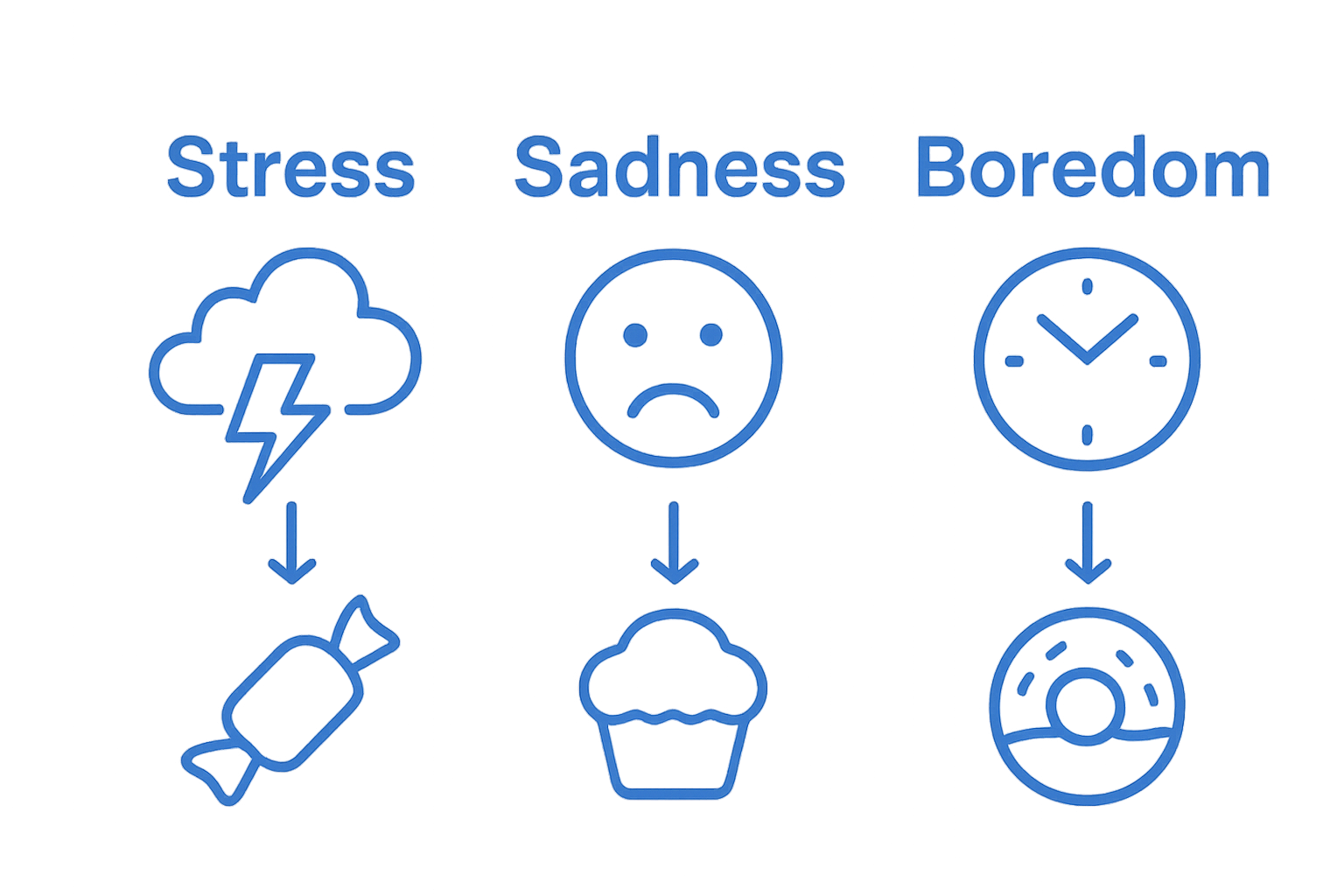
- Stress: High-pressure situations activate cortisol, increasing appetite and desire for comfort foods
- Anxiety: Consuming food provides temporary distraction and perceived emotional relief
- Sadness: Food becomes a temporary mood enhancement strategy
- Boredom: Eating fills emotional emptiness and provides momentary stimulation
- Loneliness: Food serves as a substitute for emotional connection
These emotional states create a neurochemical response where consuming food, particularly high-calorie or sugar-rich items, temporarily stimulates pleasure centers in the brain.
The immediate gratification reinforces the behavioral pattern, making emotional eating a cyclical mechanism for emotional management.
Biological Mechanisms Behind Emotional Eating:
The connection between emotions and eating is not merely psychological but also deeply rooted in biological processes.
When experiencing intense emotions, the body releases stress hormones like cortisol and adrenaline, which can dramatically alter appetite regulation.
These hormonal shifts can override natural hunger signals, causing individuals to eat despite not experiencing physical hunger.
Moreover, certain foods trigger the release of serotonin and dopamine neurotransmitters, creating a temporary mood elevation.
This neurochemical reward system explains why individuals often gravitate towards high-carbohydrate or sugar-rich foods during emotional distress.
The brain essentially learns to associate emotional discomfort with food-based comfort, establishing a potentially harmful psychological pattern.
By understanding these intricate emotional eating triggers, individuals can develop more healthier emotional regulation strategies and break the cycle of using food as an emotional crutch.
Read our comprehensive guide on breaking emotional eating patterns.
Why Do Emotional Eating Triggers Matter?
Emotional eating triggers are not merely a dietary inconvenience but a significant psychological and physiological phenomenon with profound health implications.
Research indicates that understanding these triggers is crucial for addressing complex relationships between mental health, nutrition, and overall wellness.
Psychological and Health Consequences:
Emotional eating triggers can lead to severe long-term consequences that extend far beyond immediate nutritional choices.
The psychological impact creates a destructive cycle where negative emotions drive unhealthy eating behaviors, which in turn generate additional emotional distress.
Key consequences include:
- Mental Health Deterioration: Recurring emotional eating can intensify feelings of guilt, shame, and low self-esteem
- Weight Management Challenges: Consistent consumption of high-calorie comfort foods leads to potential obesity
- Disrupted Metabolic Functioning: Irregular eating patterns interfere with natural hunger and satiety signals
- Increased Risk of Eating Disorders: Emotional eating can progress into more complex disordered eating behaviors
These interconnected consequences demonstrate why recognizing and addressing emotional eating triggers is fundamental to holistic personal health management.
Long Term Physical Health Risks:
Beyond immediate psychological impacts, emotional eating triggers pose significant risks to physical health.
Chronic emotional eating can contribute to metabolic syndrome, insulin resistance, and increased cardiovascular disease risk.
The body responds to frequent stress-induced eating by altering hormonal balance, particularly cortisol and insulin levels, which can create a cascading effect of potential health complications.
Moreover, the neurochemical reward system reinforces this pattern.
Each time an individual uses food to manage emotions, the brain strengthens the neural pathway connecting emotional discomfort with food consumption.
This neuroplastic response makes breaking the cycle increasingly difficult over time.
Understanding these triggers is not about creating additional stress but empowering individuals to develop healthier emotional regulation strategies.
Learn more about breaking emotional eating patterns and reclaiming control over both emotional and physical wellness.
The Psychology Behind Emotional Eating Triggers
Emotional eating is a complex psychological mechanism where individuals use food as a primary strategy for emotional regulation and coping.
According to research from Harvard Health, this behavioral pattern represents a sophisticated psychological response to internal emotional experiences.
Psychological Coping Mechanisms:
At its core, emotional eating functions as a maladaptive emotional regulation strategy.
When individuals encounter challenging emotional states, they often perceive food as a reliable mechanism for temporary emotional relief.
This psychological process involves several intricate psychological defense mechanisms:
- Distraction: Consuming food provides momentary mental escape from uncomfortable emotions
- Comfort: Certain foods trigger neurochemical responses that simulate emotional soothing
- Control: Eating becomes a perceived method of managing overwhelming emotional experiences
- Numbing: Food consumption temporarily suppresses intense emotional sensations
- Reward: The brain associates eating with positive neurochemical responses
These mechanisms reveal how emotional eating transcends simple nutritional consumption, functioning as a complex psychological survival strategy developed through personal experiences and neurological conditioning.
Neurochemical Reward Systems:
The psychological foundation of emotional eating is deeply rooted in neurochemical processes.
When individuals consume food during emotional distress, the brain releases neurotransmitters like dopamine and serotonin, creating temporary feelings of pleasure and emotional stability.
This neurochemical reward system essentially trains the brain to view food as an emotional management tool.
This table compares the psychological coping mechanisms and the neurochemical reward systems involved in emotional eating, clarifying their distinct roles in influencing behavior.
| Mechanism Type | Description | Example Effect on Eating Behavior |
|---|---|---|
| Distraction (Psychological) | Eating offers temporary escape from negative emotions | Snacking during stressful periods |
| Comfort (Psychological) | Food consumption provides emotional soothing | Turning to sweets when feeling sad |
| Control (Psychological) | Eating used to gain a sense of control over emotions | Choosing specific foods during anxiety |
| Numbing (Psychological) | Suppression of intense feelings through eating | Eating mindlessly to avoid emotional pain |
| Reward (Neurochemical) | Dopamine and serotonin release creates feelings of pleasure | Repeated cravings for high-carb snacks |
| Stress Hormones (Cortisol) | Increases appetite for high-calorie foods during emotional distress | Binge-eating after arguments or tough days |
Stress hormones play a critical role in this psychological mechanism. Cortisol, released during emotional tension, increases appetite and creates a biological predisposition toward consuming high-calorie, comfort foods.
This physiological response transforms eating from a nutritional activity into an emotional coping mechanism.
Understanding these psychological dynamics is crucial for developing healthier emotional regulation strategies.
Discover strategies for breaking emotional eating patterns and reclaiming emotional autonomy.
Common Types of Emotional Eating Triggers
Emotional eating triggers represent complex psychological stimuli that prompt individuals to consume food as an emotional coping mechanism.
Research from the National Institutes of Health reveals that these triggers are diverse and deeply rooted in individual psychological experiences.
Negative Emotional States:
Negative emotional experiences frequently serve as powerful catalysts for emotional eating.
These emotional states disrupt psychological equilibrium and drive individuals toward food as a temporary relief mechanism:
- Stress: Work pressures, financial concerns, and personal challenges generate significant psychological tension
- Anxiety: Overwhelming feelings of worry and uncertainty trigger compensatory eating behaviors
- Sadness: Emotional pain and depression create strong impulses toward comfort eating
- Loneliness: Isolation and social disconnection prompt food as a substitute for emotional connection
- Frustration: Unresolved emotional conflicts drive individuals to seek immediate emotional regulation through food
These emotional states demonstrate how psychological discomfort can transform food from a nutritional necessity into an emotional regulation tool.
Situational and Environmental Triggers:
Beyond internal emotional experiences, external circumstances can substantially influence emotional eating patterns.
Environmental and situational triggers often create unconscious eating behaviors that individuals might not immediately recognize.
These include social gatherings, workplace environments, and specific personal routines that activate automatic eating responses.
Particularly notable are scenarios involving boredom and habit-driven consumption.
Explore how boredom contributes to mindless eating patterns, where individuals consume food not from hunger, but as a method of filling emotional or temporal voids.
Such triggers reveal the complex interplay between psychological states and nutritional behaviors, highlighting how deeply ingrained emotional eating can become in personal routines.
The table below summarizes the most common negative emotional states and situational triggers that can lead to emotional eating, helping readers quickly identify and differentiate each category.
| Trigger Type | Example States/Situations | Description |
|---|---|---|
| Stress | Work pressure, financial concerns | Induces cortisol release, increases desire for comfort food |
| Anxiety | Uncertainty, overwhelming worry | Eating provides temporary distraction and relief |
| Sadness | Emotional pain, depression | Food is used to elevate mood temporarily |
| Boredom | Lack of stimulation, unstructured time | Eating fills emotional emptiness or offers stimulation |
| Loneliness | Isolation, social disconnection | Food substitutes for emotional connection |
| Frustration | Unresolved emotional conflicts | Immediate emotional regulation through food |
| Social/Environmental | Gatherings, habitual routines, workplace environments | Unconscious or situationally prompted eating |
Real-World Effects of Emotional Eating Triggers on Health
Research demonstrates that emotional eating triggers have profound and multifaceted implications for individual physical and psychological health.
These triggers transform eating from a nutritional necessity into a complex health risk factor with far-reaching consequences.
Physical Health Consequences:
Emotional eating triggers generate significant physiological disruptions that extend beyond immediate nutritional intake. The consistent consumption of high-calorie comfort foods during emotional distress creates substantial health risks:
- Metabolic Syndrome: Repeated emotional eating increases insulin resistance and disrupts metabolic processes
- Weight Gain: Uncontrolled eating patterns lead to progressive body mass increases
- Cardiovascular Risks: Consistent stress eating contributes to elevated blood pressure and cholesterol levels
- Hormonal Imbalances: Chronic emotional eating disrupts natural hormonal regulation mechanisms
- Compromised Immune Function: Nutritional stress can weaken the body’s natural defense systems
These physical manifestations underscore how emotional eating transcends psychological experiences and directly impacts bodily functioning.
Psychological and Neurological Impact:
Chronic emotional eating triggers profound neurological transformations, creating self-reinforcing psychological patterns.
The brain develops robust neural pathways that associate emotional discomfort with food consumption, essentially rewiring natural hunger and satiety mechanisms.
Moreover, the recurring cycle of emotional eating generates additional psychological distress. Individuals often experience heightened feelings of guilt, diminished self-esteem, and increased anxiety surrounding their eating behaviors.
Learn more about stress-related emotional eating patterns, which demonstrate how these triggers create a complex feedback loop of psychological and physiological challenges.
Ready to Break Free from Emotional Eating Triggers?
If you recognize your own struggles in the cycle of stress, sadness, or boredom-driven eating, you are not alone. Emotional eating can feel overwhelming, but learning what sets it off is the first step toward lasting change.
At Emotional Eating – LeanAndFit, you will find plain advice and real strategies targeting the exact triggers and patterns discussed in the article. Our resources help you replace food-centered coping habits with more empowering, healthy alternatives.
Now is the moment to transform your relationship with food. To take back control over your habits, start exploring our Mindful Eating techniques and discover a range of practical tools to manage cravings and emotions. Your next step to a more balanced life starts here.
Frequently Asked Questions:
This FAQ is all about understanding the hidden emotional triggers that quietly influence our eating habits.
It explores why we often turn to food when we’re not physically hungry and how it impacts our health.
Think of it as a friendly guide to decoding your emotions and building a healthier relationship with food.
Q-1: Why do I suddenly feel hungry right after an emotional conversation?
A-1: That “hunger” you feel is often not physical—it is emotional. Intense conversations can trigger stress hormones like cortisol, which can increase cravings, especially for comfort foods.
Your brain is basically looking for a quick way to feel safe and soothed, and food becomes the easiest option.
It is less about your stomach and more about your emotional state trying to stabilize itself. Recognizing this pattern is the first step toward breaking it.
Q-2: Can boredom trick my brain into thinking I need food?
A-2: Absolutely, and it happens more often than people realize. When your mind isn’t engaged, it looks for stimulation—and eating is an easy, rewarding activity.
Food provides a temporary “dopamine hit,” which makes boredom feel less dull. Over time, this creates a habit loop where boredom automatically leads to snacking.
The key is to replace that loop with something equally engaging, like a quick walk, music, or even a short task.
Q-3: Why do I crave specific foods like sweets when I’m stressed?
A-3: Stress changes how your brain processes rewards.
Sugary and high-fat foods trigger pleasure centers in your brain, giving you a quick emotional lift. It is your body’s way of coping, even though it is not the healthiest strategy.
These cravings aren’t random—they’re learned responses based on past experiences where certain foods made you feel better. Over time, your brain starts associating stress relief with those foods.
Q-4: Is emotional eating always a bad thing?
A-4: Not necessarily.
Eating for comfort once in a while is completely normal and human. The problem arises when it becomes your primary way of dealing with emotions.
If food is your go-to solution for stress, sadness, or even happiness, it can lead to unhealthy patterns.
The goal isn’t to eliminate emotional eating entirely but to balance it with healthier coping mechanisms.
Q-5: Why do I feel guilty after emotional eating, even if it helped me feel better temporarily?
A-5: That guilt often comes from the conflict between short-term comfort and long-term goals. While eating may provide immediate relief, it doesn’t address the root cause of your emotions.
Once the moment passes, you’re left with both the original feeling and the added guilt.
This creates a cycle where emotions lead to eating, which leads to guilt, which can trigger more emotional eating. Breaking this cycle requires self-awareness and self-compassion.
Q-6: Can emotional eating impact my metabolism or weight over time?
A-6: Yes, it can have a gradual but noticeable impact. Emotional eating often leads to consuming more calories than your body needs, especially from high-sugar or high-fat foods.
Over time, this can contribute to weight gain and disrupt your body’s natural hunger cues.
It may also affect how your body processes food, making it harder to maintain a healthy balance. The impact isn’t immediate, but it builds up over time.
Q-7: Why do certain places or situations trigger my urge to eat emotionally?
A-7: Your brain is excellent at forming associations. If you’ve repeatedly eaten in response to certain situations—like watching TV, working late, or feeling lonely—those contexts become triggers.
Even if you’re not hungry, being in that environment can spark the urge to eat.
It is like your brain is following a script it has learned over time. Changing the environment or routine can help break this association.
Q-8: How can I tell the difference between real hunger and emotional hunger?
A-8: Real hunger builds gradually and can be satisfied with a variety of foods. Emotional hunger, on the other hand, comes on suddenly and often craves specific comfort foods.
It is also usually tied to a feeling—like stress, sadness, or boredom. Another clue is satisfaction: physical hunger goes away after eating, while emotional hunger may linger or even lead to overeating.
Learning to pause and check in with yourself can help you identify the difference.