

Binge eating, characterized by consuming large quantities of food in a short period, has profound effects on metabolic rate.
This article by LeanAndFit research team explores how binge eating disrupts the body’s natural metabolic processes, contributing to weight gain and long-term health complications.
The idea here is the understand how binge eating disrupts metabolic rate.
We will analyze key aspects such as the impact of binge eating on metabolic hormones, the role of macronutrient imbalances, and how repeated episodes affect basal metabolic rate (BMR).
Real-life examples and scientific studies will illustrate these concepts, highlighting the importance of addressing binge eating to maintain metabolic health.
Index:
- Understanding Metabolic Rate and Its Components
- The Immediate Impact of Binge Eating on Metabolism
- Hormonal Dysregulation Due to Binge Eating
- The Role of Macronutrient Overload
- Long-Term Effects on Basal Metabolic Rate
- Real-Life Case Study: Sarah’s Struggle with Binge Eating
- Scientific Evidence Supporting Metabolic Disruption
- FAQs on Binge Eating and Metabolic Rate
- Conclusion
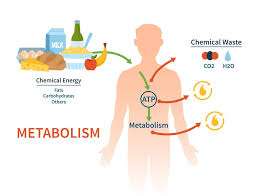
Understanding Metabolic Rate and Its Components
Metabolic rate refers to the rate at which the body expends energy to sustain essential functions such as breathing, digestion, and physical activity.
It plays a crucial role in determining overall energy balance and is divided into three primary components:
- Basal Metabolic Rate (BMR): This accounts for about 60-70% of total energy expenditure and refers to the energy required to maintain vital bodily functions at rest, including heart rate, brain activity, and cellular repair.
- Thermic Effect of Food (TEF): This represents around 10% of energy expenditure and refers to the calories burned during the digestion, absorption, and metabolism of food. Protein-rich foods have a higher thermic effect compared to fats and carbohydrates.
- Activity Energy Expenditure (AEE): This includes energy used during physical activities, such as structured exercise and non-exercise movements like walking or cleaning.
Scientific studies, such as those published in The American Journal of Clinical Nutrition, show that binge eating disrupts these components by overwhelming the body with a sudden influx of calories, leading to metabolic inefficiency.
This excess calorie load promotes fat storage, strains metabolic processes, and reduces the body’s ability to regulate energy efficiently. Prolonged binge eating episodes increase the risk of insulin resistance, obesity, and metabolic disorders.
The Immediate Impact of Binge Eating on Metabolism
When a binge episode occurs, the body is forced to process a sudden and overwhelming influx of calories. This strain disrupts normal metabolic processes, leading to the following outcomes:
- Insulin Spikes: A large intake of high-sugar or carbohydrate-rich foods triggers a rapid release of insulin to manage blood sugar levels. Repeated episodes of binge eating can desensitize cells to insulin, increasing the risk of insulin resistance and Type 2 diabetes.
- Digestive Overload: Although the thermic effect of food (TEF) momentarily increases as the digestive system works to process the meal, the sheer volume of food can overwhelm its efficiency, leading to bloating, indigestion, and nutrient malabsorption.
- Fat Storage: The body prioritizes storing excess calories as fat, particularly in the abdominal region, which is associated with higher risks of metabolic disorders.
Example: Imagine consuming a 3,000-calorie meal in one sitting.
This caloric excess far surpasses the body’s immediate energy needs, triggering a cascade of insulin activity and directing surplus calories into fat storage.
Over time, repeated binge episodes contribute to systemic metabolic disturbances, setting the stage for chronic health conditions such as obesity and cardiovascular disease.

Hormonal Dysregulation Due to Binge Eating
Binge eating creates significant imbalances in the body’s metabolic hormones, which regulate appetite, energy storage, and stress response.
These disruptions include:
- Insulin: Consuming large quantities of food, particularly those high in sugar, forces the pancreas to produce excessive insulin. Over time, cells become less responsive to insulin, leading to insulin resistance, which impairs blood sugar regulation and increases the risk of Type 2 diabetes.
- Leptin: This hormone, which signals satiety, becomes dysregulated with frequent binge eating. While calorie surpluses temporarily elevate leptin levels, chronic overeating can lead to leptin resistance, causing individuals to feel hungrier despite having sufficient energy stores.
- Ghrelin: Known as the hunger hormone, ghrelin levels may spike after binge episodes, creating a feedback loop of overeating and intensifying food cravings.
- Cortisol: Stress-related binge eating raises cortisol levels, a hormone linked to fat storage, particularly in the abdominal region. Elevated cortisol slows the metabolic rate and exacerbates weight gain.
Scientific Insight: A study published in Obesity Research & Clinical Practice (2019) found that individuals engaging in frequent binge eating had consistently elevated cortisol levels, contributing to abdominal fat accumulation and overall metabolic inefficiency.
These hormonal disruptions highlight the far-reaching consequences of binge eating on metabolic health.
The Role of Macronutrient Overload
Binge eating typically involves consuming excessive quantities of certain macronutrients, disrupting the body’s metabolic balance:
- Carbohydrates: Foods high in refined sugars cause a sharp rise in blood glucose levels, triggering rapid insulin secretion. Persistent episodes force the body to store excess glucose as fat, increasing the risk of insulin resistance.
- Fats: Overconsumption of unhealthy fats, particularly trans and saturated fats, overwhelms lipid metabolism. This results in elevated triglyceride levels and promotes fat deposition, particularly in the abdominal area.
- Proteins: While proteins have a higher thermic effect and are less likely to convert to fat directly, bingeing on protein-rich foods alongside carbs and fats adds to the metabolic strain.
Real-Life Example: Sarah, a university student, often binged on fast foods high in both sugar and unhealthy fats. Within months, her triglyceride levels spiked, and she developed insulin resistance, illustrating the metabolic disruption caused by unbalanced macronutrient intake during binges.
Long-Term Effects on Basal Metabolic Rate
Repeated binge episodes can trick your body into slowing down its metabolism, making it harder to burn calories efficiently. Imagine your metabolism as a well-tuned engine—binge eating throws it into overdrive and then slams on the brakes.
The result? A lower basal metabolic rate (BMR) as your body tries to adapt to these erratic eating patterns.
Here’s how it happens:
- Reduced Muscle Mass: Binge eating is often paired with a lack of physical activity, leading to muscle loss. Since muscle tissue burns more calories than fat, losing muscle decreases BMR.
- Adaptive Thermogenesis: Your body is a survival machine. When it senses frequent calorie surpluses, it lowers its energy expenditure to conserve resources for future use, slowing your metabolism.
- Fat Accumulation: Fat mass requires far less energy to maintain than lean muscle, further lowering BMR over time.
A 2020 study published in The American Journal of Clinical Nutrition found that individuals with binge eating disorder had a significantly lower BMR compared to those with balanced eating habits, even after accounting for body weight.
This metabolic slowdown can make weight management feel like an uphill battle, highlighting the importance of muscle-preserving activities and balanced nutrition.

Hazel’s Journey with Binge Eating
Let me walk you through Hazels journey:
Coping with Stress Through Food:
Hazel, a 35-year-old marketing professional, turned to binge eating as a way to cope with mounting work stress. Over two years, this habit led to a 40-pound weight gain, despite her attempts at intermittent dieting.
Metabolic Disruptions:
Binge eating affected Hazel’s metabolism significantly. Reduced muscle mass, coupled with hormonal imbalances like leptin resistance, caused her metabolic rate to decline.
As a result, Hazel frequently felt fatigued and struggled to manage her weight effectively, as her body became less efficient at burning calories.
Taking Steps Toward Recovery:
After consulting an endocrinologist, Hazel discovered that her binge eating was the root cause of her metabolic issues.
With a structured approach to addressing her eating habits and incorporating regular physical activity, she gradually improved her metabolic rate, regaining energy and achieving better weight management.
Scientific Evidence Supporting Metabolic Disruption
Research confirms the connection between binge eating and metabolic dysfunction:
- Journal of Eating Disorders (2021): Found that binge eating leads to a 30% increase in visceral fat, which impairs metabolic flexibility.
- Endocrinology and Metabolism (2018): Reported that frequent binge episodes reduce insulin sensitivity by 25%, increasing the risk of Type 2 diabetes.
- Metabolism Clinical and Experimental (2020): Highlighted that binge eating disrupts circadian rhythms, further slowing metabolic processes.
FAQs on Binge Eating & Your Metabolic Rate:
This FAQ unpacks how binge eating quietly interferes with your metabolism, making weight management harder over time. It answers real, often unspoken questions with practical, science-backed insights so you can understand what’s happening inside your body and how to regain control.
Q-1: Can a single binge eating episode slow down my metabolism immediately?
A-1: A single binge doesn’t permanently slow your metabolism, but it can temporarily disrupt it. After a large calorie intake, your body increases thermogenesis (calorie burning) by about 10–15% for a few hours. However, repeated binge episodes confuse hunger and energy regulation signals, leading to longer-term metabolic inefficiency. Studies show that frequent overeating can impair metabolic flexibility within weeks.
Q-2: Why do I feel more tired after binge eating instead of energized?
A-2: This happens because of blood sugar spikes and crashes. A binge—especially high in sugar and refined carbs—can raise blood glucose sharply, followed by a rapid drop. Research indicates that these fluctuations can reduce energy levels by up to 25% within hours, making you feel sluggish despite consuming excess calories.
Q-3: Does binge eating affect my resting metabolic rate (RMR)?
A-3: Yes, over time it can. Chronic binge eating is often followed by periods of restriction, which lowers RMR as the body tries to conserve energy. Studies show that inconsistent eating patterns can reduce resting metabolic rate by 5–10%, especially in individuals who cycle between overeating and dieting.
Q-4: How does binge eating impact insulin and fat storage?
A-4: Binge eating leads to repeated insulin spikes. High insulin levels signal your body to store fat rather than burn it. Research shows that frequent insulin surges can increase fat storage efficiency by up to 20%, particularly in the abdominal area, making weight gain more likely.
Q-5: Can binge eating damage my metabolic flexibility?
A-5: Yes, and this is a key issue. Metabolic flexibility is your body’s ability to switch between burning carbs and fat. Studies indicate that people who binge eat regularly have reduced metabolic flexibility, meaning their bodies rely more on glucose and struggle to burn fat efficiently, leading to weight gain over time.
Q-6: Why do I feel hungrier the day after a binge?
A-6: Binge eating disrupts hunger hormones like ghrelin and leptin. After a binge, leptin (which signals fullness) becomes less effective, while ghrelin (which triggers hunger) may increase. Research shows that this imbalance can raise hunger levels by up to 30% the following day, creating a cycle of overeating.
Q-7: Does binge eating slow down fat burning even if I exercise?
A-7: It can. While exercise boosts calorie burn, repeated binge eating can override this effect by increasing fat storage signals. Studies show that individuals who binge eat frequently may burn up to 15% less fat during exercise compared to those with consistent eating habits, due to hormonal imbalances.
Q-8: Can binge eating lead to long-term metabolic damage?
A-8: Yes, if it becomes a regular pattern. Chronic binge eating is linked to insulin resistance, which is a major metabolic disorder. Research indicates that individuals with frequent binge episodes have a 45% higher risk of developing metabolic syndrome, which includes slowed metabolism and increased fat storage.
Q-9: How quickly can my metabolism recover after stopping binge eating?
A-9: Recovery can begin within days but takes weeks for full stabilization. Hormonal balance and metabolic rate typically improve within 2–4 weeks of consistent, balanced eating. Studies show that adopting regular meal patterns can restore metabolic efficiency by up to 20% over time.
Q-10: What is the most effective way to prevent metabolic disruption from binge eating?
A-10: The key is consistency, not restriction. Eating balanced meals with protein, fiber, and healthy fats helps stabilize blood sugar and prevent extreme hunger. Research shows that people who maintain regular eating patterns reduce binge episodes by up to 50% and improve metabolic stability significantly.
Key Takeaway:
Binge eating doesn’t just affect your calorie intake—it disrupts the entire system that regulates how your body uses energy. The good news is that your metabolism is resilient. With consistent habits, balanced nutrition, and mindful eating, you can restore metabolic balance and break the cycle for good.
Conclusion
Binge eating significantly disrupts the body’s metabolic rate through a combination of hormonal imbalances, macronutrient overload, and long-term reductions in basal metabolic rate (BMR).
Excessive calorie intake during binges causes sharp insulin spikes, leading to eventual insulin resistance.
Concurrently, leptin and ghrelin dysregulation disrupt hunger and satiety signals, perpetuating cycles of overeating.
Macronutrient overload, especially from high-sugar and high-fat foods, overwhelms the body’s ability to metabolize nutrients efficiently, leading to fat accumulation and metabolic inefficiency.
Prolonged bingeing episodes can also lower BMR as the body adapts to irregular eating patterns, making it harder to maintain a healthy weight.
Addressing binge eating is essential to restoring metabolic health and preventing chronic conditions such as obesity, Type 2 diabetes, and cardiovascular diseases.
Understanding how binge eating impacts metabolism empowers individuals to make informed choices about their dietary habits and develop sustainable strategies for long-term health.
Recommended:
- https://leanandfit.info/how-obesity-leads-to-insulin-resistance-in-metabolic-syndrome/
- https://leanandfit.info/how-prolonged-sitting-impacts-metabolic-health/
- https://leanandfit.info/how-stress-impacts-metabolic-slowdown/
- https://leanandfit.info/how-abdominal-obesity-increases-the-risk-of-metabolic-syndrome/
- https://leanandfit.info/how-resistance-training-improves-metabolic-rate/
- https://academic.oup.com/jcem/article-abstract/84/2/428/2864122?redirectedFrom=fulltext
- https://leanandfit.info/what-is-metabolic-age/
- For educational purposes only
- Why Trust LeanAndFit.info?