

Prolonged sitting: it is something we have all been guilty of, whether binge-watching our favorite series, diving into a work project, or scrolling through social media.
But while sitting may feel harmless—or even necessary—research suggests it is wreaking havoc on our metabolic health.
From impaired blood sugar regulation to increased risks of chronic diseases, prolonged sitting quietly chips away at the foundation of our well-being.
In this article, LeanAndFit research team shall unpack the science behind how and why sitting too long impacts your metabolic health.
Table of Contents
- The Science of Sitting: Why Metabolism Suffers
- How Prolonged Sitting Affects Blood Sugar Levels
- The Connection Between Sitting and Insulin Resistance
- Does Sitting Cause Fat Storage?
- The Role of Reduced Muscle Activity in Metabolic Decline
- Real-Life Example: Kevin’s Wake-Up Call
- FAQs on Metabolic Health & Prolonged Sitting
- Conclusion: The Sitting-Metabolism Conundrum
The Science of Sitting: Why Metabolism Suffers?
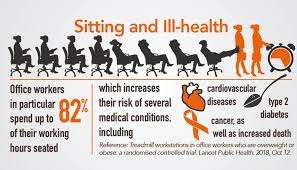
Sitting may seem harmless, but metabolically, it is anything but neutral. Prolonged sitting reduces muscle activity, particularly in large muscle groups like the glutes and thighs.
This inactivity slows your metabolism, decreasing your body’s ability to break down fats and sugars effectively.
A study published in the Journal of Applied Physiology revealed that sitting for extended periods significantly reduces lipoprotein lipase activity, an enzyme crucial for breaking down fat in the bloodstream.
Lower enzyme activity leads to fat accumulation and a higher risk of metabolic disorders.
When you sit for hours, your energy expenditure drops, meaning your body is not burning as many calories.
Over time, this caloric surplus can lead to weight gain, further straining metabolic health.
Blood sugar regulation is one of the first metabolic processes to falter when prolonged sitting becomes a habit.
Why?
The answer lies in the role of muscle activity in glucose metabolism.
When you sit for long hours, your muscles essentially go dormant.
Muscle contractions are critical for glucose uptake, as they activate a pathway that helps transport glucose from the bloodstream into cells to be used as energy.
Without regular muscle engagement, glucose remains in the bloodstream, leading to elevated blood sugar levels.
A study published in Diabetologia highlighted the profound impact of inactivity on post-meal blood sugar levels.
Participants who took short breaks from sitting every 30 minutes saw a 39% reduction in blood sugar spikes after meals compared to those who remained seated.
For individuals predisposed to metabolic disorders like prediabetes or type 2 diabetes, prolonged sitting worsens glucose dysregulation.
Elevated blood sugar levels over time can overwhelm the pancreas, which compensates by producing more insulin.
Eventually, this can lead to insulin resistance—a key precursor to type 2 diabetes.
The message is clear: prolonged sitting creates a metabolic bottleneck, making it harder for your body to manage glucose effectively.
Regular movement, even in small amounts, plays a crucial role in maintaining healthy blood sugar levels, emphasizing the importance of breaking up sedentary time with frequent activity.
The Connection Between Sitting and Insulin Resistance
Let’s dive into insulin resistance—one of the hallmark conditions exacerbated by prolonged sitting.
Insulin resistance occurs when your body’s cells stop responding effectively to insulin, the hormone responsible for transporting glucose from the bloodstream into cells for energy.
As a result, glucose remains in the blood, prompting the pancreas to produce more insulin.
This compensatory mechanism leads to chronically high insulin levels, eventually causing elevated blood sugar and increasing the risk of metabolic disorders like type 2 diabetes.
So, where does prolonged sitting come in?
Prolonged periods of inactivity reduce muscle contractions, which play a crucial role in glucose uptake.
This inactivity lowers insulin sensitivity, meaning the same amount of insulin is less effective in regulating blood sugar.
According to a study published in the American Journal of Physiology, even just one day of sedentary behavior can significantly decrease insulin sensitivity.
This alarming finding underscores how quickly sitting can start impairing the body’s glucose regulation mechanisms.
Over time, this sedentary-induced insulin resistance creates a metabolic environment ripe for dysfunction, particularly for individuals with predisposing factors like obesity, a poor diet, or a family history of diabetes.
It is a stark reminder that prolonged sitting is not just about being stationary—it is about the ripple effects it triggers in the body’s ability to manage energy effectively.
Does Sitting Cause Fat Storage?
Here is a reality check: prolonged sitting does not just keep you stationary; it actively encourages fat storage in your body.
But why does this happen?
- Reduced Caloric Burn: Sitting burns far fewer calories compared to standing or moving. When your caloric intake exceeds what you burn, the surplus is stored as fat. Over time, this energy imbalance contributes to weight gain and fat accumulation, particularly in sedentary individuals.
- Lipoprotein Lipase Suppression: Sitting also impacts fat metabolism at the enzymatic level. Lipoprotein lipase, a crucial enzyme responsible for breaking down triglycerides (fats) in the bloodstream, becomes less active during prolonged sitting. This inactivity results in higher levels of circulating triglycerides, which are subsequently stored as fat.
The impact of sitting does not stop there. Research highlights a strong correlation between sedentary behavior and visceral fat—fat stored around your organs.
Unlike subcutaneous fat, which sits just beneath the skin, visceral fat is metabolically active, releasing inflammatory markers that increase the risk of cardiovascular diseases and type 2 diabetes.
For instance, a study published in Medicine & Science in Sports & Exercise found that individuals who sat for extended periods were significantly more likely to have higher levels of visceral fat, even if their overall body weight was normal.
In essence, prolonged sitting creates a metabolic environment that prioritizes fat storage, emphasizing the importance of regular movement throughout the day to combat these effects.
The Role of Reduced Muscle Activity in Metabolic Decline
Muscles are not just for flexing—they are metabolic powerhouses that play a vital role in maintaining overall health.
Prolonged sitting leads to significant reductions in muscle activity, and when your muscles remain idle, they lose their efficiency in taking up glucose and fatty acids from the bloodstream.
This inactivity disrupts metabolic balance, contributing to a condition known as metabolic inflexibility.
In this state, the body struggles to switch between burning carbohydrates and fats for energy. Over time, your muscles “forget” their metabolic roles, exacerbating issues like insulin resistance and fat accumulation.
A report in the British Journal of Sports Medicine highlighted that prolonged sitting reduces skeletal muscle activity by up to 90%, severely impairing processes such as glucose uptake and fat oxidation.
Without regular muscle engagement, the body becomes less effective at regulating blood sugar levels and metabolizing fats, creating a cascade of metabolic issues.
Additionally, inactive muscles contribute to decreased resting metabolic rate (RMR), meaning fewer calories are burned even when at rest.
This decline in muscle-driven metabolic activity is a key reason why sedentary behavior is strongly linked to obesity, type 2 diabetes, and cardiovascular diseases.
Breaking this cycle requires regular movement—whether through standing breaks, short walks, or simple desk exercises—to keep muscles active and metabolically engaged.
Kevin’s Wake-Up Call
Meet Kevin, a 45-year-old accountant whose desk job dictated his sedentary lifestyle.
On any given day, Kevin would spend 10 hours sitting—whether at his office desk, commuting in his car, or unwinding on the couch.
Over time, this routine began to take its toll. Kevin noticed gradual weight gain, persistent fatigue, and, during a routine health check, his doctor flagged elevated blood sugar levels.
Alarmed, Kevin sought answers. His doctor explained that his prolonged sitting was a primary factor in his metabolic decline.
Sitting for extended periods had reduced his muscle activity, slowed his glucose uptake, and impaired his body’s ability to burn fat efficiently.
In short, his lifestyle was setting the stage for metabolic dysfunction.
Determined to make a change, Kevin began small.
He stood for 5 minutes every hour, took short walks during lunch breaks, and even invested in a standing desk.
Within three months, Kevin experienced remarkable improvements: his blood sugar levels normalized, he lost 5 kilograms, and he felt more energetic—all without drastic dietary overhauls.
Kevin’s story underscores the transformative power of small, consistent changes.
Breaking the cycle of prolonged sitting does not require monumental shifts—simple steps can yield profound metabolic benefits.
The FAQ Section:
Q-1. How does prolonged sitting affect metabolic health and insulin resistance?
A-1. Prolonged sitting slows down your metabolism, especially your body’s ability to regulate blood sugar.
When you sit for long hours, large muscle groups like the legs and glutes remain inactive, reducing glucose uptake.
In the United States, nearly 1 in 3 adults shows signs of insulin resistance, a major metabolic concern.
Sitting for extended periods reduces insulin sensitivity, meaning your body needs more insulin to manage blood sugar.
Over time, this increases the risk of type 2 diabetes and metabolic syndrome.
Even if you exercise daily, long uninterrupted sitting can still negatively affect metabolic health.
Q-2. What is the impact of a sedentary lifestyle on metabolism and weight gain risk?
A-2. A sedentary lifestyle significantly slows calorie burning, making weight gain more likely.
In the U.S., over 42% of adults are classified as obese, and inactivity is a major contributing factor.
When you sit for most of the day, your body burns fewer calories, and fat storage increases, especially around the abdomen.
This leads to a slower metabolic rate and reduced energy expenditure.
Over time, even a small daily calorie surplus can result in noticeable weight gain, making prolonged sitting a silent contributor to obesity.
Q-3. How does sitting too long affect blood sugar and insulin sensitivity?
A-3. Sitting for long periods reduces your muscles’ ability to absorb glucose efficiently, leading to higher blood sugar levels.
In the U.S., about 37 million people live with diabetes, and many more are prediabetic.
Prolonged sitting can cause blood sugar spikes, especially after meals.
When muscles are inactive, glucose stays in the bloodstream longer, forcing the pancreas to produce more insulin.
Over time, this can lead to insulin resistance, making blood sugar control more difficult and increasing the risk of metabolic disorders.
Q-4. Is there a link between prolonged sitting and metabolic syndrome in adults?
A-4. Yes, prolonged sitting is strongly linked to metabolic syndrome—a cluster of conditions including high blood pressure, high blood sugar, excess abdominal fat, and abnormal cholesterol levels.
In the U.S., nearly 35% of adults meet the criteria for metabolic syndrome.
Sitting for extended periods contributes to each of these risk factors by slowing metabolism and reducing fat breakdown.
Over time, this combination increases the risk of heart disease, stroke, and diabetes.
Q-5. What are the effects of sedentary behavior on glucose metabolism and obesity?
A-5. Sedentary behavior disrupts glucose metabolism by reducing how efficiently your body processes sugar.
This leads to higher blood glucose levels and increased fat storage. In the U.S., sedentary lifestyles are common, with many adults spending 6–8 hours daily sitting.
This inactivity not only contributes to obesity but also worsens metabolic health.
The body becomes less efficient at using energy, leading to a cycle of weight gain and metabolic dysfunction.
Q-6. Can breaking up sitting time improve metabolic health outcomes?
A-6. Yes, breaking up sitting time can significantly improve metabolic health.
Even short movement breaks every 30–60 minutes can boost circulation and improve glucose regulation.
In the U.S., workplace wellness programs increasingly encourage movement because studies show that regular activity breaks can reduce blood sugar spikes by 20–30%.
Simple actions like standing, stretching, or walking for a few minutes can make a noticeable difference in metabolic function.
Q-7. How does prolonged sitting impact cardiovascular and metabolic risk?
A-7. Prolonged sitting increases both cardiovascular and metabolic risks by slowing blood flow and reducing fat metabolism.
In the U.S., heart disease remains the leading cause of death, accounting for about 1 in 5 deaths annually.
Sitting for long periods contributes to higher cholesterol levels, increased blood pressure, and reduced circulation.
These factors, combined with poor metabolic health, significantly raise the risk of heart-related conditions.
Q-8. How do desk jobs and long sitting hours affect metabolism?
A-8. Desk jobs often require sitting for extended periods, which can negatively impact metabolism.
In the U.S., a large portion of the workforce spends most of the day seated, leading to reduced physical activity levels.
This inactivity slows calorie burning and affects how the body processes nutrients.
Over time, it can lead to weight gain, insulin resistance, and reduced metabolic efficiency.
Incorporating small movement breaks during work hours can help counter these effects.
Q-9. What are the metabolic consequences of sitting all day without physical activity?
A-9. Sitting all day without movement leads to a range of metabolic issues, including reduced insulin sensitivity, increased fat storage, and slower calorie burning.
In the U.S., physical inactivity is linked to a significant percentage of chronic diseases.
Without regular movement, the body’s metabolic processes become less efficient, increasing the risk of obesity, diabetes, and cardiovascular disease.
Even light activity can help maintain metabolic balance.
Q-10. How does a sedentary lifestyle increase the risk of type 2 diabetes and obesity?
A-10. A sedentary lifestyle increases the risk of type 2 diabetes and obesity by reducing energy expenditure and impairing glucose regulation.
In the U.S., millions of adults are at risk due to low activity levels and prolonged sitting.
When the body remains inactive, it becomes less responsive to insulin, leading to higher blood sugar levels.
Over time, this contributes to weight gain and increases the likelihood of developing type 2 diabetes.
Regular movement and reducing sitting time are key to lowering these risks.
Free Tip of the Day:
Prolonged sitting has a powerful impact on metabolic health, influencing everything from blood sugar control to weight gain and cardiovascular risk.
In the U.S., where sedentary lifestyles are increasingly common, understanding these effects is crucial.
The good news is that small, consistent changes—like standing more often, taking short walks, and staying active—can significantly improve metabolic health and reduce long-term risks.
Takeaway: The Sitting-Metabolism Conundrum
Prolonged sitting isn’t just a bad habit— is a global metabolic risk.
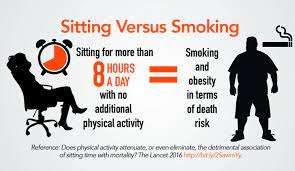
Research shows that sitting for more than 8 hours a day can increase the risk of early death by up to 59%, even in otherwise healthy adults.
Physically inactive lifestyles are linked to nearly 3.2 million deaths worldwide each year, according to the World Health Organization.
When you sit for long periods, muscle activity drops sharply, reducing glucose uptake by as much as 40% and slowing fat metabolism.
This creates a perfect storm for insulin resistance, weight gain, and poor blood sugar control.
The good news? Small changes deliver big results.
Studies suggest that just 2–5 minutes of light walking every 30 minutes can significantly improve blood glucose levels.
Standing, stretching, or simply moving more throughout the day helps reactivate your metabolism.
The takeaway is simple and science-backed: sit less, move more, and your body will thank you—one step at a time.
References: