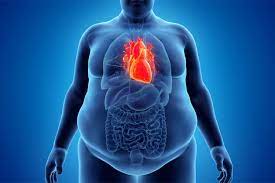
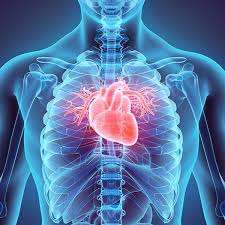
Obesity is no longer just a cosmetic concern—it is a full-blown health crisis.
Beyond making it harder to squeeze into your favorite jeans, obesity carries a heavy toll on your cardiovascular health.
This article dives deep into the hows and whys of this relationship, exploring the science behind obesity and cardiovascular disease.
LeanAndFit will discuss:
- How obesity affects the heart and blood vessels.
- Why BMI matters in cardiovascular health.
- The connection between obesity and coronary artery disease.
- Real-life examples to bring the science home.
- FAQs on Obesity & Cardiovascular Health
- Proven solutions to combat this health challenge.
By the end, you will understand why those extra pounds can lead to serious heart issues and what you can do to protect yourself.
Let’s get straight to the point:
How Obesity Impacts Your Cardiovascular System?
The connection between obesity and cardiovascular disease is as clear as day.
Excess weight is not just hard on your joints—it also places a heavy burden on your heart and blood vessels. Let’s break down the mechanisms:
1. Increased Blood Pressure
Carrying extra weight often leads to hypertension, a major contributor to cardiovascular disease caused by obesity.
Fat tissue requires more oxygen and nutrients, which forces the heart to pump harder.
This increased workload also narrows blood vessels, raising blood pressure.
Scientific Backing:
A study published in Hypertension Journal (2019) found that individuals with higher BMIs had a significantly increased likelihood of developing high blood pressure, a critical precursor to heart disease.
2. Dyslipidemia: An Imbalance of Fats in the Blood
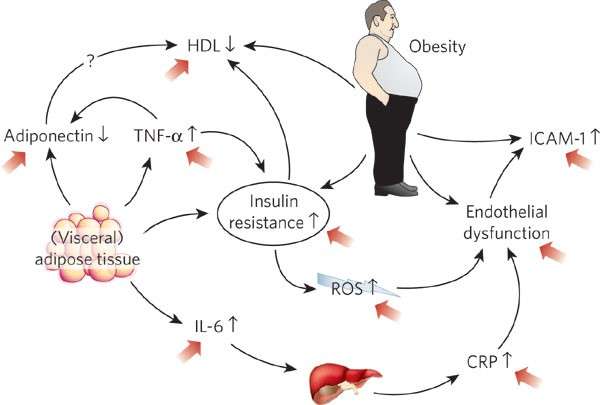
Obesity disrupts the body’s lipid profile, raising LDL (“bad cholesterol”) and lowering HDL (“good cholesterol”).
This imbalance accelerates the buildup of arterial plaque, leading to conditions like coronary artery disease obesity.
Real-Life Example:
Sarah, a 45-year-old nurse, struggled with weight gain due to her demanding job.
Routine blood tests revealed elevated LDL and triglycerides.
Her doctor explained how these imbalances increased her risk of atherosclerosis, a condition that narrows arteries and can lead to heart attacks.
3. Diabetes as a Gateway to Heart Disease
Obesity is a primary driver of insulin resistance, paving the way for type 2 diabetes.
Diabetes, in turn, doubles the risk of cardiovascular disease related to obesity.
The Science:
According to the Journal of the American Heart Association (2020), individuals with diabetes and obesity have a twofold higher risk of heart disease compared to those with a healthier weight.
These three factors combined show how obesity sets the stage for cardiovascular complications, making prevention and management crucial.
The Role of BMI and Fat Distribution
Body Mass Index (BMI) is a widely used indicator to assess the risk of overweight and cardiovascular disease.
While a BMI above 30 signifies obesity, even those in the overweight range (BMI 25–29.9) face elevated heart risks.
1. A Closer Look:
A comprehensive meta-analysis published in The Lancet (2021) revealed a striking finding: for every 5-unit increase in BMI, the risk of developing coronary heart disease rose by 27%.
This means that even moderate weight gain can have significant repercussions for heart health.
2. Visceral Fat: The Hidden Culprit
Not all fat is created equal. Visceral fat, which wraps around internal organs, poses a greater danger than subcutaneous fat (the type just beneath the skin).
This “hidden fat” is metabolically active, releasing inflammatory markers like cytokines and hormones that worsen cardiovascular health.
Scientific Insight:
Research published in the Circulation Journal (2018) confirmed that visceral fat is a stronger predictor of cardiovascular obesity than subcutaneous fat.
It contributes directly to atherosclerosis (plaque buildup in arteries) and hypertension by promoting chronic inflammation and insulin resistance.
Key Takeaway:
Both BMI and visceral fat offer valuable insights into cardiovascular risks.
While BMI provides a broad measure, the distribution of fat—particularly the accumulation of visceral fat—adds a critical layer to understanding obesity’s impact on heart health.
Addressing both metrics is vital for reducing cardiovascular complications.
Obesity and Specific Cardiovascular Conditions
Let me walk you through some of these conditions in brief:
1. Coronary Artery Disease
Plaque buildup in the arteries due to obesity leads to narrowed vessels, restricting blood flow to the heart. This is the essence of coronary artery disease obesity.
Case Study:
John, a 52-year-old salesman, ignored his growing waistline until he experienced chest pain during a morning jog.
His doctor diagnosed him with coronary artery disease, exacerbated by years of being overweight.
2. Heart Failure
Carrying extra weight overworks the heart, leading to conditions like heart failure.
The heart struggles to pump effectively, causing fluid retention and breathlessness.
3. Atrial Fibrillation
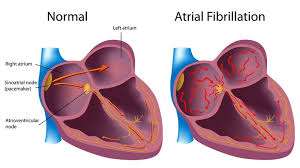
Obesity increases the risk of irregular heart rhythms, particularly atrial fibrillation (AFib).
AFib is a significant contributor to strokes and heart failure.
Long-Term Consequences of Obesity on Cardiovascular Health
Ignoring the impact of obesity is not just about accepting a few extra pounds—it is about risking your heart, your energy, and even your life expectancy.
The long-term effects of cardiovascular disease caused by obesity can be profound and far-reaching.
1. Higher Risk of Stroke
Obesity often leads to atherosclerosis, where plaque builds up in the arteries.
This narrows blood flow and increases the chances of blood clots, making strokes more likely. For individuals with overweight and heart disease, this risk is compounded.
2. Chronic Fatigue
When your heart struggles to pump blood efficiently due to the strain of cardiovascular obesity, your body does not receive the oxygen it needs.
This results in persistent fatigue, reduced productivity, and a lower quality of life.
3. Reduced Lifespan
The toll on life expectancy is stark. A study published in BMJ (2019) found that individuals with obesity lived approximately 10 years less than their leaner counterparts.
Cardiovascular complications, including coronary artery disease and strokes, were among the primary contributors to this shortened lifespan.
The Bottom Line
The long-term consequences of obesity on cardiovascular health are too serious to ignore.
From strokes to decreased energy and a reduced lifespan, the stakes are high.
Taking proactive steps to address obesity is essential to protecting not just your heart, but your future.
Why Weight Management is Key?
Here is why:
1. Healthy Eating for a Healthy Heart
Reducing calorie intake and focusing on heart-friendly foods can significantly improve cardiovascular health. Think whole grains, lean proteins, and healthy fats.
Practical Example:
Sarah swapped her processed snacks for nuts and fruits, reducing her LDL cholesterol levels within six months.
2. Regular Exercise
Physical activity burns calories and strengthens the heart. Aim for 150 minutes of moderate-intensity exercise per week.
Pro Tip:
Combine aerobic exercises like walking or swimming with strength training for the best results.
3. Medical Interventions
In some cases, lifestyle changes are not enough. Medications or procedures like bariatric surgery can help mitigate risks associated with cardiovascular disease from obesity.
Real-Life Inspiration: Maria’s Story
Maria, a 40-year-old teacher, struggled with her weight for years, often brushing off warnings about her health.
A wake-up call came during a routine checkup when her doctor flagged her cholesterol and blood pressure levels as dangerously high.
Determined to make a change, Maria embraced a heart-healthy diet, began walking daily, and joined a community weight-loss group.
Over 18 months, she lost 60 pounds.
Not only did her cardiovascular health improve, but she also felt more energetic and confident.
FAQs on Obesity & Cardiovascular Health
Here is a quick look at how and why obesity affects your cardiovascular wellbeing:
Q-1. How obesity affects heart disease risk in adults?
A-1. Obesity significantly increases the risk of heart disease. Studies show adults with a BMI ≥30 have a 64% higher chance of developing coronary artery disease compared to those with normal BMI. Excess fat contributes to inflammation, insulin resistance, and atherosclerosis, which collectively elevate heart disease risk.
Q-2. Link between obesity and cardiovascular disease mortality
A-2. Research indicates that obesity is associated with a 50–60% higher risk of cardiovascular mortality. Data from the American Heart Association shows that severe obesity (BMI ≥40) doubles the risk of death from heart-related causes over a 10-year period.
Q-3. Obesity related heart health risks and prevention
A-3. Obesity is linked to hypertension, dyslipidemia, and type 2 diabetes, all of which increase cardiovascular risk. Preventive strategies, including a 5–10% weight loss, can reduce blood pressure by 5–20 mmHg and lower LDL cholesterol by 10–15%, improving overall heart health.
Q-4. Does excess weight increase risk of heart attack and stroke?
A-4. Yes. Obese individuals have a 64% higher risk of heart attack and a 22% higher risk of stroke compared to those with normal weight. Visceral fat accumulation particularly contributes to endothelial dysfunction, a key factor in these cardiovascular events.
Q-5. Effect of belly fat on cardiovascular health outcomes
A-5. Visceral abdominal fat is strongly correlated with cardiovascular complications. Data shows that for every 10 cm increase in waist circumference, the risk of heart disease rises by 20–25%. Central obesity is also linked to higher triglycerides and lower HDL cholesterol.
Q-6. Obesity hypertension heart disease connection explained
A-6. Obesity increases blood volume and arterial resistance, leading to hypertension. Studies show 70–75% of obese adults have elevated blood pressure, and hypertension combined with obesity doubles the risk of developing heart failure over 10 years.
Q-7. How reducing weight improves cardiovascular function?
A-7. Losing 5–10% of body weight can significantly improve heart health. Clinical trials report reductions in systolic blood pressure by 10 mmHg, decreased LDL cholesterol by 10–15%, and improved left ventricular function, lowering overall cardiovascular risk.
Q-8. Obesity impact on blood pressure and heart disease
A-8. Obese individuals are twice as likely to develop high blood pressure, which is a leading cause of heart disease. Data shows each 1 kg/m² increase in BMI increases systolic blood pressure by 1 mmHg, correlating with higher rates of coronary events.
Q-9. Obesity and risk of heart failure atrial fibrillation
A-9. Obesity elevates the risk of heart failure by 2–3 times and atrial fibrillation by 50%. Excess adiposity contributes to structural changes in the heart, including left atrial enlargement and ventricular remodeling, which predispose to arrhythmias.
Q-10. Best ways to reduce obesity to protect heart health
A-10. Evidence-based strategies include calorie restriction, regular aerobic and resistance exercise, behavioral therapy, and in severe cases, bariatric surgery. Lifestyle interventions can achieve 5–15% weight loss over 6–12 months, reducing cardiovascular events by up to 30%.
Scientific Studies That Support These Findings
The connection between obesity and cardiovascular health isn’t just speculation—it is backed by robust scientific research:
1. “Obesity and Cardiovascular Disease” (Circulation, 2021):
This comprehensive study outlines how obesity contributes to heart failure, coronary artery disease, and hypertension. It emphasizes the systemic strain excess weight places on the cardiovascular system, leading to reduced cardiac efficiency and increased risks of complications.
2. “Visceral Fat and Cardiovascular Health” (The Lancet, 2020):
Focusing on the dangers of visceral fat, this research highlights how fat stored around internal organs releases inflammatory markers that exacerbate arterial damage and increase the risk of stroke and heart disease.
3. “BMI as a Predictor of Heart Disease” (European Heart Journal, 2019):
This study demonstrates a direct correlation between higher BMI and increased cardiovascular risks, urging targeted prevention strategies to mitigate the growing burden of obesity-related heart diseases.
Key Takeaway:
These studies underscore the undeniable link between obesity and cardiovascular conditions, stressing the importance of proactive measures for prevention and improved health outcomes.
Take Action Today
Obesity’s impact on cardiovascular health is profound, but it’s not irreversible.
By addressing factors like diet, exercise, and medical interventions, you can reduce the risks of cardiovascular disease related to obesity.
Your heart is a resilient organ, capable of bouncing back when given the chance.
Start small—swap unhealthy snacks for fruits, take the stairs instead of the elevator, or join a fitness class.
Over time, these changes will add up, giving you a healthier heart and a brighter future.
Remember, every heartbeat counts. Make yours a strong one.
References: