We have all heard it: obesity is not just about size, it is about health.
But how exactly does carrying extra weight affect your body?
One of the most alarming connections is between obesity and hypertension—high blood pressure.
You might be surprised to learn how deeply these two conditions are intertwined, with obesity significantly increasing your risk of developing high blood pressure.
Let me now explore the relationship between obesity and hypertension to understand why managing your weight is crucial for heart health:
“Is Obesity Increasing Your Hypertension Risk” Article Index:
- What is Hypertension and How Does it Relate to Obesity?
- The Science Behind Hypertension Obesity
- How Obesity Leads to Hypertension
- Understanding Obesity and Pulmonary Hypertension
- Obesity-Related Hypertension: Why It’s a Growing Problem
- FAQs on Hypertension and Obesity
- What is the Normal Blood Pressure for Overweight People?
- Conclusion: The Hypertension and Obesity Relationship

What is Hypertension and How Does it Relate to Obesity?
Hypertension, or high blood pressure, is when the force of blood against your artery walls is consistently too high, causing your heart to work harder.
Over time, this extra strain can lead to serious complications like heart disease, stroke, and kidney failure.
But what role does obesity play in this?
The relationship between obesity and hypertension is well-documented.
Numerous studies show that overweight and obese individuals are far more likely to develop hypertension than their normal-weight counterparts.
But how exactly does obesity lead to such a significant increase in blood pressure?
The Science Behind Hypertension Obesity
The mechanism linking blood pressure and obesity is complex.
Extra weight can increase blood volume and resistance in your arteries, which directly raises blood pressure.
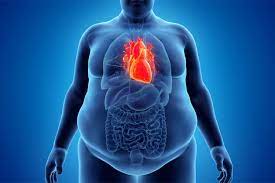
The more fat your body carries, the harder your heart must work to pump blood throughout the system.
Additionally, excess body fat, particularly around the abdomen, produces harmful substances like leptin and inflammatory cytokines that contribute to insulin resistance and lead to higher blood pressure.
Research published in the Journal of Hypertension points to an imbalance in the sympathetic nervous system, which regulates your heart rate and blood pressure, as a significant factor linking hypertension and overweight individuals.
How Obesity Leads to Hypertension?
The connection between obesity and HTN (hypertension) goes beyond mechanical pressure on the heart.
Here are some key factors that explain how obesity leads to hypertension:
- Increased Blood Volume: More body mass means your body needs more blood to supply oxygen and nutrients to tissues, which increases overall blood volume. This heightened blood volume pushes against artery walls, raising blood pressure.
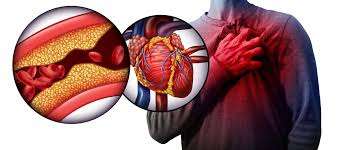
- Arterial Stiffness: The excess fat associated with obesity can lead to the thickening and stiffening of artery walls. As arteries become stiffer, they lose the ability to dilate properly, which further increases blood pressure.
- Insulin Resistance: Obesity is a key factor in insulin resistance, a condition that can affect the balance of sodium and water in your kidneys, leading to fluid retention and high blood pressure.
- Activation of the Sympathetic Nervous System: Obesity also causes the overactivation of the sympathetic nervous system, which controls blood vessel constriction and heart rate, leading to elevated blood pressure.
According to a study in the Journal of the American Medical Association, the risk of hypertension increases as body mass index (BMI) rises, showing a clear dose-response relationship between the two conditions.
In simple terms, the more weight you gain, the higher your risk of developing high blood pressure.
Understanding Obesity and Pulmonary Hypertension
Pulmonary hypertension, a specific form of high blood pressure that affects the arteries in your lungs and the right side of your heart, can also be exacerbated by obesity.
Obesity and pulmonary hypertension have a dangerous relationship because the extra fat tissue causes the heart to pump harder, straining the lungs and right side of the heart over time.
This strain can worsen existing pulmonary hypertension or lead to the development of the condition in obese individuals.
Pulmonary hypertension adds another layer of complexity to the cardiovascular risks associated with obesity, emphasizing the importance of managing weight to avoid severe complications.
Obesity-Related Hypertension: Why It’s a Growing Problem
Obesity-related hypertension has become an epidemic.
According to the World Health Organization (WHO), over 1.9 billion adults globally are overweight, and approximately 650 million of them are classified as obese.
As the rates of obesity rise, so too do the rates of hypertension.
This growing prevalence of hypertension and obesity relationship has profound public health implications.
Hypertension caused by obesity is harder to control, often requiring higher doses of medication, and puts individuals at a greater risk of cardiovascular disease.
FAQs on Hypertension and Obesity
Understanding the relationship between body weight and blood pressure is crucial for maintaining cardiovascular health.
Here is a detailed breakdown:
1. Standard Blood Pressure Categories:
Blood pressure readings are categorized into different levels, as outlined by the National Heart, Lung, and Blood Institute:
- Normal: Systolic less than 120 mm Hg and diastolic less than 80 mm Hg.
- Elevated: Systolic between 120-129 mm Hg and diastolic less than 80 mm Hg.
- Stage 1 Hypertension: Systolic between 130-139 mm Hg or diastolic between 80-89 mm Hg.
- Stage 2 Hypertension: Systolic 140 mm Hg or higher or diastolic 90 mm Hg or higher.
2. Impact of Excess Weight on Blood Pressure:
Excess body weight is a major risk factor for developing high blood pressure. According to the American Heart Association, obesity puts added strain on the heart, making it harder to pump blood efficiently, which raises blood pressure levels. Studies also show that more than 85% of individuals with hypertension have a Body Mass Index (BMI) over 25.
3. How Obesity Leads to High Blood Pressure
Research published in the journal Hypertension explains three key mechanisms linking obesity to high blood pressure:
- Overactive Sympathetic Nervous System: Extra weight can stimulate the nervous system, causing blood vessels to constrict and increase blood pressure.
- Renin-Angiotensin System Activation: Obesity can trigger this hormonal system, leading to fluid retention and higher blood pressure.
- Inflammation: Excess fat releases inflammatory chemicals, which can damage blood vessels and increase hypertension risk.
4. The Benefits of Weight Loss on Blood Pressure:
Losing weight can significantly improve blood pressure levels. According to the American Heart Association, losing just 10 pounds can help prevent or reduce hypertension. Weight loss also lowers cholesterol levels, improves circulation, and reduces the risk of heart disease.
5. Steps to Maintain a Healthy Blood Pressure:
For overweight individuals, keeping blood pressure in a healthy range requires a proactive approach:
- Regular Monitoring: Checking blood pressure frequently helps detect early changes.
- Healthy Diet: Following a DASH (Dietary Approaches to Stop Hypertension) diet, which emphasizes fruits, vegetables, lean proteins, and whole grains, can significantly reduce blood pressure, as recommended by the National Institutes of Health.
- Physical Activity: Engaging in at least 150 minutes of moderate exercise per week, such as brisk walking, cardio intervals or cycling, can help lower blood pressure. The Centers for Disease Control and Prevention highlights the importance of movement in maintaining cardiovascular health.
- Reducing Sodium Intake: High salt consumption is linked to increased blood pressure. The World Health Organization recommends keeping sodium intake below 2,300 mg per day for optimal heart health.
- Managing Stress: Chronic stress can contribute to high blood pressure. The Mayo Clinic suggests relaxation techniques such as deep breathing, meditation, and yoga to help manage stress levels.
Maintaining a normal blood pressure of less than 120/80 mm Hg is ideal for everyone, especially for those who are overweight. However, as weight increases, so does the likelihood of developing hypertension.
The good news is that with lifestyle modifications—including weight loss, a healthy diet, regular exercise, and stress management—many people can improve their blood pressure and reduce their risk of cardiovascular disease.

The Hypertension and Obesity Relationship
So, is obesity increasing your hypertension risk?
The evidence is clear: yes, obesity significantly raises the likelihood of developing high blood pressure.
As per leanandfit.info, “The connection between excess body weight and hypertension is driven by increased blood volume, arterial stiffness, insulin resistance, and the overactivation of the sympathetic nervous system”.
This relationship is further complicated by the risk of developing pulmonary hypertension. Ultimately, maintaining a healthy weight is crucial for managing or preventing high blood pressure.
While weight loss via healthy diet can be a powerful tool for improving heart health, the reality is that the hypertension and obesity relationship is a dangerous cycle that continues to grow as obesity rates rise globally.
Whether you’re dealing with obesity and htn or trying to prevent these conditions, understanding the link between the two is the first step toward taking control of your health.
My Tip for the Day: Understanding the risk factors and the science behind obesity and hypertension is critical to making informed decisions about your health and taking the necessary steps to reduce your risk of developing high blood pressure.
References: