
Family traditions play a crucial role in shaping cultural identity and strengthening relationships.
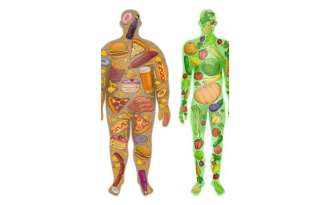
They create meaningful connections, provide comfort, and foster a sense of belonging. However, many of these traditions revolve around food, often leading to overeating and long-term weight gain.
Large meals, calorie-dense dishes, and celebratory feasts can encourage excessive consumption, contributing to health issues such as obesity, diabetes, and heart disease.
Understanding how family traditions influence eating behaviors can help individuals make healthier choices without sacrificing the joy of shared meals.
By identifying patterns related to portion sizes, emotional eating, and high-calorie food choices, families can take steps to develop healthier habits while preserving their cultural values.
LeanAndFit research staff explores the role of Family Traditions in overeating and weight gain and how to address this issue.
It provides practical strategies for making traditions healthier while maintaining their significance and discusses the scientific evidence supporting these changes.
Article Index
- How family traditions contribute to overeating and weight gain
-
- How portion sizes are influenced by family culture
- How food-centered celebrations encourage overindulgence
- How emotional eating is reinforced by family habits
- How generational eating patterns impact weight gain
- Why it’s important to address the role of family traditions in overeating
-
- Why large family meals lead to excessive calorie intake
- Why holiday traditions promote high-calorie eating habits
- Why social pressure influences eating behavior
- Why cultural foods often contain excessive sugar and fats
- Why breaking unhealthy traditions can improve long-term health
- How to make family traditions healthier without losing their meaning
-
- How to introduce portion control at family gatherings
- How to modify traditional recipes for better nutrition
- How to encourage mindful eating in family settings
- How to shift the focus from food to activities
- How to educate family members on healthy eating
- Scientific evidence on family traditions and eating behaviors
-
- Studies on portion size and weight gain in family settings
- Research on holiday overeating and metabolic impact
- The psychology behind social eating and food choices
- Evidence on cultural dietary patterns and obesity rates
- Practical steps for families to build healthier eating traditions
-
- How to balance indulgence and healthy eating during celebrations
- How to set healthier expectations for family meals
- How to involve children in making nutritious choices
- How to create new traditions around health and wellness
- Conclusion
How Family Traditions Contribute to Overeating and Weight Gain?
A quick look at this aspect in brief:
How portion sizes are influenced by family culture?
Many families associate large portion sizes with generosity, hospitality, and love. Some cultures consider it disrespectful to refuse extra servings, reinforcing the idea that more food equates to a better dining experience.
Research from the American Journal of Clinical Nutrition suggests that people tend to eat as much as they are served, even when they are not hungry.
In family settings, where meals are abundant and second helpings are encouraged, this pattern contributes to higher calorie intake and gradual weight gain. To remain lean, you need to learn how to control your portion size.
How food-centered celebrations encourage overindulgence?
Holidays, birthdays, and religious events often revolve around food, with traditional dishes that are rich in calories, sugar, and fats.
A study published in The New England Journal of Medicine found that most people gain weight during the holiday season, with a significant portion of that weight never being lost.
Because food is strongly tied to positive emotions and celebration, people tend to overeat during special occasions, often consuming far more than they would on a regular day.
How emotional eating is reinforced by family habits?
Food is frequently used as a form of emotional support within families. Parents may reward children with sweets for good behavior or offer comfort foods in response to sadness or stress.
A study in Appetite found that people who grew up in environments where food was used as an emotional tool were more likely to engage in stress eating as adults.
When this pattern continues across generations, it becomes a difficult habit to break, contributing to long-term overeating and weight gain.
How generational eating patterns impact weight gain?
Eating habits are passed down from one generation to the next.
Families with a history of consuming high-calorie meals with low nutrient value, fried foods, and sugary treats often continue these patterns without considering their health implications.
Research published in Obesity Reviews highlights that children’s eating behaviors are significantly influenced by their parents, making it essential to create healthier traditions early on.
If changes are not made, these habits persist and contribute to rising obesity rates in future generations.
Why it is Important to Address the Role of Family Traditions in Overeating?
Here is why overeating is the main culprit for your weight gain:
Why large family meals lead to excessive calorie intake?
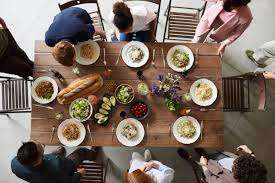
When dining with family, people are more likely to eat multiple courses, sample a variety of dishes, and consume extra calories without realizing it.
Studies suggest that individuals eat up to 50 percent more food when dining in a group compared to eating alone.
This is partly due to social interaction prolonging meal times, leading to unconscious overeating.
Why holiday traditions promote high-calorie eating habits?
Many holiday meals include dishes loaded with butter, sugar, and refined carbohydrates.
Research shows that a single holiday meal can contain more than 3,000 calories, making it easy to gain weight if these eating habits extend beyond special occasions.
Why social pressure influences eating behavior?
Many families encourage overeating by insisting that guests finish everything on their plate or try every dish.
This pressure can make it difficult to listen to natural hunger and fullness cues, resulting in unnecessary calorie consumption.
Why cultural foods often contain excessive sugar and fats?
Traditional recipes are often prepared with high-fat oils, refined grains, and sweeteners.
While they are an important part of cultural identity, some dishes may need modifications to align with modern health recommendations.
Recognizing the nutritional content of these foods can help families make informed choices.
Why breaking unhealthy traditions can improve long-term health?
Addressing unhealthy food traditions can lead to a lower risk of obesity, heart disease, and other metabolic disorders.
Families that adopt healthier alternatives experience increased energy levels, better overall well-being, and improved long-term health outcomes.

How to Make Family Traditions Healthier Without Losing Their Meaning?
We shall walk you through a few such ways:
How to Introduce Portion Control at Family Gatherings?
Portion control is an effective strategy for preventing overeating while still allowing families to enjoy their favorite traditional dishes.
Research from the American Journal of Clinical Nutrition suggests that individuals eat up to 30 percent more food when served larger portions due to a psychological tendency known as portion distortion.
Using smaller plates and bowls can help limit portion sizes, as studies show that people tend to eat less when using smaller dishware. Serving meals in individual portions rather than in large communal dishes helps regulate food intake.
Additionally, avoiding buffet-style spreads reduces the temptation to take second or third servings simply because food is readily available.
How to Modify Traditional Recipes for Better Nutrition?
Modifying traditional recipes can significantly improve their nutritional value without sacrificing taste.
A study published in The Journal of the Academy of Nutrition and Dietetics found that swapping refined grains for whole grains can enhance fiber intake and regulate blood sugar levels.
Using healthier cooking methods such as baking, steaming, or grilling instead of frying helps lower unhealthy fat intake while preserving flavor.
Reducing added sugars and salt in recipes can also support cardiovascular health.
Many traditional meals can be adapted by substituting lean proteins for red meat, using plant-based oils instead of butter, and incorporating more vegetables into main dishes.
How to Encourage Mindful Eating in Family Settings?
Mindful eating helps individuals recognize hunger and fullness cues, preventing overeating.
Research from Appetite suggests that eating slowly and chewing thoroughly can reduce overall food intake by up to 10 percent, as it allows the brain time to register satiety signals.
Encouraging family members to savor each bite, put down utensils between bites, and engage in conversation can naturally slow the eating pace.
Avoiding distractions, such as watching TV or using smartphones during meals, also enhances awareness of food consumption and promotes better digestion.
How to Shift the Focus from Food to Activities?
Many family traditions revolve around food, but incorporating non-food activities can create meaningful memories without excessive eating.
Studies on behavioral interventions for obesity suggest that engaging in physical activities like group walks, outdoor games, or dancing can promote healthier lifestyles.
Family gatherings can also include activities like storytelling, music, and board games, shifting the emphasis from continuous snacking to interactive experiences.
Encouraging movement-based traditions helps balance energy intake and expenditure, reducing the risk of weight gain.
How to Educate Family Members on Healthy Eating?
Educating family members about balanced meals, portion sizes, and nutritional needs can positively impact long-term health habits.
Research in Public Health Nutrition highlights that children exposed to healthy eating education at home are more likely to develop lifelong positive dietary habits.
Conversations about the benefits of lean proteins, fiber-rich foods, and healthy fats can help shift the family’s perspective on nutrition.
Offering healthy meal preparation workshops, sharing nutritional articles, or even leading by example can encourage family members to make informed food choices.
Making gradual adjustments allows families to maintain cultural food traditions while embracing healthier habits.
Freequently Asked Questions:
This FAQ is all about understanding how family traditions can quietly shape overeating habits and weight gain over time.
We’re not here to blame culture or memories, but to gently explore how food patterns are formed at home.
If you’ve ever felt stuck between respecting traditions and improving your health, this will speak to you.
Q-1: Why do I feel like I have to overeat during family gatherings even when I’m not hungry?
A-1: Many of us grow up associating food with love, celebration, and togetherness. At family gatherings, eating more can feel like participating fully or showing appreciation.
This emotional connection can override your natural hunger cues. It is not just about food—it is about belonging. Recognizing this can help you separate emotional pressure from actual hunger.
Q-2: Can childhood food habits from my family still affect my eating today?
A-2: Absolutely. The way meals were handled during childhood—like finishing everything on your plate or eating at fixed times—can stay with you for years. These patterns become automatic behaviors.
Even as an adult, you might follow them without questioning whether they still serve your current health goals.
Q-3: How do I handle relatives who insist I eat more, even when I say no?
A-3: This is very common and often comes from a place of care. Instead of rejecting them directly, you can respond gently, like appreciating the food while explaining you’re already full.
Setting boundaries with kindness helps maintain relationships while still honoring your needs. Over time, people usually begin to understand.
Q-4: Why do traditional foods often feel harder to control portion-wise?
A-4: Traditional dishes are often rich, flavorful, and tied to emotions and memories. This combination makes them more tempting and easier to overeat. You’re not just eating for hunger—you’re reliving experiences.
Being aware of this can help you enjoy the food without losing control over portions.
Q-5: Can changing my eating habits feel like I’m disconnecting from my family?
A-5: It can feel that way at first, especially if food is a big part of family bonding. But changing your habits doesn’t mean rejecting your culture or family. It simply means finding a healthier balance.
You can still participate, enjoy meals, and stay connected—just with more mindful choices.
Q-6: How do I stop the “finish everything on the plate” habit?
A-6: Start by serving smaller portions. This way, finishing your plate doesn’t mean overeating.
You can also pause during meals and check in with your hunger. It is okay to leave food behind if you’re full. Over time, your mindset will shift from obligation to awareness.
Q-7: Why do family celebrations often revolve around overeating?
A-7: Food is a central part of celebration in many cultures. It symbolizes joy, abundance, and togetherness.
However, this can lead to overeating because the focus shifts from nourishment to indulgence. Understanding this helps you enjoy the celebration without feeling pressured to overeat.
Q-8: Can I still enjoy traditional meals while trying to lose weight?
A-8: Yes, you don’t have to give them up. The key is moderation.
You can enjoy smaller portions, balance your plate, and avoid going back for multiple servings. This allows you to stay connected to your traditions while still working toward your health goals.
Q-9: How do I deal with guilt when I don’t eat what my family prepared?
A-9: Guilt often comes from wanting to respect effort and love. Instead of refusing completely, you can take a small portion or express appreciation in other ways.
Remember, taking care of your health is also important. Over time, you’ll learn to balance respect for others with respect for yourself.
Q-10: Can I create new family traditions that support healthier eating?
A-10: Definitely, and this can be very powerful. You can introduce lighter recipes, include more balanced meals, or focus on activities beyond food—like games or walks.
These small changes can slowly reshape how your family experiences togetherness, making it healthier for everyone.
Bottom Line:
In the end, family traditions are meaningful and valuable, but they don’t have to come at the cost of your health. By becoming more aware and making small, respectful changes, you can honor your roots while also taking care of your body.
It is not about choosing one over the other—it’s about finding a balance that works for you.
Conclusion
Family traditions play an essential role in shaping food choices and eating behaviors, but they do not have to contribute to overeating and weight gain.
By recognizing how traditions influence portion sizes, emotional eating, and high-calorie meal choices, families can make mindful changes that support long-term health.
Adopting healthier traditions does not mean giving up cherished cultural foods.
Simple adjustments, such as modifying recipes, practicing portion control, and encouraging mindful eating, allow families to enjoy their traditions without negative health consequences.
Making these changes today creates a foundation for future generations, ensuring that cultural values remain intact while promoting overall well-being.
References: