
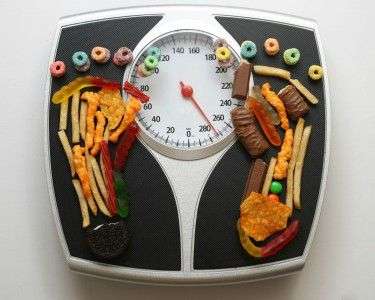
The increasing consumption of fast food has played a major role in the global obesity epidemic.
Among the key contributors is the excessive use of added sugars in these foods, which significantly boosts calorie intake while offering little to no nutritional value.
Added sugars, commonly found in sodas, desserts, sauces, and even savory items like bread, not only contribute to a higher caloric load but also disrupt normal metabolic processes. So, learn how to calculate the calorie density of food.
Research published in The American Journal of Clinical Nutrition highlights that high-sugar diets lead to insulin resistance, poor appetite regulation, and increased fat storage—key factors driving obesity.
Moreover, sugary fast foods provide “empty calories,” making it easier to overconsume without feeling full.
As per leanandfit.info, “Understanding the mechanisms through which added sugars contribute to obesity is essential for tackling this public health crisis”. We answer the burnign query – How Added Sugars in Fast Food Cause Obesity?
Educating individuals and promoting awareness about the hidden sugars in fast food can encourage healthier choices and improve dietary habits.
Article Index
- What Are Added Sugars in Fast Food?
- The Relationship Between Added Sugars and Obesity
- Mechanisms Through Which Added Sugars Promote Weight Gain
- Health Risks Beyond Obesity
- Identifying Hidden Sugars in Fast Food
- Strategies to Reduce Added Sugar Intake
- FAQs on Added Sugars in Fast Food Leading to Obesity
- Conclusion

What Are Added Sugars in Fast Food?
Added sugars are artificial sweeteners added during food processing or preparation, distinct from the natural sugars present in whole foods like fruits and vegetables.
These sugars are extensively used in fast foods to enhance taste, improve texture, and prolong shelf life.
Common forms of added sugars include high-fructose corn syrup, sucrose, and dextrose, often hidden in unexpected items like sauces, dressings, and even savory products such as bread.
According to the Centers for Disease Control and Prevention (CDC), excessive consumption of added sugars has been directly associated with increased calorie intake, which significantly contributes to weight gain and obesity. Sugary drinks, desserts, and fast-food items often deliver “empty calories” without providing essential nutrients, making it easy to overconsume.
With added sugars being so pervasive in fast food, understanding their impact and identifying these hidden sugars are critical steps in addressing the global obesity crisis.
The Relationship Between Added Sugars and Obesity
Numerous studies have established a strong link between added sugars and obesity.
According to the World Cancer Research Fund International, the excessive sugar content in fast foods significantly contributes to rising obesity rates worldwide.
Their report emphasizes that the widespread availability, low cost, and appealing taste of sugar-laden fast foods make them a dietary staple for many, further aggravating the obesity epidemic.
Added sugars increase calorie intake dramatically while offering minimal nutritional value. Moreover, they interfere with the body’s natural appetite regulation.
Research published in The American Journal of Clinical Nutrition highlights that diets high in sugar-sweetened beverages disrupt feelings of fullness, leading to poor satiety and overeating.
This creates a cycle of excessive calorie consumption and weight gain, often without individuals realizing the impact.
Addressing the role of added sugars in fast foods is critical for tackling the global obesity crisis and improving public health.
Mechanisms Through Which Added Sugars Promote Weight Gain
A quick look at this mechanism in simple words:
High Caloric Density:
Fast foods rich in added sugars are calorie-dense but nutrient-poor. This imbalance leads to excessive calorie consumption without fulfilling nutritional needs. As per a study in Healthline Nutrition Insights (2023), sugary fast food items provide “empty calories,” contributing to rapid weight gain.
Insulin Resistance:
Chronic sugar consumption can lead to insulin resistance, a condition where cells fail to respond effectively to insulin. According to a study in The American Journal of Clinical Nutrition, this resistance causes elevated blood sugar levels, promoting fat storage and increasing obesity risk.
Altered Hormonal Signals:
Added sugars interfere with hormones like leptin, which regulates hunger and energy balance. Disrupted leptin signaling results in poor appetite control, leading to overeating.
Visceral Fat Accumulation:
High sugar intake contributes to the accumulation of visceral fat, the dangerous fat stored around internal organs. A study in Nature Metabolism (2022) found that individuals consuming high-sugar diets had a 30% higher risk of developing obesity-related conditions due to increased visceral fat.
Health Risks Beyond Obesity
Excessive intake of added sugars has health implications that extend far beyond weight gain.
According to research published in Diabetes Care, high sugar consumption is strongly linked to insulin resistance, a condition where the body’s cells fail to respond effectively to insulin.
This dysfunction significantly increases the risk of developing type 2 diabetes. Moreover, diets high in added sugars elevate triglyceride levels, a key factor associated with an increased risk of cardiovascular diseases.
Another critical concern is the role of high-fructose corn syrup, commonly found in fast food syrups and beverages.
High-fructose consumption contributes to non-alcoholic fatty liver disease (NAFLD) by promoting fat accumulation in the liver.
The Centers for Disease Control and Prevention (CDC) highlights that sugar-induced liver fat buildup is becoming increasingly prevalent, especially among younger populations with frequent fast food consumption.
These findings underscore the urgent need to limit added sugar intake for better overall health.
Identifying Hidden Sugars in Fast Food
Recognizing added sugars in fast food can be deceptively difficult, as they are often disguised under various names.
Common examples include sucrose, dextrose, maltose, high-fructose corn syrup, and even less familiar terms like invert sugar and cane juice.
These sugars are not only found in sweetened beverages and desserts but are also hidden in seemingly savory items such as ketchup, salad dressings, sauces, and even burger buns.
As per Harvard Health Publishing, many consumers underestimate the sugar content in these foods, unaware of the cumulative impact on daily sugar intake.
For instance, a single tablespoon of ketchup can contain up to 4 grams of added sugar.
Reading nutritional labels and identifying ingredient lists are crucial for managing sugar consumption.
Tools like mobile apps that provide detailed nutritional breakdowns can also help individuals make informed choices when selecting fast food options, promoting better health outcomes.
Strategies to Reduce Added Sugar Intake
Here are a few solutions:
Opt for Whole Foods:
Choosing fresh, unprocessed foods is one of the most effective ways to reduce added sugar intake.
Preparing meals at home gives you complete control over the ingredients, allowing you to avoid hidden sugars commonly found in prepackaged and fast foods.
For example, replacing store-bought dressings or sauces with homemade versions can eliminate significant amounts of added sugar.
Avoid Sugary Beverages:
Sugary drinks like sodas, milkshakes, and sweetened teas are some of the largest contributors to added sugar consumption.
According to the Centers for Disease Control and Prevention (CDC), eliminating sugar-sweetened beverages can reduce daily sugar intake by up to 30%, making this a simple yet impactful dietary change.
Opt for water, unsweetened tea, or sparkling water to stay hydrated without added sugars.
Choose Healthier Fast Food Options:
Many fast-food chains now offer healthier menu options labeled as “low sugar” or “unsweetened.”
These choices typically contain fewer added sugars, helping you enjoy convenience without compromising health.
Educate Yourself:
Understanding the sugar content in commonly consumed fast foods is key to making better choices.
Apps and websites that provide nutritional information can help you compare options and identify hidden sugars, empowering you to make informed decisions for your health.
FAQs on Added Sugars in Fast Food Leading to Obesity
This FAQ is all about uncovering how added sugars in fast food quietly contribute to obesity.
We’ll connect everyday eating habits with what’s really happening inside your body.
If you’ve ever wondered why fast food feels so hard to resist—and so easy to gain weight from—this guide will help you understand why.
Q-1: Why are added sugars hidden in so many fast food items, even savory ones?
A-1: Fast food isn’t just about taste—it is about repeat cravings. Added sugars are often mixed into sauces, breads, dressings, and even fried coatings to enhance flavor and make food more addictive.
You may not taste the sweetness directly, but your brain still responds to it, encouraging you to eat more and come back for more.
Q-2: How do added sugars in fast food lead to overeating without me realizing it?
A-2: Added sugars can interfere with your body’s natural hunger signals. They spike your blood sugar quickly and then cause a crash, making you feel hungry again soon after eating.
This cycle can lead to repeated snacking or ordering larger portions without actually feeling satisfied.
Q-3: Why do fast food meals make me feel hungry again so quickly?
A-3: Many fast food meals are high in added sugars and low in fiber and protein.
This combination doesn’t keep you full for long. The quick rise and fall in blood sugar levels leaves you feeling unsatisfied, even if you’ve consumed a lot of calories.
Q-4: Can liquid sugars in fast food drinks be worse than solid food sugars?
A-4: Yes, liquid sugars are absorbed very quickly by your body.
Sugary sodas, shakes, and sweetened beverages don’t trigger the same fullness signals as solid food, so you end up consuming more calories without feeling full, increasing the risk of weight gain.
Q-5: How do added sugars affect fat storage in the body?
A-5: When you consume more sugar than your body needs for energy, the excess gets converted into fat.
Frequent high sugar intake keeps insulin levels elevated, which signals your body to store fat rather than burn it, especially around the belly area.
Q-6: Why do I crave fast food more after eating it once or twice?
A-6: Added sugars activate your brain’s reward system, releasing dopamine.
This creates a pleasurable feeling that your brain wants to repeat. Over time, this can turn into a craving cycle where you feel drawn to fast food even when you’re not hungry.
Q-7: Are “healthy-looking” fast food options also high in added sugars?
A-7: Surprisingly, yes. Items like salads with sweet dressings, smoothies, and “low-fat” options often contain hidden sugars to improve taste.
These can add up quickly and contribute to excess calorie intake without you realizing it.
Q-8: How do added sugars in fast food affect my energy levels throughout the day?
A-8: They create a rollercoaster effect. You get a quick burst of energy followed by a crash, which can leave you feeling tired and sluggish.
This often leads to more sugar consumption to regain energy, creating a cycle that supports weight gain.
Q-9: Can reducing added sugars from fast food help with weight loss even without strict dieting?
A-9: Yes, even small reductions can make a big difference.
Cutting back on sugary drinks, sauces, and desserts lowers your overall calorie intake and helps stabilize blood sugar levels.
This makes it easier for your body to manage weight naturally.
Q-10: What are simple ways to avoid added sugars when eating fast food?
A-10: Choose water or unsweetened drinks, ask for sauces and dressings on the side, and opt for simpler menu items with fewer ingredients.
Reading nutrition information when available can also help you make smarter choices without completely giving up convenience.
Free Tip of the Day:
In simple terms, added sugars in fast food act like a hidden driver of overeating and fat storage.
They don’t just add calories—they influence your hunger, cravings, and energy levels in ways that make weight gain more likely.
By becoming aware of where these sugars hide, you can make better choices without completely giving up the foods you enjoy.
Conclusion
Added sugars in fast food are a significant driver of the global obesity epidemic.
As confirmed by multiple studies, these sugars not only contribute to excessive calorie intake but also disrupt metabolic processes, leading to weight gain and increased health risks.
Reducing added sugar consumption is essential for combating obesity.
By making informed dietary choices, avoiding sugar-sweetened beverages, and selecting healthier fast-food options, individuals can take meaningful steps toward better health.
Scientific evidence underscores the importance of limiting added sugars, making it clear that addressing this issue is vital for improving public health outcomes in a world increasingly reliant on convenience foods.
References: