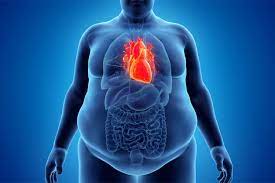

Inflammation is a biological process often linked to obesity and is increasingly recognized for its role in mental health disorders such as depression.
This article delves into the intricate relationship between chronic inflammation caused by obesity and the heightened risk of depression.
We will explore how inflammation affects brain function, the role of inflammatory markers, and the behavioral changes that amplify this connection. So, you end up learning how inflammation from obesity increases depression risk.
Real-life examples and scientific evidence will provide a comprehensive understanding of this pressing issue.
Article Index
- Understanding the Obesity-Inflammation-Depression Triad
- The Role of Pro-Inflammatory Cytokines in Brain Health
- Neurochemical Disruptions Caused by Obesity-Related Inflammation
- Impact of Chronic Inflammation on the Hypothalamic-Pituitary-Adrenal Axis
- Behavioral and Emotional Pathways Linking Obesity to Depression
- Real-Life Examples: How Inflammation Impacts Mental Well-Being
- FAQs on Obesity and Inflammation
- Scientific Studies on Inflammation, Obesity, and Depression
Understanding the Obesity-Inflammation-Depression Triad
Obesity extends beyond being a physical condition; it triggers a state of low-grade chronic inflammation characterized by elevated levels of pro-inflammatory cytokines, including interleukin-6 (IL-6) and tumor necrosis factor-alpha (TNF-α).
These cytokines travel through the bloodstream and cross the blood-brain barrier, where they disrupt neural processes by altering neurotransmitter pathways and brain function.
How Inflammation Fuels Depression?
The inflammatory cytokines interfere with the regulation of serotonin, dopamine, and other key neurotransmitters, which are essential for mood stabilization.
This disruption not only reduces serotonin synthesis but also contributes to neuroinflammation, a key factor in depressive symptomatology.
Scientific Evidence:
A study published in Brain, Behavior, and Immunity (Miller & Raison, 2016) highlighted the role of inflammation as a critical mediator linking obesity and depression.
The research confirmed that heightened cytokine activity correlates strongly with depressive symptoms, reinforcing the importance of addressing inflammation to manage mental health risks in individuals with obesity.
This evidence highlights the need for a comprehensive approach that addresses both physical and mental health challenges associated with obesity-induced inflammation.
The Role of Pro-Inflammatory Cytokines in Brain Health
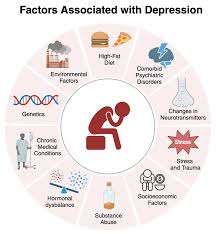
Inflammatory cytokines produced by adipose tissue in obesity not only increase systemic inflammation but also impair brain health.
Cytokines like IL-6 and TNF-α disrupt the blood-brain barrier, allowing inflammatory molecules to influence the brain’s microenvironment.
This leads to decreased neurogenesis in the hippocampus, a region critical for regulating mood.
Scientific Evidence
A study in Molecular Psychiatry (Kiecolt-Glaser et al., 2015) demonstrated that individuals with higher levels of inflammatory markers are at a significantly greater risk of developing depression.
The study found that persistent inflammation reduced brain-derived neurotrophic factor (BDNF), which is essential for neuronal survival and plasticity.
Neurochemical Disruptions Caused by Obesity-Related Inflammation
Inflammation profoundly disrupts the balance and synthesis of key neurotransmitters, including serotonin, dopamine, and glutamate.
This imbalance is closely associated with depressive symptoms such as low mood, diminished motivation, and cognitive difficulties.
How It Happens?
Inflammatory cytokines, such as interleukin-6 (IL-6) and tumor necrosis factor-alpha (TNF-α), stimulate the enzyme indoleamine 2,3-dioxygenase (IDO).
IDO diverts tryptophan—a critical precursor for serotonin—into the kynurenine pathway, significantly lowering serotonin levels.
Simultaneously, this diversion increases neurotoxic metabolites like quinolinic acid, which exacerbate neuronal damage and depressive symptoms.
Supporting Research
A pivotal study published in Biological Psychiatry (Raison et al., 2010) demonstrated how cytokine-driven alterations in serotonin metabolism contribute to depressive behaviors, particularly in individuals with obesity-induced inflammation.
These findings underscore the biochemical link between systemic inflammation and mood disorders.
Real-World Impact
This mechanism highlights why individuals with chronic inflammation, especially those with obesity, are at greater risk for depression.
Addressing inflammation could mitigate neurotransmitter dysregulation and improve mental health outcomes.
Impact of Chronic Inflammation on the Hypothalamic-Pituitary-Adrenal Axis
The hypothalamic-pituitary-adrenal (HPA) axis is central to the body’s stress regulation.
This system coordinates the release of cortisol, the primary stress hormone, which helps the body respond to acute stress.
However, chronic inflammation, often linked to obesity, disrupts the HPA axis by maintaining prolonged cortisol secretion.
Persistently elevated cortisol levels contribute to depressive symptoms such as fatigue, anxiety, irritability, and difficulty focusing.
Scientific Insight:
A study published in Psychoneuroendocrinology (Rosmond, 2005) demonstrated that individuals with obesity-related inflammation exhibit heightened HPA axis activity.
This overactivation not only exacerbates physical stress but also intensifies psychological stress, creating a self-perpetuating cycle of inflammation and depressive symptoms.
Real-World Relevance
For individuals with obesity, addressing chronic inflammation and restoring HPA axis balance could be crucial in managing both physical health and mental well-being.
The interplay between cortisol and mood highlights the importance of integrative approaches to treatment.
Behavioral and Emotional Pathways Linking Obesity to Depression
Beyond biochemical pathways, behavioral and emotional factors significantly contribute to the connection between obesity and depression.
Social stigma associated with obesity often leads to feelings of isolation, body image issues, and low self-esteem.
These psychological challenges can act as powerful triggers for depressive symptoms.
Additionally, chronic inflammation exacerbates these struggles by heightening emotional sensitivity and reducing an individual’s ability to cope with stress effectively.
Real-Life Example: Emily’s Battle with Stigma and Inflammation:
Emily, a 35-year-old marketing professional, experienced ongoing weight-related discrimination at work.
Subtle remarks and exclusion from team activities caused her to feel isolated and devalued.
This constant stress elevated her inflammatory markers, such as interleukin-6 (IL-6), which further intensified her feelings of hopelessness and sadness.
Her journey toward recovery began with behavioral therapy, which helped her develop coping mechanisms and rebuild her confidence.
Combined with an anti-inflammatory diet and regular physical activity, Emily experienced significant improvements in both her mood and physical health.
Over time, she regained her self-esteem and found a supportive work environment, illustrating how addressing both psychological and physiological factors can break the cycle of obesity-related depression.
Sarah’s Journey with Obesity-Related Depression:
Sarah, a 40-year-old mother, faced daily struggles with obesity and persistent feelings of exhaustion.
Alongside physical discomfort, she began to experience sadness, low energy, and difficulty finding joy in her usual activities.
Concerned about her mental and physical health, Sarah consulted her physician, who ordered blood tests.
The results revealed elevated levels of interleukin-6 (IL-6) and C-reactive protein (CRP), biomarkers associated with systemic inflammation. These findings shed light on the connection between her obesity, inflammation, and depressive symptoms.
With a clear diagnosis, Sarah’s treatment focused on reducing inflammation through dietary changes.
She adopted an anti-inflammatory diet rich in whole foods like leafy greens, nuts, fatty fish, and berries.
She also incorporated daily walks and yoga into her routine. Over time, Sarah noticed a significant improvement in both her mood and energy levels.
John’s Battle with Chronic Stress and Weight Gain:
John, a 50-year-old high school teacher, gained significant weight during a particularly stressful semester.
The demands of his job caused him to adopt poor eating habits, and he became increasingly sedentary.
Soon, John began experiencing mood swings, irritability, and difficulty concentrating. Blood tests revealed elevated inflammatory markers, exacerbating his symptoms.
A combination of cognitive-behavioral therapy (CBT) and anti-inflammatory medications proved transformative.
By addressing his stress and inflammation simultaneously, John regained emotional stability and began adopting healthier lifestyle habits.
Within months, he noticed improvements in his mental clarity and overall well-being.
Scientific Studies on Inflammation, Obesity, and Depression
Case Study 1: Miller & Raison, 2016 (Brain, Behavior, and Immunity)
This landmark study revealed that chronic low-grade inflammation is a common denominator in obesity and depression, emphasizing the need for integrated treatment approaches.
Case Study 2: Kiecolt-Glaser et al., 2015 (Molecular Psychiatry)
Highlighted how elevated inflammatory markers in obesity negatively impact hippocampal function, a critical area for mood regulation.
Case Study 3: Raison et al., 2010 (Biological Psychiatry)
Explored how cytokine-induced changes in serotonin metabolism exacerbate depressive behaviors, shedding light on the biochemical pathways linking inflammation and depression.
Case Study 4: Rosmond, 2005 (Psychoneuroendocrinology)
Examined the role of cortisol dysregulation in individuals with obesity-related inflammation, providing evidence for its contribution to depression.
Case Study 5: Puhl & Heuer, 2009 (Obesity Reviews)
Demonstrated the psychological toll of weight stigma, highlighting its role in worsening inflammation and depressive symptoms.
FAQs on Obesity and Inflammation:
This FAQ is all about understanding the subtle but powerful connection between obesity, inflammation, and mental health.
Many people feel the emotional weight of obesity but don’t realize there’s a biological link behind it.
Here, we explore that connection in a simple, human, and relatable way.
Q-1: Can body fat really “talk” to my brain and affect my mood?
A-1: Yes, in a way, it can. Excess body fat isn’t just stored energy—it acts like an active organ that releases inflammatory chemicals. These chemicals can travel through your bloodstream and reach your brain, influencing how you feel. Over time, this low-grade inflammation can interfere with mood-regulating systems, making you feel low, tired, or emotionally drained without a clear reason.
Q-2: Why does inflammation from obesity feel like emotional heaviness?
A-2: Inflammation affects neurotransmitters like serotonin and dopamine, which are responsible for happiness and motivation. When these chemicals are disrupted, your brain struggles to maintain emotional balance. That “heaviness” isn’t just psychological—it is also chemical, which is why it can feel so persistent and hard to shake.
Q-3: Is there a “silent inflammation” phase before depression starts?
A-3: Absolutely. Many people go through a phase where they feel slightly off—low energy, poor sleep, irritability—without recognizing it as inflammation-related. This stage can last months or even years. If obesity continues, the inflammation builds quietly until it starts affecting mental health more deeply, sometimes leading to depression.
Q-4: Can losing weight reduce inflammation and improve mood at the same time?
A-4: Yes, and this is one of the most encouraging parts. Even modest weight loss can reduce inflammatory markers in the body. As inflammation decreases, brain chemistry starts stabilizing, which can naturally lift your mood. Many people report feeling mentally lighter even before seeing major physical changes.
Q-5: Why do I feel more anxious or low after eating unhealthy foods?
A-5: Highly processed and sugary foods can trigger spikes in blood sugar and increase inflammation. These rapid changes can affect your brain, leading to mood swings, anxiety, or fatigue. It’s not just about calories—what you eat directly impacts how your brain functions and feels.
Q-6: Can inflammation make it harder to stay motivated for weight loss?
A-6: Yes, and this creates a frustrating cycle. Inflammation can reduce dopamine levels, which are linked to motivation and reward. So even if you want to make healthy changes, your brain may not “feel” motivated enough to follow through. Understanding this can help you be kinder to yourself and focus on small, consistent steps.
Q-7: Does poor sleep from obesity increase inflammation and depression risk?
A-7: Definitely. Obesity often affects sleep quality, sometimes leading to conditions like sleep apnea. Poor sleep increases inflammation and disrupts emotional regulation. When your body doesn’t rest properly, your brain becomes more vulnerable to stress and negative emotions.
Q-8: Why do some people with obesity not feel depressed at all?
A-8: Everyone’s body and brain respond differently. Factors like genetics, lifestyle, diet, stress levels, and social support all play a role. Some people may have lower inflammatory responses or stronger coping mechanisms, which protect their mental health despite excess weight.
Q-9: Can exercise reduce inflammation even if weight loss is slow?
A-9: Yes, and this is very important to understand. Exercise itself has anti-inflammatory effects, independent of weight loss. Even if the scale doesn’t move quickly, regular physical activity can improve brain function, reduce inflammation, and boost mood significantly.
Q-10: Is emotional eating linked to inflammation as well?
A-10: It can be. Inflammation can affect stress hormones like cortisol, making you crave comfort foods. These foods, in turn, increase inflammation further. It becomes a loop—emotions lead to eating, eating increases inflammation, and inflammation worsens emotions.
Q-11: Can gut health play a role in this inflammation-depression connection?
A-11: Yes, your gut and brain are closely connected. Obesity can disrupt gut bacteria, leading to increased inflammation. An unhealthy gut can send negative signals to the brain, affecting mood and emotional stability. Improving gut health can sometimes lead to noticeable mental health improvements.
Q-12: Why does inflammation make small problems feel overwhelming?
A-12: Inflammation can affect the brain’s ability to regulate stress. It makes your brain more reactive and less resilient. As a result, even minor challenges can feel bigger than they actually are, leading to frustration, sadness, or anxiety.
Q-13: Can reducing inflammation improve focus and clarity too?
A-13: Yes, many people notice better mental clarity when inflammation decreases. Brain fog, forgetfulness, and lack of focus are often linked to inflammatory processes. When your body becomes less inflamed, your brain can function more efficiently and clearly.
Q-14: What is the first small step to break this inflammation-depression cycle?
A-14: Start simple—focus on consistency, not perfection. A short daily walk, drinking more water, or adding whole foods to your meals can begin reducing inflammation. You don’t need drastic changes. Small, repeated actions can slowly calm inflammation and improve both physical and mental well-being.
Bottom Line:
This connection between obesity, inflammation, and depression is deeply human—it is not just about willpower or mindset. Understanding what is happening inside your body can help you approach change with more compassion, patience, and hope.
The Inflammation-Depression Link
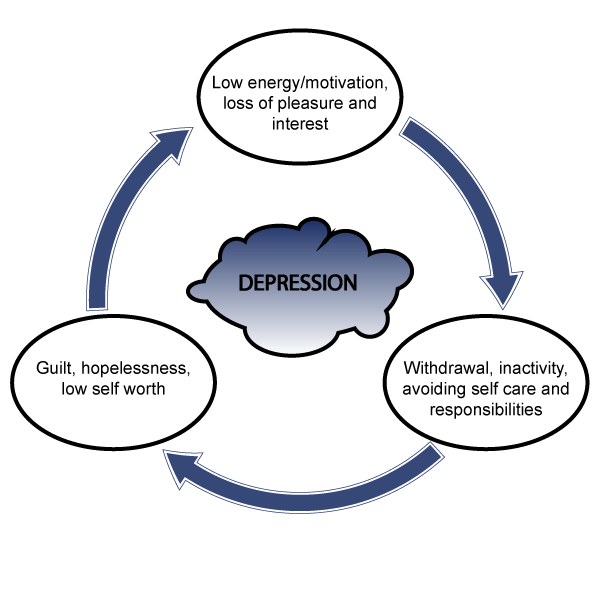
The connection between obesity, inflammation, and depression underscores the importance of addressing both physical and mental health in tandem.
Chronic inflammation disrupts brain function, alters neurotransmitter pathways, and exacerbates emotional challenges, creating a vicious cycle that fuels both obesity and depression.
Continued research and comprehensive treatment strategies are essential for breaking this cycle, offering hope for individuals affected by these interlinked conditions.
By recognizing the role of inflammation in bridging obesity and depression, healthcare providers can adopt more holistic approaches, ensuring improved outcomes for those navigating the challenges of these interconnected health issues.