

Achieving a lean, healthy physique goes beyond just slashing calories; it is about mindful eating – the art of eating smart.
Macronutrient balancing—getting the right mix of proteins, carbohydrates, and fats—is a cornerstone of effective meal planning for fitness and health.
It optimizes energy, supports muscle maintenance, and enhances overall well-being.
This article by leanandfit.info dives deep into the science of macronutrient balancing, explaining how it influences your metabolism, energy levels, and recovery. You learn the role of macronutrient balancing in lean meal planning.
From practical tips to real-life success stories, you will learn the role of Macronutrient Balancing in lean meal planning.
Article Index
- Introduction to Macronutrients and Their Role in Nutrition
- The Science of Macronutrient Balancing
- 1. Proteins and Lean Muscle Mass
- 2. Carbohydrates as Energy Sources
- 3. Fats for Hormonal Health and Energy
- Benefits of Macronutrient Balancing in Lean Meal Planning
- 1. Sustained Energy Levels
- 2. Optimized Metabolic Function
- 3. Prevention of Nutrient Deficiencies
- Real-Life Applications of Macronutrient Balancing
- Case Study: Sarah’s Fitness Journey
- Case Study: Tom’s Weight Loss Plan
- FAQs on Macronutrient Balancing in Lean Meal Planning
- Challenges and Misconceptions
- Conclusion
Introduction to Macronutrients and Their Role in Nutrition
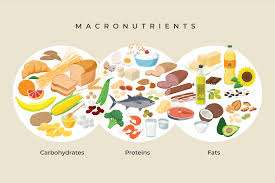
Proteins, carbohydrates, and fats—these are the true MVPs (Most Valuable Players) of human nutrition.
Each macronutrient brings its unique superpower to the table: proteins build and repair muscles, carbs fuel your brain and energy levels, and fats keep your hormones happy and your cells healthy.
Balancing these power players is not just about counting calories—it is about creating harmony for your body’s needs.
Tailoring your macronutrient intake can help you crush goals like achieving a lean physique or staying energized during marathon Netflix sessions (or workouts).
Research in The American Journal of Clinical Nutrition (Westerterp, 2015) shows that the right macronutrient mix is not just a nice-to-have; it is key to effective weight management and metabolic health.
So, next time you plate up, think of it as assembling your nutrition dream team—balanced, functional, and ready to work.
The Science of Macronutrient Balancing
This is what science has to say on this topic:
1. Proteins and Lean Muscle Mass
Protein is the building block of muscles, playing a pivotal role in repair and growth. For those pursuing lean meal planning, high-quality protein sources are indispensable.
Studies in The Journal of Nutrition (Phillips & Van Loon, 2011) show that consuming 1.6 to 2.2 grams of protein per kilogram of body weight daily helps maintain lean body mass during weight loss.
Sources like chicken, fish, legumes, and eggs are excellent for promoting satiety and supporting muscle protein synthesis.
2. Carbohydrates as Energy Sources
Carbohydrates provide the primary fuel for physical activity and cognitive function. However, not all carbs are equal.
Complex carbohydrates—found in whole grains, fruits, and vegetables—release energy gradually, preventing blood sugar spikes.
A balanced intake of carbohydrates ensures adequate glycogen storage, which is crucial for workouts and recovery. You might like to opt for low carb diets.
Research from Sports Medicine (Burke et al., 2011) emphasizes the importance of carb timing and quality in athletic performance.
3. Fats for Hormonal Health and Energy
Dietary fats are essential for hormone regulation, brain health, and long-lasting energy.
Healthy fats from sources like avocados, nuts, and olive oil are crucial for absorbing fat-soluble vitamins (A, D, E, K) and supporting metabolic processes.
Studies in The Journal of Lipid Research (Brenna et al., 2009) highlight that unsaturated fats improve cardiovascular health without contributing to excess body fat when consumed in moderation.
Benefits of Macronutrient Balancing in Lean Meal Planning
A quick look at how planning your macros helps you get lean and fit:
Sustained Energy Levels:
Balancing macronutrients ensures a consistent energy supply throughout the day.
Proteins, fats, and complex carbohydrates work synergistically to slow digestion and stabilize blood sugar levels, preventing energy crashes.
For instance, pairing oatmeal with almond butter and a boiled egg offers a mix of slow-digesting carbs, healthy fats, and protein.
This combination fuels morning activities and reduces the likelihood of mid-morning hunger or fatigue.
Optimized Metabolic Function:
A well-proportioned macronutrient intake supports an efficient metabolism.
Protein, due to its high thermic effect, requires more energy for digestion, effectively boosting calorie expenditure.
Meanwhile, healthy fats are vital for maintaining hormonal balance, which directly influences metabolism, mood, and energy levels.
For example, incorporating avocado or olive oil into meals helps stabilize hormone production, essential for long-term metabolic health.
Balanced weekly macronutrient intake also ensures glucose utilization remains optimal, reducing fat storage.
Prevention of Nutrient Deficiencies:
Over-reliance on a single macronutrient increases the risk of missing essential vitamins and minerals.
Low-fat diets, for instance, may lead to deficiencies in fat-soluble vitamins like A, D, E, and K, while overly restrictive low-carb diets may lack fiber, B vitamins, and phytonutrients.
A balanced macronutrient meal planning approach, including a variety of whole foods such as leafy greens, lean proteins, and healthy fats, ensures the body receives the nutrients it needs for optimal health and longevity.
Balancing macronutrients goes beyond energy management—it is fundamental for metabolic efficiency and nutrient adequacy.
Real-Life Applications of Macronutrient Balancing
Here are two such examples that we would like to share with you:
Emma’s Energy Revival
Emma, a 28-year-old marketing executive, often felt sluggish during her evening runs.
A registered dietitian suggested adjusting her macronutrient intake to 40% carbohydrates, 30% protein, and 30% fats to optimize her energy and recovery.
Adding meals like salmon with sweet potatoes and steamed broccoli significantly improved her endurance.
She also included pre-workout snacks like banana slices with almond butter to maintain steady glucose levels, allowing her to perform at her best during workouts.
James’ Muscle-Preserving Weight Loss
James, a 46-year-old architect, wanted to shed 25 pounds while maintaining his muscle mass.
A diet plan with 35% protein, 40% carbohydrates, and 25% fats created a sustainable calorie deficit without sacrificing his strength.
Meals like turkey-stuffed bell peppers and snacks such as boiled eggs with whole-grain crackers kept him feeling full and energized.
This approach not only helped him achieve his weight-loss goals but also improved his metabolism and muscle definition, according to his follow-up body composition analysis.
These examples highlight how tailored macronutrient balancing, suited to individual needs and goals, enhances performance, energy, and weight management.
Proper planning empowers individuals to achieve their health and fitness objectives effectively.
FAQs on Macronutrient Balancing in Lean Meal Planning:
This FAQ is all about understanding how balancing macronutrients can quietly transform your lean meal planning.
It is not just about eating less—it is about eating smarter and giving your body what it truly needs.
If you’ve ever felt confused about proteins, carbs, and fats, this will simplify things in a very real way.
Q-1: Why does balancing macronutrients matter more than just counting calories?
A-1: Calories tell you how much you’re eating, but macronutrients decide how your body uses that energy. When your meals are balanced, your body gets steady fuel, better muscle support, and fewer cravings. It’s like giving your body the right mix instead of just less food. That balance helps you stay full, energized, and more consistent with your eating habits.
Q-2: How can an unbalanced meal slow down my fat loss progress without me realizing it?
A-2: When one macronutrient dominates—like too many carbs or too little protein—your body reacts differently. You may feel hungry sooner or experience energy crashes. This leads to overeating later. Even if total calories seem okay, poor balance can quietly disrupt your rhythm, making fat loss feel harder than it actually should be.
Q-3: Why does adding protein to every meal make lean planning easier?
A-3: Protein has a way of grounding your meals. It keeps you fuller for longer and supports muscle maintenance, which is key for a lean look. When protein is present, your meals feel more satisfying, and you’re less likely to snack unnecessarily. It creates a stable base that makes the rest of your meal feel complete.
Q-4: Can eating the same calories but different macro ratios change my body composition?
A-4: Yes, and this surprises many people. Two meals with the same calories can affect your body very differently depending on their macro balance. A protein-rich, balanced meal supports muscle and satiety, while a carb-heavy one might spike energy and drop it quickly. Over time, these differences shape how your body stores or burns energy.
Q-5: Why do balanced meals make me feel “lighter” even when I eat enough food?
A-5: That light feeling often comes from stable digestion and energy levels. When your body gets the right mix of protein, carbs, and fats, it processes food more smoothly. You avoid that heavy, sluggish feeling that comes from overeating one type of nutrient. Balance helps your body feel efficient rather than overloaded.
Q-6: How do healthy fats play a role in lean meal planning without causing weight gain?
A-6: Healthy fats are often misunderstood. In the right amounts, they help regulate hormones and keep you satisfied. They slow down digestion slightly, which helps maintain steady energy. When included wisely, fats don’t lead to weight gain—they actually prevent overeating by keeping hunger under control.
Q-7: Why do I crave junk food more when my macros are not balanced?
A-7: Cravings often come from imbalance. If your meals lack protein or healthy fats, your body may keep searching for satisfaction. This can show up as cravings for sugary or processed foods. Balanced meals send a signal to your brain that you’re nourished, reducing the urge to look for quick, unhealthy fixes.
Q-8: Can macronutrient timing affect how lean I look?
A-8: Yes, timing can subtly influence results. For example, having carbs around active periods gives your body energy when it needs it most. Protein spread throughout the day supports muscle repair continuously. It is not about strict rules—it is about aligning your intake with your daily rhythm to support a leaner appearance.
Q-9: Why do balanced meals reduce energy crashes during the day?
A-9: Energy crashes often come from quick spikes and drops in blood sugar. When meals are balanced, especially with protein and fats alongside carbs, energy is released more steadily. This keeps you feeling stable and focused, which also helps you stay active and avoid unnecessary snacking.
Q-10: How does macronutrient balance support muscle while losing fat?
A-10: Protein helps preserve muscle, while carbs provide energy for movement, and fats support overall function. When all three are balanced, your body can lose fat without sacrificing muscle. This is what creates that lean, toned look rather than just a smaller version of yourself.
Q-11: Why does meal balance make portion control feel easier?
A-11: When your meals are balanced, you naturally feel satisfied sooner. You don’t need to rely on willpower to stop eating. Your body signals fullness more clearly, making portion control feel almost automatic. It’s a more natural way of eating compared to constantly restricting yourself.
Q-12: What’s the simplest way to start balancing macros without overthinking it?
A-12: Start by building your plate with a simple structure: include a source of protein, add some carbs, and finish with a bit of healthy fat. It doesn’t have to be perfect. Even small improvements in balance can make a noticeable difference in how you feel and how your body responds over time.
Free Tip of the Day:
At the end of the day, macronutrient balancing isn’t about strict rules or complicated tracking. It is about understanding your food in a deeper way and creating meals that truly support your body. When you get that balance right, everything—from energy to fat loss—starts to feel more natural and sustainable.
Challenges and Misconceptions
Here are the major myths linked with this topic along with their facts:
“All Fats Are Bad”:
The misconception that all fats are unhealthy leads many to cut them entirely from their diets.
However, dietary fats are essential for absorbing fat-soluble vitamins (A, D, E, and K), maintaining cell integrity, and supporting hormonal balance.
Healthy fats from avocados, nuts, seeds, and olive oil not only provide essential nutrients but also help regulate appetite.
Avoiding fats altogether can lead to nutrient deficiencies and imbalances.
“Carbs Lead to Weight Gain”:
Carbohydrates often get blamed for weight gain, but the issue lies in the overconsumption of refined carbs like sugary snacks and white bread.
Complex carbs such as whole grains, legumes, and vegetables are necessary for sustained energy and glycogen replenishment, especially for active individuals.
Understanding the difference between refined and complex carbs is crucial to maintaining a balanced diet.
“High Protein Diets Are Unsustainable”:
A common belief is that high-protein diets are restrictive and difficult to maintain.
However, incorporating diverse protein sources like lean meats, fish, tofu, beans, and dairy makes it easier to meet protein needs while keeping meals exciting and varied.
Scientific research supports protein’s role in muscle preservation and satiety, making it a vital macronutrient in any balanced diet.

Conclusion
Macronutrient balancing is not a one-size-fits-all solution but a customizable strategy tailored to individual goals. Improve your sleep duration to magnify the effects of your planned meals.
It optimizes energy, enhances metabolic health, and prevents nutrient deficiencies, forming the cornerstone of effective lean meal planning.
By understanding the roles of proteins, carbohydrates, and fats—and how they interact—individuals can craft sustainable, nutrient-dense meal plans that support their health and fitness goals.
Combining scientific principles with practical applications ensures that macronutrient balancing remains an achievable and impactful dietary strategy.