
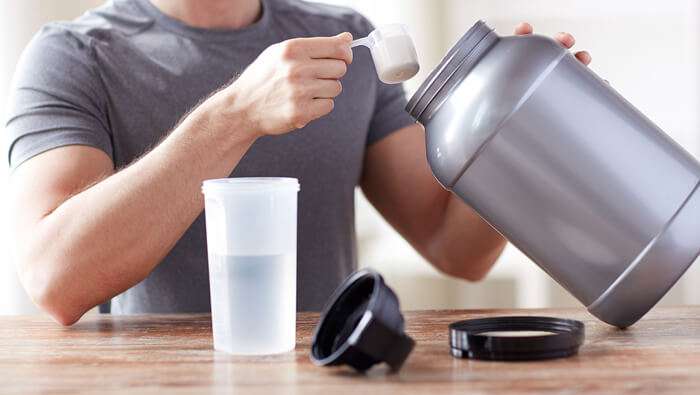
Muscle recovery is a critical part of any fitness journey, whether you are a professional athlete or a casual gym-goer.
Choosing the right protein is essential to aid recovery, repair muscle tissue, and promote growth.
With so many options available, picking the best protein can be overwhelming.
In this article, LeanAndFit research team shall explore the key factors that determine the best protein for muscle recovery, analyze different types of protein powders, and share real-life examples to make it easy to understand.
Table of Contents
- Importance of Protein in Muscle Recovery
- Key Criteria for Choosing the Best Protein
- Different Types of Protein Powder and Their Functions
- Best Protein for Recovery and Muscle Growth
- How to Choose Protein Powder for Muscle Building
- Real-Life Example: John’s Journey to Find the Perfect Protein
- Addressing Special Needs: How to Choose the Best Protein for Muscle Recovery (Vegetarian)
- Top Tips to Choose the Best Protein for Recovery
- Does Protein Powder Help Muscle Recovery?
- FAQs
- Conclusion
Importance of Protein in Muscle Recovery
Protein is the building block of muscle tissue.
After a workout(even a simple one such as step challenges), your muscles undergo micro-tears that need to be repaired to grow stronger and bigger.
Protein provides the essential amino acids necessary for this repair.
A study published in the American Journal of Clinical Nutrition found that consuming protein within 30 minutes of exercise significantly enhances muscle recovery and reduces soreness.
Without adequate protein intake, your body struggles to rebuild muscle, which can hinder progress and increase fatigue.
This makes choosing the best protein for recovery and muscle growth a priority.
Key Criteria for Choosing the Best Protein
Selecting the right protein for muscle recovery is crucial for achieving your fitness goals.
Here is what to keep in mind:
- Amino Acid Profile: Opt for proteins rich in essential amino acids, especially leucine, which plays a key role in triggering muscle protein synthesis.
- Digestibility: Proteins that are easy to digest ensure quicker absorption, maximizing recovery benefits. For example, whey protein is rapidly absorbed, while casein provides a slower release of nutrients.
- Source: Animal-based proteins like whey and casein are often considered superior for recovery due to their complete amino acid profiles. However, plant-based options like pea and rice protein can be just as effective when combined to provide all essential amino acids.
- Goal-Oriented Selection: Choose a protein that aligns with your objectives—whether it’s muscle gain, fat loss, or general recovery. For example, those aiming for fat loss may prefer low-calorie options with minimal carbohydrates.
Considering these factors ensures you pick a protein that supports your recovery and enhances performance.
Different Types of Protein Powder and Their Functions
Choosing the right protein powder requires knowing the unique benefits of each type. Here’s a breakdown of the most popular options:
- Whey Protein: Frequently dubbed the best protein powder for muscle gain without side effects, whey is fast-digesting and packed with leucine, a crucial amino acid for muscle protein synthesis. It’s perfect for post-workout recovery and quick energy replenishment.
- Casein Protein: Slow-digesting and ideal for nighttime use, casein provides a steady release of amino acids to support muscle repair while you sleep.
- Soy Protein: A versatile plant-based option, soy offers a complete amino acid profile and is a go-to for vegetarians or those with dairy intolerances.
- Pea Protein: Rich in arginine, this plant-based protein enhances blood flow and supports recovery. Combining it with rice protein creates a complete amino acid profile.
- Egg Protein: A non-dairy option with high digestibility, egg protein is ideal for those needing a comprehensive amino acid spectrum.
- Collagen Protein: While less effective for muscle building, collagen is excellent for supporting joint, skin, and connective tissue health.
Each type caters to different needs.
A study in Nutrients Journal emphasizes the importance of matching protein choice with individual goals, whether for rapid muscle recovery, sustained repair, or dietary restrictions.
Understanding these differences ensures optimal results tailored to your fitness objectives.
Best Protein for Recovery and Muscle Growth
When it comes to recovery and muscle growth, not all proteins are created equal.
The best options are those with high bioavailability and a complete amino acid profile, ensuring your muscles get the nutrients they need to repair and grow effectively.
Whey protein remains the gold standard, thanks to its fast absorption and rich leucine content, a key amino acid for stimulating muscle protein synthesis.
This makes it a go-to choice for anyone looking to enhance recovery after intense workouts.
For vegetarians or those seeking plant-based options, pea and rice protein blends are excellent alternatives.
When combined, they offer a complete amino acid profile and are gentler on digestion.
A study published in the Journal of the International Society of Sports Nutrition highlights leucine-rich proteins like whey for their superior ability to stimulate muscle protein synthesis, setting them apart as a top choice for recovery and growth.
How to Choose Protein Powder for Muscle Building?
When it comes to building muscle, protein powder is a convenient and effective supplement.
But with endless options on the market, how do you choose the best one for your needs?
Here is a breakdown to guide your decision-making:
- Check Labels: A good protein powder for muscle gain should offer 20–30 grams of protein per serving. This amount provides enough amino acids to kickstart muscle repair and growth post-workout.
- Evaluate Additives: Many powders are loaded with sugars or artificial flavors to enhance taste. While tempting, these additives can undermine your fitness goals. Look for options with minimal sugar and clean ingredients.
- Test Digestibility: If you’re lactose intolerant or have sensitive digestion, consider whey isolate or plant-based proteins like pea or rice. These options are easier on the stomach and still deliver essential amino acids.
- Focus on Purity: Grass-fed whey or organic plant proteins often have fewer contaminants and higher-quality nutrients. Certifications can help you ensure you are getting a product free from hormones or pesticides.
Choosing the right protein powder is a personal process, and finding the balance between quality, digestibility, and your fitness goals is key to long-term success.
John’s Journey to Find the Perfect Protein
John, a 28-year-old fitness enthusiast, often found himself struggling with muscle soreness after intense weightlifting sessions.
Determined to improve his recovery, he initially tried whey protein concentrate, a popular choice for muscle repair.
However, the concentrate caused bloating and discomfort, making him rethink his options.
After researching alternatives, John switched to whey isolate, a more refined version with minimal lactose.
The change resolved his digestion issues and allowed him to stick to a consistent protein routine.
Later, when he shifted his focus to fat loss, he opted for the best protein powder for muscle recovery and fat loss: a blend of whey and casein.
This combination provided fast and slow-digesting proteins, ensuring optimal recovery and muscle preservation while supporting his weight loss goals.
John’s journey illustrates the importance of tailoring protein choices to individual needs and experimenting to find the perfect match for fitness goals.
Addressing Special Needs: How to Choose the Best Protein for Muscle Recovery (Vegetarian)
Vegetarians often face unique challenges in meeting their protein needs for muscle recovery.
However, plant-based protein powders such as soy, pea, and hemp offer excellent alternatives to traditional animal-based options.
The key lies in combining different plant proteins to create a complete amino acid profile, essential for muscle repair and growth.
For instance, pea protein is a fantastic base due to its high lysine content, while rice protein complements it by providing methionine, an amino acid pea protein lacks.
Together, they form a powerful duo for muscle recovery.
Research published in the Nutrients Journal highlights that plant-based proteins, when consumed in adequate amounts and combinations, can match the effectiveness of animal-derived proteins for muscle repair.
Whether you are a seasoned athlete or a fitness enthusiast, vegetarian options like these ensure you do not miss out on essential nutrients while maintaining your dietary preferences.
Top Tips to Choose the Best Protein for Recovery
Selecting the right protein for recovery can significantly impact your fitness progress. Here are some practical tips to guide you:
- Match Protein to Your Goal: If you’re aiming for muscle growth, fast-digesting proteins like whey are ideal due to their high leucine content, which stimulates muscle protein synthesis. For fat loss, opt for low-carb, low-fat protein powders that align with your calorie goals.
- Consider Your Lifestyle: If you follow a vegetarian or vegan diet, plant-based protein powders like pea, rice, or hemp protein are excellent options. They’re often blended to provide a complete amino acid profile.
- Test Before Committing: Digestibility and taste matter. Start with smaller sample packs or single-serving sachets before investing in larger quantities. This helps avoid wasting money on a product that doesn’t suit you.
- Consult a Nutritionist: A qualified expert can provide personalized recommendations based on your fitness goals, dietary needs, and any potential allergies or intolerances.
By following these tips, you will be equipped to choose the best protein for recovery and set yourself up for consistent progress.
Does Protein Powder Help Muscle Recovery?
Absolutely, protein powder is one of the most effective tools for muscle recovery.
Post-exercise, your muscles undergo stress and minor tears, requiring protein to repair and strengthen.
Protein powders provide a quick and convenient way to meet your protein needs, especially for those with busy lifestyles or higher protein demands.
By supplying essential amino acids, particularly leucine, protein powders stimulate muscle protein synthesis, the process through which muscles recover and grow stronger.
This is particularly crucial after intense training sessions where dietary protein alone may not suffice.
A study published in the British Journal of Sports Medicine found that consuming protein supplements immediately after exercise accelerates muscle recovery, reduces soreness, and improves overall performance in subsequent workouts.
Additionally, the quick digestibility of protein powders, such as whey, ensures that your muscles receive the nutrients they need at the optimal time for recovery.
FAQs:
Takeaway: Choosing the Right Protein for Muscle Recovery
Protein is the cornerstone of effective muscle recovery.
By understanding different types of protein and their functions, you can make informed decisions tailored to your needs.
Whether you are a beginner or an experienced athlete, selecting the right protein powder can make all the difference in achieving your fitness goals.
Remember, the best protein powder for muscle recovery and fat loss depends on your personal preferences, dietary restrictions, and specific goals.
With consistent use and proper pairing with a balanced diet, you’re set for success in your recovery journey.
Key Takeaway:
Invest time in understanding your body’s needs and choose wisely. The right protein is not just fuel—it is a step toward a stronger, healthier you.
References: