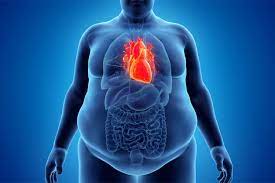

Over 60 percent of people confess that they eat not out of hunger but due to feeling stressed, bored, or sad.
Emotional eating is a prevalent phenomenon that significantly affects people’s lifestyles.
It is essential to understand the different reasons for impulsive and unwell eating to improve one’s habits regarding the condition.
In this guide you learn emotional triggers for overeating and how to stop them!
Table of Contents
- 1. Understanding Emotional Eating and Its Impact
- 2. Stress and Anxiety: Calming Your Cravings
- 3. Boredom Eating: Finding Healthy Distractions
- 4. Sadness and Loneliness: Building Emotional Support
- 5. Social Situations: Navigating Peer Pressure to Eat
- 6. Fatigue and Exhaustion: Boosting Energy Without Food
- 7. Celebratory Emotions: Managing Rewards and Treats
Quick Summary
| Takeaway | Explanation |
|---|---|
| 1. Recognize emotional eating triggers. | Identifying situations that lead to emotional eating is vital for change. |
| 2. Practice mindfulness to manage cravings. | Mindful techniques help disrupt unhealthy eating patterns caused by stress or boredom. |
| 3. Engage in healthy distractions over food. | Finding alternative activities can reduce boredom eating significantly. |
| 4. Build a support network for emotional struggles. | Connecting with others can alleviate feelings of sadness and loneliness that lead to emotional eating. |
| 5. Approach celebrations with portion control. | Being mindful during festive occasions prevents habitual overeating and helps maintain health goals. |
1. Understanding Emotional Eating and Its Impact
Emotional eating is not simply a habit or preference. It is a coping mechanism that devalues the act of eating real food and replaces it with another behavior that has the opposite intent: to soothe negative emotions.
According to a study published on PubMed , this harmful pattern is associated with weight gain, and many other health issues.
What Is Emotional Eating?
Emotional eating is a coping strategy that replaces healthy methods of dealing with stress by consuming food. The research explains that the pattern is especially common among people struggling with anxiety, depression, and other mental illnesses. In such a case, eating is used as a tool to control emotions. As a result, people tend to experience disordered eating habits and a higher risk of developing a bad relationship with food.
How Does It Work?
When a person cannot cope with a certain feeling, they substitute it with another, more enjoyable one. According to the article, food, especially sweet and fatty ones, causes an increase in dopamine in the brain, which gives a satisfying sensation. This way, emotional eating helps to alleviate negative emotions temporarily but forms a harmful habit.
What Are The Possible Results Of Emotional Eating?
The study shows that people who frequently substitute their emotions for food consumption are likely to experience:
• Extreme obesity;
• Development of several severe diseases;
• Lower resilience to stress;
• Higher prevalence of eating disorders;
• A possible lack of socialization due to unhealthy habits.
2. Stress and Anxiety: Calming Your Cravings
Stress and anxiety can turn your kitchen into a battleground, with food items as your enemies. Studies published on PubMed have established a profound relationship between stress and eating behavior, particularly in young adults.
Stress and Eating Behaviors
When faced with stress, your body releases a hormone called cortisol that makes you crave unhealthy foods. A study conducted among university students concluded that 21% of participants were highly emotional eaters, with perceived stress being the primary trigger.
Stress Triggers Compulsive Eating
Students often experience a lot of stresses and worries in their academic lives. Studies show that these triggers often induce compulsive eating in students as a technique to cope with the unhappiness caused by these triggers. A stressor, such as low GPA can also lead to changes in eating behavior. During such times, eating can be used as a coping strategy.
Breaking the Stress Eating Cycle
If you are a victim of stress-triggered eating, consult your doctor on the following techniques
- Practice healthy stress coping mechanisms
- Mindfulness meditation or other alternative therapies
- Make time for regular physical exercise
- Go through a proper stress management program
- Seeking professional help
Consult this guide on factors that trigger stress eating to identify your weakness. Breaking this cycle requires that you understand your triggers and the impact that they have on your mental health.
3. Boredom Eating: Finding Healthy Distractions
Boredom eating is not when you are simply eating to satisfy hunger, it is when you eat while you are bored, and food is a distraction from the boredom.
Across 12 European countries, research shows that boredom was an unintentional reason for eating.
Boredom Eating Psychology
When people are bored, their brain interprets eating as excitement, and as a way to replace the boredom
Research published by PMC shows that boredom is an emotion which can cause overeating, and that there needs to be strategies put in place to prevent this.
Why Boredom Triggers Us to Eat
When you eat, you get a burst of feeling excited or happy. So when we are bored, we want something to change, and we substitute food for the excitement we aren’t getting. Eating when you’re bored isn’t just something adults do either, research on 8-9 year olds shows us that the eating patterns start at a young age and are often linked to personality type.
Ways To Beat Boredom Eating
Here are some ways to combat boredom eating by interrupting the thought process.
- Make a list of things to do when bored
- Do some meditation
- Take up a hobby that keeps your hands busy
- Have a glass of water when you feel the urge to eat
- Have an everyday schedule
Read more about how to stop mindless eating, and you can learn more about how to take control over your eating habits and boredom triggers. The first step to fixing the issue is knowing what causes it, and how you can stop.
Learn more about managing mindless eating habits to transform your relationship with food and boredom. Remember understanding your triggers is the first step toward healthier choices.
4. Sadness and Loneliness: Building Emotional Support
Sadness and loneliness can significantly impact your relationship with food. When negative emotions become your dominant feeling, food may be used as a coping mechanism.
The latest studies show that in times of conflict, the prevalence of emotional eating is associated with certain population groups.
Physiological Explanation of Emotional Eating
If you feel lonely or sad, your brain tells you to eat to make yourself feel better. The food that is chosen to provide some comfort usually contains plenty of sugar and carbohydrates. They, as a result, lead to an increase in serotonin levels that improve a person’s mood.
Emotional eating is a conscious or subconscious process that begins when a person realizes that food can help them cope with negative emotions. Researchers show that emotional eating is actually maladaptive coping behavior caused by severe distress.
Emotional vs. Physical Hunger – Know the Difference
Emotional hunger makes you crave some foods, bringing you comfort while being high in calories, but physical hunger makes you eat whatever is available. You can easily identify emotional hunger by its sudden appearance and specific requirements for food. Understanding the difference is essential to being able to stop emotional eating.
Preventive Measures – How to Stop Eating Emotional Food
Here are several suggestions as to what you can do to prevent emotional eating:
- Come up with a list of people you can talk with about your problems
- Practice everyday meditation
- Consider getting couples’ therapy if you are sad because of your relationship.
- Other available opportunities worth exploring to get proper emotional support include joining support groups.
- Furthermore, build healthier coping mechanisms and exercise regularly.
- Finally, look into effective stress management techniques that do not involve emotional eating.
Learn how to deal with emotional eating to improve your well-being. Remember to be kind to yourself and take control of your sadness and emotional eating today.
5. Social Situations: Navigating Peer Pressure to Eat
Social gatherings can turn into nutrition traps full of sneaky peer pressure that will ruin healthy eating. Studies carried out in different European nations examine the impact of a social environment on the tendency to eat and the psychology of overeating.
The Social Dynamics of Eating
Peer pressure works in a way that makes it hard to ignore what other people are doing when it comes to eating. If you are around people who are eating unhealthy foods in big portions, then you will most likely do the same.
According to PMC, eating with others can cause you to eat beyond your personal nutrition needs.
Understanding Psychological Triggers
Social eating triggers have their roots in the need of a person to belong somewhere and be accepted. That being said, the fear of becoming different and standing out can prompt one to eat something that they would not choose on their own. The act of eating together with others is what brings people closer, symbolizing a union and a bond between individuals.
Practical Strategies for Maintaining Control
To avoid the social pressure of dining with others without becoming withdrawn, you might want to try the following approaches:
- Talk about your food preferences openly
Eat something healthy before visiting friends or family
Bring healthy food to the ones you are visiting.
Practice saying no in a way that won’t make you or the other person feel bad
Focus less on food and more on socializing.
Learn more about how to spot social pressure related to food. Don’t forget that your health is more important than what some people may say to you.
6. Fatigue and Exhaustion: Boosting Energy Without Food
Fatigue can turn you into a mindless eater, easily falling into bad eating habits
When you are tired you tend to grab whatever you can get your hands on in order to get some calories into your system. Studies performed at the University of South Australia found that in university students high levels of perceived stress and fatigue were linked to emotional eating.
The Fatigue Food Connection
Your body tells you that it needs some quick sugar. It could be sweets or some sort of carb.
You end up getting this quick burst of energy that crashes almost straight back down. It’s just a neverending cycle of hunger. According to PubMed, stress from school along with a poor self esteem can induce harmful patterns of this in teens.
Understanding Energy Depletion Triggers
Fatigue can be caused by various factors such as lack of sleep, stress, and nutritional deficiency.
When you are exhausted and tired, food is the fastest source of energy. It becomes an easy way out and covers up the lack of proper lifestyle management and energy conservation.
Alternative Energy Boosting Strategies
To avoid getting tired without using food for energy, one might want to consider the following:
- Practice proper sleep hygiene
- do some form of quick physical exercises,
- practice breathing and meditation,
- drink lots of water,
- have a good stress management program.
One should look into the effects of sleep deprivation on hunger levels and explore the links between sleep and eating. The human body should have methods for obtaining energy other than food.
7. Celebratory Emotions: Managing Rewards and Treats
Celebrations can often be a gateway to overeating and breaking nutritional rules.
Studies have shown that positivity during a celebration can increase your chances of overeating.
Understanding the Psychology of Celebrating
Positive feelings during a celebration can cause an individual to forget about their nutritional guidelines and go overboard with the indulging.
According to studies done by PMC, during the time of happiness people have been seen to eat more than they normally would just because they can associate the food with the feeling of the event.
Reward Yourself
When eating to celebrate something it is important to remember that you are doing it for yourself and your happiness.
Eating during times of extreme emotions such as excitement can also be seen as emotional eating. During times of happiness, the body produces its own reward chemicals which can possibly lead to addiction when paired with foods that have been classified as unhealthy.
Ways To Control Your Eating During Celebrations
To avoid excessive eating during celebrations one could try and:
- eat small portions
- have a healthy treat instead
- stay hydrated
- focus on the social aspect rather than the food
- plan a smaller treat for later that day
Learn more about emotional eating and help fight the urge to overeat during celebrations. Always remember that although you may be allowed to eat a little more freely during a celebration it should still be a special event that doesn’t happen every day.
Below is a comprehensive table summarizing the key aspects of emotional eating and associated strategies discussed throughout the article.
| Topic | Description | Key Considerations |
|---|---|---|
| Emotional Eating | A coping mechanism where food addresses emotions rather than hunger. | Leads to disinhibited eating, weight gain, and health challenges. |
| Stress and Anxiety | Stress releases cortisol, increasing cravings for comfort foods. | Mindful breathing and exercise can manage stress eating. |
| Boredom Eating | Food becomes an escape from monotony. | Engaging activities and mindfulness can break this cycle. |
| Sadness and Loneliness | Food triggers neurotransmitters for temporary mood boosts. | Building support networks and counseling can help. |
| Social Situations | Peer pressure influences food choices. | Communicate preferences and focus on socializing. |
| Fatigue and Exhaustion | Leads to cravings for quick energy foods. | Maintain hydration and proper sleep routines. |
| Celebratory Emotions | Positive emotions increase food intake during events. | Practice portion control and prioritize social connections. |
Break Free from Emotional Eating and Regain Control Today
Dealing with emotional eating can be a stressful and unpleasant experience when there are other emotional factors involved, such as sadness, boredom, or loneliness.
In the given article, the main focus is made on the description of different emotional and stress-related triggers that may lead to episodic overeating. The information presented helps to understand better what the problem is and how it is essential to address it.
If emotional or stress-related eating has negatively affected your life, the information from the provided article may help you cope with this problem successfully.
You are always welcome to get professional assistance from our specialists at the Emotional Eating – LeanAndFit website, where you can also find valuable information and effective techniques to deal with the issue.
Your journey to a balanced lifestyle starts at leanandfit.info.
Frequently Asked Questions:
Q-1: What emotional triggers cause overeating and how can you control them?
A-1: Emotional triggers such as stress, anxiety, sadness, boredom, and even loneliness are one of the major reasons for overeating.
In the U.S., almost 38% of Americans admit to overeating or eating unhealthily due to stress.
Stress, anxiety, and other related emotions can activate the reward center of the brain that makes us crave unhealthy calorie-dense foods.
The best ways to control emotional triggers is to understand and accept them.
In addition, a person can also keep a food journal, have healthier coping mechanisms, talk to someone about their problems, and go for a walk or run.
Q-2: How can you stop emotional eating caused by stress and anxiety naturally?
A-2: Stress and anxiety are some of the major contributors to emotional eating.
In the U.S.A, about 1/3 of Americans admit to having severe stress, which may cause them to eat unhealthily.
The best way to stop emotional eating, triggered by stress and anxiety, is to develop a natural habit of deep breathing, meditating, and getting into healthy routines, such as working out.
Moreover, a person should create weekly meal plans with healthier eating options to prevent any desire for emotional eating.
Q-3: What are the best ways to identify emotional eating triggers?
A-3: The best ways to identify your emotional eating triggers are to track your moods and eating patterns.
Emotional eating is usually impulsive, so it can be challenging to address it if you are not aware that you are doing it.
According to research, 1 out of every 5 Americans who keeps a food journal has a lesser chance of developing an emotional eating disorder.
Q-4: Why do people eat when they are not physically hungry?
A-4: People tend to eat when they are not physically hungry because of an emotional trigger rather than a physical hunger cue.
In the U.S.A, easy access to cheap, highly processed foods and extensive advertising contributes to people eating more than they should, even when they are not physically hungry.
Emotional eating is usually a result of the association between food and happiness.
For example, when people feel bored, they may tend to reach out for unhealthy snacks or desserts.
Q-5: How can you stop binge eating triggered by emotions at night?
A-5: Night time binge eating is often caused by stress, tiredness, or lack of healthy daytime eating.
In the U.S.A, night-eating syndrome is very common among people who have an abnormal eating pattern.
The best way to stop binge eating triggered by emotions at night is to create a healthier and happier daily eating pattern.
A person can also make a relaxing sleep routine to distract themselves from late-night binge eating.
In addition, a person should keep unhealthy foods or snacks out of sight or reach to prevent the urge to binge emotionally eat at night.
Q-6: How can you manage stress eating without strict dieting?
A-6: Stress eating can be managed by keeping a balanced diet without depriving oneself of foods one likes.
In the U.S.A, a large number of people try strict diets that only make them obsessed with binge eating.
Instead, a person can try to maintain a healthier and happier eating pattern, focused on balanced nutrition.
Having proper dieting and sleeping patterns will also reduce stress levels, which are some of the major causes of emotional eating.
Q-7: What is the difference between emotional hunger and physical hunger?
A-7: Emotional hunger is different from physical hunger because physical hunger is the bodys signals that it needs to be fed.
On the contrary, emotional hunger is a persons craving for emotional satisfaction, which manifests in the desire to eat.
In the U.S.A, people find it difficult to differentiate between emotional and physical hunger, which results in overeating.
The two are different in several ways, including how quickly the person feels hungry, the type of food desired, and the level of satisfaction after eating.
Free Tip of the Day:
Emotional triggers for overeating range from psychological reasons to simple environmental reasons.
Stress, anxiety, sadness, boredom, and even loneliness are the most common emotional triggers for overeating.
These emotional triggers make a person eat, not because he/she feels physically hungry, but because he/she wants to satisfy an emotional need.
In the U.S.A, almost 38% of Americans admit to overeating due to stress.
Emotional eating can be controlled if a person learns his/her emotional triggers and develops healthier habits.
A small change in an eating pattern or lifestyle can help a person overcome an emotional eating disorder.