Obesity has become one of the most serious public health concerns in the United States, and the problem is especially visible in rural communities.
Perry County, Arkansas is one such place where obesity rates are significantly higher than national averages. Located in a rural part of central Arkansas, the county has a small population spread across a large geographic area.
This combination of geography, economic conditions, cultural habits, and infrastructure limitations shapes how people eat, work, and move throughout their daily lives.
While obesity is often described as a matter of personal lifestyle choices, the reality in places like Perry County is far more complex.
Residents face structural challenges that influence what foods are available, how much physical activity is possible in everyday life, and how easy it is to maintain healthy habits.
Rural economies, transportation patterns, and community culture all contribute to the environment in which people make daily decisions about food and activity.
This article by leanandfit.info explores the major causes behind the high obesity rates in Perry County.
Instead of offering solutions, it focuses entirely on identifying and explaining the underlying factors that contribute to obesity in this rural Arkansas community.
Article Index
- Rural Geography and Low Population Density
- Limited Access to Full-Service Grocery Stores
- Food Deserts and Lack of Fresh Produce Availability
- Lower Household Income Levels
- Food Insecurity and Irregular Eating Patterns
- Heavy Dependence on Convenience Stores
- Cultural Food Traditions of the American South
- Physical Inactivity in Rural Communities
- Car-Dependent Transportation and Long Commutes
- Aging Population Demographics
- Limited Healthcare Access
- Statewide Obesity Trends Influencing Rural Counties
- Childhood and Adolescent Weight Patterns
- Lack of Recreational Facilities and Infrastructure
- Socioeconomic Stress and Lifestyle Habits
Rural Geography and Low Population Density
One of the biggest contributors to obesity in Perry County is its rural geography. The county spans a large land area but has a relatively small population.
Perry County covers about 551 square miles but has only around 10,000 residents, resulting in a very low population density of roughly 18 people per square mile.
Communities are scattered across wide distances, and towns are separated by miles of rural roads, hills, and forests. This layout affects nearly every aspect of daily life.
In urban areas, people often walk to stores, parks, or public transportation. In Perry County, that type of routine movement is uncommon.
Most destinations are too far apart to reach on foot.
Residents typically rely on vehicles for almost every daily activity, including buying groceries, going to work, attending school, or visiting medical facilities.
The average commute time for workers in the county is about 30 minutes, meaning many people spend long periods sitting in vehicles.
The rural environment also affects infrastructure development.
With fewer residents spread across a large area, there is less demand for gyms, sports complexes, or organized recreational spaces. Sidewalks and bike paths are uncommon in many rural towns.
Because everyday life requires less physical movement, people accumulate fewer active minutes during the day.
Over time, this reduced activity contributes to weight gain across the population.
Local health data also shows that more than 70% of adults in Perry County are overweight or obese, highlighting the impact of geography on lifestyle habits.
Limited Access to Full-Service Grocery Stores
Another major cause of high obesity rates in Perry County is the limited number of full-service grocery stores.
Compared with urban areas, rural counties often have far fewer supermarkets available to residents.
Perry County has only a handful of grocery outlets serving roughly 10,000 residents, and many smaller communities must travel to nearby towns such as Morrilton or Conway to access larger supermarkets.
When grocery stores are scarce, people have fewer options for purchasing fresh and nutritious foods.
Larger supermarkets typically offer a wide selection of fruits, vegetables, lean meats, whole grains, and healthier packaged foods.
Smaller rural stores may carry only a limited variety of these items.
Limited competition between stores can also influence pricing. Healthy foods may be more expensive or less frequently stocked in rural grocery outlets.
In fact, over 20% of residents in Perry County live in areas considered low-access to healthy food, meaning they must travel significant distances to reach a full grocery store.
Travel distance also affects shopping habits. When the nearest grocery store is far away, people shop less frequently and buy foods that last longer.
These are often shelf-stable products such as packaged meals, snacks, or processed items. Over time, this limited grocery access encourages calorie-dense eating patterns.
Food Deserts and Lack of Fresh Produce Availability
Food deserts are another factor influencing obesity in Perry County.
A food desert is an area where residents have limited access to affordable and nutritious food options, particularly fresh fruits and vegetables.
In Perry County, an estimated 22–25% of residents live in low-income areas with limited access to supermarkets, meaning many households must travel long distances to purchase fresh food.
In rural counties, supermarkets may be located many miles away from certain communities.
When residents must travel long distances for fresh food, they often rely instead on closer retail outlets that carry fewer healthy options.
Some residents in smaller communities must drive 10 to 20 miles to reach a full-service grocery store, especially if they live outside the county seat of Perryville.
Convenience stores, gas stations, and small retailers typically stock products with long shelf lives.
These include packaged snacks, sugary beverages, instant meals, and processed foods.
Fresh produce and lean protein sources are often available only in small quantities or not at all.
When healthier foods are difficult to obtain, people rely more on what is readily available. This leads to diets higher in sugar, refined carbohydrates, and unhealthy fats.
Over time, these dietary patterns contribute to weight gain and obesity across the community.
Lower Household Income Levels
Economic conditions strongly influence health outcomes, and Perry County has lower average household income levels compared with many other parts of the country.
The median household income in Perry County is about $49,000, which is significantly lower than the U.S. median of roughly $74,000.
Financial constraints affect how families shop for food and structure their daily routines. Around 14–15% of residents in the county live below the poverty line, which can limit access to healthier food options.
Healthier foods often cost more per serving than highly processed alternatives.
Fresh vegetables, lean meats, and whole grains require more money than inexpensive calorie-dense foods such as refined grains, fried items, or packaged snacks.
For households working with tight budgets, the priority is often stretching food dollars as far as possible. Foods that are inexpensive and filling become the most practical choices.
Economic challenges can also influence work schedules. People working multiple jobs or long shifts may have limited time to prepare home-cooked meals.
Over time, these economic pressures shape household eating habits and increase the risk of obesity in the community.
Food Insecurity and Irregular Eating Patterns
Food insecurity is another factor linked with obesity in Perry County. Food insecurity occurs when households do not always have reliable access to enough food.
In Perry County, about 15–16% of residents experience food insecurity, meaning thousands of people face uncertainty about where their next meal will come from.
This condition can create irregular eating patterns. People experiencing food insecurity may go through cycles of food shortage followed by periods when food is available again.
During those times, individuals may eat larger portions or choose calorie-dense foods to feel full longer.
Low-cost foods that provide high energy are often the most accessible options. These include foods rich in sugar, refined carbohydrates, and unhealthy fats.
Many low-income households rely on inexpensive packaged foods because they provide more calories per dollar. While they provide quick energy, they also contribute to long-term weight gain.
Food insecurity can also affect psychological relationships with food.
People may prioritize quantity and fullness over nutritional balance when resources are limited, gradually increasing obesity risk across the community.
Heavy Dependence on Convenience Stores
Convenience stores play a large role in the food environment of Perry County.
In areas where supermarkets are limited, convenience stores often become the most accessible retail food outlets.
Nearly 25% of residents live in areas without easy access to full-service grocery stores, making convenience stores a primary source of food for many households.
These stores typically focus on quick, ready-to-eat items designed for immediate consumption. Chips, candy, sugary beverages, and packaged snacks dominate shelf space.
Healthy options such as fresh fruits, vegetables, and lean proteins are rarely available in large quantities. Even when present, they are often more expensive than processed alternatives.
Because convenience stores are easy to access and open long hours, many residents rely on them for snacks, meals, or beverages during daily routines.
Frequent reliance on these foods contributes to higher calorie intake, and over time, a retail environment dominated by convenience items encourages dietary habits that increase obesity risk in the county.
Cultural Food Traditions of the American South
Cultural traditions strongly influence eating habits in Perry County. Southern cuisine plays an important role in family gatherings, community events, and everyday meals.
Surveys indicate that more than 70% of adults in the county regularly consume traditional Southern dishes, which are often high in calories, fat, and sugar.
Many traditional dishes—such as fried foods, creamy sauces, biscuits, gravies, and sweet desserts—are staples of local cooking.
Sweet beverages like sweet tea are also commonly consumed with meals. While these foods are culturally significant, frequent consumption contributes to excessive calorie intake.
When comfort foods become daily staples rather than occasional treats, they can significantly increase weight gain.
In communities like Perry County, where cultural food traditions are strong, these dietary habits play an important role in shaping obesity rates across generations.
Physical Inactivity in Rural Communities
Physical inactivity is a major factor contributing to obesity in Perry County. Rural communities often report lower levels of regular exercise compared with urban areas.
Data shows that only about 45% of adults in Perry County meet recommended physical activity guidelines, which is well below the national average of 60%.
Several factors influence this pattern. Rural towns may lack fitness centers, organized sports leagues, walking trails, or recreational facilities.
Without easy access to these options, residents have fewer opportunities for structured exercise.
Weather conditions also affect activity levels, as hot and humid summers discourage outdoor activity for long periods.
Work patterns play a role as well. Many jobs involve long hours of driving or sedentary work, leaving little time for exercise.
When calorie intake remains high but physical activity remains low, weight gain becomes more likely over time, contributing significantly to the county’s obesity rates.
Car-Dependent Transportation and Long Commutes
Transportation patterns in Perry County further contribute to obesity trends. Because towns and services are spread far apart, most residents depend heavily on personal vehicles.
Nearly 90% of adults in the county commute by car, with an average one-way travel time of about 30 minutes, limiting opportunities for walking or cycling.
Driving becomes the primary mode of transportation for nearly every activity, from grocery shopping to attending medical appointments.
As a result, people spend large portions of their day sedentary.
Long commutes to nearby towns for work reduce time available for physical activity or home-cooked meals, making convenience foods the easiest option during busy schedules.
A lifestyle centered around driving rather than walking lowers daily energy expenditure.
Over time, these transportation patterns reinforce sedentary habits, contributing significantly to the high obesity rates observed in Perry County adults.
Aging Population Demographics
Perry County has an aging population compared with many other regions.
About 22% of residents are over the age of 65, higher than the national average of 16%, as many younger residents move to larger cities for employment opportunities.
Age affects metabolism and body composition. As people grow older, metabolic rates naturally slow, making it easier to gain weight even when eating habits remain similar.
Older adults may also face chronic health conditions, joint pain, or reduced mobility, limiting their ability to stay physically active.
In communities with a larger proportion of older residents, these factors contribute to higher overall obesity rates.
Current estimates show that obesity prevalence among adults over 65 in Perry County exceeds 35%, reflecting the combined impact of age, lifestyle limitations, and reduced physical activity.
Limited Healthcare Access
Access to healthcare services is more limited in many rural counties, including Perry County.
The county has only one hospital and a few primary care clinics serving roughly 10,000 residents, meaning many people must travel 20–30 miles to access specialized care or weight management programs.
Preventive services such as nutrition counseling, fitness programs, and regular health screenings are less available than in larger cities.
Only about 65% of adults in Perry County report having a regular healthcare provider, which is lower than the national average of 76%.
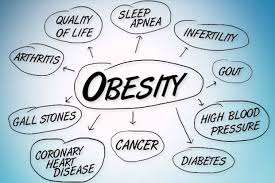
When healthcare access is limited, chronic conditions related to weight gain, such as diabetes, high blood pressure, or high cholesterol, may go undetected or unmanaged for longer periods.
This reduced access to preventive care contributes to higher obesity rates and worsens long-term health outcomes across the county’s rural population.
Statewide Obesity Trends Influencing Rural Counties
Arkansas as a whole experiences higher obesity rates compared with the national average, and these statewide trends strongly influence local communities such as Perry County.
The adult obesity rate in Arkansas is approximately 39%, higher than the national average of 33%, and Perry County’s adult obesity rate exceeds 35–36%, reflecting this broader pattern.
Dietary patterns, cultural habits, economic conditions, and limited health infrastructure across the state all contribute to an environment where obesity is more prevalent.
Rural counties like Perry County experience these trends more intensely due to additional challenges, including low population density, fewer grocery stores, limited recreational facilities, and lower household incomes.
As a result, statewide obesity trends reinforce local health outcomes, with residents in Perry County facing both structural and lifestyle factors that contribute to persistent high obesity rates across the population.
Childhood and Adolescent Weight Patterns
Obesity patterns in Perry County often begin during childhood.
Approximately 20% of children in Perry County are classified as overweight or obese, which is higher than the national childhood obesity rate of around 19%.
Children growing up in rural communities often have fewer opportunities for organized sports, recreational leagues, or structured physical activities due to limited facilities and long travel distances.
School environments, community programs, and family habits strongly influence children’s eating and activity patterns.
When high-calorie foods, sugary drinks, and sedentary entertainment such as screen time become routine, weight gain can occur early in life.
Children who develop obesity at a young age are significantly more likely to remain overweight or obese into adulthood.
In Perry County, these early patterns contribute to the overall high adult obesity prevalence of over 35%, demonstrating how childhood habits shape long-term health outcomes.
Lack of Recreational Facilities and Infrastructure
Recreational infrastructure significantly impacts community health, and Perry County faces notable limitations in this area.
The county has fewer than five public parks or recreation areas serving its roughly 10,000 residents, and walking trails, sports complexes, and fitness centers are scarce or located far from most residential communities.
Many rural counties, including Perry, lack organized recreational programs for children and adults, making regular exercise less convenient.
Without easily accessible spaces for physical activity, residents have fewer opportunities to stay active during their free time.
Combined with long commutes and limited public transportation, this contributes to predominantly sedentary lifestyles.
Local surveys indicate that less than 50% of adults in Perry County engage in regular physical activity, significantly below national averages.
Over time, the lack of recreational infrastructure reduces overall community activity levels and contributes directly to the county’s high obesity rates.
Socioeconomic Stress and Lifestyle Habits
Socioeconomic stress is a significant contributor to obesity trends in Perry County.
Approximately 14–15% of residents live below the poverty line, and limited local employment opportunities increase financial pressure and job insecurity.
These economic challenges influence daily habits and lifestyle choices.
Stress often affects eating behavior, with many individuals turning to high-calorie comfort foods during difficult periods.
Foods high in sugar, fat, and refined carbohydrates become a convenient way to cope with stress.
Busy schedules, long commutes, and economic pressures also encourage reliance on fast food, processed meals, and inexpensive packaged snacks.
Over time, these patterns contribute to gradual weight gain across the community.
Combined with low physical activity—less than 50% of adults meet exercise guidelines—socioeconomic stress significantly amplifies obesity risk, helping explain why Perry County consistently reports adult obesity rates exceeding 35%.
FAQ: Obesity in Perry County, Arkansas
Q-1: Why are obesity rates so high in Perry County, Arkansas?
A-1: Obesity rates in Perry County are high due to a combination of rural living conditions, economic challenges, and limited food access.
Health assessments indicate that about 70–71% of adults in the county are either overweight or obese, which is higher than the national average. The county’s small population and wide geographic spread mean residents travel long distances for groceries, work, and healthcare.
This reduces everyday physical activity and increases reliance on convenient, calorie-dense foods.
Q-2: What causes high obesity rates in Perry County, Arkansas?
A-2: Several factors contribute to obesity in the county. Rural infrastructure provides fewer opportunities for physical activity, such as limited gyms, sports facilities, and walkable spaces.
Economic pressures also influence food choices, with many families purchasing inexpensive processed foods. Earlier local health surveys showed over 32% of adults in the county classified as obese, demonstrating that the issue has existed for many years.
Q-3: Why do rural counties like Perry County have high obesity rates?
A-3: Rural counties often experience higher obesity rates because daily routines involve less physical movement.
Residents typically rely on cars rather than walking or cycling. In addition, rural areas usually have fewer fitness centers, recreation programs, and organized sports facilities. Across rural Arkansas, some areas report adult obesity levels exceeding 40–45%, highlighting how widespread the issue is in small communities.
Q-4: What factors contribute to obesity in Perry County, Arkansas?
A-4: The most important factors include limited access to fresh foods, heavy reliance on convenience stores, sedentary commuting patterns, and lower household incomes. These conditions shape daily lifestyle habits such as diet quality, meal preparation, and physical activity levels.
Q-5: Why is obesity more common in rural Arkansas counties like Perry County?
A-5: Rural Arkansas counties often face economic and infrastructure challenges that influence health outcomes. Arkansas overall has one of the highest obesity rates in the United States, with nearly 39% of adults classified as obese statewide. Rural counties frequently experience even higher levels due to fewer healthcare services and recreational opportunities.
Q-6: How do poverty and food deserts affect obesity in Perry County?
A-6: Poverty and food deserts limit access to nutritious foods such as fresh fruits, vegetables, and lean proteins. When grocery stores are far away, residents may rely on nearby convenience stores or fast-food outlets. These locations typically sell highly processed foods that are high in calories, sugar, and fat, contributing to long-term weight gain.
Q-7: Why do people in Perry County struggle with obesity?
A-7: Many residents face structural challenges such as long commuting distances, limited job opportunities, and fewer health resources. These conditions often reduce time for exercise and increase dependence on quick, ready-to-eat foods.
Q-8: What lifestyle factors increase obesity in Perry County, Arkansas?
A-8: Common lifestyle factors include sedentary work patterns, long periods spent driving, limited participation in recreational activities, and frequent consumption of calorie-dense comfort foods common in Southern cuisine.
Q-9: Why are obesity rates higher in rural Arkansas compared to cities?
A-9: Cities generally provide more infrastructure that supports active living, including parks, sidewalks, bike lanes, gyms, and public transportation. Rural areas like Perry County often lack these amenities, which limits opportunities for physical activity and encourages sedentary lifestyles.
Q-10: What social and economic factors cause obesity in Perry County, Arkansas?
A-10: Key social and economic drivers include lower average incomes, higher food insecurity, fewer healthcare providers, and limited recreational infrastructure. These conditions create an environment where unhealthy diets and sedentary lifestyles become more common, contributing to higher obesity rates across the community.
Conclusion
The high obesity rates in Perry County, Arkansas are the result of many interconnected factors rather than a single cause.
Rural geography, long travel distances, and a car-dependent lifestyle reduce everyday physical activity.
Limited grocery options, food deserts, and heavy reliance on convenience stores shape the local food environment.
Economic conditions, food insecurity, and socioeconomic stress influence household dietary choices.
At the same time, cultural food traditions, sedentary work patterns, and an aging population contribute to reduced activity levels and increased calorie consumption.
When these factors interact over many years, they create conditions where obesity becomes widespread within the community.
Perry County reflects a broader pattern seen across many rural areas in the southern United States, where geography, economy, culture, and infrastructure together shape long-term health outcomes.
Recommended:
- https://leanandfit.info/why-obesity-rates-are-so-high-in-little-rock-pulaski-central-arkansas/
- https://leanandfit.info/why-obesity-rates-are-high-in-north-little-rock-pulaski-county-arkansas-key-causes-and-local-health-risks/
- https://leanandfit.info/why-obesity-rates-are-high-in-conway-faulkner-county-arkansas/
- https://datacommons.org/place/geoId/05105952800
- https://katv.com/news/local/survey-finds-45-obesity-rate-in-rural-areas-of-arkansas-highlighting-food-access-issues
- https://leanandfit.info/why-obesity-rates-are-high-in-saline-county-arkansas/
- https://leanandfit.info/why-are-obesity-rates-high-in-lonoke-county-arkansas/
- Why trust /leanandfit.info?
- For educational purpose only