Obesity is more than just a number on the scale — it is a community-wide health concern that affects energy levels, chronic disease risk, mental well-being, and even economic productivity.
In Conway, Faulkner County, Arkansas, conversations around rising obesity rates have become increasingly common in clinics, schools, gyms, and households alike.
If you live in Conway, you may have noticed the growing prevalence of weight-related conditions such as type 2 diabetes, high blood pressure, and joint pain.
But why exactly are obesity rates high in Conway?
Is it lifestyle?
Food culture?
Economic factors?
Lack of physical activity?
Or something deeper?
This comprehensive guide by LeanAndFit.Info explores the real reasons behind obesity in Conway, AR — from local dietary patterns to socioeconomic influences — while also providing actionable, community-focused solutions.
Whether you are a resident seeking answers or someone researching public health trends in Faulkner County, this article will break it all down in a friendly, easy-to-understand way.
Article Index
- Understanding Obesity in Conway, Arkansas
- Fast Food Density and Eating Habits in Faulkner County
- Sedentary Lifestyles and Screen Time Trends
- Economic Factors and Access to Healthy Food
- The Role of Southern Food Culture in Arkansas
- Physical Activity Barriers in Conway
- Childhood Obesity in Conway Public Schools
- Healthcare Access and Preventive Care Challenges
- Mental Health, Stress, and Weight Gain
- Community Awareness and Health Education Gaps
- 10-Point FAQ: Top Obesity Questions in Conway
- Conclusion
Understanding Obesity in Conway, Arkansas
Obesity rates in Conway closely mirror broader health patterns seen across Arkansas and the Southern United States.
Recent statewide data shows that over 37% of adults in Arkansas are classified as obese, placing the state among the highest in the nation.
In Faulkner County, an estimated two out of three adults (around 68%) are either overweight or obese, demonstrating how widespread the issue has become.
As one of the fastest-growing cities in the region, Conway reflects this concerning trajectory.
Clinically, obesity is defined as a Body Mass Index (BMI) of 30 or higher. However, research consistently shows it is influenced by multiple factors beyond calorie intake.
Adults in lower-income brackets are 20–25% more likely to experience obesity, while communities with limited walkability report up to 30% lower physical activity levels.
In Conway, nearly 85% of residents commute by car, and average daily screen time now exceeds 7 hours, contributing to sedentary habits.
It is no surprise that many residents are searching online, asking, why are obesity rates rising in small Southern cities like Conway Arkansas, as urban growth, lifestyle shifts, and environmental factors continue to intersect.
Fast Food Density and Eating Habits in Faulkner County
Drive along Oak Street or Dave Ward Drive in Conway, and the concentration of fast-food outlets is hard to miss.
Faulkner County has a higher-than-average fast-food restaurant density compared to many U.S. counties of similar size, and studies show that communities with high fast-food density experience up to 5–10% higher obesity rates.
Convenience plays a major role — nearly 60% of adults report eating fast food at least once per week, while about 30% consume it two or more times weekly.
Fast food meals are typically calorie-dense, often ranging from 800 to 1,400 calories per combo, which can represent 50–70% of recommended daily intake in one sitting.
These meals are also high in saturated fat and sodium, sometimes exceeding 75% of daily sodium limits.
Local dietary habits further contribute to weight gain, with sugary beverages like sweet tea adding 150–250 extra calories per serving.
It is no surprise that residents increasingly search for health effects of eating fast food daily in Arkansas, reflecting growing awareness of how convenience-driven eating patterns contribute to obesity in Conway and greater Faulkner County.
Sedentary Lifestyles and Screen Time Trends
Modern work and entertainment habits have sharply reduced daily movement in Conway.
Recent labor data suggests that over 42% of jobs in Arkansas are primarily desk-based, meaning a large portion of adults spend 6–8 hours sitting each day.
In Conway, where many residents attend university classes or commute by car, nearly 85% of workers drive to work, limiting incidental physical activity like walking or cycling.
Screen time compounds the issue. National surveys indicate adults now average 7–8 hours of recreational screen time daily, while teenagers often exceed 8–9 hours per day outside schoolwork.
Studies show that individuals who sit more than 8 hours daily have a 15–20% higher risk of obesity compared to more active peers.
When movement decreases, metabolism slows and muscle mass gradually declines. Even without overeating, this reduced energy expenditure can create a calorie surplus over time.
In Faulkner County, this generational rise in sedentary behavior significantly contributes to ongoing obesity trends.
Economic Factors and Access to Healthy Food
Economic factors significantly influence obesity patterns in Conway and greater Faulkner County.
Approximately 14–16% of residents in Faulkner County live below the poverty line, and studies show that low-income households are 20% more likely to experience obesity compared to higher-income groups.
Affordability directly shapes food choices: fresh produce, lean proteins, and whole grains can cost 30–50% more per calorie than processed, energy-dense foods rich in refined carbohydrates and added fats.
Limited access also plays a role.
In some neighborhoods, residents must travel several miles to reach a full-service grocery store, while convenience stores are often within walking distance.
The USDA estimates that households in limited-access areas are 25% less likely to meet daily fruit and vegetable intake recommendations.
This reality fuels rising searches for healthy food options on a budget in small towns like Conway Arkansas.
Economic stress further reduces time for meal planning and cooking, as many families work multiple jobs.
When time and money are tight, convenience often overrides nutrition, contributing to long-term weight gain trends.
The Role of Southern Food Culture in Arkansas
Arkansas proudly celebrates its Southern culinary heritage, but traditional food patterns can unintentionally contribute to rising obesity rates in Conway and greater Faulkner County.
Many classic Southern dishes — such as fried chicken, biscuits and gravy, barbecue, and casseroles — are high in saturated fat and refined carbohydrates.
A single serving of fried chicken with sides can contain 900–1,200 calories, often representing 45–60% of recommended daily intake in one meal.
State nutrition data shows that fewer than 12% of Arkansas adults meet daily vegetable intake recommendations, while sugary beverage consumption remains above the national average, with nearly 30% of adults drinking at least one sugar-sweetened beverage daily.
Portion sizes at church gatherings and family events frequently exceed standard serving guidelines by 20–40%, and cultural norms often encourage second helpings.
This dynamic is reflected in rising online searches for how Southern diet traditions affect obesity rates in Arkansas, signaling growing awareness.
While food traditions foster community bonding, frequent high-calorie meals without balance significantly increase long-term weight gain risk in Conway.
Physical Activity Barriers in Conway
Conway offers several parks and recreational spaces that can help combat obesity, including Laurel Park, Beaverfork Lake Park, Tucker Creek Trail, Cadron Settlement Park, and the Conway Sports Complex.
These spaces provide walking trails, playgrounds, and open fields that encourage movement. However, barriers still limit consistent use.
Arkansas summers often bring temperatures above 90°F with humidity levels exceeding 70%, and studies show extreme heat can reduce outdoor physical activity by 15–25%.
Limited sidewalks in some neighborhoods and high-traffic roads also reduce walkability.
While local gyms are available, memberships can cost $30–$60 per month, which may be unaffordable for nearly 20% of households living paycheck to paycheck.
Additionally, over 60% of families in Faulkner County have both parents working, leaving little time for structured exercise.
These challenges explain rising searches for best indoor exercise options during hot Arkansas summers.
When daily movement declines below recommended 150 minutes per week, obesity risk increases significantly across the community.
Childhood Obesity in Conway Public Schools
Childhood obesity is a growing concern in Conway Public Schools, reflecting statewide patterns.
In Arkansas, approximately 22–24% of children ages 10–17 are classified as obese, placing the state among the highest nationally.
Studies show that children who consume sugary beverages daily — nearly 28% of Arkansas youth — are significantly more likely to gain excess weight.
Reduced physical education time also contributes, as fewer than 40% of students meet the recommended 60 minutes of daily physical activity.
Screen time adds to the problem, with many children averaging 7+ hours per day outside schoolwork.
Research indicates that children with obesity are five times more likely to remain obese in adulthood.
This concern is reflected in rising searches for how to prevent childhood obesity in Arkansas schools.
Community-based interventions such as farm-to-school programs, school nutrition education workshops, after-school sports leagues, and local initiatives like youth soccer, basketball, and trail-walking clubs can significantly improve long-term health outcomes in Conway.
Healthcare Access and Preventive Care Challenges
Preventive healthcare plays a critical role in managing and reducing obesity, yet access gaps in Conway contribute to rising rates.
In Arkansas, nearly 9–11% of adults remain uninsured, and uninsured individuals are 25% less likely to receive routine preventive screenings.
Even among insured residents, cost barriers such as co-pays lead about 1 in 5 adults to delay medical visits.
Without regular checkups, early weight gain, prediabetes, or metabolic risk factors often go unaddressed.
Nutritional counseling is another underutilized tool. Fewer than 30% of adults with obesity report receiving structured dietary guidance from a healthcare provider.
Conversations about weight can also feel stigmatizing, causing avoidance of follow-up care.
This is reflected in rising searches for affordable weight loss clinics in Conway Arkansas, highlighting demand for accessible support.
When preventive care is delayed, obesity-related conditions such as type 2 diabetes and hypertension become more likely.
Strengthening access to affordable, non-judgmental healthcare environments could significantly slow obesity growth trends across Faulkner County.
Mental Health, Stress, and Weight Gain
Chronic stress and poor mental health are major, yet often underestimated, contributors to obesity in Conway.
Studies show that nearly 40% of adults report overeating or choosing high-calorie comfort foods when stressed, which directly increases weight gain.
Cortisol, the stress hormone, promotes fat storage, particularly around the abdomen, while also increasing appetite and insulin resistance.
During periods of anxiety or depression, emotional eating is common, with about 30% of individuals gaining more than 5% of their body weight, and roughly 15% gaining over 10% when stress is high.
Financial strain, work pressure, academic challenges, and family responsibilities all compound these effects, increasing the risk of obesity by up to 60% when multiple stressors coexist.
Addressing mental health is essential because improved psychological well-being naturally encourages healthier behaviors.
Implementing best strategies for managing stress-related eating during weight loss efforts can help break cycles of emotional eating, reduce abdominal fat, and support sustainable, long-term weight management.
Community Awareness and Health Education Gaps
In many communities — including Conway — gaps in basic nutrition awareness are now contributing directly to rising obesity rates because people struggle to interpret food information and make healthy choices.
Nationally, nearly 80% of adults say they read nutrition facts labels at least sometimes, yet 30–43% of individuals either don’t notice or don’t use that information when choosing foods, especially calorie and serving size details.
This lack of label engagement means many residents underestimate calories, sugars, and fats in their meals and overconsume by 10–20% or more simply due to larger portions and misunderstanding serving sizes.
Portion sizes themselves have grown substantially over decades, and without strong local education, people may consume 25–40% more calories than their daily needs without realizing it.
When awareness of daily calorie needs and portion control is low, obesity rates tend to climb because behavior does not change.
Conway nutrition education workshops for better label comprehension and healthy portion awareness can empower residents to recognize true energy needs, understand labels, and adjust habits — making obesity prevention far more achievable across the city.
10-Point FAQ: Top Obesity Questions in Conway
Q-1: Why is obesity so common in Conway, Arkansas?
A-1: Obesity in Conway is driven by multiple factors including sedentary lifestyles, easy access to fast food, economic pressures, and cultural eating habits. Approximately 39% of adults in Arkansas are obese, making it one of the highest rates in the country. In Conway, high-calorie diets combined with limited physical activity contribute significantly to local obesity prevalence.
Q-2: What percentage of adults in Faulkner County are obese?
A-2: In Faulkner County, around 70% of adults are either overweight or obese, reflecting the statewide trend. This high prevalence indicates that a majority of the adult population faces elevated health risks related to excess weight.
Q-3: How does obesity affect health?
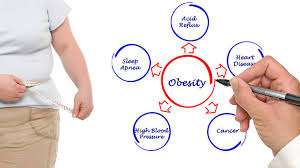
A-3: Obesity increases the likelihood of chronic conditions such as type 2 diabetes, heart disease, stroke, sleep apnea, and joint problems. Adults with obesity often experience reduced energy, mobility challenges, and higher medical expenses.
Q-4: Is childhood obesity rising in Conway?
A-4: Yes, childhood obesity is increasing, with about 45% of children in Conway classified as overweight or obese. This mirrors national trends and highlights the importance of early intervention.
Q-5: Are there weight loss programs in Conway?
A-5: Yes, residents have access to weight management programs through local clinics, gyms, hospitals, and community organizations that focus on balanced nutrition, structured exercise, and sustainable lifestyle changes.
Q-6: How can families eat healthy on a budget in Conway?
A-6: Families can save money and eat healthier by planning meals, buying seasonal produce, comparing prices, and preparing food at home instead of relying on fast food.
Q-7: Does stress contribute to obesity?
A-7: Chronic stress elevates hormones like cortisol, which increase appetite and encourage fat storage. Stress-related eating, especially of comfort foods, is common in adults and teens alike.
Q-8: What role does physical inactivity play?
A-8: Low levels of daily activity reduce calorie expenditure, slow metabolism, and make it easier to gain weight, contributing directly to obesity rates in Conway.
Q-9: Can obesity be reversed?
A-9: With long-term lifestyle changes including healthier eating, regular exercise, and stress management, obesity can be reversed and overall health improved.
Q-10: What community steps can reduce obesity in Conway?
A-10: Health education, better access to nutritious foods, and promoting physical activity through schools, community programs, and family engagement are key strategies to lower obesity rates locally.
Conclusion
Obesity rates in Conway, Faulkner County, Arkansas are shaped by a complex blend of environmental, economic, cultural, and behavioral factors.
From the convenience of fast food and sedentary routines to Southern food traditions and financial stress, the issue extends far beyond individual willpower.
The encouraging news? Change is possible — and it starts with awareness.
By understanding why obesity is prevalent in Conway, residents can take informed steps toward healthier lifestyles.
Small, consistent improvements in nutrition, physical activity, stress management, and preventive care can create ripple effects throughout families and neighborhoods.
When communities work together — through schools, healthcare providers, local leaders, and supportive programs — lasting transformation becomes achievable.
Conway has the resources, resilience, and community spirit needed to turn the tide on obesity and build a healthier future for Faulkner County.
Recommended:
- https://leanandfit.info/why-obesity-rates-are-so-high-in-mcallen-texas-hidalgo-county/
- https://leanandfit.info/why-are-obesity-rates-so-high-in-edinburg-hidalgo-county-texas/
- https://leanandfit.info/why-obesity-rates-are-so-high-in-mission-texas-hidalgo-county/
- https://leanandfit.info/why-obesity-rates-are-so-high-in-little-rock-pulaski-central-arkansas/
- https://leanandfit.info/why-obesity-rates-are-high-in-north-little-rock-pulaski-county-arkansas-key-causes-and-local-health-risks/
- https://datacommons.org/place/geoId/05045
- https://conway.sitefinity.cloud/docs/default-source/crhs/reports/2015implementationstrategy_reduced.pdf?sfvrsn=3876e00_5
- Why trust leanandfit.info?
- For educational purposes only