• Skip to content

LeanAndFit

Product Review Website

  • Obesity Causes: Key Factors Behind Weight Gain
    • Binge Eating Obesity Causes: How Overeating Leads to Weight Gain
    • Chronic Stress Obesity Causes: How Cortisol Drives Weight Gain
    • Cushing’s Syndrome
    • Stress Eating Obesity Causes: How Stress Leads to Weight Gain
    • Environmental Factors Causing Obesity: Risks & Prevention
    • Fast Food Obesity Causes: How Junk Food Leads to Weight Gain
    • Food Insecurity & Obesity Causes: Weight Gain Risks
    • Genetic Predisposition
    • Gut Microbiome Obesity Causes: How Gut Bacteria Affect Weight
    • Hormonal Imbalance and Obesity: Causes, Effects & Solutions
    • Insulin Resistance
    • Medication Side-Effects
    • Metabolic Slowdown
    • Obesogenic Chemicals: Hidden Causes of Obesity & Weight Gain
    • PCOS Symptoms and Obesity Causes and Hormonal Effects
    • Poor Nutrition and Obesity Causes Explained for Better Health
    • Sedentary Lifestyle and Obesity: Causes, Risks & Solutions
    • Sleep Deprivation
    • Social Influences
    • Thyroid Dysfunction
  • Obesity Side Effects: Health Risks, Causes & Prevention Tipss
    • Metabolic Syndrome
    • Osteoarthritis Onset
    • Respiratory Issues
    • Sleep Apnea Obesity Side Effects: Breathing & Health Risks
    • Obesity and Stroke Risk Causes and Cardiovascular Effects
    • Type 2 Diabetes Obesity Side Effects: Risks & Health Impact
    • Anxiety Increase
    • Body Inflammation
    • Cognitive Decline
    • Obesity and Dementia Risk Causes and Cognitive Decline Effects
    • Depression Risk Obesity Side Effects: Mental Health Impact
    • Emotional Eating Obesity Side Effects: Risks & Health Impact
    • Gut Dysbiosis and Obesity Effects on Metabolism and Health
    • Heart Disease Obesity Side Effects: Heart Health Risks
    • High Cholesterol Obesity Side Effects: Risks & Heart Health
    • Hypertension Development Examines How Obesity Contributes
    • Insulin Resistance SE
    • Joint Pain Obesity Side Effects: Knee, Back & Mobility Risks
    • Obesity and Liver Damage Causes and Fatty Liver Disease Risk
    • Mental Disorders Obesity Side Effects: Mental Health Risks
  • Obesity Treatment: Diet, Nutrition & Weight Loss Strategies
    • Metformin Use Obesity Treatment: Weight Loss & Insulin Control
    • Mindful Eating Obesity Treatment: Control Hunger & Lose Weight
    • Pharmacologic Interventions
    • Sleep Management for Obesity: Improve Sleep & Weight Loss
    • Stress Reduction Obesity Treatment: Lower Stress, Lose Weight
    • Surgical Devices Obesity Treatment: Tools for Weight Loss
    • Weight Loss Medications for Obesity Treatment: Benefits & Risks
    • Appetite Suppressants
    • Bariatric Surgery
    • Behavioral Therapy
    • Calorie Restriction
    • Cold Exposure
    • Exercise Regimens
    • Gut Modulation for Obesity Treatment and Metabolic Health
    • Hormonal Therapy Obesity Treatment: Balance Hormones & Lose Weight
    • Intermittent Fasting
    • Lifestyle Changes
    • Low Carb Diets for Obesity Treatment and Weight Loss
    • Meal Planning for Obesity Treatment and Healthy Weight Loss
    • Metabolic Boosters
  • Best Lean & Fit Methods Top Strategies For A Lean Physique,
    • Outdoor Workouts Weight Loss Methods: Burn Fat Naturally
    • Pilates Sculpt for Weight Loss and Lean Body Toning Guide
    • Protein Intake for Weight Loss and Fat Loss Strategies
    • Resistance Workouts
    • Step Tracking Weight Loss Methods: Walk Your Way to Fitness
    • Strength Training
    • Bodyweight Exercises
    • Calorie Deficit for Weight Loss and Fat Loss Strategies
    • Cardio Intervals
    • Consistency Hacks
    • Diet Breaks for Weight Loss Benefits and Fat Loss Strategy
    • Fitness Gamification
    • HIIT Sessions for Weight Loss and Fat Burning Workouts
    • Hydration Focus Weight Loss Methods: Boost Metabolism Naturally
  • Latest Research/News

How Gut Dysbiosis Promotes Chronic Inflammation in Obesity?

Gut Dysbiosis and Obesity Effects on Metabolism and Health, Obesity Side Effects: Health Risks, Causes & Prevention Tipss / December 14, 2024 by Madhukar Yadav

3.2k
SHARES
ShareTweet

Gut dysbiosis, the imbalance in the microbial community of the gastrointestinal tract, has emerged as a critical player in the development and progression of obesity.

Research increasingly links gut dysbiosis to chronic inflammation, a hallmark of obesity that exacerbates metabolic disorders such as insulin resistance and cardiovascular disease.

In this article, LeanAndFit research team will explore the mechanisms by which gut dysbiosis promotes chronic inflammation, its implications for obesity, and real-life examples that illustrate these connections.

Supported by scientific studies, this discussion aims to shed light on a pressing health concern with widespread implications.

In This Article:

  1. Introduction to Gut Dysbiosis and Obesity
  2. Understanding Gut Dysbiosis
    • 2.1. Composition of a Healthy Gut Microbiota
    • 2.2. Disruption of Gut Microbiota in Dysbiosis
  3. Mechanisms Linking Gut Dysbiosis and Chronic Inflammation
    • 3.1. Increased Gut Permeability (“Leaky Gut”)
    • 3.2. Role of Lipopolysaccharides (LPS) in Systemic Inflammation
    • 3.3. Microbial Metabolites and Immune Activation
  4. Real-Life Examples of Gut Dysbiosis in Obesity
    • 4.1. Case Study: High-Fat Diet-Induced Dysbiosis and Weight Gain
    • 4.2. Case Study: Gut Microbiota Changes in Postpartum Obesity
  5. Scientific Studies Supporting the Gut Dysbiosis-Inflammation Link
  6. FAQs on Gut Dysbiosis and Obesity
  7. Conclusion: Gut Dysbiosis as a Driver of Chronic Inflammation in Obesity

Introduction to Gut Dysbiosis and Obesity

Obesity is a multifaceted metabolic disorder that has become a global epidemic.

While excessive calorie intake and sedentary lifestyles are well-established contributors, emerging evidence highlights the role of gut microbiota in driving obesity-related inflammation.

Gut dysbiosis, characterized by a decrease in beneficial microbes and an increase in pathogenic ones, creates an inflammatory environment that accelerates obesity and its complications.

This article explores how gut dysbiosis causes obesity and influences chronic inflammation, focusing on mechanisms like increased gut permeability, endotoxin release, and immune system activation.

We will also examine real-life examples and studies that emphasize the significance of maintaining gut health in managing obesity.
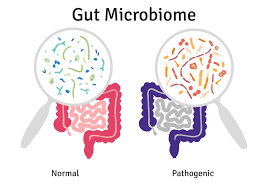
Gut Dysbiosis and Obesity

Understanding Gut Dysbiosis

Here is what gut dysbiosis stands for:

Composition of a Healthy Gut Microbiota:

A healthy gut microbiota is a diverse community of microorganisms, primarily bacteria, that reside in the gastrointestinal tract.

Key bacterial phyla include Firmicutes, Bacteroidetes, and smaller proportions of Actinobacteria and Proteobacteria.

This balance is essential for digestion, immune regulation, and the synthesis of vital compounds like short-chain fatty acids (SCFAs).

Disruption of Gut Microbiota in Dysbiosis:

Gut dysbiosis occurs when this balance is disrupted, often due to factors like a high-fat diet, antibiotics, or stress.

Dysbiosis is typically marked by a reduced ratio of beneficial bacteria (e.g., Bacteroidetes) to pathogenic bacteria (e.g., Proteobacteria).

This imbalance compromises gut integrity and promotes inflammation, creating a cycle of metabolic dysfunction commonly observed in obesity.

Mechanisms Linking Gut Dysbiosis and Chronic Inflammation

Here is what links both these issues:

Increased Gut Permeability (“Leaky Gut”):

A healthy intestinal barrier prevents harmful substances from entering the bloodstream. Dysbiosis weakens this barrier, leading to a condition known as “leaky gut.”

Tight junction proteins in the gut lining become compromised, allowing bacterial endotoxins, such as lipopolysaccharides (LPS), to enter systemic circulation.

A study published in Gut (Cani et al., 2007) found that increased gut permeability due to dysbiosis was strongly associated with elevated LPS levels in obese individuals.

These endotoxins trigger an immune response, leading to chronic low-grade inflammation, which is a major driver of obesity-related complications.

Role of Lipopolysaccharides (LPS) in Systemic Inflammation:

LPS, components of the outer membrane of gram-negative bacteria, are potent activators of the immune system.

When LPS enters the bloodstream through a leaky gut, it binds to toll-like receptor 4 (TLR4) on immune cells, initiating the release of pro-inflammatory cytokines such as tumor necrosis factor-alpha (TNF-α) and interleukin-6 (IL-6).

These cytokines disrupt metabolic processes, contributing to insulin resistance and adipose tissue inflammation.

A study in Nature Medicine (Hotamisligil, 2006) emphasized the role of LPS-induced inflammation in exacerbating obesity and related metabolic disorders.

Microbial Metabolites and Immune Activation:

Gut microbes produce metabolites like SCFAs and bile acids that regulate inflammation.

Dysbiosis alters the production of these compounds, reducing beneficial anti-inflammatory SCFAs like butyrate and increasing pro-inflammatory metabolites.

This shift exacerbates immune activation and chronic inflammation, further promoting fat accumulation.

Real-Life Examples of Gut Dysbiosis in Obesity

Here are two examples, LeanAndFit research staff would like to share with you:

High-Fat Diet-Induced Dysbiosis and Weight Gain:

Mike, a 45-year-old professional, struggled with weight gain despite consuming a seemingly balanced diet.

After switching to a high-fat diet for convenience, he noticed rapid weight gain and persistent fatigue.

Tests revealed an imbalance in his gut microbiota, characterized by an overgrowth of Proteobacteria and a decrease in Bacteroidetes.

This dysbiosis compromised his gut barrier, leading to systemic inflammation and insulin resistance.

Mike’s case demonstrates how dietary choices can disrupt gut health, initiating a cascade of metabolic dysfunctions that promote obesity.

Gut Microbiota Changes in Postpartum Obesity:

Anna, a 32-year-old new mother, experienced significant postpartum weight gain despite regular exercise.

Her doctor identified changes in her gut microbiota, likely influenced by hormonal fluctuations during pregnancy.

She had reduced levels of anti-inflammatory bacteria like Lactobacillus and increased pathogenic bacteria.

These changes were linked to increased gut permeability and chronic inflammation, driving her difficulty in losing weight.

Through dietary interventions that included probiotics and prebiotic-rich foods, Anna was able to restore her gut microbiota balance, reducing inflammation and promoting weight loss.

Scientific Studies Supporting the Gut Dysbiosis-Inflammation Link

Here are some of the most important scientific evidences that back this claim:

Cani et al., 2007 (Gut):

This groundbreaking study explored the link between gut permeability and chronic inflammation in obesity.

The researchers demonstrated how gut dysbiosis leads to increased intestinal permeability, often referred to as “leaky gut.”

This condition allows lipopolysaccharides (LPS) from gram-negative bacteria to enter the bloodstream, triggering systemic inflammation.

Elevated LPS levels were shown to activate immune responses, leading to metabolic dysfunction, including insulin resistance, a hallmark of obesity.

Turnbaugh et al., 2006 (Nature):

Turnbaugh and colleagues conducted a comparative analysis of gut microbiota in lean and obese individuals, revealing distinct microbial compositions.

The study highlighted an overrepresentation of Firmicutes and a reduction in Bacteroidetes in obese individuals.

This imbalance contributes to increased energy harvest from food and fat storage, illustrating how dysbiosis promotes weight gain and exacerbates obesity.

Hotamisligil, 2006 (Nature Medicine):

This study delved into the inflammatory pathways activated by gut dysbiosis, focusing on cytokine production.

It demonstrated how elevated pro-inflammatory cytokines, such as TNF-α and IL-6, driven by LPS and immune activation, interfere with insulin signaling pathways, compounding metabolic dysfunction and promoting obesity-related complications.

Qin et al., 2012 (Nature):

A comprehensive metagenomic analysis provided insights into the altered microbial diversity in obese individuals.

Reduced microbial richness was identified as a critical factor contributing to obesity.

The study emphasized the role of a diverse gut microbiota in regulating metabolic processes and preventing chronic inflammation, underscoring the potential of targeting microbial diversity for therapeutic interventions.

FAQs on Gut Dysbiosis and Obesity:
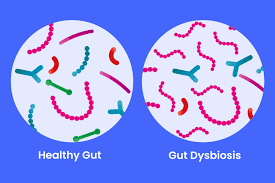
Q-1: How does gut dysbiosis cause chronic inflammation in obesity?

A-1: Gut dysbiosis refers to an imbalance in the gut microbiota, where harmful bacteria outnumber beneficial ones.

This imbalance disrupts metabolic and immune functions, leading to chronic low-grade inflammation.

In obesity, dysbiosis increases intestinal permeability, allowing bacterial toxins to enter the bloodstream and trigger immune responses.

In the U.S., over 42% of adults are obese, and a significant portion exhibit inflammation linked to gut imbalance.

This persistent inflammation contributes to metabolic diseases and worsens overall health outcomes.

Q-2: What is the link between gut microbiome imbalance and obesity-related inflammation?

A-2: The gut microbiome regulates immune activity and energy metabolism.

When disrupted, it promotes fat storage and inflammatory signaling.

Harmful bacteria release pro-inflammatory compounds that activate the immune system, leading to chronic inflammation.

This explains why obesity is now considered an inflammatory condition rather than just excess weight.

Q-3: How does a “leaky gut” contribute to systemic inflammation in obese individuals?

A-3: A “leaky gut,” or increased intestinal permeability, allows toxins like lipopolysaccharides (LPS) to pass into the bloodstream.

This condition is closely tied to the Metabolic Endotoxemia phenomenon, where circulating toxins trigger widespread inflammation.

Studies show that individuals with obesity often have higher LPS levels, which contribute to insulin resistance and metabolic dysfunction.

Q-4: What role do gut bacteria play in triggering low-grade inflammation in obesity?

A-4: Gut bacteria influence the production of inflammatory molecules such as cytokines.

In dysbiosis, harmful microbes stimulate immune cells to release pro-inflammatory cytokines, creating a constant state of low-grade inflammation.

This ongoing immune activation damages tissues and interferes with metabolic processes.

Q-5: How do lipopolysaccharides (LPS) from gut bacteria cause metabolic inflammation?

A-5: LPS are toxins found in the outer membrane of certain bacteria.

When they enter the bloodstream due to gut permeability, they activate immune pathways, leading to inflammation.

Elevated LPS levels are associated with insulin resistance and obesity-related complications, making them a key driver of metabolic inflammation.

Q-6: What changes occur in gut microbiota during obesity?

A-6: Obesity is associated with reduced microbial diversity and an imbalance between beneficial and harmful bacteria.

This shift affects nutrient absorption, increases energy extraction from food, and promotes fat storage.

Reduced diversity also weakens the gut’s ability to regulate inflammation effectively.

Q-7: How does gut dysbiosis affect insulin resistance and chronic inflammation?

A-7: Dysbiosis disrupts signaling pathways involved in glucose metabolism, leading to insulin resistance.

Chronic inflammation further impairs insulin function, creating a vicious cycle.

In the U.S., about 1 in 3 adults has insulin resistance, often linked to obesity and gut health issues.

Q-8: What is the role of short-chain fatty acids (SCFAs) in gut health and inflammation?

A-8: SCFAs, produced by beneficial gut bacteria, help reduce inflammation and maintain gut barrier integrity.

In dysbiosis, SCFA production decreases, weakening the gut lining and increasing inflammation.

Boosting SCFA levels through diet can improve metabolic health.

Q-9: How does a Western diet cause gut dysbiosis and inflammation?

A-9: A Western diet high in processed foods, sugar, and unhealthy fats disrupts the balance of gut bacteria.

This diet promotes harmful microbes and reduces beneficial ones, leading to inflammation.

In the U.S., such dietary patterns are a major contributor to obesity and related health issues.

Q-10: What mechanisms link gut permeability to obesity-related inflammation?

A-10: Increased gut permeability allows toxins to enter circulation, activating immune responses.

This leads to systemic inflammation, which contributes to insulin resistance and fat accumulation.

Maintaining gut barrier integrity is essential for preventing these effects.

Q-11: How do gut bacteria influence the immune system in obesity?

A-11: Gut bacteria interact with immune cells, regulating inflammatory responses.

Dysbiosis disrupts this interaction, causing overactivation of the immune system.

This results in chronic inflammation, a key feature of obesity.

Q-12: What is the relationship between gut microbiome diversity and obesity risk?

A-12: Higher microbial diversity is associated with better metabolic health and lower obesity risk.

Reduced diversity, common in obese individuals, leads to impaired metabolism and increased inflammation.

Improving diversity can help reduce these risks.

Q-13: How does endotoxemia from gut bacteria promote chronic inflammation?

A-13: Endotoxemia occurs when bacterial toxins enter the bloodstream, triggering immune responses.

This condition leads to persistent inflammation, which contributes to metabolic disorders.

It is a key link between gut health and obesity.

Q-14: How does gut dysbiosis affect cytokine production in obesity?

A-14: Dysbiosis increases the production of pro-inflammatory cytokines while reducing anti-inflammatory signals.

This imbalance drives chronic inflammation, worsening obesity-related complications.

Q-15: Can restoring gut microbiota reduce inflammation in obesity?

A-15: Yes, restoring gut balance through diet, probiotics, and lifestyle changes can significantly reduce inflammation.

Studies show that improving gut health can enhance insulin sensitivity and support weight management.

U.S. Statistics You Should Know:

  • Over 42% of U.S. adults are obese
  • Nearly 37 million Americans have diabetes
  • Chronic inflammation is a key driver of metabolic diseases
  • Diet and lifestyle are major contributors to gut dysbiosis

(Source: Centers for Disease Control and Prevention)

Actionable Clinical Insights

  • Increase fiber intake to support beneficial gut bacteria
  • Incorporate probiotics and fermented foods
  • Reduce processed and high-sugar foods
  • Exercise regularly to improve gut diversity
  • Manage stress, as it impacts gut health

Why Gut Health Matters?

Ignoring gut health can lead to persistent inflammation, increasing the risk of obesity, diabetes, and cardiovascular disease. Addressing dysbiosis is a key step toward improving overall metabolic health.

Free Tip of the Day:

Gut dysbiosis plays a central role in promoting chronic inflammation in obesity, acting as a hidden driver of metabolic dysfunction.

By disrupting the balance of gut bacteria, increasing intestinal permeability, and triggering immune responses, dysbiosis creates a cycle that perpetuates weight gain and disease progression.

In the U.S., where obesity rates are at record highs, understanding this connection is more important than ever. The encouraging news is that gut health is highly modifiable.

Through dietary changes, increased physical activity, and targeted interventions like probiotics, individuals can restore microbial balance and reduce inflammation.

Ultimately, improving gut health is not just about digestion—it is a powerful strategy for preventing and managing obesity and its associated complications.

Gut Dysbiosis as a Driver of Chronic Inflammation in Obesity

Gut Dysbiosis as a Driver of Chronic Inflammation in Obesity

The link between gut dysbiosis and chronic inflammation in obesity underscores the critical role of the gut microbiota in metabolic health.

Dysbiosis promotes gut permeability, endotoxin release, and immune activation, creating a feedback loop that exacerbates obesity and its complications.

Real-life cases and scientific studies emphasize the importance of maintaining a balanced gut microbiota to reduce inflammation and support metabolic function.

Addressing gut dysbiosis through targeted interventions such as probiotics, prebiotics, and dietary changes offers a promising avenue for managing obesity and reducing chronic inflammation.

Continued research into the gut microbiota’s role in obesity will undoubtedly pave the way for innovative therapies that improve health outcomes.

References:

  • https://pmc.ncbi.nlm.nih.gov/articles/PMC8877435/
  • For educational purposes only
  • Why Trust LeanAndFit.info?
madhukar yadav Author Profile
Madhukar Yadav

Madhukar Yadav is a published author of 11 books including the “Natural Cures” health series, available on Amazon and Goodreads. He is a health & wellness researcher writing evidence-based articles on weight loss and nutrition at LeanandFit.info.

📚 Goodreads | Amazon

  • Home
  • About Us
  • Contact Us
  • Privacy Policy
  • Affiliate Disclosure

Copyright © 2026 Leanandfit.info, ALL RIGHTS RESERVED.