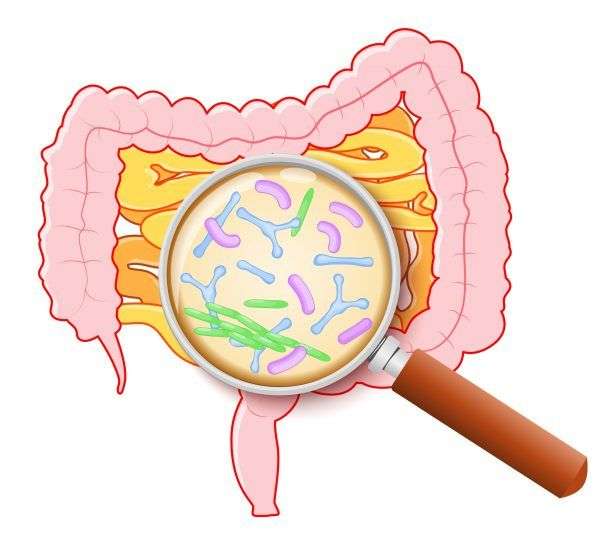
We often hear about how diet and exercise are vital in managing body weight, but one aspect that is less discussed and equally crucial is the state of our gut.
Yes, your gut – the trillions of tiny bacteria and other microorganisms that live in your digestive tract.
As per leanandfit.info, “These microbes are collectively known as the gut microbiome, and their role goes far beyond breaking down food.
They have a direct influence on your weight, and when you’re dealing with obesity, the balance of your gut microbial diversity gets thrown off”.
So, how does this happen, and what can be done about it?
Points Covered in this Article:
- Introduction to the Gut Microbiome: A Miniature World Inside You
- Obesity and Gut Microbial Diversity: What Changes Happen?
- Daily Lifestyle Examples: How Everyday Habits Affect Your Gut
- The Role of Gut Bacteria in Weight Gain
- Scientific Evidence: The Gut-Obesity Link
- FAQs
- Conclusion: Restoring Gut Health for Better Weight Management
Introduction to the Gut Microbiome: A Miniature World Inside You
So, what exactly happens to your gut when you’re obese?
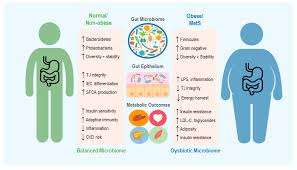
One of the key shifts is a reduction in microbial diversity.
This means that the range of beneficial bacteria that thrive in your gut shrinks, while certain harmful bacteria start to dominate.
For example, the types of bacteria that thrive on fiber, such as those from the Bacteroidetes family, decrease in people with obesity.
At the same time, bacteria that thrive on fat and sugar, such as those from the Firmicutes family, become more prevalent.
Studies have shown that individuals with obesity have a higher ratio of Firmicutes to Bacteroidetes than lean individuals.
This shift does not just affect digestion; it also influences how your body processes and stores energy, leading to more fat accumulation.
Imagine a garden overrun with weeds. When diversity is lost, the “weeds” – in this case, harmful bacteria – take over, and the beneficial plants – the good bacteria – struggle to survive.
The same is true in your gut. A diet heavy in processed foods and low in fiber creates the perfect environment for these harmful bacteria to flourish, tipping the scales toward weight gain.
Daily Lifestyle Examples: How Everyday Habits Affect Your Gut?
Our daily habits play a huge role in shaping our gut microbiome. Let’s break down a typical day for many people.
A Typical Breakfast Example:
You might grab a muffin and a coffee loaded with sugar and cream.
While this may seem like a convenient option, it is setting your gut up for failure. This is a classic example of poor nutrition.
The sugars in that muffin fuel harmful bacteria, like Firmicutes, that thrive on processed sugars and fats.
These bacteria not only multiply but also extract more calories from your food, leading to weight gain.
A Typical Lunch Example:
Fast food like burgers and fries are not just calorie bombs; they are microbiome disruptors.
A low-fiber, high-fat diet has been shown to significantly reduce gut microbial diversity, further feeding the bacteria that contribute to fat storage and inflammation.
A Typical Dinner Example:
Let us say you end your day with a pre-made microwave meal.
These highly processed foods lack the necessary nutrients to support a diverse microbiome.
Over time, diets rich in processed foods and low in natural, fiber-rich options (think vegetables, fruits, and whole grains) lead to a decrease in beneficial bacteria.
By contrast, a diet rich in diverse, plant-based foods promotes the growth of beneficial bacteria that thrive on fiber.
For instance, starting your day with oatmeal and berries, having a hearty salad with beans for lunch, and a stir-fry packed with vegetables for dinner will fuel the “good” bacteria, allowing them to flourish.
This kind of diverse diet can help prevent the imbalance that contributes to gut bacteria causing weight gain.
The Role of Gut Bacteria in Weight Gain
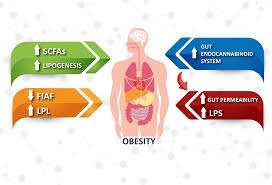
Here’s where it gets even more interesting: certain gut bacteria are more efficient at extracting calories from food and storing them as fat.
Studies show that people with obesity have a different gut microbial makeup than those of normal weight, with bacteria that are better at extracting calories from food. In other words, even if two people eat the same diet, the one with an imbalanced microbiome (common in those with obesity) may store more fat from the same amount of food.
In one fascinating study, researchers transferred the gut bacteria from obese humans into germ-free mice.
Despite eating the same diet, the mice with the “obese” gut bacteria gained significantly more weight than those with a healthy, diverse microbiome. This experiment shows just how powerful the gut microbiome obesity connection can be.
Essentially, certain strains of gut bacteria may be influencing your body to store more fat, making it harder to lose weight.
Moreover, gut bacteria can affect your hormones, particularly those involved in hunger and satiety.
Harmful gut microbes can produce chemicals that influence your brain to crave unhealthy foods, contributing to overeating and making it more difficult to control your weight. This also increases stroke risk.
In this way, your gut bacteria can literally drive you to consume more of the foods that feed them, creating a vicious cycle of weight gain and microbial imbalance.
Scientific Evidence: The Gut-Obesity Link
Scientific research strongly supports the connection between gut microbes and obesity.
>>> For instance, a landmark study published in Nature found that obese individuals tend to have less diverse gut bacteria compared to lean individuals.
>>> Another study in Cell demonstrated that microbial diversity is directly linked to metabolic health, with those having a lower diversity of gut microbes experiencing higher levels of obesity, insulin resistance, and chronic inflammation.
One of the most striking pieces of evidence comes from studies on the gut microbiome and weight gain in animal models.
>>> In a study published in The Journal of Clinical Investigation, researchers showed that gut bacteria from obese individuals increased fat storage in animals, even when the animals were fed the same diet as their lean counterparts.
This suggests that altering the gut microbiome could potentially be an avenue for microbiome obesity treatment in humans as well.
>>> Further research published in Nature Reviews Microbiology has pointed to specific strains of gut bacteria, such as Akkermansia muciniphila, which are associated with lean body types.
This beneficial bacterium helps to maintain the gut lining, reduce inflammation, and promote fat metabolism.
In contrast, the depletion of these helpful bacteria in obesity worsens the problem, promoting fat accumulation and inflammation.
FAQs on Gut Microbial Diversity and Obesity:
Q-1. How does obesity change gut microbiome diversity in adults?
A-1. Obesity can significantly alter the diversity of the gut microbiome—the trillions of bacteria living in your digestive system.
In the United States, where over 42% of adults are affected by obesity, researchers have observed noticeable differences in gut bacteria between lean and obese individuals.
Typically, obesity is associated with reduced microbial diversity, meaning fewer types of beneficial bacteria.
This imbalance can affect digestion, nutrient absorption, and metabolism.
A less diverse microbiome is also less resilient, making it harder for the body to respond to dietary changes or stress.
Think of your gut like an ecosystem—the more diverse it is, the healthier it tends to be.
When obesity disrupts this balance, it can contribute to further metabolic issues, creating a cycle that becomes harder to break over time.
Q-2. What is the impact of obesity on gut bacteria composition and diversity?
A-2. Obesity doesn’t just reduce diversity—it also changes the composition of gut bacteria.
Certain types of bacteria that extract more energy from food may become more dominant, while beneficial species decline.
In the U.S., dietary patterns high in processed foods and low in fiber play a major role in shaping this imbalance.
This shift in bacterial composition can lead to increased calorie absorption, promoting further weight gain.
Additionally, harmful bacteria may produce compounds that trigger inflammation, which is closely linked to obesity and metabolic diseases.
Over time, this altered composition can negatively affect overall health, not just digestion.
Q-3. Does obesity reduce gut microbiome diversity and function?
A-3. Yes, obesity often reduces both the diversity and functionality of the gut microbiome.
A less diverse microbiome means fewer beneficial bacteria performing essential tasks like breaking down fiber, producing vitamins, and supporting immune health.
In the U.S., where fiber intake is often below recommended levels, this problem is even more pronounced.
Reduced microbial function can lead to poor digestion, lower nutrient absorption, and weakened immune responses.
This decline in function also affects metabolic processes, making it harder for the body to regulate weight and energy balance effectively.
Q-4. What is the link between obesity and gut microbiota imbalance symptoms?
A-4. Gut microbiota imbalance, also known as dysbiosis, is commonly linked with obesity.
Symptoms can include:
- Bloating and digestive discomfort
- Irregular bowel movements
- Fatigue
- Increased cravings for sugar and processed foods
In the U.S., many individuals experience these symptoms without realizing they may be connected to gut health.
Dysbiosis can also contribute to inflammation and metabolic dysfunction, both of which are common in obesity.
Recognizing these symptoms early can help individuals take steps to restore balance and improve overall health.
Q-5. How does weight gain affect gut microbiome diversity and metabolism?
A-5. As body weight increases, changes in diet and metabolism can negatively impact gut microbiome diversity.
Diets high in fat and sugar—common in the U.S.—can reduce beneficial bacteria and promote the growth of less desirable strains.
This shift affects how the body processes nutrients and stores fat. Some bacteria become more efficient at extracting calories from food, which can contribute to further weight gain.
At the same time, reduced diversity limits the microbiome’s ability to regulate metabolism, creating a feedback loop that supports obesity.
Q-6. What role does gut microbiome diversity play in obesity and metabolic disorders?
A-6. Gut microbiome diversity plays a critical role in maintaining metabolic health. A diverse microbiome supports efficient digestion, balanced energy use, and proper immune function.
In the U.S., metabolic disorders such as type 2 diabetes and metabolic syndrome are increasingly common, and gut health is now recognized as a contributing factor.
Reduced diversity is linked to increased inflammation and impaired metabolic regulation.
By maintaining a healthy and diverse microbiome, individuals can support better metabolic outcomes and reduce the risk of obesity-related conditions.
Q-7. Can obesity cause gut dysbiosis and reduced microbial diversity?
A-7. Yes, obesity can directly contribute to gut dysbiosis and reduced microbial diversity.
Excess body fat, especially visceral fat, releases inflammatory compounds that affect the gut environment.
In the U.S., where sedentary lifestyles and poor dietary habits are common, this effect is amplified.
Dysbiosis can disrupt digestion, increase inflammation, and worsen metabolic health.
This creates a cycle where obesity leads to gut imbalance, and gut imbalance further promotes weight gain and metabolic issues.
Q-8. How does a high-fat diet in obesity alter gut microbiota diversity?
A-8. High-fat diets, particularly those rich in saturated fats, can significantly alter gut microbiota diversity. In the U.S., such diets are common and contribute to both obesity and gut imbalance.
These diets tend to reduce beneficial bacteria while promoting strains associated with inflammation and metabolic dysfunction. Over time, this leads to decreased diversity and impaired gut function.
In contrast, diets rich in fiber and plant-based foods support a more diverse and healthy microbiome, highlighting the importance of dietary choices.
Q-9. What do studies in humans show about obesity and gut microbiome diversity changes?
A-9. Human studies have consistently shown that individuals with obesity often have less diverse gut microbiomes compared to those with healthy body weight.
In the U.S., ongoing research continues to explore how these changes influence metabolism and disease risk.
While results can vary, the general trend points toward a connection between reduced diversity and poorer metabolic health.
These findings have led to increased interest in gut-focused interventions for obesity treatment.
Understanding these changes helps guide more effective strategies for improving both gut health and weight management.
Q-10. How can obesity-related disruption of gut bacteria diversity be improved?
A-10. Improving gut microbiome diversity involves making consistent lifestyle and dietary changes. Key strategies include:
- Eating more fiber-rich foods like fruits, vegetables, and whole grains
- Including fermented foods such as yogurt and kefir
- Reducing intake of processed and high-fat foods
- Staying physically active
- Managing stress and getting adequate sleep
In the U.S., where dietary habits often lack variety, increasing plant-based food intake can make a significant difference. Over time, these changes can restore microbial balance, improve metabolism, and support weight management.
Final Takeaway:
Obesity has a profound impact on gut microbial diversity, influencing everything from digestion to metabolism and immune function.
In the United States, where obesity rates remain high, understanding this connection is essential.
By focusing on diet, lifestyle, and gut health, individuals can improve microbial diversity and break the cycle linking obesity to metabolic dysfunction.
Restoring Gut Health for Better Weight Management
So, to answer the question: how does obesity alter gut microbial diversity?
The changes are dramatic and detrimental.
Obesity reduces the diversity of your gut bacteria, tilting the balance in favor of harmful microbes that extract more calories from food and promote fat storage.
This disruption to your gut’s ecosystem does not just make weight loss harder, it also contributes to inflammation, insulin resistance, and metabolic dysfunction.

The solution lies in restoring the balance.
Fortunately, it is possible to support a healthier gut microbiome through diet and lifestyle changes.
A diet rich in fiber from whole foods like vegetables, fruits, legumes, and whole grains promotes a diverse microbiome and supports the growth of beneficial bacteria.
Fermented foods like yogurt, kefir, and kimchi are also excellent for increasing your gut’s microbial diversity.
Additionally, reducing your intake of processed foods, sugars, and unhealthy fats can starve the harmful bacteria that thrive on these foods.
By making these changes, you can begin to shift the balance back toward a healthier gut, making weight management easier and supporting overall health.
In short, while gut bacteria fat gain might be working against you, you can turn the tide by feeding your body and your microbiome the nutrients they need to thrive. For example, I always consume healthy smoothie recipes for weight loss to keep my weight in check.
The connection between the gut microbiome and obesity is complex but not irreversible.
Taking steps to improve your gut health will not only aid in weight loss but also help prevent the chronic diseases linked to obesity.
References: