McAllen, Texas is a city full of culture, good food, and friendly communities, but it can also be home to one of the country’s highest obesity rates.
In Mcallen, more than 45% of adults are obese, and almost 30% of children are overweight or obese, which makes it one of the most obese cities in the United States.
Sedentary lifestyles, extreme diets, the lack of recreational places, and barriers to health care and healthy eating are some factors that contribute to obesity in McAllen, Texas.
However, there are ways to control and manage obesity. By the end of this article, you would learn how to manage and control obesity in McAllen Texas.
Making some lifestyle changes and adjustments to your daily routine can help.
This article by leanandfit.info will give you some tips on how to control weight in McAllen Texas, as well as help you understand how to manage and control obesity in McAllen Texas.
Points covered in this Article
- Assessing Your Weight and Health Risk
- Adopting a Balanced Diet for Sustainable Weight Loss
- Incorporating Physical Activity into Daily Life
- Addressing Lifestyle and Behavioral Factors
- Leveraging Healthcare and Preventive Services
- Community and Support Systems
- Special Considerations for Children and Adolescents
- Tracking Progress and Setting Realistic Goals
- FAQ: Top 10 Questions About Obesity in McAllen
- Conclusion: Creating a Sustainable Obesity Management Plan in McAllen
Assessing Your Weight and Health Risk
efore you can make any changes to your diet or exercise, it is crucial to get an assessment of your current weight and health situation.
This will be your baseline.
A good place to start is getting your BMI (body mass index) and waist to hip ratio. BMI over 30 is obese, 25-29.9 is overweight.
So roughly 76% of McAllen residents are overweight or obese.
Waist to hip ratio is also important, as well as body fat percentages. Two people can have the same BMI but have very different body types.
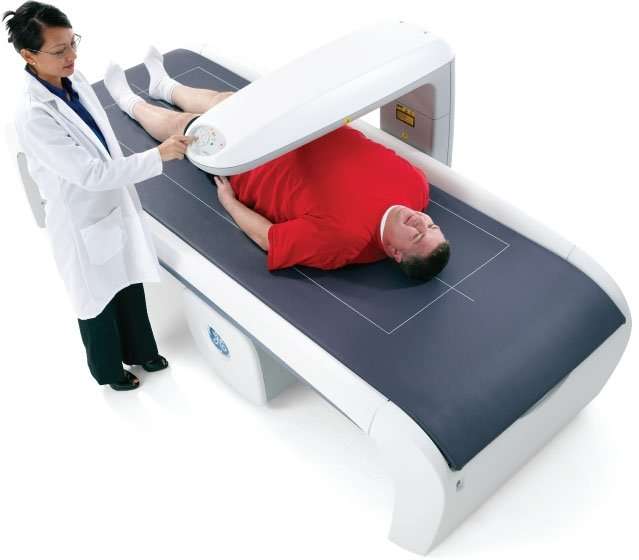
Now, this is all well and good, but you must also check your other health indicators such as blood pressure and cholesterol, because being overweight or obese can lead to many health problems.
As such, it is crucial that you get your weight and other factors checked on a regular basis, whether it is through a health screening tool for obesity and heart risk McAllen Texas or through local community events.
The more you know about your health, the better your chances are of managing it.
It is also important to set weight management goals according to your personal situation.
These goals should help you get your weight within the healthy range so that you know when you have achieved your goal
These could also be things like eating healthier and exercise more often. Some people need to talk to their doctors about different medications or even making a referral for a specialist, if a heart attack or stroke is likely.
Regular checkups can make your weight management journey more personalized and efficient, and can tell you roughly where to aim and how to get there.
Adopting a Balanced Diet for Sustainable Weight Loss
Diet is a very important component in managing obesity, and it is particularly relevant in our community, where food plays a huge role in both culture and daily life.
McAllen residents tend to eat a lot of calorie-dense foods, including highly processed meals, desserts, and restaurant-sized portions, which makes it really hard to both lose and maintain weight.
For example, sodas and sweetened beverages alone account for 200-400 empty calories per day, so a single can of soda leads to several pounds of overweight.
The following are some helpful guidelines for healthier eating:
- eat more fruit and vegetables,
- include lean proteins in your diet,
- choose whole grains,
- limit sugar-sweetened beverages and snacks.
Fruit and vegetable consumption in our community is significantly below the recommended number of 5-7 servings per day, with about only 35% of the adult population meeting nutritional needs and having a balanced diet.
Proteins are essential for building and maintaining muscle tissue, and they also help you feel fuller for a longer time, so that you can’t feel hungry even after a few hours since your last meal.
Lean proteins include chicken breast, fish, beans, and low-fat dairy products.
Whole grains should also be a part of your everyday diet.
They are full of fiber, which means that they help you stay full for a long time and keep your blood sugar levels stable throughout the day.
Finally, sugar-sweetened beverages and snacks should be significantly limited.
They are empty calories, meaning that they have almost no nutritional value while increasing your calorie intake.
Local farmers’ markets, grocery stores, and other local resources are excellent places to find healthy foods at great prices. There are also several subsidized programs that offer fresh produce at low prices.
A really helpful tip that many people in our community use and benefit from is meal-prepping 3-4 times a week.
It will not only save you time but also help you keep track of calorie intake and diet within healthy numbers.
If you are looking for ways to plan your diet in a healthy yet delicious way, you may want to try healthy meal planning McAllen Texas diet strategies, which offer various meal plans that you are sure to love.
With these simple dietary adjustments, you will soon notice a difference in your overall health and weight.
Incorporating Physical Activity into Daily Life
Exercise is one of the key methods for burning calories, increasing metabolism, and reducing obesity rates.
In McAllen Texas, there is said to be a shocking number of residents leading a sedentary lifestyle with 32-35% of Texan adults being inactive as opposed to the national average of 23%.
It can be hard to get in enough daily movement with a sedentary job, long commute, and other factors which is why it is so important to look into how to be more active in McAllen Texas.
Below are some examples of such activities:
>>> One great way to get active is to use McAllen’s many parks and recreation centers, such as the McAllen Nature Center or Bentsen-Rio Grande Valley State Park.
Not only are these outdoor activities a great way to get some exercise and burn calories, they also relieve stress, which is a major cause of obesity.
>>> Another excellent way to get more exercise is to build activity into your everyday life.
This may include taking the stairs instead of the elevator, or walking or biking to stores instead of driving.
The goal should be to include at least 5-10 minutes of exercise every hour, which can greatly boost your metabolism and calorie consumption for the day.
>>> At home exercises are another great way to get active, especially if you have a busy schedule or cannot afford a gym membership.
There are many free bodyweight exercises that can be done at home, as well as resistance band exercises and online fitness classes.
The recommended minimum for adult exercise is 150 minutes of moderate exercise or 75 minutes of intense exercise per week.
Those looking for more specific diet and exercise plans can research obesity exercise programs McAllen Texas and find a program that suits their specific needs, wants, and requirements.
In conclusion, exercise is essential for any obesity management plan due to its many health benefits and calorie burning potential.
Addressing Lifestyle and Behavioral Factors
Obesity is caused not only by a person’s diet and level of physical activity but also by their stress, sleep schedule, work schedule, and other factors.
In the McAllen community, about 35-40% of adults experience continuous stress due to their work and financial issues.
This factor, among others, negatively affects their health and increases their chances of developing obesity since stress increases cortisol levels in the human body, which leads to weight gain.
Below are some of the methods that have proven to be effective in reducing obesity rates and improving general health in the community.
>>> They involve making small changes in people’s lifestyles and breaking existing harmful habits.
>>> To minimize the negative health effects of stress, people should try to engage in various stress-management activities, such as yoga, sports, meditation, or even talking with a friend or a family member.
>>> There are many stress relief classes that one can attend in the community.
>>> Furthermore, getting enough rest is critical for a healthy lifestyle as it reduces obesity rates by almost 55%.
However, about 35% of adults in McAllen only sleep 5 hours a day, which is below the recommended number of 7 hours. Thus, it is crucial to ensure sufficient sleep not to disturb the circadian rhythm.
Moreover, people should not use their screens after they go to bed as blue light exposure disrupts the circadian rhythm and negatively affects the quality of sleep.
Finally, to get proper nutrition and reduce obesity rates, adults should consider eating slower and taking smaller portions.
Even though McAllen residents have a wide variety of healthy foods, they tend to overeat because of their unbalanced and rapid eating.
This habit can be easily removed since it only requires a higher level of attentiveness during meals. This minor change in eating patterns will allow the McAllen community to decrease their obesity rates by hundreds of calories per week.
Adults with sedentary jobs should try to stand or move at least a couple of times an hour to reduce prolonged sitting time. Such activities help to avoid weight gain and maintain a healthy weight.
Those who want to find out more about various effective ways of reducing obesity rates and improving general health conditions should look into stress related obesity causes Hidalgo County Texas adults.
The information mentioned above provides a useful insight into this issue and helps understand the importance of addressing not only the consequences of poor health but also the underlying causes.
Leveraging Healthcare and Preventive Services
Accessibility to healthcare is one of the most critical issues of preventing and controlling obesity.
In McAllen, there are only 54 primary care providers per 100,000 people compared to the national average of 110 per 100,000 people.
The lack of sufficient treatment facilities makes it difficult for many to receive obesity screening tests, nutrition counseling to manage their weight, or control diabetes or hypertension.
It is essential to make an appointment at an earlier stage since the diseases’ consequences are lifelong and affect the body weight.
McAllen residents can solve this issue by using a wide range of available resources.
For example, doctors’ offices provide an opportunity to observe BMI trends, screens of high cholesterol or blood pressure, and other weight-related problems.
Health care professionals can suggest diet programs that help decrease calorie intake, recommend healthy eating habits, and pay attention to peculiarities of Mexican cuisine, which is traditional for the county.
Many organizations conduct campaigns that draw citizens’ attention to wellness issues and provide group programs for those who want to lose weight.
With 27-30 percent of adults in McAllen already suffering from obesity-related diseases, it is vital to monitor the numbers and control weight since it is a crucial element of healthy living.
The tools necessary for maintaining normal body weight are available to McAllen residents since many local organizations offer healthcare access obesity prevention Hidalgo County Texas.
Community and Support Systems
Managing obesity is a challenging endeavor, but one that can be made exponentially easier with a comprehensive support network.
In McAllen, family, friends, and community members all play a role in encouraging healthy habits.
Research has shown that those with a support system are 30-50% more likely to achieve long term successful weight loss
Below are some ways that McAllen residents can utilize their support systems, as well as programs and services that can help facilitate continued healthy living:
Support from family members could include things such as preparing healthy meals together or taking evening walks as a family.
Community members can get involved with local fitness centers and programs in McAllen, including the McAllen YMCA and other community based initiatives
Online and neighborhood support groups can also help encourage accountability and motivation in one’s weight loss journey.
For those looking for more comprehensive programming, community based obesity support McAllen Texas programs can help connect families and individuals to local resources, including fitness classes and nutritional counseling.
Special Considerations for Children and Adolescents
Childhood obesity has become a significant social issue in the city of McAllen, Texas, which makes it a primary concern for many local parents and authorities.
The major characteristic of the childhood obesity epidemic in McAllen is that it appears to be increasing at an alarming rate, compared to the national average of 19%.
Approximately 28-30% of Texas schoolchildren are currently obese or overweight.
Studies show that there is a 70-80% chance for an obese child to become an obese adult.
Therefore, it is pivotal to reverse this situation and address this issue before the affected children grow up.
In addition to a number of other underlying complex factors, parents, children themselves, and the local community could and should take part in reducing childhood obesity in several ways.
>>> Firstly, it is necessary to encourage children to lead a healthier lifestyle through more intense sports activities and outdoor play.
>>> Parks, school sports sections, and other community events could become popular places for both kids and adults to play sports, which would increase their levels of physical activity. Moreover, it is vital to promote a healthier diet rich in fruits, vegetables, low-fat dairy products, and meat, and limit the consumption of caloric foods and drinks.
>>> Another crucial step is to limit screen time, including TV, computers, and cellphones, to ensure that children remain physically active instead of sitting and watching screens for more than 2 hours a day.
Childhood obesity statistics McAllen Texas schools could also help analyze the situation and work with parents and care providers to find the most successful ways of childhood obesity prevention in the community.
Tracking Progress and Setting Realistic Goals
Tracking your progress is one of the most critical steps in becoming motivated to maintain a healthy weight.
For instance, in Mcallen, where more than forty-five percent of Americans are obese, it is essential to measure body weight, waistline, blood pressure, cholesterol, and blood sugar levels.
These indicators will show how your lifestyle improvements have been affecting your body.
Some useful ways of doing that include using a fitness tracker or mobile phone applications such as MyFitnessPal or Fitbit.
Keeping a food journal is also an effective tool for monitoring diet since it helps identify harmful eating patterns.
It is always advisable to set specific goals such as losing between one and two pounds a week and having more exercise. Having healthy lifestyle goals will be easier when you do them in a family.
You can also get assistance from community resources for managing weight in Mcallen Texas.
The latter provides free screening and guidance for adults and children at risk of obesity.
Therefore, people residing in this area can use the above strategies for reducing obesity and enhancing their general wellness.
FAQ: Top 10 Questions About Obesity in McAllen
Q-1: What is the obesity rate in McAllen, Texas?
A-1: More than 45% of the adult population and almost 30% of children are obese or overweight in McAllen, Texas. Obesity is a serious health problem as it increases the risk of diabetes, cardiovascular diseases, and hypertension. Awareness about obesity and timely management is essential.
Q-2: Why is obesity so prevalent in McAllen?
A-2: Obesity is high in McAllen due to a combination of genetic, environmental, and socioeconomic factors. Unhealthy dietary patterns, a lack of physical activity, and psychosocial stress are the most significant contributors to obesity. Poverty is also a significant driver, as it limits access to healthy food and healthcare.
Q-3: How can the people of McAllen begin to lose weight?
A-3: Keeping track of the body mass index and other essential health indicators is crucial for the people of McAllen. They should adhere to a healthy diet, engage in physical activity for at least 150 minutes per week, and manage stress to reduce obesity.
Q-4: Are children in McAllen at significant risk for obesity?
A-4: Yes, childhood obesity is a severe health concern in McAllen, Texas. Almost 28-30% of the children are obese or overweight, with a staggering 70-80% likelihood of being obese as adults. A healthy diet and physical activity can help prevent this.
Q-5: Is a lack of exercise a leading cause of obesity in McAllen?
A-5: Lack of physical activity is a leading cause of obesity in McAllen, Texas. About 32-35% of the population leads a sedentary lifestyle, and does not engage in any form of physical exercise. This is one of the major contributors to the high obesity rate.
Q-6: Why is diet a crucial aspect of addressing obesity in McAllen?
A-6: Diet is one of the most crucial aspects of addressing obesity in McAllen, Texas. The locals tend to consume calorie-dense meals, fast food, and sugary drinks, which are not healthy. Making slight modifications to one’s diet can go a long way in reducing obesity.
Q-7: Can stress be a significant contributor to obesity in McAllen?
A-7: Yes, stress can be a significant contributor to obesity in McAllen, Texas. About 35-40% of the adult population experiences stress. Chronic stress increases cortisol levels in the body, which promotes weight gain. People should manage their stress through meditation, physical activity, or other healthy outlets.
Q-8: How does the healthcare system in McAllen affect obesity management?
A-8: Healthcare access is a crucial social determinant that affects obesity management in McAllen. Healthcare access is limited in McAllen, which makes it challenging for the locals to get timely interventions. There is a need to increase the number of primary care physicians to manage obesity better.
Q-9: Are there particular ethnic groups in McAllen that are more susceptible to obesity?
A-9: Yes, there are some ethnic groups in McAllen that are more susceptible to obesity. About 92% of the population is Hispanic. There is a high likelihood that the obesity rate will increase to 60% by 2035 among Hispanics. This is due to genetic, environmental, and social factors.
Q-10: What will happen if obesity is not controlled in McAllen?
A-10: If obesity is not controlled, then the adult obesity rate in McAllen, Texas, is likely to increase to 55-58% by 2030. Childhood obesity will also rise by about 12-15%. The people need to take immediate action to prevent these numbers from increasing.
Conclusion: Creating a Sustainable Obesity Management Plan in McAllen
The factors which contribute to the prevalence of obesity among McAllen residents include diet, lack of exercise, stress, availability of health care, and culture.
At present, more than forty-five percent of the adults and nearly thirty percent of children are overweight or obese.
By 2030, the number of overweight and obese adults is likely to increase to fifty-eight percent, while that of children will rise by twelve to fifteen percent.
It is therefore crucial to intervene through community efforts.
Finding long-term solutions to the obesity epidemic requires developing sustainable interventions through enhancing healthy lifestyles, increasing public awareness, and promoting access to health care and social support networks.
Community members can make a positive change in their lives through such programs as local initiatives, screening, and developing fitness and diet plans.
Those who embark on regular physical activities, adopt a healthy diet, manage stress, and undergo regular screenings stand a better chance of avoiding being overweight or obese, developing secondary illnesses such as diabetes and high blood pressure, and leading a healthier life.
McAllen can therefore achieve a positive change in the prevalence of obesity by encouraging people to make positive lifestyle changes on an individual level and utilize resources in the community.
This will go a long way toward improving their quality of life and promoting healthy habits among subsequent generations within the locality.
Recommended:
- https://leanandfit.info/why-obesity-rates-are-so-high-in-mcallen-texas-hidalgo-county/
- https://leanandfit.info/beginner-workout-routines-weight-loss-success/
- https://leanandfit.info/healthy-meals-for-losing-weight-naturally/
- Why trust leanandfit.info?
- For medical purposes only
- https://myrgv.com/local-news/2025/03/21/mcallen-once-again-tops-list-for-most-obese-overweight-cities-in-the-us/
- https://www.dshs.texas.gov/obesity-texas/obesity-data