
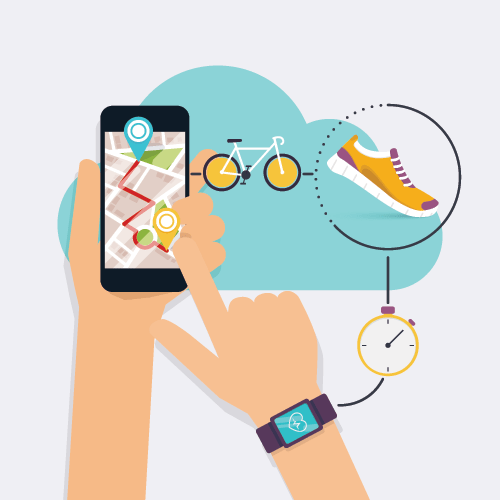
The fitness industry has undergone a digital transformation, and mobile apps are leading the way by making exercise not just a chore but an engaging experience.
By incorporating elements of gamification—like rewards, challenges, leaderboards, and avatars—these apps motivate users to stay consistent with their weight loss workouts.
In this article, LeanAndFit shall explore how mobile fitness apps gamify the weight loss journey, dive into the psychology behind gamification, and share real-life examples of how users have benefited.
Supported by scientific research, this comprehensive analysis will demonstrate why gamification has become a cornerstone of modern fitness.
In the end you would understand just how mobile fitness apps gamify weight loss workouts.
Table of Contents
- Introduction to Gamification in Fitness
- What is Gamification?
- 2.1. Key Elements of Gamification
- 2.2. The Psychology of Gamification and Fitness Motivation
- How Mobile Fitness Apps Gamify Workouts
- 3.1. Rewards and Badges
- 3.2. Challenges and Competitions
- 3.3. Progress Tracking and Leaderboards
- 3.4. Avatars and Virtual Journeys
- Real-Life Examples of Gamified Fitness Success
- 4.1. Case Study: Sarah’s Transformation Through Challenges
- 4.2. Case Study: Tom’s Leaderboard Success
- FAQs on Mobile Fitness Apps for Weight Loss
- Conclusion
Introduction to Gamification in Fitness
Mobile fitness apps have transformed the weight loss journey, turning workouts from mundane chores into engaging, interactive experiences.
By incorporating gamification techniques, these apps keep users motivated and invested in their fitness goals.
From step-tracking goals that reward consistency to community challenges that foster accountability, gamification taps into the psychology of motivation.
Features like virtual rewards, badges, and leaderboards encourage users to push themselves further, creating a sense of achievement at every milestone.
For instance, apps like Fitbit celebrate users reaching daily step goals with virtual confetti, while others like Strava allow users to compete in monthly challenges, igniting a sense of friendly competition.
These elements make workouts more enjoyable and provide an external incentive to stay consistent.
This article delves into the mechanics of gamification in fitness apps, illustrating how these tools have revolutionized workout adherence and promoted weight loss success.
By blending fun, competition, and measurable progress, gamified fitness apps prove that losing weight doesn’t have to be a grind—it can be a game worth playing.
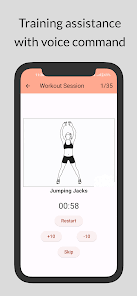
What is Gamification?
Here is what it means in simplest possible words:
Key Elements of Gamification:
Gamification refers to applying game-like elements to non-gaming activities. In fitness apps, these elements include:
- Rewards and Badges: Virtual awards for completing specific tasks like running 5 miles or working out for 30 consecutive days.
- Challenges and Competitions: Head-to-head competitions with friends or global participants to foster accountability.
- Progress Tracking: Visual tools such as graphs or progress bars to monitor weight loss and fitness goals.
- Leaderboards: Ranking systems that compare individual performance with others to spark competitive spirit.
- Avatars and Virtual Worlds: Personalized characters or environments that evolve as users reach milestones.
The Psychology of Gamification and Fitness Motivation:
The success of gamification lies in its ability to tap into intrinsic and extrinsic motivation. According to a study in Psychological Bulletin (Deci & Ryan, 2000), gamified tasks satisfy core psychological needs: autonomy, competence, and relatedness.
Fitness apps cater to these needs by offering users freedom in goal-setting, measurable achievements, and social connections through challenges and leaderboards.
How Mobile Fitness Apps Gamify Workouts?
Here is how they help you get lean and fit:
Rewards and Badges:
One of the most common gamification techniques is rewarding users with badges for completing fitness goals.
For instance, an app might award a “Marathoner” badge for walking 26 miles in a week or a “Consistency Streak” badge for exercising daily for a month. These virtual rewards provide a sense of accomplishment, which can fuel motivation.
A study published in Computers in Human Behavior (Hamari et al., 2014) found that reward-based gamification in apps significantly increased user engagement by creating small, achievable milestones.
Challenges and Competitions:
Fitness apps like Strava and Fitbit organize community-wide challenges where users compete to achieve goals such as burning the most calories or taking the highest number of steps.
This fosters a sense of accountability and camaraderie. Challenges are especially effective for people who thrive on external validation.
For example, a group of colleagues might compete in a “Steps Challenges” using Fitbit, where the winner earns bragging rights. Such competitive frameworks often push individuals to exceed their usual workout intensity.
Progress Tracking and Leaderboards:
Tracking progress visually can be a powerful motivator. Apps like MyFitnessPal display detailed charts of calorie intake, weight changes, and exercise duration, allowing users to see tangible improvements over time.
Leaderboards add an additional layer of competition, where users can see how their performance stacks up against friends or global participants.
Research in Journal of Medical Internet Research (Zhao et al., 2016) concluded that leaderboards create a social incentive, leading to greater physical activity and adherence to fitness routines.
Avatars and Virtual Journeys:
Some apps gamify workouts by using avatars or virtual journeys.
For example, Zombies, Run! immerses users in a post-apocalyptic world where running helps their avatar survive zombie attacks.
Another app, Pokémon GO, encourages users to walk and explore to capture virtual Pokémon, blending fitness with entertainment.
By engaging users in immersive storylines, these apps make workouts feel less like exercise and more like adventures.
Real-Life Examples of Gamified Fitness Success
Let me walk you through two such examples in brief:
Sarah’s Transformation Through Challenges:
Sarah, a 32-year-old teacher, found herself stuck in a cycle of failed weight-loss attempts due to waning motivation. Exercise felt like a chore, and her inconsistent efforts yielded minimal results.
Seeking a change, Sarah downloaded Strava, a fitness app renowned for its gamification features. She joined a monthly challenge where participants aimed to run 50 miles. She also ate low carb diets.
The challenge format turned exercise into an exciting competition, motivating Sarah to lace up her running shoes daily.
Each time she logged a run, she earned virtual badges and climbed the leaderboard, sparking her competitive side.
Over three months, Sarah’s consistency paid off—she not only completed her first 5K race but also shed 15 pounds.
Sarah credits the leaderboard feature for keeping her accountable. By striving to outperform her peers, she built sustainable habits.
Her journey highlights how gamification transforms fitness from an obligation into an engaging activity that fosters long-term commitment.
Tom’s Leaderboard Success:
Tom, a 28-year-old software engineer, struggled with monotony at the gym.
Traditional workouts felt uninspiring until he discovered Peloton, a fitness app with live leaderboards. Competing against others in real time during cycling sessions lit a spark of enthusiasm.
The leaderboard pushed Tom to outdo his previous performances and edge out fellow riders. Over six months, this newfound drive led Tom to burn more calories than ever before and reduce his body fat percentage by 10%.
Tom found that the gamified element of social competition turned solo workouts into thrilling events.
By making fitness a communal experience, apps like Peloton demonstrate how ranking systems can drive tangible, lasting results, even for those previously unmotivated by conventional exercise routines.
FAQs on Mobile Fitness Apps for Weight Loss:
This FAQ section breaks down the real reasons insulin resistance leads to stubborn fat gain and answers the kind of questions people genuinely struggle with but rarely find clear explanations for. Each answer is designed to be practical, data-backed, and easy to understand so you can take action immediately.
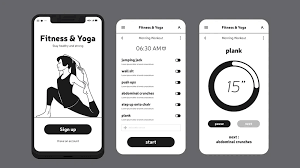
Conclusion
Mobile fitness apps have successfully gamified weight loss workouts by integrating rewards, challenges, leaderboards, and immersive experiences.
These elements tap into human psychology, transforming mundane exercise routines into engaging, competitive, and rewarding activities.
Real-life examples like Sarah and Tom demonstrate the tangible benefits of gamification, from sustained motivation to significant weight loss achievements.
As fitness apps continue to innovate with gamification techniques, they are reshaping the landscape of weight loss, making it accessible and enjoyable for users of all fitness levels.
By understanding how gamification works, individuals can leverage these tools to turn their fitness goals into achievable milestones.
Recommended:
- https://leanandfit.info/how-metformin-affects-insulin-sensitivity-for-weight-loss/
- https://leanandfit.info/how-insulin-resistance-increases-fat-storage/
- https://leanandfit.info/how-abdominal-fat-contributes-to-insulin-resistance/
- https://www.researchgate.net/publication/357900477_GAMIFIED_MOBILE_APPS_IN_HEALTH_AND_FITNESS
- For educational purposes only
- Why Trust LeanAndFit.info?