

Most diets fail due to a number of factors that are not connected with an individual’s determination or willpower.
More than 80% of people get back on the scale after losing weight and cannot stop themselves from gaining weight back. They usually refer to the popular dieting myths and restrict their food intake. However, not all dieting mistakes are obvious on the first sight.
This article aims at explaining why most diets fail and eliminating the reader’s dangerous beliefs about weight loss.
To be successful in any field, one needs to eliminate the reason for failure. In case of dieting, people might be disappointed in their weight loss results because of certain overestimated beliefs.
Table of Contents
- Defining Why Diets Fail and Common Myths
- Psychological and Physiological Barriers to Dieting
- Impact of Diet Types and Restrictive Plans
- Behavioral Patterns That Sabotage Diet Success
- Social, Environmental, and Emotional Triggers
- Sustainable Alternatives and Long-Term Strategies
Key Takeaways
| Point | Details |
|---|---|
| Diets Fail Due to Misconceptions | Weight loss misconceptions, like the ‘what the hell effect,’ lead to abandonment of goals, highlighting the need for realistic expectations. |
| Psychological and Physiological Barriers Impact Weight Loss | Emotional eating and metabolic adaptations significantly undermine long-term weight management efforts. |
| Restrictive Diets Create More Issues | Restrictive eating plans promote unhealthy relationships with food, whereas non-restrictive, intuitive approaches yield better long-term results. |
| Sustainable Strategies Focus on Mindfulness | Developing mindful eating practices and self-compassion is crucial for sustainable weight management and overall well-being. |
Defining Why Diets Fail and Common Myths
Diets do not work because of people’s wrong ideas about them and the way they function.
“Many popular diets fail because they encourage a ‘what the hell’ effect on the psyche of would-be dieters,” reads the Scientific American article.
When the dieter eats something that they should not, they feel as if they have already failed. Therefore, in order to deal with this feeling of failure, they often give up on the rest of their diet and overeat.
People think they are going to lose weight and then go back to their old ways. Most people go on a diet thinking they will get the results they want in as short a time as possible and then go back to their old habits. There is no motivation for actually making long-term changes to their life.
People’s bodies often fight against the diet, making it even harder to lose weight. The article states that when people continue to restrict calories, their body will begin to conserve energy, making it harder to lose weight.
Some persistent diet myths continue to mislead individuals seeking healthy weight management. National Geographic highlights several common misconceptions that sabotage weight loss efforts:
- Detox Diets Work: These are scientifically unsupported and can potentially harm your metabolic health
- Spot Reduction is Possible: You cannot target fat loss in specific body areas through isolated exercises
- Extreme Calorie Restriction Leads to Weight Loss: Drastically cutting calories often triggers metabolic slowdown and muscle loss
Successful weight management requires understanding these myths and adopting a holistic approach that integrates balanced nutrition, consistent physical activity, and sustainable lifestyle modifications.
Understanding Common Weight Loss Mistakes can provide deeper insights into developing a more effective, long-term strategy for achieving and maintaining your health goals.
Psychological and Physiological Barriers to Dieting
Weight loss is far more complex than simply counting calories or following a strict diet plan.
PubMed research reveals that individuals face substantial psychological and physiological barriers that significantly impact their ability to maintain long-term weight loss strategies.
These barriers are multifaceted, encompassing emotional, mental, and physical challenges that can derail even the most motivated individuals.
Psychological challenges play a profound role in diet failure.
According to BMC Psychology, body dissatisfaction and psychological distress can create a complex emotional landscape that undermines weight loss efforts.
Key psychological barriers include:
- Emotional Eating: Using food as a coping mechanism for stress, anxiety, or depression
- Low Self-Efficacy: Believing one cannot successfully lose weight or maintain lifestyle changes
- Negative Self-Image: Persistent feelings of inadequacy that sabotage motivation
Physiological barriers complement these psychological challenges.
Individuals often encounter physical obstacles that make weight loss incredibly challenging, such as:
- Metabolic adaptations that slow down weight loss
- Hormonal imbalances affecting appetite and metabolism
- Chronic pain or mobility issues limiting physical activity
Understanding the intricate connection between mental and physical health is crucial.
 How Mental Health and Weight Loss Affect Each Other provides deeper insights into navigating these complex interactions, helping individuals develop more holistic and compassionate approaches to their health and wellness journey.
Impact of Diet Types and Restrictive Plans
Diet types and restrictive eating patterns often have more negative effects than positive ones for people who want to lose weight.
Cambridge researchers say that diets are unhealthy and that people should rather stick to non-restrictive eating patterns.
Traditional restrictive diets typically fall into several problematic categories that ultimately undermine weight loss efforts:
- Extreme Calorie Cutting: Drastically reducing calorie intake that triggers metabolic slowdown
- Elimination Diets: Removing entire food groups, leading to nutritional deficiencies
- One-Size-Fits-All Plans: Generic approaches that ignore individual metabolic differences
The problem of a restrictive diet
A person who is forced to follow a strict diet and watch their calorie intake may experience negative consequences for their psyche.
Among the negative effects of a restrictive diet, the following can be highlighted:
- increase in the amount of food consumption,
- depression,
- loss of self-esteem,
- constipation,
- bloating,
- loss of control and periodic frustration.
A return to an unrestricted diet can provoke intermittent weight loss and regain. The health and appearance of the skin, hair, and nails will also be affected. In this situation, intuitive eating can help, which is based on healthy eating.
Best Diet Plans Comparison for Rapid Weight Loss can provide additional insights into more sustainable approaches that prioritize individual health and well-being over restrictive, short-term weight loss strategies.
Behavioral Patterns That Sabotage Diet Success
Scientific American research reveals a fascinating phenomenon called the ‘what the hell effect’ that dramatically undermines diet success.
This psychological pattern occurs when individuals experience a small deviation from their diet plan, leading to a complete abandonment of their weight loss goals and potentially triggering uncontrolled overeating.
Research published in the journal Scientific American has uncovered a peculiar phenomenon known as the ‘what the hell effect.’ This occurrence significantly compromises the chances of successful dieting.
The ‘what the hell effect’ is a psychological nuance whereby a person’s resolve to stick to a certain diet plan is derailed by a minor deviation from the laid guidelines. As a result, an individual gives up on their diet program and ends up overeating.
A number of diet behaviors can derail a person’s efforts to lose weight.
These include:
- All-or-Nothing Thinking.
- Emotional Eating.
- Reward-Based Eating.
- Unconscious Snacking.
In addition to the above-listed diet behaviors, a PubMed study on effective weight loss reveals further obstacles to successful weight loss. These include lack of time and bad diet habits. Therefore, a comprehensive understanding of these diet behaviors and obstacles is needed to identify the underlying causes of weight gain and obesity.
The causes of these diet behaviors range from poor meal planning to lack of proper knowledge and ineffective stress management strategies.
Overcoming Weight Loss Setbacks Naturally: Step-by-Step Guide can provide practical strategies to interrupt these self-sabotaging cycles and develop healthier lifestyle approaches.
Social, Environmental, and Emotional Triggers
arXiv research reveals a disturbing insight into how external influences can profoundly derail weight loss efforts.
Targeted weight-loss ads can be detrimental to people who have a warped relationship with food, as it only serves to further their existential crises and fuel unhealthy self-perception.
There are several sociocultural influences that could contribute to someone struggling to lose weight:
- Body image issues stemming from social media exposure
- Unhealthy workplace eating due to readily available treats
- Family eating and lifestyle habits
- Stress-inducing environments that promote emotional eating
The emotional difficulties of being on a diet are also manifold. The arXiv paper, which analyzed comments on dieting forums, found that gender stereotypes and body image concerns were often exacerbated by a person’s dieting experiences, with many users expressing their feelings in very visceral terms.
These challenges could have a significant emotional impact on a person’s ability to stick to their diet:
- Increased shame around body image and weight
- Feelings of inadevalence and lowered self-esteem
- Anxiety around eating in public or around others
- Self-loathing and negative self-perception
Understanding Emotion Triggers and Their Effects on Healthy Eating Habits will provide you with the tools to understand the mechanics of emotional eating and better comprehend the difficulties the person has to overcome to achieve their diet goals.
Sustainable Alternatives and Long-Term Strategies
Cambridge study suggests a new approach to dieting and weight loss, which is based on intuitive eating. The focus of this approach is on improving the relationship with food and enhancing mental health.
The key sustainable strategies for weight management include:
- practicing mindful eating,
- educating about nutrition,
- allowing oneself to treat dieting as a flexible process, which includes occasional cheating meals,
- engaging in regular physical activity,
- and managing stress.
The study sheds light on the psychological and behavioral factors associated with successful weight management.
These factors may help dieters in identifying the most effective approaches, which would help in sustaining health and limiting weight gain over time.
The study findings suggest that the most effective strategies are not about rigidly adhering to a specific diet or intense exercising but instead focus on improving people’s attitudes toward food, changing behavior patterns, and addressing emotional problems, such as depression or anxiety.
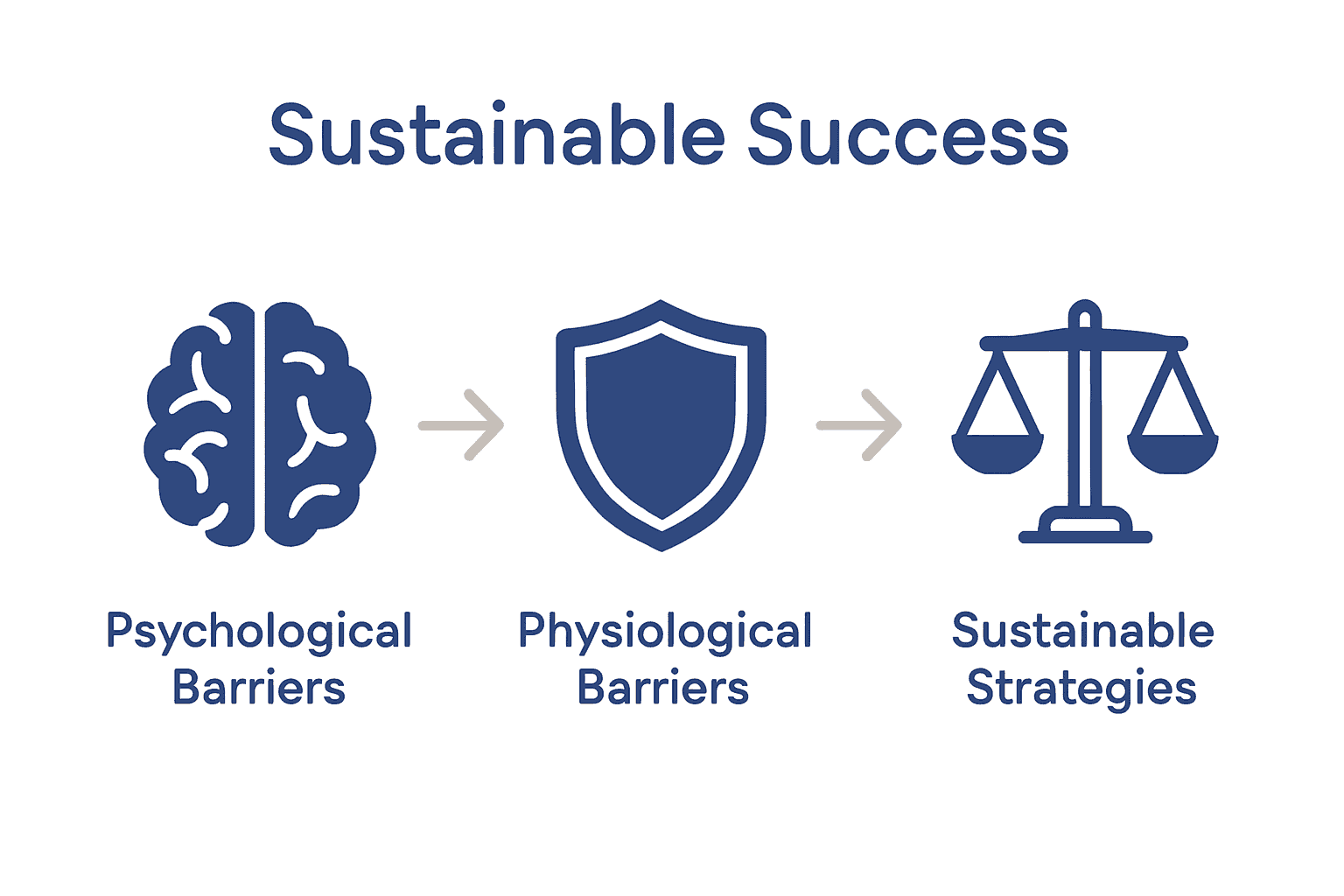
- Self-compassion
- Adaptive coping mechanisms
- Consistent lifestyle modifications
- Positive self-perception
Understanding What is a Sustainable Diet for Healthy Living offers a comprehensive exploration of how to transform temporary diet plans into lifelong nutritional wellness, providing practical guidance for those seeking lasting health transformation.
Discover Lasting Success Beyond Diets
Many people get stuck trying to lose weight due to psychological issues linked to the so-called “what the hell effect” and physiological barriers such as metabolic adaptation.
You may be falling victim to emotional eating or have become frustrated with extreme diets that are unsustainable in the long term. It is essential to acknowledge these obstacles and bring a fresh perspective to your health and beauty routine.
Are you ready to overcome them and operate from a renewed sense of self-awareness? Then it is time to turn to the Conscious Eating – LeanAndFit guide and develop a beneficial approach to healthy eating.
Make nourishing meal planning choices with our Meal Planning – LeanAndFit section and invest in your well-being wisely.
So why wait for a better opportunity to improve your relationships with food and body image?
Pay attention to experts at LeanAndFit.info who offer practical solutions to common diet-related concerns and help you achieve sustainable results!
Frequently Asked Questions
Here is the updated version of all the burnign queries on why your diet is failing that you may need an answer for: