

Teen weight loss is often seen as a simple matter of eating less and moving more, but adolescence is a stage where the body is rapidly changing behind the scenes.
Most people miss this critical truth.
Nearly one in five American teens are classified as obese and face physical, social, and mental health risks that are easy to overlook.
The biggest surprise is that healthy weight management for teens goes far beyond appearance and diets and actually sets the foundation for lifelong well-being in ways most never expect.
Table of Contents
- What Is Weight Loss For Teens And Why It Matters
- The Importance Of Healthy Weight Management During Adolescence
- Key Factors Influencing Weight Loss In Teenagers
- Understanding Nutrition And Exercise For Teen Weight Loss
- The Psychological Aspects Of Weight Loss For Teens
Quick Summary
| Takeaway | Explanation |
|---|---|
| Weight loss requires a holistic approach. | Focus on nutrition, exercise, and emotional support for effective weight management. |
| Unique biology affects each teen’s journey. | Individual metabolic rates and genetics shape personalized weight loss strategies. |
| Healthy habits promote long-term wellness. | Sustainable lifestyle changes enhance physical and mental health beyond fleeting weight goals. |
| Psychological support is essential. | Addressing self-image and emotional challenges boosts successful weight management. |
| Family involvement enhances success. | Supportive family dynamics foster healthier dietary habits and active lifestyles among teens. |
What is Weight Loss for Teens and Why It Matters?
Weight loss for teens is a nuanced and critical health consideration that goes far beyond simple appearance or social pressures.
It represents a comprehensive approach to understanding body composition, metabolic health, and overall physical development during adolescence. Learn more about teen health strategies can provide additional context for understanding this complex journey.
Understanding Teen Body Composition
Adolescence represents a unique period of physical transformation where metabolism, hormonal changes, and body composition undergo significant shifts.
Weight loss for teens is not about achieving a specific aesthetic standard but about establishing healthy metabolic patterns and preventing potential long term health risks.
Teens experiencing excess weight face multiple potential health challenges:
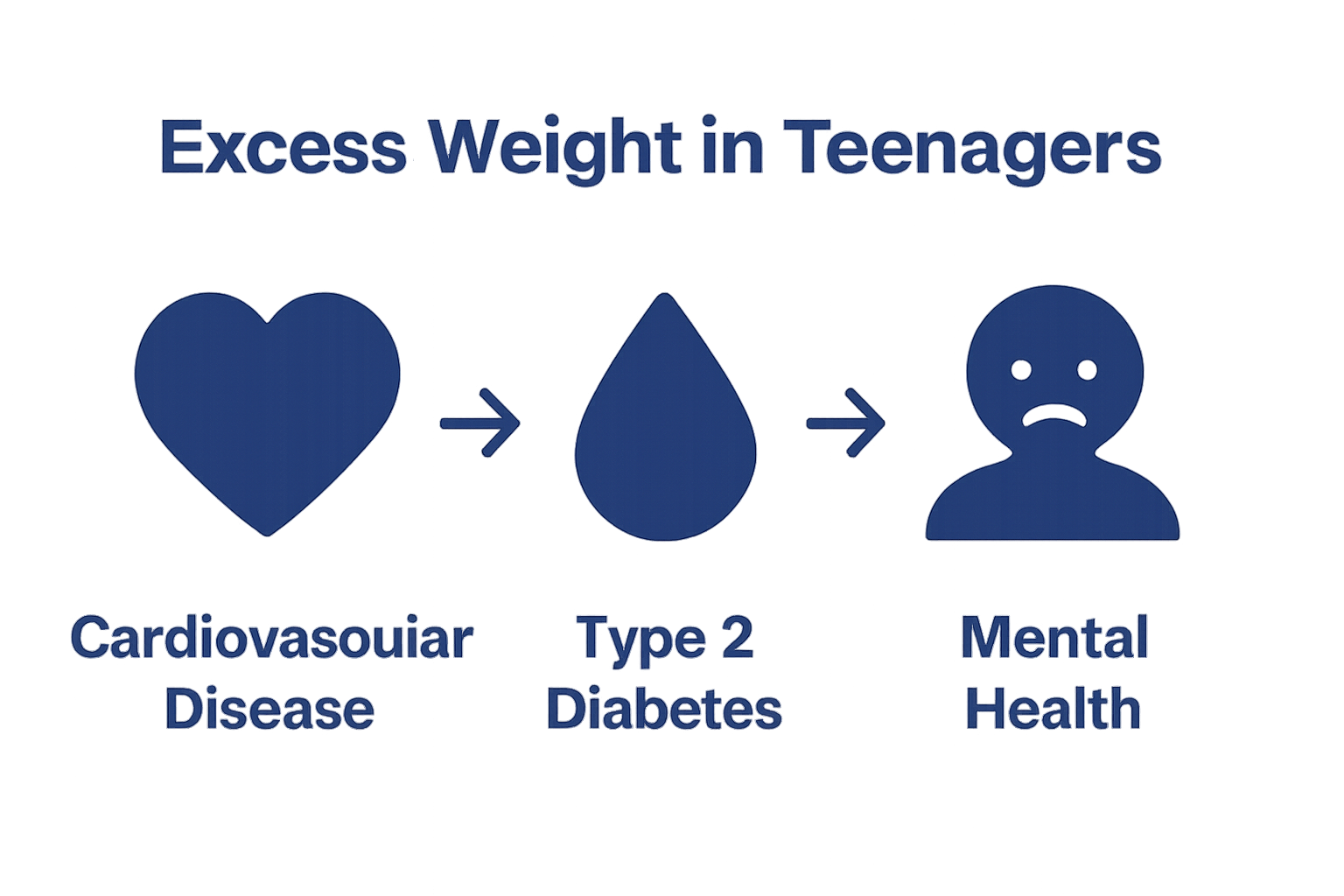
- Increased risk of cardiovascular diseases
- Higher likelihood of developing type 2 diabetes
- Potential psychological and social challenges related to self-esteem
- Potential limitations in physical activity and overall mobility
The Holistic Approach to Teen Weight Management
According to the Centers for Disease Control and Prevention, effective weight management for teens involves a multifaceted strategy that transcends traditional diet and exercise approaches.
This comprehensive method includes:
- Balanced nutrition tailored to developmental needs
- Regular physical activity appropriate for age and fitness level
- Psychological support and positive body image reinforcement
- Family and community involvement in health goals
Successful weight loss for teens requires understanding that each adolescent’s body is unique, with individual metabolic rates, genetic predispositions, and developmental trajectories. The goal is not rapid weight reduction but sustainable, healthy lifestyle modifications that support long term physical and mental wellness.
The Importance of Healthy Weight Management During Adolescence
Healthy weight management during adolescence represents a critical foundation for lifelong physical and psychological well-being. It transcends simple numerical measurements on a scale and encompasses comprehensive physical, mental, and developmental considerations.
Learn more about long term weight maintenance strategies can help teens understand the broader context of healthy weight management.
Physiological Implications of Adolescent Weight Management
Adolescence is a transformative period characterized by rapid physical growth, hormonal shifts, and metabolic recalibration.
Maintaining a healthy weight during this critical developmental stage can significantly impact future health outcomes.
Proper weight management supports optimal hormone regulation, supports muscle and bone development, and establishes metabolic efficiency.
The physiological benefits of healthy weight management include:
- Enhanced cardiovascular system performance
- Improved insulin sensitivity and glucose metabolism
- Better respiratory system functioning
- Optimal endocrine system development
- Reduced risk of future chronic diseases
Psychological and Social Dimensions
According to research published in Frontiers in Pediatrics, weight management during adolescence profoundly influences psychological well-being. Teens who maintain a healthy weight are more likely to experience positive self-image, improved social interactions, and greater overall confidence.
Key psychological advantages of healthy weight management include:
- Enhanced self-esteem and body confidence
- Reduced risk of depression and anxiety
- Better social integration and peer relationships
- Increased participation in physical activities
- Development of positive lifestyle habits
Ultimately, healthy weight management for teens is a holistic approach that nurtures physical health, psychological resilience, and long-term personal development.
The table below compares the physiological and psychological benefits teens gain from healthy weight management during adolescence.
| Benefit Type | Key Benefits |
|---|---|
| Physiological | Enhanced cardiovascular system performance |
| Improved insulin sensitivity and glucose metabolism | |
| Better respiratory system functioning | |
| Optimal endocrine system development | |
| Reduced risk of future chronic diseases | |
| Psychological & Social | Enhanced self-esteem and body confidence |
| Reduced risk of depression and anxiety | |
| Better social integration and peer relationships | |
| Increased participation in physical activities | |
| Development of positive lifestyle habits |
Key Factors Influencing Weight Loss in Teenagers
Understanding weight loss for teenagers requires a nuanced approach that considers multiple interconnected factors.
Individual metabolic variations and comprehensive lifestyle elements play crucial roles in determining successful weight management strategies. Explore our guide on healthy weight loss tips to gain deeper insights into effective approaches.
Biological and Genetic Foundations
Teenagers experience unique physiological challenges that significantly impact weight loss potential. Genetic predispositions, hormonal fluctuations, and individual metabolic rates create complex individual weight management landscapes.
Genetic inheritance can influence body composition, metabolism, and fat storage mechanisms, making each teenager’s weight loss journey distinctly personal.
Key genetic and biological factors include:
- Inherited metabolic efficiency
- Hormonal balance during puberty
- Baseline muscle mass and bone density
- Individual insulin sensitivity
- Potential endocrine system variations
Environmental and Social Determinants
According to research published in the International Journal of Environmental Research and Public Health, teenage weight loss is profoundly influenced by social and environmental contexts. Family dynamics, school environments, peer interactions, and socioeconomic conditions collectively shape dietary habits and physical activity levels.
Critical environmental factors impacting teenage weight management include:
- Parental nutritional knowledge and eating patterns
- School lunch programs and nutritional education
- Access to safe physical activity spaces
- Socioeconomic resources for healthy food procurement
- Cultural attitudes toward body image and fitness
Successful weight loss for teenagers transcends simple caloric restriction. It requires a holistic understanding of individual biological makeup, environmental influences, and personalized strategies that support comprehensive physical and psychological well-being.
Understanding Nutrition and Exercise for Teen Weight Loss
Nutrition and exercise represent interconnected pillars of effective weight management for teenagers, requiring a sophisticated understanding beyond simplistic calorie counting.
Comprehensive metabolic health demands strategic approaches that support physical development and long-term wellness. Explore effective lean and fit methods to gain deeper insights into holistic teenage weight management.
Nutritional Foundations for Teenage Development
Teenage nutrition transcends traditional dietary restrictions. The body requires precise nutrient balance to support rapid physical growth, hormonal changes, and metabolic adaptations. Balanced macronutrient intake becomes crucial in supporting muscle development, bone density, and overall physiological functioning.
Key nutritional considerations for teenage weight management include:
- Adequate protein for muscle and tissue development
- Complex carbohydrates supporting sustained energy
- Essential fatty acids for hormonal regulation
- Micronutrients supporting metabolic processes
- Hydration supporting cellular metabolism
Exercise and Physical Activity Strategies
According to Nutrition.gov guidelines, effective teenage weight management requires tailored physical activity that respects individual developmental stages. Exercise should simultaneously support metabolic health, muscle development, and psychological well-being.
Comprehensive exercise strategies encompass:
- Resistance training supporting muscle development
- Cardiovascular activities improving metabolic efficiency
- Flexibility exercises enhancing overall physical capability
- Age-appropriate intensity and duration of workouts
- Incorporation of enjoyable, sustainable physical activities
Successful teenage weight loss integrates nutritional science, personalized exercise approaches, and a holistic understanding of individual physiological requirements. The ultimate goal remains supporting healthy, sustainable development rather than pursuing restrictive weight loss methodologies.
The Psychological Aspects of Weight Loss for Teens
Weight loss for teenagers extends far beyond physical transformation, deeply intertwining with complex psychological landscapes of self-perception, emotional resilience, and social dynamics.
Mental and emotional well-being play pivotal roles in sustainable weight management strategies. Discover insights on mental health and weight loss to understand these intricate connections.
Self-Image and Emotional Challenges
Adolescence represents a critical period of identity formation where body image profoundly influences psychological development.
Teenagers experiencing weight challenges often navigate intricate emotional terrains marked by self-doubt, social comparison, and fluctuating self-esteem. Psychological resilience becomes as crucial as physical health in successful weight management journeys.
Psychological challenges frequently encountered include:
- Persistent negative self-talk
- Social anxiety related to body perception
- Fear of judgment from peers
- Potential development of unhealthy coping mechanisms
- Vulnerability to mood disorders
Cognitive Behavioral Perspectives
According to research exploring psychological interventions, Cognitive Behavioral Therapy (CBT) approaches can significantly support teenagers navigating weight loss challenges.
These strategies focus on restructuring thought patterns, developing healthy emotional regulation skills, and creating sustainable behavioral modifications.
Key psychological intervention strategies encompass:
- Identifying and challenging negative thought patterns
- Developing positive self-communication techniques
- Building emotional regulation skills
- Creating supportive social environments
- Establishing realistic, health-focused goals
Successful teenage weight loss integrates comprehensive psychological support, recognizing that emotional healing and personal growth are just as important as physical transformations.
 The journey is about empowerment, self-understanding, and holistic wellness rather than pursuing restrictive, potentially harmful weight loss methodologies.
Take Control of Teen Weight Loss with Real Solutions
Understanding healthy weight loss as a teen can be overwhelming. This article highlights the struggles of navigating body changes, emotional pressures, and the confusion around safe weight management.
Many teens, and their families, want answers they can trust when it comes to nutrition, exercise, and building lifelong healthy habits. LeanAndFit.info recognizes that each teen deserves a tailored, sustainable plan instead of generic advice.
Find practical strategies and guidance in our Best Lean & Fit Methods section, where you will discover science-backed routines and real-life guidance designed for teens.
Ready to move beyond confusion and start seeing positive results?
Visit LeanAndFit.info today for step-by-step support, holistic meal ideas, and expert tips for a healthier, more confident future. Do not wait to empower your teen’s journey to better health. Explore our actionable resources here and take the essential first step now.
Frequently Asked Questions:
Understanding weight loss for teens: key concepts explained is really about clarity, not restriction. Teen bodies are still developing, so the goal is not rapid transformation but balanced growth.
Healthy habits like proper nutrition, regular activity, good sleep, and emotional awareness matter far more than dieting trends.
When teens focus on overall well-being instead of just weight, they build a strong foundation for lifelong health and confidence.
Q-1: Why does weight loss feel more confusing for teens compared to adults?
A-1: Teens go through rapid physical, hormonal, and emotional changes all at once. Unlike adults, their bodies are still developing, which means weight naturally fluctuates.
Growth spurts, changing metabolism, and hormonal shifts can all affect weight and body shape. On top of that, lifestyle factors like school stress, sleep patterns, and peer influence also play a role.
So what feels like “confusion” is often just a normal stage of development. The key is understanding that teen bodies are not meant to stay static—they are designed to change.
Q-2: Can teens safely lose weight without affecting growth and development?
A-2: Yes, but it must be done carefully. Teens should focus on healthy habits rather than extreme dieting. The body still needs enough nutrients, calories, and energy to support growth, brain development, and hormone balance.
Safe weight loss for teens usually means improving food quality, increasing physical activity, and reducing processed foods—not skipping meals or following strict diets. When done correctly, these changes support both health and natural growth rather than harming it.
Q-3: Why do some teens gain weight even when they feel like they eat “normally”?
A-3: “Normal eating” can be misleading. Portion sizes, snack frequency, sugary drinks, and hidden calories often add up without being noticed.
Teens may also have different activity levels depending on school workload, screen time, and sleep.
Hormonal changes during puberty can also influence appetite and fat storage. It is rarely one factor alone—it’s usually a combination of small habits that gradually affect weight over time.
Q-4: How important is exercise compared to diet for teen weight management?
A-4: Both matter, but they play different roles. Diet has a stronger impact on calorie balance, while exercise improves fitness, mood, strength, and metabolism.
For teens, movement is especially important because it supports healthy growth and bone development.
Activities like sports, walking, cycling, or dancing are often more effective than structured “gym workouts” because they are enjoyable and easier to maintain.
The best approach is combining balanced eating with regular physical activity.
Q-5: Why do crash diets or skipping meals backfire so quickly in teens?
A-5: Because the teen body needs steady fuel for growth, energy, and brain function. When food intake is too low, the body reacts by slowing metabolism and increasing hunger signals.
This often leads to overeating later. Crash diets also affect mood, concentration, and energy levels, which can make daily life harder.
Instead of helping, they usually create a cycle of restriction and rebound eating. Sustainable habits always work better than extreme approaches.
Q-6: Can sleep really affect weight in teenagers?
A-6: Yes, sleep plays a huge role. Teens who don’t get enough sleep often experience higher cravings for sugary or high-calorie foods. Lack of sleep also affects hormones that regulate hunger and fullness.
On top of that, tired teens tend to be less active during the day. So poor sleep indirectly contributes to weight gain. A consistent sleep schedule can improve energy levels, mood, and even eating habits.
Q-7: Why do emotions influence eating habits so strongly during teenage years?
A-7: Teen years are emotionally intense due to hormonal changes and social pressures. Food often becomes a coping mechanism for stress, boredom, or emotional ups and downs.
This is called emotional eating. It’s not about lack of control—it’s about using food for comfort. Learning to recognize emotional triggers helps teens respond differently, like talking to someone, exercising, or engaging in hobbies instead of turning to food automatically.
Q-8: Is it possible for teens to focus on weight loss without becoming obsessed with body image?
A-8: Yes, and this is very important. The goal should always be health, not appearance. When teens focus only on body image, it can lead to unhealthy behaviors and stress.
A better approach is setting goals like feeling stronger, having more energy, or improving fitness. When health becomes the focus, weight changes often follow naturally without pressure or obsession.
Q-9: What role does social media play in teen weight loss expectations?
A-9: Social media can create unrealistic expectations by showing edited or filtered body images. This can make teens feel like they need to change quickly or dramatically. In reality, healthy changes take time and vary from person to person.
Comparing yourself to online images often leads to frustration. Understanding that most content is curated helps reduce pressure and supports healthier decision-making.
Q-10: What is the most important mindset for teens trying to manage weight healthily?
A-10: The most important mindset is patience combined with self-care. Teens don’t need extreme rules or fast results—they need consistent habits that support growth and well-being.
Small changes like eating balanced meals, staying active, and sleeping well create long-term results. When the focus shifts from “quick fixes” to “healthy routines,” weight management becomes easier and more natural.