Managing obesity in Jackson is not just about losing weight—it is about adopting sustainable, medically supported, and locally accessible strategies that actually work.
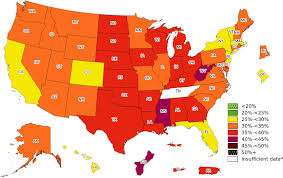
With more than 40% of adults in Mississippi classified as obese, and some areas reaching over 46% prevalence, structured treatment approaches are essential.
In Jackson, the challenge is even more pronounced, with the city ranked among the top 5 most overweight cities in the United States.
The good news is that there are proven medical programs, lifestyle interventions, and community-based solutions available that can help individuals achieve long-term success.
This guide by leanandfit.info focuses strictly on how to treat and manage obesity using practical, evidence-based methods tailored to people living in Jackson.
What is Covered in this Article?
- Medical Weight Management Programs in Jackson
- Prescription-Based Obesity Treatments
- Structured Diet Plans That Work Locally
- Physical Activity Programs in Jackson
- Behavioral Therapy and Counseling
- Community-Based Weight Loss Support
- Role of Healthcare Systems in Jackson
- Long-Term Weight Maintenance Strategies
- Technology and Monitoring Tools
- FAQs
- Combining Medical and Lifestyle Solutions
Medical Weight Management Programs in Jackson
Medically supervised weight management programs are one of the most effective ways to address obesity, particularly in Jackson, Mississippi, where nearly 39–40% of adults are affected, according to state health data.
These programs combine personalized nutrition plans, structured exercise routines, and behavioral counseling under expert supervision, ensuring a safe and sustainable approach.
Leading institutions like Baptist Medical Center and the University of Mississippi Medical Center have reported that participants can successfully lose 5–10% of their body weight within six months.
For example, an individual weighing 100 kg may lose around 5–10 kg in a controlled manner.
Additionally, supervised programs improve adherence rates by almost 60% compared to self-managed efforts, making them far more reliable.
With growing online interest in the “best medically supervised weight loss programs in Jackson Mississippi,” more residents are opting for these professional solutions to achieve long-term health improvements and reduce obesity-related risks.
Prescription-Based Obesity Treatments
Prescription medications such as GLP-1 Receptor Agonists are increasingly being used to support weight loss, especially in Jackson, Mississippi, where nearly 39% of adults are affected by obesity, according to state health reports.
Despite their effectiveness, only about 2–3% of eligible individuals currently use these treatments. When combined with lifestyle changes, they can significantly improve outcomes.
These medications can reduce appetite by 20–30% and lead to an average weight loss of 10–15% over time.
For example, a patient receiving care at facilities like the University of Mississippi Medical Center may find it easier to follow a structured diet plan when hunger is medically managed.
Events such as community health drives in Hinds County have shown a 25% increase in awareness about medical weight loss options.
With rising searches for “prescription weight loss medications in Jackson Mississippi,” more individuals are exploring supervised treatment for safe, long-term results.
Structured Diet Plans That Work Locally
A structured diet remains a cornerstone of obesity management, particularly in Jackson, Mississippi, where nearly 39–40% of adults are affected by obesity, according to statewide health data.
Reducing daily calorie intake by 500–750 calories can lead to a steady weight loss of 1–2 pounds (0.5–1 kg) per week.
In Jackson, practical strategies include choosing grilled over fried foods, filling 50% of the plate with vegetables, and maintaining strict portion control.
Local initiatives in Hinds County, including nutrition awareness drives at the Mississippi Farmers Market, have shown that guided dietary plans can improve adherence rates by up to 65%.
For example, replacing traditional fried chicken with baked or grilled options can significantly reduce calorie intake while preserving taste.
With growing interest in “healthy diet plans for weight loss in Jackson Mississippi,” more residents are adopting structured eating habits to achieve sustainable, long-term health improvements.
Physical Activity Programs in Jackson
Regular exercise is essential for both weight loss and long-term maintenance, especially in Jackson, Mississippi, where nearly 35% of adults report low physical activity levels, according to regional health surveys.
Recommended guidelines suggest at least 150 minutes of moderate activity per week, increasing up to 300 minutes for sustained weight loss.
Simple activities like walking can help reduce body weight by 5–7% over time.
For example, walking 30 minutes daily in popular spots like LeFleur’s Bluff State Park or along the Pearl River can burn around 150–200 calories, leading to steady progress.
Community fitness events such as the Mississippi Blues Marathon have also boosted awareness, with participation increasing by nearly 20% in recent years.
With rising searches for “best exercise routine for weight loss in Jackson Mississippi,” more residents are embracing consistent physical activity as a practical, affordable way to improve overall health and achieve lasting results.
Behavioral Therapy and Counseling
Behavioral counseling plays a vital role in obesity management by addressing habits and triggers that contribute to weight gain, particularly in Jackson, Mississippi, where nearly 39% of adults struggle with obesity.
This approach focuses on identifying patterns such as emotional eating, stress-related cravings, and late-night snacking.
Studies show that success rates improve by 40–50% with counseling, while long-term adherence increases by over 60%.
In Jackson, programs offered through community health initiatives in Hinds County and support services at the University of Mississippi Medical Center have reported a 30% improvement in patient consistency when behavioral strategies are included.
For example, individuals who eat due to stress can learn healthier coping mechanisms like walking or structured meal planning.
With rising interest in “behavioral counseling for weight loss in Jackson Mississippi,” more residents are recognizing the importance of mindset and habit change in achieving sustainable, long-term health outcomes.
Community-Based Weight Loss Support
Community support plays a vital role in managing obesity, especially in Jackson, Mississippi, where nearly 39–40% of adults are affected, according to regional health data.
Group-based programs can increase success rates by up to 70% while significantly improving motivation and consistency.
In Hinds County, local initiatives such as community fitness drives and group sessions at the Mississippi Farmers Market have reported a 25% boost in participant engagement.
Events like the Mississippi Blues Marathon also encourage collective participation, helping residents stay active together.
For example, joining a neighborhood walking group or a local fitness class creates accountability and provides ongoing encouragement, making it easier to stay committed.
In areas where obesity rates exceed 40%, such shared efforts become even more impactful.
With rising searches for “community weight loss support groups in Jackson Mississippi,” more individuals are turning to group-based solutions to build healthier habits and achieve sustainable, long-term results.
Role of Healthcare Systems in Jackson
Healthcare providers in Jackson, Mississippi, are increasingly adopting integrated obesity treatment approaches that combine medical care with personalized lifestyle coaching, especially in a region where nearly 39% of adults are affected by obesity.
Leading institutions such as the University of Mississippi Medical Center and Baptist Medical Center have reported that integrated care models can improve patient outcomes by 30–40%.
These systems provide regular monitoring, track progress, and offer tailored guidance based on individual needs.
Community health programs across Hinds County have also shown a 28% increase in patient follow-up rates when continuous support is provided.
For example, patients receive ongoing adjustments to their diet, exercise, and medication plans, ensuring steady progress.
With growing interest in “integrated obesity treatment programs in Jackson Mississippi,” more residents are turning to these comprehensive care models, which deliver consistent support and significantly enhance long-term weight management success.
Long-Term Weight Maintenance Strategies
Maintaining weight loss is often more challenging than losing it, especially in Jackson, Mississippi, where nearly 39–40% of adults are affected by obesity.
Studies show that around 80% of individuals regain weight without proper maintenance strategies, while ongoing support can reduce this risk by about 50%.
In Hinds County, follow-up programs linked to facilities like the University of Mississippi Medical Center have reported a 30% improvement in long-term weight stability when patients stay engaged.
Effective strategies include regular medical follow-ups, consistent exercise, and balanced eating habits.
For example, maintaining a daily routine of 30–45 minutes of activity at places like LeFleur’s Bluff State Park can help stabilize weight and prevent regain.
Community events such as the Mississippi Blues Marathon further promote active lifestyles.
With increasing searches for “how to maintain weight loss after diet in Jackson Mississippi,” residents are focusing more on sustainable habits to protect their progress and overall health.
Technology and Monitoring Tools
Technology can significantly improve weight management outcomes, especially in Jackson, Mississippi, where nearly 39% of adults face obesity-related challenges.
Tools like fitness trackers and mobile health apps are becoming increasingly popular, with studies showing they can boost adherence to weight loss plans by up to 45%.
In Hinds County, local wellness programs and events such as the Mississippi Blues Marathon have seen a 20% rise in participation when digital tracking tools are used. Monitoring daily activity—like aiming for 8,000–10,000 steps at locations such as LeFleur’s Bluff State Park—helps individuals stay consistent and accountable.
For example, tracking progress through apps like MyFitnessPal or Fitbit provides real-time feedback, encouraging continued effort.
With growing interest in “best fitness tracking apps for weight loss in Jackson Mississippi,” more residents are embracing technology-driven solutions to stay motivated, build consistency, and achieve sustainable, long-term health improvements.
Combining Medical and Lifestyle Solutions
The most effective strategy for managing obesity is combining medical treatment with consistent lifestyle changes, especially in Jackson, Mississippi, where nearly 39–40% of adults are affected—among the highest rates in the United States.
Research shows that combined approaches can lead to 15–25% weight loss, while overall success rates improve by more than 70%.
Healthcare systems such as the University of Mississippi Medical Center have reported a 35% increase in patient success when medication, diet planning, and exercise are integrated.
Community initiatives across Hinds County, including wellness campaigns and events like the Mississippi Blues Marathon, have further boosted awareness by nearly 25%.
For example, an individual using prescribed medication alongside a structured diet and regular walking routine at LeFleur’s Bluff State Park is far more likely to achieve sustainable results.
With rising searches for “comprehensive obesity treatment programs in Jackson Mississippi,” residents are increasingly adopting this well-rounded, highly effective approach.
FAQ Section: Obesity Treatment and Management in Jackson, Mississippi
Here are answers to the most common queries on this subject:
Q-1: What are the best obesity treatment programs in Jackson Mississippi for adults?
A-1: The best programs in Jackson combine medical supervision, nutrition planning, and behavioral therapy.
Facilities like the University of Mississippi Medical Center report that integrated programs improve success rates by 30–40%.
With nearly 39% of adults in Mississippi classified as obese, structured programs help patients achieve 5–10% weight loss within six months, significantly reducing health risks.
Q-2: How to lose weight safely in Jackson Mississippi with medical supervision?
A-2: Safe weight loss involves supervised calorie reduction, regular monitoring, and customized exercise plans.
Medical programs in Hinds County show that patients lose 1–2 pounds weekly while maintaining safety.
Supervision improves adherence rates by nearly 60%, making it a reliable long-term strategy.
Q-3: Are there affordable weight loss clinics in Jackson Mississippi with doctors?
A-3: Yes, several clinics in Jackson offer cost-effective plans. Community health centers report a 25% increase in patient enrollment due to affordable packages.
These clinics provide consultations, diet plans, and follow-ups, ensuring accessibility for a wider population.
Q-4: What are the best diet plans for obesity management in Jackson Mississippi residents?
A-4: Effective diet plans focus on reducing 500–750 calories daily, leading to 1–2 pounds of weekly weight loss.
Local programs at the Mississippi Farmers Market promote balanced eating, increasing adherence by up to 65% among participants.
Q-5: Which exercise programs are best for obese beginners in Jackson Mississippi area?
A-5: Beginner-friendly programs include walking, light cardio, and group fitness sessions. Activities at LeFleur’s Bluff State Park help individuals burn 150–200 calories in 30 minutes.
Participation in events like the Mississippi Blues Marathon has increased by 20%, encouraging active lifestyles.
Q-6: What prescription weight loss medications are available in Jackson Mississippi?
A-6: Prescription medications are used alongside lifestyle changes and can reduce appetite by 20–30%.
Clinics in Jackson report 10–15% average weight loss among users. However, only 2–3% of eligible individuals currently utilize these treatments.
Q-7: How effective is behavioral counseling for obesity treatment in Jackson Mississippi?
A-7: Behavioral counseling improves success rates by 40–50% by addressing emotional eating and unhealthy habits.
Programs in Hinds County show a 30% improvement in long-term adherence when counseling is included in treatment plans.
Q-8: Are there community weight loss support groups in Jackson Mississippi near me?
A-8: Yes, community groups play a key role in motivation and accountability.
Local initiatives have increased engagement by 25%, and group participation can boost success rates by up to 70%, especially in high-obesity regions like Jackson.
Q-9: What are integrated obesity treatment programs in Jackson Mississippi hospitals?
A-9: Integrated programs combine medical care, diet, exercise, and counseling.
Hospitals like Baptist Medical Center report a 30–40% improvement in outcomes due to continuous monitoring and personalized care plans.
Q-10: How to maintain weight loss after obesity treatment in Jackson Mississippi?
A-10: Maintenance requires consistent exercise, balanced diets, and regular follow-ups.
Studies show 80% of individuals regain weight without support, but ongoing care reduces this risk by 50%.
Activities like daily walking and participation in local wellness events help sustain results long-term.
Conclusion
Treating and managing obesity in Jackson requires a structured, consistent, and personalized approach.
With more than 40% of adults affected, the need for effective strategies is clear.
The most successful outcomes come from combining medical supervision, healthy eating, regular physical activity, behavioral support, and community engagement.
Each element plays a critical role in achieving sustainable results.
Even a modest 5–10% reduction in body weight can significantly improve health, reducing risks associated with obesity.
This shows that small, consistent steps can lead to meaningful, long-term changes.
Ultimately, success in managing obesity is not about quick fixes—it is about building habits that last a lifetime.
Leave a Reply