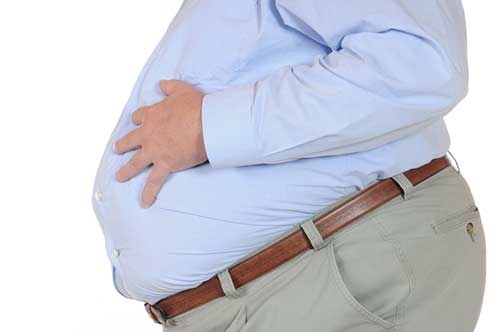
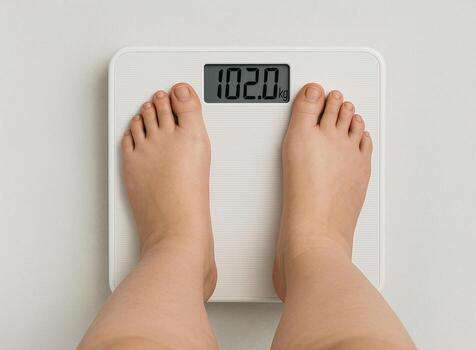
If you have ever studied health statistics in the United States, you may have noticed that one city tends to stand out in a negative sense. This place is Jackson, Mississippi, and it has become one of the most obese cities in the country.
So, you are bound to ask yourself- why obesity rates are so high in Jackson, Mississippi???
To be more precise, approximately 37 percent of Jackson’s adults are classified as obese, while the number reaches 46.3 percent in Hinds County.
As for the whole state, it is the second most obese in the U.S., with more than 40 percent of Mississippi’s population being obese.
But what is the reason for such a high number? Why is Jackson one of the most obese cities in America? Let us find that out together.
First of all, it is important to understand that obesity is a complex issue, and there are always multiple factors influencing it.
In case of Jackson, it would be inaccurate to single out one particular reason. There is a combination of circumstances that make Jackson’s residents suffer from obesity.
However, some factors are more important than others. Let leanandfit.info take a closer look at the reasons influencing Jackson’s obesity problem.
Article Index
- High Poverty Levels and Economic Inequality
- Limited Access to Healthy Food (Food Deserts)
- High Consumption of Calorie-Dense Southern Diets
- Low Levels of Physical Activity
- Lack of Health Education and Awareness
- Cultural Attitudes Toward Body Weight
- Racial and Demographic Disparities
- Poor Built Environment and Infrastructure
- Limited Access to Healthcare and Preventive Services
- FAQs on Rising Obesity in Jackson, MS
- Intergenerational Lifestyle Patterns and Habits
High Poverty Levels and Economic Inequality
One of the significant contributors to obesity in Jackson is poverty.
The city in Jackson is part of the state of Mississippi, which is known to be one of the poorest states in the country.
According to data from the US Census, about 24 percent of residents in Jackson have income below the poverty line, while the national average only constitutes between 11 and 12 percent.
Poverty has a major impact on the eating habits and lifestyle of the population.
It reduces the variety of food choices and influences the opportunities and resources available to a person.
People with low income are unable to afford healthy food and prefer cheaper alternatives, such as processed meals, fast food, and junk food.
Based on research conducted by the Centers for Disease Control and Prevention, over 35 percent of Mississippi residents are obese, which is among the highest rates in the country.
As a result, it becomes evident that the state scores very high in the number of obese people because of its low average income.
Moreover, poverty causes stress, which leads to emotional eating among Jackson residents.
The lack of access to healthier food options, such as fresh fruits and vegetables, is also a problem, as approximately 30 percent of neighborhoods are considered food deserts.
People who cannot afford to buy healthy food on a regular basis experience extreme hunger due to long working hours, which leads to obesity as a result of consuming cheaper, unhealthy alternatives.
Limited Access to Healthy Food (Food Deserts)
Another factor contributing to the high obesity rate in Jackson, Mississippi, is the prevalence of food deserts, or areas where access to cheap and healthy food is limited or nonexistent.
The United States Department of Agriculture (USDA) reports that Jackson has a low access to food issue affecting “30-35 percent of the population.”
Many Jackson residents do not have a superstore within their “reasonable traveling distance” and have to rely on fast-food restaurants and small corner stores instead of traditional supermarkets.
The United States Department of Agriculture estimates that one-third of the population of Mississippi lives in food deserts.
These areas have less variety in food and are home to fewer supermarkets such as Walmart or Kroger.
The United States Center of Disease Control and Prevention (CDC) reports that Mississippi has one of the highest obesity rates for adults among the U.S. states, which is over 35 percent.
Therefore, in Jackson, obesity becomes a serious problem caused by the lack of accessible supermarkets and the reliance on fast food.
This shows the effects of food deserts in the area, which make it difficult for the population to make healthy choices.
It emphasizes the importance of solving this specific environmental issue and improving the availability of healthy food.
High Consumption of Calorie-Dense Southern Diets
Food culture is a significant contributor to the obesity rate within Jackson Mississippi, as southern cuisine is deeply ingrained in the local culture.
Traditional southern dishes feature fried chicken, catfish, biscuits and gravy, sweet tea, and rich desserts made with pecan pie.
While these foods are staples of local cuisine, they are also high in calories, unhealthy fats, and carbohydrates.
The CDC reports that over 35% of Mississippi adults are obese, which is largely due to their dietary habits.
In Jackson, meals are often heavy and high in calories.
The Mississippi State Department of Health has found that over 40% of adults consume sweetened beverages every day.
These dietary habits are passed down within families as traditions and enjoyed at social functions, where heavier meals and treats are commonplace.
This pattern reflects the issue with the southern diet and its effects on obesity rates in Jackson Mississippi.
As a result of this poor dietary intake, the population experiences gradual weight gain.
The lack of exercise among Mississippians also plays a detrimental role, as nearly 30% of Hinds County adults do not get enough physical activity.
This sedentary lifestyle contributes significantly to obesity rates and the development of serious health conditions such as diabetes and heart disease.
Low Levels of Physical Activity
The other serious issue which causes obesity in Jackson Mississippi is the lack of opportunities for physical activity.
The US Center for Disease Control and Prevention reports that about 30% of adults in Mississippi lead a sedentary lifestyle, meaning that they do not engage in any physical activities during their leisure time, which is among the highest rates in the USA.
There are not many gyms and recreation centers in Jackson, Mississippi, making it hard for residents to keep fit.
Moreover, there are places in Jackson, especially in Hinds County, where it is not safe to go out and do sports.
According to the Mississippi State Department of Health, over 25% of Jackson residents report that they cannot do outdoor exercises due to safety concerns.
This trend accounts for the absence of physical activity among Jackson residents.
Another reason is the lack of proper sidewalks and bike paths.
Finally, the hot and humid weather throughout the year also discourages residents from walking or biking.
Sedentary jobs and the use of screens in leisure time do not allow people to burn enough calories per day, which causes weight gain over time.
Lack of Health Education and Awareness
Education plays a significant role in health promotion, and the lack of health literacy is directly linked to the high obesity rates in Jackson, Mississippi.
According to the data provided by the Mississippi State Department of Health, almost 20-25% of the State’s adults lack health literacy. This means that they do not have the necessary knowledge and skills to make healthy dietary and lifestyle choices.
The problem of obesity in Jackson, Mississippi, is closely related to the health literacy of its population, which is lower than the national level.
In Jackson, Mississippi, the understanding of the concepts of healthy eating and exercise is insufficient among school-aged children and adults.
For example, many individuals lack nutritional knowledge and have poor eating habits.
The research conducted by the CDC revealed that more than 45% of American adults inaccurately estimate how many calories they consume as they tend to miss the calories hidden in processed foods, such as sugar.
This issue is strongly associated with the lack of nutritional education and is reflected in the high obesity rates of Jackson, Mississippi.
For instance, people tend to consume calorie-dense foods and beverages without being aware of the adverse effects of their dietary patterns.
Moreover, many individuals do not recognize the importance of physical activity.
Thus, the lack of nutritional literacy makes it difficult for people to make healthy choices and increases their risk for obesity and chronic diseases.
Cultural Attitudes Toward Body Weight
Cultural perceptions of body weight can also contribute to obesity rates in Jackson Mississippi due to social norms that can affect an individual’s attitude and behavior towards their own health.
Some cultures have more positive perceptions of being overweight or obese than others.
Based on CDC data, Mississippi has an adult obesity rate of over 35 percent, with social norms dictating what is and is not a desirable weight for Mississippians, which affects their motivation to prevent excessive weight gain.
If obesity is considered normal within a social group, it is less likely to be perceived as a health hazard by individuals within that group.
According to social norms theory and data collected by the Mississippi State Department of Health, almost 30 percent of Mississippi adults do not believe that they are overweight, even though they actually are.
This information is related to the topic of cultural perceptions of obesity in Jackson Mississippi.
Social gatherings in Jackson Mississippi are centered around food, with large plates of calorically dense traditional foods being the focal point of any celebration.
This behavior encourages excessive eating and unhealthy dietary habits.
These cultural perceptions lead to difficulty in developing healthy eating behaviors and result in obesity and negative health consequences.
Racial and Demographic Disparities
Jackson Mississippi is a city with a large portion of its population belonging to the African American ethnic group, with over 80% according to the US census. This is important to the discussion on obesity, as there is likely to be a correlation between the two.
According to the CDC, non-Hispanic blacks have the highest obesity percentages with nearly 49% of the population being classified as obese compared to other groups.
The reason why this is the case in Jackson is closely tied to a range of social and environmental factors,
with a significant contributor being the level of socioeconomics.
According to the Mississippi state department of health, over 25% of African Americans residing in Jackson are under the poverty line, removing essential resources for a healthy lifestyle.
This is a major contributor to why the rates of obesity affect a larger percentage of the African American population than the general population, as it supports the argument that obesity in Jackson Mississippi is largely affected by external factors rather than genetics or personal choice.
A lack of access to healthcare, an apparent lack of supermarkets in certain areas and overall systemic issues contribute to this list, which is far broader than socioeconomics alone
When viewed holistically, it becomes apparent that health issues affecting Jackson Mississippi are strongly determined by a combination of both social and environmental causes.
Poor Built Environment and Infrastructure
The design of the city can dictate the level of physical activity of its residents. If residents do not have the opportunity to be active, the obesity rate could increase.
According to the Mississippi State Department of Health,
over 28 percent of Hinds County adults lead a sedentary lifestyle due to lack of infrastructure in their neighborhoods.
The city could benefit from building more sidewalks, safer crosswalks, and bike paths.
There is a minimal amount of public transportation which causes residents to rely on their cars.
According to regional planning studies,
over 85 percent of Jackson’s residents commute by car, decreasing the amount of physical activity they would otherwise get.
It becomes evident that the urban design of Jackson Mississippi greatly contributes to obese citizens.
Everyday activities are limited which does not allow for time to be active.
Residents are unable to walk to nearby stores or to their friends’ houses because of the unsafe conditions of the neighborhood.
In addition, they do not have the opportunity to ride their bikes anywhere because of the lack of designated bike paths.
These factors, among others, lead to a sedentary lifestyle which causes people to gain weight.
Urban design is not something people necessarily think about on a day to day basis, but it can greatly impact obesity rates over time.
Limited Access to Healthcare and Preventive Services
Access to healthcare is another significant social determinant contributing to the high obesity rates among Jackson’s population since many citizens cannot adequately access healthcare services to address the issue.
According to information from the Mississippi State Department of Health, nearly 18-20% of the state’s adults are uninsured.
Such a figure demonstrates the difficulties Jacksonians face in terms of accessing preventive care due to financial reasons.
Besides, the delivery of healthcare services is disrupted in Jackson due to economic and infrastructural challenges, which are particularly acute in disadvantaged neighborhoods.
As a result, the population lacks adequate access to preventive services, including nutritional counseling and obesity treatment programs.
The situation is aggravating since, according to the CDC, less than 30% of Mississippi adults receive annual preventive exams, and obesity is not detected and addressed in time.
The problem of barriers to healthcare for obese individuals in Jackson Mississippi is aggravating the existing epidemic of weight gain in the community.
Since citizens do not receive the necessary examinations, obesity often goes unnoticed until it progresses to diabetes or cardiovascular diseases.
While healthcare services in Jackson are available, they are not utilized due to a lack of awareness and financial accessibility.
The inability to receive timely and appropriate care inevitably deteriorates an individual’s health status and leads to severe health complications that may be life-threatening.
Intergenerational Lifestyle Patterns and Habits
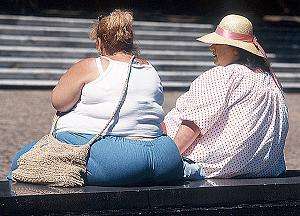
Obesity in Jackson Mississippi is often familial; it is passed down not only genetically but also environmentally from one generation to another.
The children tend to adapt their activity level or dieting lifestyle based on what they witness their parents or family members doing.
Based on the information provided by the Centers for Disease Control and Prevention (CDC), children with obese parents are almost two to three times more likely to be obese as adults. This is because obesity runs in families whether genetically or environmentally.
In Jackson, Mississippi, the statistics provided by the Mississippi state health department show a high prevalence of childhood obesity and overweight cases. The data demonstrates that more than 22% of children and adolescents are overweight or obese, indicating the prevalence of obesity cases is high among children and adolescents since they are already exposed to such an environment from their parents.
Environmental factors such as a high-calorie diet, a sedentary lifestyle and physical inactivity contribute to obesity among children from their parents. In addition, children are also exposed to unwholesome diets including the consumption of processed foods and sugar-sweetened beverages and the adoption of increased screen time replacing physical activities among other risk factors.
Such an influence is often persistent and becomes part of the lifestyle of the children making them impossible to break or change in the long run. This implies that obesity and overweight cases become persistent and a recurrent health issue in generations, thus being a persistent rather than a transient health issue.
FAQ Section: Why Obesity Rates are So High in Jackson, Mississippi
This section provides answers to the most borning queries residens of Jackson have regarding rising obesity rates in their city:
Q-1: Why is obesity so high in Jackson Mississippi statistics and causes?
A-1: Obesity is high in Jackson Mississippi because of economic, dietary, and lifestyle causes. According to the article Jackson has a 37% obesity rate for adults and 46-47% for Hinds County. Also Jackson Mississippi is one of the five most obese cities in the United States because of nutritional, physical, and economic causes.
Q-2: Why is obesity so high in Mississippi and Jackson city?
A-2: The rates of obesity are high in Mississippi due to poverty, nutrition, physical activity, and medical care. Also, it is stated that Jackson has an obesity rate above 40%. It is one of the states with the highest obesity rates in the U.S.
Q-3: Why does poverty increase the rate of obesity in Jackson Mississippi communities?
A-3: Poverty increases obesity rates in Jackson Mississippi because 19.7% of Mississippi’s population is below the poverty level compared to 11.8% of the U.S population. The number of people who are obese is high due to unhealthy diets and the inability to be physically active.
Q4: Why does Mississippi have the highest obesity rate in the United States explained?
A-4: Mississippi has one of the highest obesity rates since 2005 because of poverty, lack of education, and an unhealthy diet. All of these causes contribute to the high percentage of Alabaman adults being obese.
Q-5: What is the impact of food deserts on obesity in Jackson Mississippi neighborhoods?
A-5: Food deserts have a major impact on the rate of obesity in Jackson Mississippi. Fast food and convenience stores are widely available in poor areas, encouraging people to buy unhealthy foods as opposed to healthy food.
Q-6: How does the southern diet contribute to the rate of obesity in Mississippi cities like Jackson?
A-6: The southern diet and high sugar intake contributes to the high obesity rate in Jackson and Mississippi. Mississippians consume more calories daily and they eat foods that promote weight gain.
Q-7: How does lack of physical activity contribute to the rate of obesity in Jackson Mississippi?
A-7: Lack of physical activity contributes to obesity in Jackson Mississippi because it does not allow people to burn calories. Mississippi is an inactive state that lacks recreation and sport facilities.
Q-8: Why do low income areas in Jackson Mississippi have a high rate of obesity?
A-8: Low income areas in Jackson Mississippi have a high rate of obesity because they do not have access to healthy food and exercise facilities. In Hinds County some areas have a 50% obesity rate.
Q-9: What cultural and lifestyle changes are causing obesity in Jackson Mississippi population?
A-9: Cultural and lifestyle changes that are causing obesity in Jackson Mississippi population are eating too much and not exercising. Eating larger meals and not acknowledging obesity as a problem prevents people from living healthy lives.
Q-10: Why is obesity more prominent in African American communities in Jackson Mississippi?
A-10: Obesity is more prominent in African Americans communities in Jackson Mississippi because of poverty, the lack of access to healthcare, and an unhealthy diet. In addition Jackson has a high percentage of obese African American adults than the national average.
Takeaway
The situation with obesity in Jackson is caused by multiple factors, most of which stem from the residents’ low income and lead to negative consequences on both individual and community levels.
Limited financial resources tend to push people toward cheap, caloric food, and the lack of healthy options due to food deserts contribute to the problem as well.
The appeal of fast food and traditional southern cuisine, combined with the absence of safe places to exercise, leads to poor dietary habits and sedentary lifestyles.
Moreover, insufficient knowledge about health nutrition and the inability to receive proper medical care decrease the chances of combating obesity.
Social and cultural influences are significant in Jackson as well, which also explains the emergence of the issue. People tend to follow similar patterns of behavior, especially within families, so unhealthy habits are often difficult to break.
Healthcare data shows that Mississippi has one of the highest shares of adults with obesity in the country, with more than 35% of residents being obese on average and over 40% in Hinds County, which is part of Jackson.
Thus, the obesity rates in Jackson are high due to several factors that require community attention and demand initiatives on both individual and governmental levels.
The issue is concerned with numerous aspects but is not insurmountable since it is mainly a result of residents’ living standards and opportunities.
Recommended:
- https://leanandfit.info/why-obesity-rates-are-so-high-in-grant-county-arkansas/
- https://leanandfit.info/why-obesity-rates-are-so-high-in-perry-county-arkansas/
- https://leanandfit.info/why-are-obesity-rates-high-in-lonoke-county-arkansas/
- https://www.mdpi.com/2673-4168/5/2/21
- https://umc.edu/Research/Centers-and-Institutes/Centers/Mississippi-Center-for-Obesity-Research/Resources/Obesity_in_Mississippi.html
- why trust leanandfit.info?
- for educational purpose only