Nearly 40 percent of American adults grapple with overeating at some point in their lives. With so many facing emotional, social, and environmental triggers, understanding what drives these eating habits is critical for lasting change.
This practical guide reveals proven strategies to identify your personal patterns, build healthy routines, and regain control of your eating—empowering you to make choices that truly support your goals.
Table of Contents
- Step 1: Identify Personal Overeating Triggers
- Step 2: Prepare Balanced Meals And Snacks
- Step 3: Practice Mindful Eating Daily
- Step 4: Control Portions And Meal Timing
- Step 5: Monitor Your Progress And Adjust Habits
Quick Summary
| Key Insight | Explanation |
|---|---|
| 1. Identify Overeating Triggers | Keep a food journal to track emotions and situations that lead to overeating. Analyze these patterns for insight. |
| 2. Prepare Balanced Meals | Focus on creating meals with a mix of food groups to provide essential nutrients and prevent snacking. |
| 3. Practice Mindful Eating | Develop self-awareness around eating by asking if you are truly hungry and enjoying your food without distractions. |
| 4. Control Portions Effectively | Use smaller plates and measure servings to manage portion sizes and maintain a consistent eating schedule. |
| 5. Monitor Progress Regularly | Track your eating habits and adjustments over time, using data to inform your strategies without becoming obsessive. |
Step 1: Identify personal overeating triggers
Understanding what drives you to overeat is a critical first step in sustainable weight loss. The process involves deeply examining your eating habits and emotional patterns to recognize specific triggers that lead to excessive consumption.
Start by maintaining a detailed food journal that tracks the ‘5 Ws’: Who you were with, What you were eating, When you ate, Where you were located, and most importantly, Why you were compelled to eat. This systematic approach helps uncover hidden emotional and environmental factors that prompt overeating.
Most overeating triggers fall into several key categories: emotional stress, boredom, social situations, specific times of day, and habitual patterns. Pay special attention to moments when you reach for food not out of genuine hunger but as a coping mechanism. Are you eating when feeling anxious? Sad? Celebrating? Watching television? Mapping these patterns provides powerful insights into breaking unconscious eating cycles.
A practical strategy involves creating a trigger tracking chart. Draw columns for each potential trigger category and note frequency and emotional state during eating episodes. Look for recurring themes. For instance, you might discover late night snacking occurs most often after stressful workdays or that social gatherings consistently lead to mindless eating.
Warning: Be honest and non judgmental during this self reflection. The goal is understanding your patterns, not criticizing yourself. Each observation is a step toward healthier relationships with food and your body.
Step 2: Prepare balanced meals and snacks
Creating balanced meals and snacks is your strategic approach to preventing overeating while nourishing your body with essential nutrients. This step transforms your eating habits from mindless consumption to intentional nutrition.
When planning meals, focus on creating comprehensive nutritional profiles that include diverse food groups. Your plate should feature a colorful mix of vegetables, lean proteins, whole grains, and healthy fats. This approach ensures you receive necessary macronutrients while keeping you satisfied and reducing likelihood of unnecessary snacking.

Start by developing a structured meal preparation strategy that emphasizes portion control and nutrient density. This might involve batch cooking on weekends, pre portioning snacks into containers, and planning meals that provide sustained energy. Integrate protein and fiber rich foods that promote satiety and prevent sudden hunger spikes.
Smart meal preparation requires strategic thinking. Consider creating a weekly meal plan that rotates proteins, incorporates seasonal vegetables, and includes flexible options for busy days. Utilize kitchen tools like food scales and measuring cups to maintain consistent portion sizes. Prepare grab and go snacks such as cut vegetables, hard boiled eggs, or Greek yogurt that can quickly curb hunger without derailing your nutrition goals.
Warning: Avoid extreme restrictions or overly complicated meal plans. Sustainable nutrition is about balance not perfection. Choose strategies you can realistically maintain long term.
Step 3: Practice mindful eating daily
Mindful eating transforms your relationship with food from automatic consumption to intentional nourishment. This practice helps you develop a deeper awareness of your body’s hunger signals and emotional connections to eating.
Start by developing conscious self-talk strategies that help you make deliberate food choices. Before eating, pause and ask yourself key questions: Am I truly hungry? What am I feeling right now? Am I eating out of genuine physical need or emotional impulse? This simple mental check creates a powerful interruption in unconscious eating patterns.
Implement practical mindful eating techniques like eating without digital distractions, chewing slowly, and paying attention to food textures and flavors. Use smaller plates to naturally control portion sizes. Practice putting your utensil down between bites and take deep breaths during meals. These small actions help you tune into your body’s natural satiety signals and prevent overconsumption.
Create a calm eating environment that supports mindfulness. Set the table nicely, sit down for meals without rushing, and eliminate potential distractions like television or smartphones. Treat each meal as a moment of nourishment and self care. By approaching food with intention and presence, you transform eating from a mindless activity to a deliberate practice of listening to your body.
Warning: Mindful eating is a skill that requires patience. Do not expect perfection. Some days will be easier than others. The goal is consistent practice, not absolute control.
Step 4: Control portions and meal timing
Mastering portion control and strategic meal timing are crucial weapons in your battle against overeating. These techniques help you manage calorie intake while keeping your metabolism consistently engaged throughout the day.
Serving food on individual plates and monitoring condiment quantities can dramatically reduce unconscious overeating. Use smaller dinner plates to create visual portion illusions that trick your brain into feeling satisfied with less food. Measure your servings using kitchen tools like measuring cups or a food scale to ensure accuracy.
Establish a consistent meal schedule that prevents extreme hunger and metabolic disruptions. Aim to eat balanced meals every three to four hours to maintain steady energy levels and prevent sudden hunger spikes. This approach helps regulate blood sugar and reduces the likelihood of impulsive eating. Start your day with a protein rich breakfast and plan nutrient dense snacks between main meals to keep your metabolism active and hunger in check.
Practice mindful portioning by filling half your plate with vegetables, one quarter with lean protein, and one quarter with complex carbohydrates. This visual strategy ensures balanced nutrition while naturally limiting portion sizes. Consider using portion control tools like divided plates or meal prep containers that help you maintain consistent serving sizes without feeling restricted.
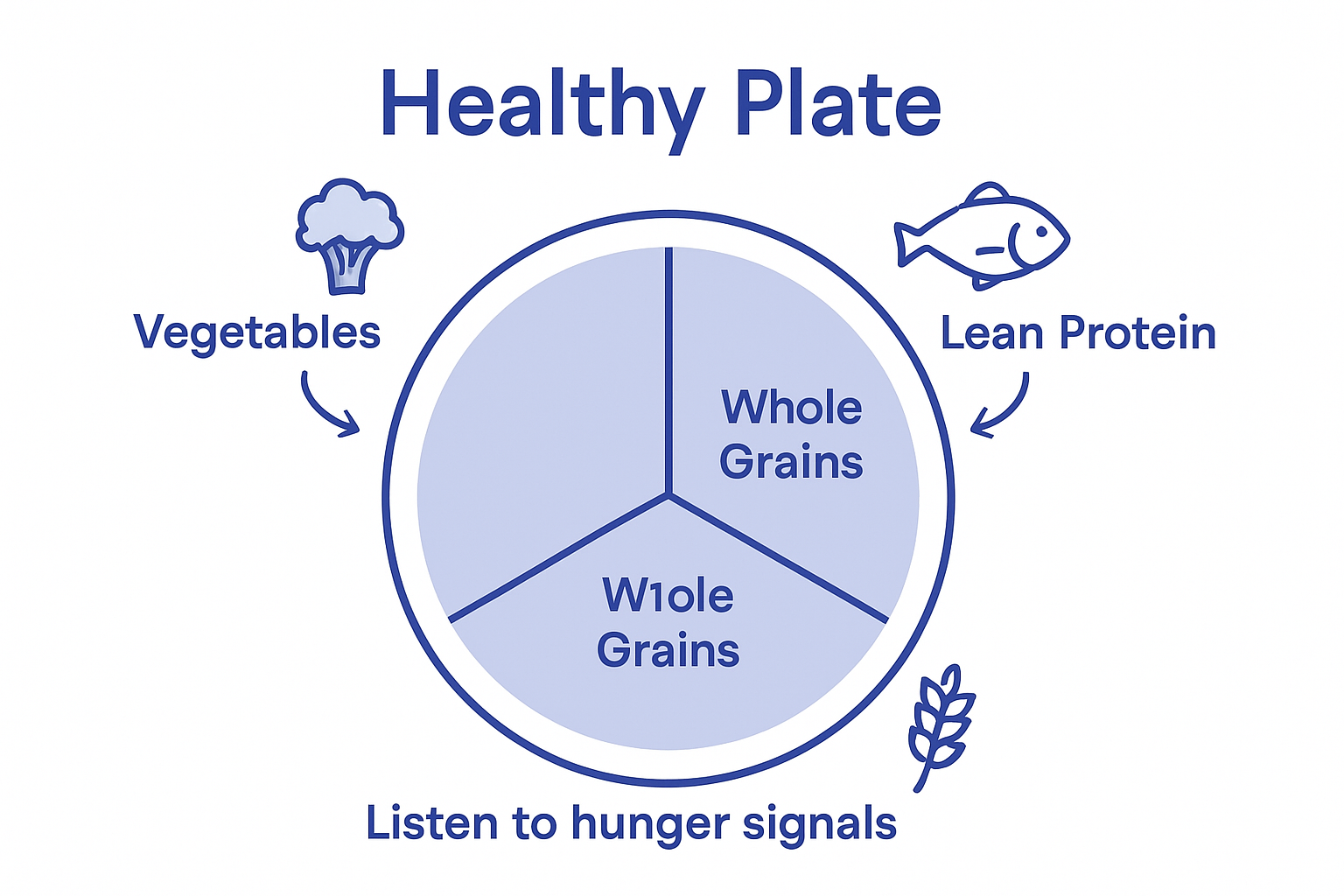
Warning: Portion control is not about deprivation but balanced nutrition. Listen to your body and adjust portions based on hunger levels and activity. Rigidity can backfire and lead to binge eating.
Step 5: Monitor your progress and adjust habits
Tracking your weight loss journey requires strategic observation and flexible adaptation. Your goal is to create a sustainable system that helps you understand your body’s unique responses and make informed adjustments.
Maintaining a comprehensive food journal enables you to identify eating patterns and behavioral triggers with precision. Record not just what you eat, but your emotions, hunger levels, time of day, and circumstances surrounding each meal. This detailed documentation transforms random eating into a purposeful, investigative process.
Establish consistent monitoring methods like weekly weight checks, body measurements, progress photos, and fitness assessments. Use digital apps or traditional notebooks to track your data. Look for trends rather than daily fluctuations. If you notice your weight loss stalling, examine your journal for potential roadblocks such as stress eating, portion creep, or reduced activity levels.
Create a feedback loop where you review your progress monthly. Celebrate small victories and be compassionate with yourself during plateaus. Adjust your nutrition and exercise strategies based on objective data, not emotional reactions. Remember that weight loss is not linear. Some weeks you might see dramatic changes, while others require patience and persistent effort.
Warning: Do not become obsessive about tracking. Numbers are tools, not judgments. Your health journey is about overall wellness, not perfection.
Take Control of Overeating with Proven Natural Strategies
Struggling to break free from unconscious eating habits can feel overwhelming. This article highlights how recognizing your overeating triggers and practicing mindful eating are key to lasting weight loss success.
If you want to deepen your understanding of how mindful nutrition and balanced meal planning can transform your relationship with food explore our Mindful Eating – LeanAndFit and Meal Planning – LeanAndFit resources. These guides offer practical tips tailored to help you eat consciously without deprivation.

Empower yourself today by visiting LeanAndFit.info for expert advice on Conscious Eating – LeanAndFit and sustainable weight management. Start building habits that last and rediscover the joy of nourishing your body with intention and balance. Make your next step count toward a healthier you.
Frequently Asked Questions
This FAQ highlights that avoiding overeating naturally is achievable through mindful habits, proper nutrition, and behavioral changes, leading to sustainable weight loss and improved overall health:
Q-1: How to avoid overeating naturally for lasting weight loss without dieting?
A-1: Avoiding overeating naturally starts with listening to hunger cues, eating slowly, and choosing nutrient-dense foods. In the United States, studies show that over 42% of adults are affected by obesity, often linked to overeating habits. Mindful eating alone can reduce calorie intake by up to 20%, supporting sustainable weight loss without strict dieting.
Q-2: What are the best natural ways to stop overeating and control hunger cravings daily?
A-2: Effective methods include eating high-fiber foods, staying hydrated, and maintaining regular meal timings. Research shows that increasing fiber intake can reduce hunger by up to 30%, helping control cravings naturally throughout the day.
Q-3: How does mindful eating help prevent overeating and support weight loss?
A-3: Mindful eating encourages awareness of hunger and fullness signals. Studies conducted in cities like San Francisco and Boston show that individuals practicing mindful eating reduce binge episodes by up to 25%, improving long-term weight control.
Q-4: What causes overeating and how to control it naturally at home?
A-4: Overeating is often caused by stress, emotional triggers, and irregular eating patterns. Research indicates that up to 60% of overeating cases are linked to emotional factors. Managing stress and maintaining structured meals can significantly reduce this behavior.
Q-5: How to reduce emotional eating and overeating habits effectively?
A-5: Emotional eating can be reduced by identifying triggers, practicing stress management, and replacing food habits with healthier coping mechanisms. Behavioral programs show a 30–40% reduction in emotional eating episodes with consistent practice.
Q-6: What are natural appetite control methods to prevent overeating and binge eating?
A-6: Natural appetite control includes consuming protein-rich meals, drinking water before meals, and getting adequate sleep. Studies show that protein intake can reduce hunger hormones by up to 25%, while proper sleep lowers overeating risk significantly.
Q-7: How to build healthy eating habits to avoid overeating long term?
A-7: Building habits involves consistent meal timing, portion awareness, and balanced nutrition. Research shows that individuals who follow structured eating patterns are 35% less likely to overeat, making habit formation critical for lasting results.
Q-8: What foods help you feel full longer and prevent overeating naturally?
A-8: Foods rich in fiber and protein, such as oats, legumes, eggs, and vegetables, increase satiety. Studies indicate that these foods can prolong fullness by up to 4 hours, reducing the likelihood of overeating between meals.
Q-9: How do meal timing and portion control reduce overeating and weight gain?
A-9: Regular meal timing stabilizes blood sugar levels, while portion control prevents excess calorie intake. Programs in New York and Chicago show that portion control strategies can reduce daily calorie consumption by 15–20%, supporting weight loss.
Q-10: What are evidence based strategies to stop overeating and maintain weight loss?
A-10: Proven strategies include mindful eating, balanced diets, regular exercise, and sleep management. Long-term studies show that individuals following these methods maintain weight loss success rates of up to 50% over one year, significantly higher than restrictive diets.