• Skip to content

LeanAndFit

Product Review Website

  • Obesity Causes: Key Factors Behind Weight Gain
    • Binge Eating Obesity Causes: How Overeating Leads to Weight Gain
    • Chronic Stress Obesity Causes: How Cortisol Drives Weight Gain
    • Cushing’s Syndrome
    • Stress Eating Obesity Causes: How Stress Leads to Weight Gain
    • Environmental Factors Causing Obesity: Risks & Prevention
    • Fast Food Obesity Causes: How Junk Food Leads to Weight Gain
    • Food Insecurity & Obesity Causes: Weight Gain Risks
    • Genetic Predisposition
    • Gut Microbiome Obesity Causes: How Gut Bacteria Affect Weight
    • Hormonal Imbalance and Obesity: Causes, Effects & Solutions
    • Insulin Resistance
    • Medication Side-Effects
    • Metabolic Slowdown
    • Obesogenic Chemicals: Hidden Causes of Obesity & Weight Gain
    • PCOS Symptoms and Obesity Causes and Hormonal Effects
    • Poor Nutrition and Obesity Causes Explained for Better Health
    • Sedentary Lifestyle and Obesity: Causes, Risks & Solutions
    • Sleep Deprivation
    • Social Influences
    • Thyroid Dysfunction
  • Obesity Side Effects: Health Risks, Causes & Prevention Tipss
    • Metabolic Syndrome
    • Osteoarthritis Onset
    • Respiratory Issues
    • Sleep Apnea Obesity Side Effects: Breathing & Health Risks
    • Obesity and Stroke Risk Causes and Cardiovascular Effects
    • Type 2 Diabetes Obesity Side Effects: Risks & Health Impact
    • Anxiety Increase
    • Body Inflammation
    • Cognitive Decline
    • Obesity and Dementia Risk Causes and Cognitive Decline Effects
    • Depression Risk Obesity Side Effects: Mental Health Impact
    • Emotional Eating Obesity Side Effects: Risks & Health Impact
    • Gut Dysbiosis and Obesity Effects on Metabolism and Health
    • Heart Disease Obesity Side Effects: Heart Health Risks
    • High Cholesterol Obesity Side Effects: Risks & Heart Health
    • Hypertension Development Examines How Obesity Contributes
    • Insulin Resistance SE
    • Joint Pain Obesity Side Effects: Knee, Back & Mobility Risks
    • Obesity and Liver Damage Causes and Fatty Liver Disease Risk
    • Mental Disorders Obesity Side Effects: Mental Health Risks
  • Obesity Treatment: Diet, Nutrition & Weight Loss Strategies
    • Metformin Use Obesity Treatment: Weight Loss & Insulin Control
    • Mindful Eating Obesity Treatment: Control Hunger & Lose Weight
    • Pharmacologic Interventions
    • Sleep Management for Obesity: Improve Sleep & Weight Loss
    • Stress Reduction Obesity Treatment: Lower Stress, Lose Weight
    • Surgical Devices Obesity Treatment: Tools for Weight Loss
    • Weight Loss Medications for Obesity Treatment: Benefits & Risks
    • Appetite Suppressants
    • Bariatric Surgery
    • Behavioral Therapy
    • Calorie Restriction
    • Cold Exposure
    • Exercise Regimens
    • Gut Modulation for Obesity Treatment and Metabolic Health
    • Hormonal Therapy Obesity Treatment: Balance Hormones & Lose Weight
    • Intermittent Fasting
    • Lifestyle Changes
    • Low Carb Diets for Obesity Treatment and Weight Loss
    • Meal Planning for Obesity Treatment and Healthy Weight Loss
    • Metabolic Boosters
  • Best Lean & Fit Methods Top Strategies For A Lean Physique,
    • Outdoor Workouts Weight Loss Methods: Burn Fat Naturally
    • Pilates Sculpt for Weight Loss and Lean Body Toning Guide
    • Protein Intake for Weight Loss and Fat Loss Strategies
    • Resistance Workouts
    • Step Tracking Weight Loss Methods: Walk Your Way to Fitness
    • Strength Training
    • Bodyweight Exercises
    • Calorie Deficit for Weight Loss and Fat Loss Strategies
    • Cardio Intervals
    • Consistency Hacks
    • Diet Breaks for Weight Loss Benefits and Fat Loss Strategy
    • Fitness Gamification
    • HIIT Sessions for Weight Loss and Fat Burning Workouts
    • Hydration Focus Weight Loss Methods: Boost Metabolism Naturally
  • Latest Research/News

How Deep Breathing Exercises Help Manage Obesity Related Stress?

Obesity Treatment: Diet, Nutrition & Weight Loss Strategies, Stress Reduction Obesity Treatment: Lower Stress, Lose Weight / July 31, 2025 by Madhukar Yadav

3.6k
SHARES
ShareTweet

Obesity and stress are like co-conspirators in a never-ending drama—one fuels the other, creating a vicious loop of cravings, fatigue, and frustration.

But what if the solution was not just in sweating buckets at the gym or counting calories until your brain hurts?

Enter deep breathing exercises. These simple, free, and shockingly effective techniques can help reduce stress levels, rebalance hormones, and even support weight loss efforts.

This article by leanandfit.info dives into how deep breathing tackles obesity-related stress in a step-by-step, science-backed, and user-friendly way.

Article Index

  1. What is “deep breathing exercises for obesity stress”?
  2. How does diaphragmatic breathing reduce cortisol and metabolic markers?
  3. Can breathing techniques reverse obesity stress and support weight loss?
  4. Slow breathing’s impact on appetite and emotional eating
  5. Combining deep breathing with exercise for maximum benefit
  6. FAQS on deep breathing exercises to reduce stress caused by obesity
  7. Daily routines for breathing exercises and stress management

Deep Breathing Exercises for Obesity Stress

Let’s start with the basics—what are deep breathing exercises and why should someone battling weight issues care?

When you are under chronic stress, your body goes into “fight or flight” mode.

This causes a release of cortisol, the notorious stress hormone that boosts blood sugar, encourages fat storage (especially around the belly), and makes you more likely to crave emotionally stimulating comfort foods.

Deep breathing helps activate your parasympathetic nervous system—the “rest and digest” setting of your body.

By shifting away from the high-alert mode, you lower cortisol, reduce muscle tension, and ease the mental fog that leads to poor dietary decisions.

Several studies have shown that breathwork reduces both psychological and physical markers of stress.

One study in particular noted that participants practicing diaphragmatic breathing showed significantly reduced cortisol levels after just a few sessions.

Another found lowered heart rate and anxiety among overweight individuals practicing deep breathing three times a day.

Deep breathing is not a weight loss miracle pill—but it is one of the most underrated tools for dealing with the emotional and hormonal chaos that often accompanies obesity.

It is like giving your nervous system a warm bubble bath every time you inhale deeply.

Breathing Techniques Obesity Stress Reversal

Now let us talk tactics.

There are many ways to breathe deeply—and no, that does not mean sighing loudly when your favorite jeans don’t fit.

These are structured, controlled breathing techniques that help reverse the physiological grip of stress.

Try box breathing. Inhale for 4 seconds, hold your breath for 4, exhale for 4, then hold again for 4. Repeat.

This technique is used by Navy SEALs, therapists, and even office workers hiding from deadlines. It is proven to reduce anxiety and lower blood pressure.

Another gem?

The 4-7-8 method.

Breathe in for 4 seconds, hold for 7, and exhale slowly for 8. This extended exhalation kicks your body into calm mode.

People using this method have reported improved sleep quality and lowered resting heart rate—two crucial components in managing stress and curbing weight gain.

Traditional yoga breathing methods like alternate nostril breathing or “nadi shodhana” have also shown benefits in lowering stress biomarkers and balancing the autonomic nervous system.

When practiced regularly, these techniques help restore balance. They break the cycle of stress-related cortisol surges that drive hunger and fat storage.

Over time, you will find your reactions softening, your cravings shrinking, and your mental clarity improving. It is like giving your brain and belly a pep talk through your lungs.

Can Breathing Techniques Reverse Obesity Stress and Support Weight Loss?

Let us not kid ourselves—breathing alone would not magically shrink your waistline.

But when used strategically, it can become a powerful supporting actor in your weight loss journey.

One recent study had overweight adults follow a 12-minute breathing protocol daily for eight weeks.

The results?

Reduced body fat, improved insulin sensitivity, and even a small but consistent drop in weight—all without changing diet or physical activity.

Researchers attributed these changes to lower systemic inflammation and improved hormone regulation.

Another trial showed that practicing deep breathing increased oxygen efficiency and slightly elevated basal metabolic rate.

That means your body could burn calories a bit more effectively, even while at rest.

Breathing techniques also enhance emotional regulation. People with obesity often experience higher levels of anxiety and depression, which can lead to emotional eating.

Deep breathing exercises reduce these symptoms and provide a coping mechanism when temptation strikes.

Put simply: deep breathing helps manage the hormonal, emotional, and psychological hurdles that sabotage weight loss.

It is not just “nice to have”—it is a foundational tool that supports the more visible work of eating right and staying active.

Slow Breathing’s Impact on Appetite and Emotional Eating

Let us get real—most of us don’t grab a bag of chips because we are physically hungry. It is often emotional eating fueled by stress, boredom, or anxiety.

This is where deep, slow breathing earns a gold star.

Breathing deeply—especially before meals—slows your heart rate, grounds your thoughts, and helps you distinguish real hunger from emotional impulse.

It also affects hormones like ghrelin and leptin, which regulate hunger and fullness.

In fact, studies have shown that slow breathing can lower ghrelin (the hunger hormone) while increasing leptin (the “I’m full” signal).

Even a short 10-minute breathing session before meals can reduce the urge to binge.

In clinical settings, mindfulness-based breathing programs have been shown to significantly reduce emotional eating episodes, especially in individuals with high body mass indexes (BMIs).

So the next time you feel the snack monster creeping in, try this: sit quietly, close your eyes, and take 10 slow breaths—inhale for 5 seconds, exhale for 5.

You might be surprised at how that moment of pause gives your willpower a chance to show up.

Deep breathing is like a traffic cop at the intersection of stress and snacking. It signals you to stop, breathe, and reassess before diving face-first into the cookie jar.
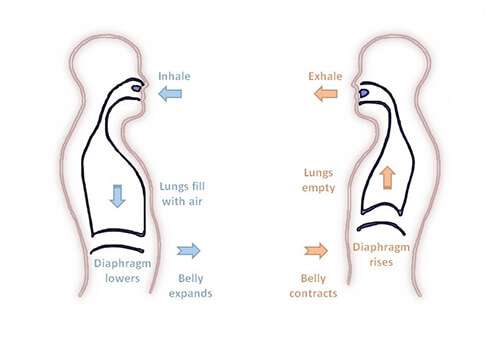
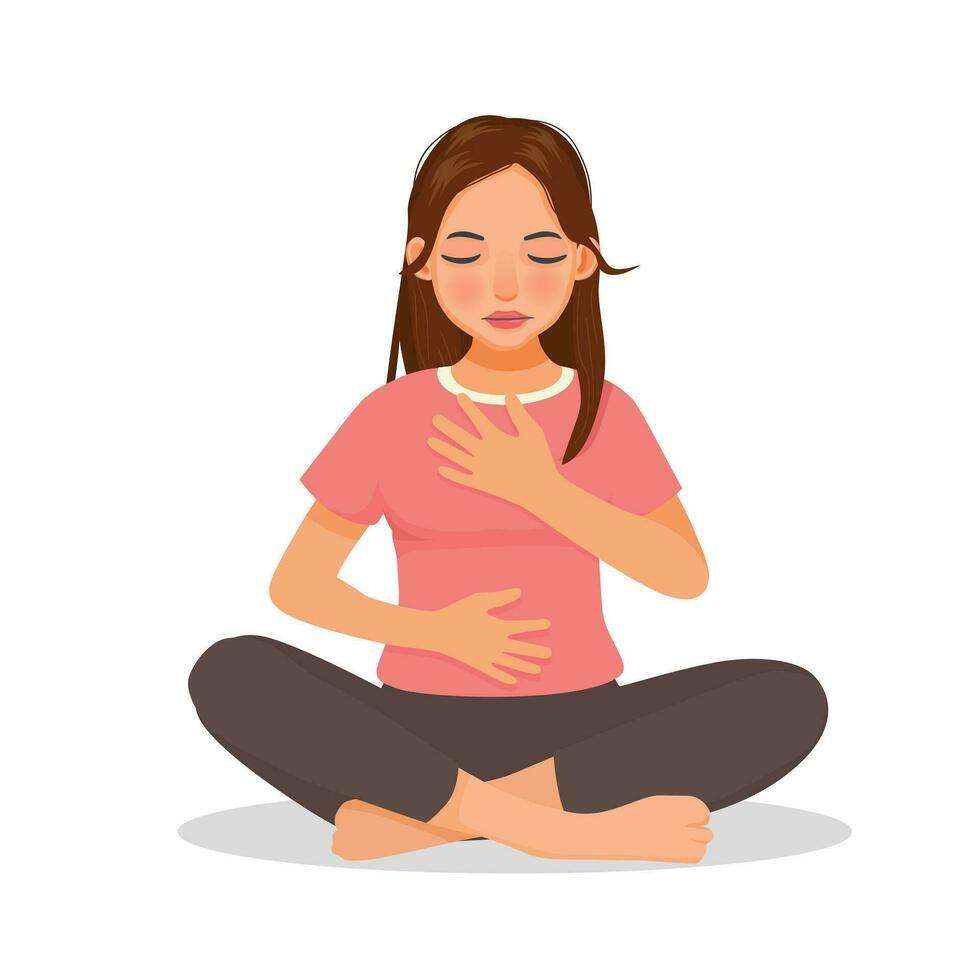
How to Combine Deep Breathing with Exercise for Maximum Benefit

Combining Deep Breathing with Exercise for Maximum Benefit

If deep breathing alone is powerful, pairing it with physical activity is like plugging a USB into a fully charged port—everything just works better.

One study observed that overweight adults who practiced deep breathing before and after exercise experienced significantly lower cortisol levels and faster recovery times compared to those who didn’t.

Lower cortisol means less fat retention, especially around the abdomen.

Another study involving middle-aged women with diabetes found that combining light aerobic activity with guided breathing and mindfulness reduced fasting glucose and stress markers more than exercise alone.

Breathing during exercise also enhances oxygen delivery to muscles, boosts endurance, and helps maintain steady heart rate.

This means you can exercise longer and more comfortably—no more panting five minutes into your walk.

Even post-workout breathing helps reduce muscle soreness and inflammation. Think of it as the cool-down your mind and body both crave.

So whether you are doing yoga, walking, swimming, or weightlifting such as squats, adding mindful breathing routines can amplify your results, reduce stress, and make the whole experience more sustainable.

Your workouts will feel less like punishment and more like a gift.

Daily Routines for Breathing Exercises and Stress Management

So, how do you make deep breathing a daily habit and not just a one-time experiment?

Simple: anchor it to something you already do.

Start your day with five minutes of diaphragmatic breathing before you even check your phone. It will help you enter the day grounded and focused.

Before each meal, take 10 deep breaths. This will cue your body into rest-digest mode and may help prevent overeating.

Set breathing alarms on your phone—literally. Use reminders labeled “Breathe—your brain needs it.” Take 2-3 minutes to do a round of box or 4-7-8 breathing.

You will return to work or life more relaxed and clear-headed.

Before bed, use slow nasal breathing to calm your nervous system and encourage restful sleep. Studies show that better sleep reduces cortisol and improves weight regulation.

If you enjoy routines, consider incorporating guided breathing apps or short YouTube sessions.

Even five-minute programs, when practiced consistently, create tangible changes in stress levels, hunger, and mental clarity.

And here is a tip: treat breathing as non-negotiable, like brushing your teeth.

Because honestly, managing stress is just as important as managing calories or steps when it comes to weight and health.

FAQS on Deep Breathing Exercises to Reduce Stress caused by Obesity:

Q-1: How do deep breathing exercises help reduce obesity-related stress?

A: Deep breathing exercises activate the parasympathetic nervous system, which promotes relaxation and recovery.

This helps counter the stress response commonly seen in individuals with obesity.

In the United States, nearly 47% of adults report frequent stress, which is closely linked to unhealthy eating patterns.

Deep breathing lowers stress hormones like cortisol, reducing emotional eating triggers and helping the body return to a balanced state.

Over time, this improves both mental well-being and weight management.

Q-2: Can deep breathing lower cortisol levels in obese individuals?

A: Yes, deep breathing can significantly lower cortisol levels.

Elevated cortisol is associated with abdominal fat accumulation and insulin resistance. In the United States, obesity affects over 42% of adults, and stress is a major contributing factor.

Regular breathing exercises help regulate the body’s stress response system, leading to improved hormone balance and reduced fat storage, particularly around the midsection.

Q-3: What is the connection between stress, obesity, and breathing patterns?

A: Stress, obesity, and breathing patterns are closely connected through hormonal and behavioral pathways. When stressed, breathing becomes shallow and rapid, increasing cortisol and appetite.

In the United States, stress-related conditions account for nearly 75% of doctor visits.

Deep breathing reverses this by slowing respiration and calming the nervous system, helping control cravings and reduce the impact of stress on weight gain.

Q-4: How effective are mindfulness breathing techniques for emotional eating?

A: Mindfulness breathing is highly effective in reducing emotional eating by improving awareness of hunger and stress triggers.

Studies show that mindful practices can reduce overeating behaviors by up to 30%.

In the United States, emotional eating is a common contributor to obesity.

By practicing controlled breathing, individuals can pause, assess their cravings, and make healthier food choices instead of reacting impulsively.

Q-5: How often should you practice deep breathing for stress and weight control?

A: Practicing deep breathing for 5–15 minutes daily is generally recommended for noticeable results.

In the United States, consistent daily wellness habits have been shown to improve overall health outcomes by over 35%.

Short sessions before meals or during stressful moments can help reduce overeating and promote better emotional control, making it easier to manage weight effectively.

Q-6: Can deep breathing improve metabolism in overweight individuals?

A: Deep breathing can indirectly improve metabolism by reducing stress-related hormonal imbalances.

High cortisol levels slow metabolism and promote fat storage. In the United States, metabolic disorders are increasingly common due to obesity and stress.

By lowering cortisol and improving oxygen flow, deep breathing supports better energy use and enhances metabolic efficiency over time.

Q-7: What are the best breathing techniques for obesity-related stress?

A: Effective techniques include diaphragmatic breathing, box breathing, and the 4-7-8 method.

These approaches slow breathing to about 4–6 breaths per minute, which is ideal for relaxation.

In the United States, mindfulness-based practices have grown by over 20% in recent years.

These techniques help reduce stress, improve emotional control, and support healthier lifestyle habits.

Q-8: Does deep breathing help with weight loss directly?

A: Deep breathing does not directly cause weight loss but plays a supportive role.

In the United States, over 70% of adults struggle with weight-related issues.

By reducing stress, improving sleep, and controlling emotional eating, deep breathing creates conditions that make weight loss more achievable and sustainable when combined with diet and exercise.

Q-9: How quickly can you see results from breathing exercises?

A: Immediate benefits such as relaxation and reduced anxiety can be felt within minutes.

However, long-term improvements in stress levels and emotional control typically appear after 2–8 weeks of consistent practice.

In the United States, behavior-based health interventions show significant improvements when practiced regularly over time, emphasizing the importance of consistency.

Q-10: Is deep breathing a scientifically proven method for stress management?

A: Yes, deep breathing is widely recognized as an effective method for stress management.

Clinical studies in the United States show that stress-reduction techniques can lower anxiety levels by over 30%.

Deep breathing is simple, accessible, and cost-free, making it one of the most practical tools for managing obesity-related stress and improving overall health.

Takeaway

Obesity-related stress is not just “in your head”—it is woven into your hormones, metabolism, and everyday behavior.

Deep breathing exercises, while simple and often overlooked, directly influence many of the systems that drive stress and weight gain.

They help lower cortisol, reduce stress eating, stabilize blood sugar, improve sleep, and even support better workout performance.

The beauty of it all?

You do not need a gym membership, supplements, or a fancy coach. Just a quiet corner, a few minutes and the dedication to achieve a lean and fit physique.

References:

  • https://www.healthline.com/nutrition/breathing-exercises-for-weight-loss
  • Why Trust LeanAndFit.info?
  • For educational purposes only
madhukar yadav Author Profile
Madhukar Yadav

Madhukar Yadav is a published author of 11 books including the “Natural Cures” health series, available on Amazon and Goodreads. He is a health & wellness researcher writing evidence-based articles on weight loss and nutrition at LeanandFit.info.

📚 Goodreads | Amazon

  • Home
  • About Us
  • Contact Us
  • Privacy Policy
  • Affiliate Disclosure

Copyright © 2026 Leanandfit.info, ALL RIGHTS RESERVED.