

Cardio intervals are one of the most effective ways to burn fat in less time. They are ideal to make you lean and fit.
They work by pushing your heart rate up in short, intense bursts, followed by brief recovery periods.
This not only improves cardiovascular health but also revs up your metabolism, helping you burn more calories during and after the workout.
Whether you are trying to lose belly fat, slim down overall, or just break through a plateau, interval training offers science-backed benefits that go beyond what traditional cardio can offer.
Points This Article Covers:
- What Are Cardio Intervals?
- The Science: How Intervals Elevate Fat Burn
- Afterburn: The Power of EPOC
- Hormonal Benefits and Metabolic Effects
- Time Efficiency and Visceral Fat Reduction
- How to Implement Cardio Intervals Safely
- Sample Interval Cardio Workouts
- FAQs on Cardio Intervals for Burning Body Fat
- Conclusion
What Are Cardio Intervals?
Cardio intervals, also known as interval training, involve alternating between periods of high-intensity exertion and periods of low-intensity recovery.
Instead of running at a steady pace for 30 minutes, you might sprint for 30 seconds and walk for 60 seconds—then repeat the cycle several times.
These fluctuations keep your heart rate elevated, which forces your body to adapt and burn more energy. Unlike steady-state cardio, which becomes less effective as your body adapts, intervals constantly challenge your cardiovascular system.
This prevents plateaus and keeps your workouts efficient. Cardio intervals can be applied to various exercises—running, biking, swimming, or even rowing. You do not need special equipment, just commitment and a timer.
Studies have shown that people doing intervals burn more calories in less time and also enjoy greater fat loss over weeks compared to those who only do steady cardio. With proper form and structure, intervals are suitable for beginners and elite athletes alike.
The key is to push hard during the effort phases and allow enough recovery to go hard again. That is how you build metabolic momentum for sustained fat burn.
The Science: How Intervals Elevate Fat Burn?
The real power of cardio intervals lies in their ability to elevate fat burn by challenging your body to adapt in multiple ways.
>>> First, during high-intensity phases, you burn significantly more calories per minute than during steady-state cardio. This is due to the increased demand for energy when your body is working at or near its maximum capacity.
>>> Second, interval training boosts your body’s ability to oxidize fat. That means your body becomes more efficient at using fat as fuel, not just during the workout, but even when you are at rest.
The body increases the number and function of mitochondria—the tiny engines in your cells responsible for energy production.
More mitochondria mean more fat burned over time. Furthermore, intervals train your body to tap into fat reserves quicker during exercise.
Over time, you build greater metabolic flexibility, allowing your body to shift efficiently between carbs and fat.
All this combines to make cardio intervals a superior strategy for long-term fat loss.
Several studies have found that participants doing interval workouts experienced more significant reductions in body fat and waist circumference compared to those performing traditional cardio routines.
Afterburn: The Power of EPOC
One of the key reasons interval training is so effective at burning fat is due to something called EPOC, or excess post-exercise oxygen consumption.
After a high-intensity interval session, your body does not just stop working once you have cooled down. Instead, it enters a recovery mode where it continues to burn calories at an elevated rate.
This is your body’s way of replenishing energy stores, repairing muscle tissue, and restoring oxygen levels in the blood. This elevated post-workout metabolism can last for hours, depending on the intensity (high intensity interval training) and duration of your session.
In fact, research has shown that a single intense interval workout can lead to significantly more post-exercise calorie burn compared to moderate-intensity steady-state cardio.
This “afterburn” effect is what makes cardio intervals so time-efficient—you continue to burn fat well after you’ve left the gym. The greater the intensity, the larger the afterburn.
That is why sprint-based intervals or HIIT sessions are so effective. They create a metabolic ripple effect that keeps working in your favor, even while you’re sitting at your desk or sleeping.
Hormonal Benefits and Metabolic Effects
Cardio intervals do not just torch calories—they also create powerful hormonal changes that drive fat loss. One of the most significant effects is the boost in growth hormone (HGH) and adrenaline.
These hormones increase lipolysis, which is the breakdown of fat stores for energy. After just a few intervals, HGH levels can rise by several hundred percent and stay elevated for hours. This is key for mobilizing stubborn fat, especially around the belly area.
Another benefit is improved insulin sensitivity. Intervals help your muscles absorb glucose more efficiently, which reduces the amount of insulin needed after meals. Lower insulin levels mean less fat storage and better metabolic control.
Additionally, interval training stimulates the production of fat-burning enzymes and proteins that support long-term metabolic improvements.
These changes not only help with immediate fat loss but also reduce the risk of developing metabolic disorders such as type 2 diabetes and obesity-related inflammation.
When it comes to changing your body’s internal environment to favor fat loss, intervals have a biochemical edge over steady-state cardio.
Time Efficiency and Visceral Fat Reduction
Cardio intervals deliver a higher return on time investment than traditional workouts. This is especially valuable for busy individuals who struggle to find time to exercise.
Studies show that interval training can achieve equal or better results in as little as 20 minutes, three times per week. That is less than one hour of exercise weekly—yet the fat-burning results can be dramatic.
One study involving overweight women found that those who performed 20-minute interval sessions lost more fat over 15 weeks than those who did 40-minute steady-state workouts.
In addition to general fat loss, cardio intervals are particularly effective at reducing visceral fat—the deep abdominal fat that surrounds your organs and increases the risk of heart disease and insulin resistance.
Visceral fat is more metabolically active and responds well to short bursts of high-intensity training. That makes cardio intervals not just a cosmetic tool but a serious intervention for better health.
For those aiming to reduce their waistline, improve heart health, and gain more energy in less time, interval training is a smart and strategic solution.
How to Implement Cardio Intervals Safely?
While cardio intervals are powerful, they must be implemented carefully to avoid injury and burnout. So, you need to learn how to start cardio intervals for beginners. Beginners should start with a low number of intervals and gradually build up.
A simple format is 30 seconds of effort followed by 60 to 90 seconds of rest. Choose exercises that match your fitness level—brisk walking, cycling, swimming, or elliptical training are all effective.
Warm-up is essential before starting any interval session to prepare the muscles and cardiovascular system. Cool-down stretches are equally important to aid recovery and reduce soreness.
The ideal frequency is two to three sessions per week to start. Listen to your body and allow enough time for recovery between sessions. If you feel dizzy or overly fatigued, reduce the intensity or extend the rest period.
People with cardiovascular issues should consult a doctor before starting high-intensity intervals. When done right, intervals are safe and scalable.
They can be tailored to all fitness levels and age groups, making them a lifelong tool for fat burning and health improvement.
Sample Interval Cardio Workouts
Designing your own cardio interval workout doesn’t have to be complicated.
You can start with a basic beginner format such as 30 seconds of fast walking or jogging, followed by 90 seconds of slow walking.
Repeat the cycle for 20 to 30 minutes. Once you build endurance, try more advanced protocols like the 40-20 split—40 seconds of intense work followed by 20 seconds of rest.
Tabata training is another popular form, consisting of 8 rounds of 20 seconds of max effort and 10 seconds of rest. Though only four minutes long, it is highly effective.
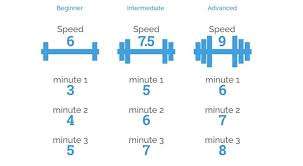
For those who enjoy structured plans, celebrity trainers often recommend 3-stage intervals: 10 minutes of short sprints, 10 minutes of moderate intervals, and 10 minutes of longer efforts.
Always include a 5-minute warm-up and cool-down. The beauty of cardio intervals is that they can be customized endlessly.
Whether you prefer running, cycling, or bodyweight exercises, intervals inject variety and intensity that spark fat loss and improve conditioning.

FAQs on Cardio Intervals for Burning Body Fat:
This FAQ is all about understanding how cardio intervals really help with fat burning—beyond the usual “go fast, then slow down” advice.
We’re diving into the small, confusing, and surprisingly human questions that pop up during interval workouts.
If you’ve ever wondered whether you’re doing it right (or if it’s even working), this is for you.
Q-1: Why do short bursts of intense cardio feel more effective than longer steady workouts, even when they’re shorter?
A-1: Because intensity changes everything. When you push your body hard in short bursts, it demands more energy quickly. This spikes your heart rate and forces your body to tap into stored energy, including fat.
Plus, after the workout, your body continues burning calories to recover—this is often called the “afterburn effect.”
So even though the workout is shorter, the impact lasts longer. It’s like lighting a small but powerful fire instead of a slow, steady flame.
Q-2: Can walking fast for 30 seconds and then slowing down really make a difference, or is it too simple to work?
A-2: It absolutely works—and that’s the beauty of it. Interval training doesn’t require fancy equipment or extreme effort.
Even small changes in pace create a contrast that challenges your body.
That shift from fast to slow forces your system to adapt, improving both fat burning and cardiovascular fitness.
The key is consistency, not complexity. Simple intervals done regularly can outperform complicated routines done occasionally.
Q-3: Why do I feel more tired after intervals than after a longer cardio session?
A-3: Because intervals push you closer to your limits. During high-intensity bursts, your body uses more energy in less time, which leads to quicker fatigue.
You’re not just working your muscles—you’re challenging your heart, lungs, and nervous system all at once. It is a full-body effort packed into short periods. That’s why it feels tougher, even if the workout is shorter overall.
Q-4: Is it possible that resting during intervals actually helps me burn more fat?
A-4: Yes, and it sounds counterintuitive at first. Those rest periods allow your body to recover just enough to push hard again in the next round.
Without rest, your intensity would drop, and the workout would become less effective.
Think of rest as a reset button—it prepares you to give maximum effort again. And it is that repeated high effort that boosts fat burning.
Q-5: Why do I sometimes feel hungrier after interval training compared to regular cardio?
A-5: Interval training burns a lot of energy quickly, which can increase your appetite afterward. Your body is trying to refuel and recover. However, this doesn’t mean you’ve undone your progress.
The trick is to respond with balanced nutrition—especially protein and fiber—rather than overeating random snacks. Hunger after a good workout is normal; how you handle it makes the difference.
Q-6: Can doing intervals without sweating much still help with fat loss?
A-6: Yes, because sweat isn’t the main indicator of effectiveness. Some people sweat more than others due to genetics, environment, or hydration levels.
What matters is your effort level and heart rate, not how drenched you are. If your intervals feel challenging and your breathing increases, you’re doing it right—even if you’re not dripping in sweat.
Q-7: Why do my legs feel stronger but my weight doesn’t change much after starting interval training?
A-7: Interval training improves muscle strength and endurance, especially in your legs. At the same time, your body may be losing fat and gaining lean muscle.
Since muscle is denser than fat, the scale might not show a big change right away.
But your body composition is improving. You might notice better stamina, tighter muscles, and improved energy before the scale reflects it.
Q-8: Is it okay if I enjoy interval workouts one day and dread them the next? Does that affect results?
A-8: Totally normal. High-intensity workouts can be mentally demanding, so it’s natural to have mixed feelings about them. What matters is showing up consistently, even if you’re not always excited.
On days when motivation is low, you can reduce the intensity or duration instead of skipping entirely. Consistency beats perfection every time.
Q-9: Can interval training change how my body burns calories even when I’m not exercising?
A-9: Yes, and this is one of its biggest advantages. Interval training can increase your metabolic rate, meaning your body burns more calories even at rest.
Over time, it also improves how efficiently your body uses energy. Instead of quickly storing excess calories as fat, your body becomes better at using them for fuel. It’s like upgrading your internal engine to run more efficiently throughout the day.
What We Learnt So Far!
Cardio intervals offer one of the fastest, most efficient ways to burn fat, especially for those short on time.
Through a combination of higher calorie burn, enhanced fat metabolism by reducing stress levels, afterburn effects, and hormonal shifts, interval training targets fat loss from multiple angles.
It also reduces dangerous visceral fat, improves metabolic health, and creates long-lasting change.
When done with proper progression and form, cardio intervals are accessible to all fitness levels. Whether you are doing Tabata in your living room or sprint intervals on a track, the science is clear: intervals work.
They help you burn more fat, preserve muscle, and improve endurance—all in less time. If you want your workouts to pack a fat-burning punch, interval training is your go-to method.
Start small, stay consistent, and let the results speak for themselves.
References: