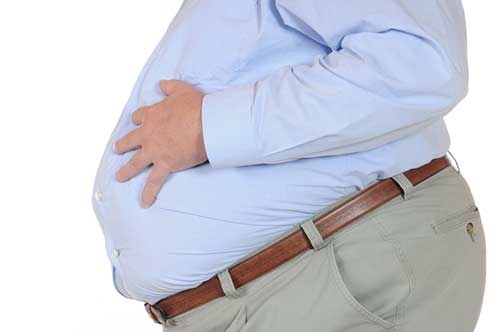
In the United States, obesity has become a pandemic of sorts. About 33.1% adults in USA are categorized obese (as per the CDC data of 2024). On the other hand, NHANES report claims that 40.3% people aged 21 years and above are obese in USA.
According to the CDC PLACES data, Hinds county has an obesity rate of 44% (with special regards to the adult population).
If you’ve ever wondered why is obesity so high in Hinds County Jackson Mississippi then, you have come to the right page.
So, what are the main reasons that are driving obesity rates in this county???
Well, lack of physcial activity, easy access to fast foods, scarcity of nutritious foods, limited healcare facilities, poverty and food insecurity are the main factors.
In order to control obesity rates and encourage healthy living, you first need to understand the root cause behind this rising menace.
In this article, LeanAndFit.info sshall reveal the real reasosn why Hinds County has one of the highest obesity rates in USA. We shall not be discussing the steps to control obesity in this article. This aspect shall be discussed in another article. The link of that article is shared at the bottom of the page (feel free to go through it).
Article Index
- A Quick Look at the Obesity Menace
- How does Social and Economic Challenges in Hinds County Contribute to Obesity
- How Food Deserts Cause Obesity in Hinds County, Jackson?
- How Lack of Physical Activity Cause Obesity in Hinds County?
- Why is Education and Lack of Health Awareness a Contributing Factor?
- How Gaps in Healthcare in Hinds County cause Obesity?
- How does the Diet and Culture in Hinds County Impact Obesity Levels?
- Why Stress causes Obesity in Hinds County?
- What is the Role of Environmental and Infrastructure Limitations?
- How do Government Policies and Community Initiatives add to this Contribution?
- What is the Health Impact of Obesity on the Residents of Hinds County?
- FAQS
- Key Takeaway
A Quick Look at the Obesity Menace Surrounding Hinds County
As per Data Commons report, 46.3% adults in Hinds Countycan be placed under the obese category. Jackson is one of the most affected place. One of the reasosn is lack of nutritious food or wellness sources, as 22.7% population here lives below the poverty line.
As a result, a lot of obese individuals suffer from ailments such as hypertension, type 2 diabetes, chronic depression and heart diseases. Disparities in public healthcare and lack of physical activities are to be blamed for rising obesity in this area.
Moroever, dependency on fast or ready-to-cook meals accelerates this issue. With over 212,000 people living in Hinds County (U.S Census bureau), the adverse impact of obesity cannot be ignored.
Key Takeaway: With a population of 212,000, Hinds County needs to work on physcial inactivity, poor healthcare facilities, unhealthy habits and improve the socialeconomic conditions of its residents in order to control obesity.
How does Social and Economic Challenges in Hinds County Contribute to Obesity?
>>> High Poverty Rate: The poverty rate in Hinds County is about 22.7%. The report generated by U.S. Census Bureau’s 2024 American Community Survey (ACS) clearly states that 47,600 people in Hinds county are living below the poverty line. So, access to preventive healthcare, nutritious food and safe physical activity is very hard to obtain.
>>> Lower Income: As per the U.S. Census Bureau’s 2020–2024 report, the median household income in Hinds County is $49,402. Living a healthy life in $4000 a month for an entire family is an almost impossible task. You hardly have any disposable income to invest in your health.
>>> Sedentary Lifestyle is a Preferred Choice: The County Health Data clearly reveals that in Hinds County 35% adults prefer to avoid indulging in any sort of physical activity. As per the Census Reporter’s ACS 2024 data, it was found that only 24% workers commuted to work using cycles or public transport. So, 76% displayed absence of physical movement to reach the office. They ususally drove alone to work.
>>> Preventive Obesity Care is Lacking: The main reason why obesity treatment is not commonly used in Hinds County is owing to lack of medical insurance coverage. As per U.S. Census Bureau Quick facts, 12.9% adults who fell under the 65 year old category lacked health insurance. So, how they hope to get themselves treated for obesity???
Key Takeaway: Obesity has become a community levels issue in Hinds County because of the mounting socioeconomic pressures (that have been listed above).
How Food Deserts Cause Obesity in Hinds County, Jackson?
>>> Food Insecurity: In the year 2023, the Feeding America’s Map the Meal Gap reported that 18.9% of residents in Hinds County faced food insecurity. This amounts to 42,130 people. The report also stated that the shortfall in the annual food budget stood at a whooping $29.95 million.
>>> Scarcity of Nutritious Food: There are a lot of of reasons for this. Some of these include lack of personal transport, long distance from supermarkets, low household income and easy access to fast food. These reasons have also been confirmed by the USDA’s Food Access Research Atlas.
>>> Food Desert Localities: People who live in food deserts in Mississippi were 23.4% less inclined to consume at least 5 servings of fresh vegetables or fruits. This has been backed by USDA’s research on Mississippi.
>>> Large Influx of Convenience Stores: There are a lot of convenience stores in Mississippi. These stores have 70% less healthy food items (as per CDC data). The healthy foods hat they do serve are usually priced upti 95% higher than convenience foods. So, people often opt for junk food in order to save money. This leads to unhealthy weight gain.
Key Takeaway: The high cost of healthy food items, poor transportation facilities, non-availability of nutritious foods and high dependency on convenience stores make it almost impossible for most people to eat healthy meals.
How Lack of Physical Activity Cause Obesity in Hinds County?
>>> Lack of Exercise: In Mississippi, more than 35% adults prefer avoiding outdoor activities or indulging in daily physical activities. Lack of exercise implies less calorie burning, which in turn leads to weight gain. This fact has been confirmed by the CDC PLACES data.
>>> Driving Alone to Work: It has also been reported that 76% employees prefer driving alone to work. This again limits physical activity, thereby compelling you to gain weight.
>>> Lack of Recreation Facilities: According to County Health Rankings, there are fewer sidewalks, paths, walking trails and parks in Hinds County. The end result is less physical activity as the stimulus for exercising is missing.
>>> Diseases are on the Rise: Owing to the rise in obesity, Hinds County residents face numerous health ailments. All these are related to the extra body weight that they carry. Some of the most common ones are Type 2 diabetes, hypertension, cardiovascular complications and premature death.
>>> Increase in Screen Time: People in Hinds County are spending most of their spare time daily watching reels on cellphones or soaps on the television. Weight gain is worsened when increased screen time leaves little or no time for physical activity.
Key Takeaway: Lack of outdoor activities, dependency on vehicles for transportation and increased screen time are the major reasons why residents of this county are highly overweight.
Why is Education and Lack of Health Awareness a Contributing Factor?
>>> Lack of Higher Education: Only 31.2% of residents of Hinds County have a bachelor’s degree. In fact, as per the U.S. Census Bureau, only 88.7% have completed their high school education. Lack of complete education compels people to overlook obesity as a serious issue.
>>> Lack of Health Assessment Understanding: People here are usually unable to read nutrition labels or understand the importance of balancing daily calories. They have no knowledge of portion control. All this leads to overeating and unhealthy weight gain.
>>> Lack of Awareness: CDC data states that your current employment status has a lot to do with your physical appearance and education levels. Both these are poor in Hinds County. No wonder the obesity menace is increasing with each passing day.
>>> Lack of Healthy Behavior: In Hinds County, people rarely think healthily. They avoid physical activity and ignore weight management practices. Lack of early screening tends to jeopardize the ‘healthy weight balance in individuals’, thereby increasing obesity rates at a dramatic pace.
>>> Lack of Community Education: There is less discussion on improving physical activity levels in schools, colleges and workplaces. Even healthcare providers often ignore this issue, thereby allowing obesity to increase rampantly.
Key Takeaway: There is lack of preventive awareness in Hinds County. Health literacy is also missing from most educational institutes.
How Gaps in Healthcare in Hinds County cause Obesity?
>>> Lack of Health Insurance: Managing weight-related issues in Hinds County is expensive. This is because 12.9% of residents aged 65 years and less do not have health insurance cover to cover the expenses.
>>> Delayed Screening: People here rarely visit primary healthcare. Owing to this, early screening of obesity is impossible. This in turn leads to the development of chronic ailments such as diabetes, cardiovascular issues and hypertension.
>>> The Price Factor: Leading a healthy life, eating healthy food, exercising regularly and consulting doctors regularly is not easy for residents living in Hinds County. This is because more than 22% of the population here is living below the poverty line.
>>> Continuous Care is Impossible: In Hinds County, there are disparities in transportation, healthcare facilities and affordability. Even providers are in limited numbers. Most people do not have insurance cover. So, availing healthcare facilities in a seamless manner is very difficult.
>>> Lack of Community Support: Affordable weight management services are missing in Hinds County. Nutritional counseling is also not easily available. There is hardly anyone to teach you the importance of daily physical activity. So, you are bound to gain weight without even knowing that it is a serious health issue.
Key Takeaway: As the healthcare system is not meant for obesity control, early screening is impossible
How does the Diet and Culture in Hinds County Impact Obesity Levels?
>>> Unhealthy Food Tradition: In Hinds County, it is customary to consume meals that are laden with oil, unhealthy fats and preservatives. Fried and processed foods backed with high portion sizes are one of the leading causes behind the rise in obesity levels.
>>> Gatherings Focus on Food: Over here, social gatherings are mainly focused on food. Community events and celebrations start and end with food. So, you tend to overeat without even realizing what the extra food has done to your belly size.
>>> Lack of Portion Control: In social gatherings, it is considered customary to consume large king-size portions. This excessive calorie consumption is the root cause behind unwanted weight gain.
>>> Disparity in Health Awareness Levels: In Hinds County, there is a distinct disparity in household income, education levels and insurance cover. These disparities are driven by race and economic disposition.
Key Takeaway: It is not culture alone that is to be blamed for rising obesity rates in Hinds County. You have to blame the existing belief system on health, social norms and reduced activity levels.
Why Stress causes Obesity in Hinds County?
>>> High Stress Levels: In Hinds County, unemployment and low pay scales often place a lot of stress on the residents. When combined with neighborhood pressures, they lead to overeating. This leads to weight gain.
>>> Craving for Fast Foods: Stress often forces you to eat foods that are laden with sugar and oil. When you consume comfort foods, your physical activity levels automatically reduce.
>>> Prolonged Mental Health Days: Mental distress in Hinds County implies that you are experiencing more than 14 mental health days in a month. So, the psychological burden on any individual facing chronic stress is unusually high. The only outlet is – fast foods and high calorie foods.
>>> The Uncanny Connection: When you are obese, you tend to become physically inactive as you are mentally stressed. You also tend to take less care of yourself.
>>> Lack of Mental Healthcare: As many residents in Hinds County do not have insurance, they cannot access mental healthcare services so easily. Owing to the extra expenses that most cannot afford, treatment for mental health is amiss. This leads to overeating and overeating leads to weight gain. The vicious cycle continues to ruin your health further.
>>> Lack of Community Support: Because of the lack of healthcare services, insurance cover, limited outdoor activities and dependency on vehicles, the problem of being overweight in this county continues to rise.
Key Takeaway: When you have poor mental health, you encourage an unhealthy lifestyle. This includes unhealthy eating, lack of physical exercise and negative thought process. The end result is more weight added to your waist.
What is the Role of Environmental and Infrastructure Limitations?
>>> Long Distance from Parks: The average distance one has to commute to reach a park in Hinds County is more than 0.5 miles. As per the CDC Environmental Public Health Tracking Network, only 62% of individuals in this county stay just half a mile away from a local park. This limits physical activity levels.
>>> Poor Walking Infrastructure: Sidewalks, walking lanes, unsafe crossings and lack of optimal streetlights prohibit residents from walking towards their destination. They even avoid cycling as it is unsafe to do so.
>>> High Dependency on Motor Vehicles: As per the U.S. Census Bureau, on an average an individual travels for 22 minutes to reach his/her destination. So, you simply cannot walk it every day. You need to drive and this reduces physical activity levels.
>>> Poor Infrastructure: Lack of adequate walking and bicycle trails reduce physical activity levels. The local transportation too needs to level up in order to encourage residents to make use of it.
Key Takeaway: The lack of a pedestrian-friendly environment is a breeding ground for obesity in Hinds County.
How do Government Policies and Community Initiatives add to this Contribution?
>>> Lack of Government Support: The lack of pedestrian-friendly infrastructure is owing to the lack of government support. As per the County Health Rankings, lack of neighborhood investments in developing a physically active infrastructure is forcing Hinds County citizens to become obese.
>>> Poor Food Policies: There are very limited options when it comes to buying healthy food in this county. All this is owing to poor food policies adopted by the government.
>>> Lack of Funding: Places for recreation, public parks, walking trails and cycling trails are not easily accessible here. This is owing to the lack of administrative support.
>>> Lack of Preventive Measures: While preventive programs do exist in Hinds County, they are not popular amongst the masses. So, obesity lacks a proper channel for treatment. Schools, offices and places of worship fail to address the obesity menace. The end result – people continue to grow overweight.
Key Takeaway: Government policies in Hinds County are not specifically designed for keeping its residents healthy.
What is the Health Impact of Obesity on the Residents of Hinds County?
>>> Obesity is Wearing Down the County: As per the June 2026 CDC PLACES data, 44% of adults in Hinds County fall under the ‘obese’ category. This has terrible consequences as diseases related to obesity rise dramatically. The burden on healthcare infrastructure is doubled.
>>> Rise in Kidney Ailments: Obese individuals suffer from kidney damage. As per the Mississippi State Department of Health, out of all the residents aged 65 years and above, 22.5% were diagnosed with chronic kidney disease.
>>> Rise in Diabetes: As per the Health Risk Index of Hinds County, 17% of the adult population were diagnosed with diabetes. Most of them were in critical condition.
>>> Obesity Related Cardiovascular Diseases: Most obese individuals in Hinds County have high cholesterol levels. As per the latest medical records, 7% of adults in this area have coronary heart disease.
>>> Hypertension Touching the Skies: 63.5% of senior citizens aged 65 years and above suffer from hypertension in Hinds County. Mississippi’s Healthy Aging data confirms this fact.
>>> Premature Death: Besides reducing your quality of life, obesity causes chronic ailments (we have already discussed some of these above). The aftermath of these chronic ailments is premature deaths.
Key Takeaway: Diseases of various types — diabetes, kidney failure, heart attacks, joint pain, stress, liver ailments etc. tend to increase when you suffer from obesity.
Frequently Asked Questions:
Q-1. Could Jackson’s daily driving culture be quietly adding more obesity risk than residents realize?
A-1: Yes, the ‘driving to anywhere and everywhere’ culture is the root cause behind obesity. It stops your urge to walk down a local shop to buy daily utilities. When you exercise less, you burn fewer calories. The end result is ‘unwanted’ weight gain.
Q-2: Why might two Hinds County neighborhoods have completely different obesity risks even when residents have similar eating habits?
A-2: The local infrastructure (which includes parks, walking path, trails, cycling paths and even streetlights) directly determines the physical activity levels in a county. So, differences in obesity rates between two neighborhoods within the same county are quite common.
Q-3: Could the cost of maintaining a healthy lifestyle be contributing to Hinds County’s obesity problem more than the cost of food itself?
A-3: Lack of economic stability in Hinds County is one of the main reasons behind the growing obesity figures. If daily supplies are hard to get, how would you afford expensive healthcare, recreation facilities, transportation and nutritional consultations to combat rising obesity?
Q-4: Is Hinds County’s obesity problem partly being created by an “activity gap” between work, transportation, and home?
A-4: Yes, this is very much true. Several research studies have found that the lack of physical activity in a neighborhood is determined by its environment and infrastructural development. This creates an ‘activity gap’ that often leads to obesity.
Q-5: Why does solving obesity in Hinds County require changing the environment around people—not simply telling them to eat less and exercise more?
A-5: Sound economic conditions, safety, recreational areas, sound transportation and a healthy environment determine obesity levels. With almost 38% of residents living more than half a mile away from a public park, how can you expect them to remain physically active?
Conclusion
Obesity in Hinds County, Jackson, Mississippi is caused by socioeconomics, lack of healthy food and exercise, healthcare, and education gaps.
Obesity is caused by multiple factors and make addressing it difficult. Fortunately, addressing these factors can reverse the obesity trends.
Improving all these factors can bring about better health for all.
Addressing all of these factors together can change Hinds County from an unhealthy county to a healthy county.
We can improve Hinds County’s health if we address the issues in the right way.
Recommended:
- https://leanandfit.info/why-obesity-rates-are-so-high-in-jackson-mississippi/
- https://leanandfit.info/causes-of-high-obesity-rates-in-madison-county-mississippi/
- https://www.researchgate.net/publication/388443220_Obesity_Prevalence_and_Trend_Among_Mississippi_High-School_Students_Youth_Risk_Behavior_Surveillance_System_YRBSS_2001-2021
- why trust us?
- for educational purpose only