If you wish to learn How Processed Foods Contribute to Weight Gain then, this guide shall solve all your queries.
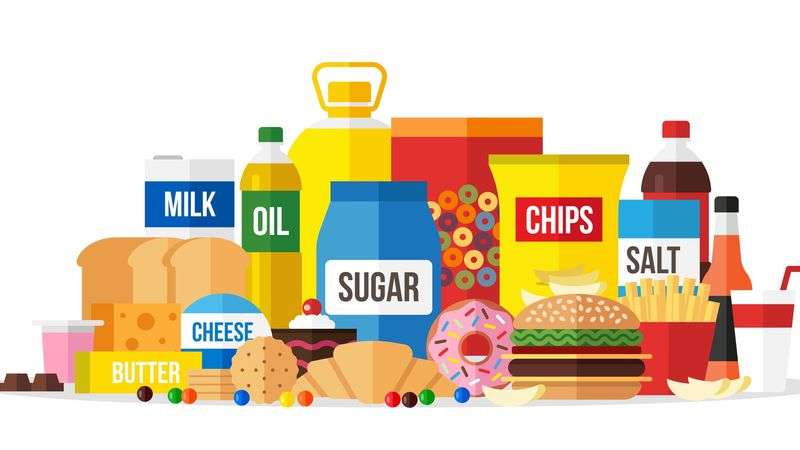
Vizualize this: Walk into any grocery store and you’ll see aisles lined with convenience: brightly packaged snacks, ready-to-eat meals, and sugary breakfast cereals.
These are the poster children of processed and ultra-processed foods. While they save time and tickle the taste buds, they come at a cost—especially to your waistline.
Over the last few decades, global obesity rates have skyrocketed in tandem with increased consumption of processed foods. But why exactly do these foods lead to weight gain?
Let LeanAndFit research team break it down through eight critical factors that connect processed foods with unwanted pounds.
Points Covered in this Article
- Processed Foods and Calorie Consumption
- Ultra-Processed Foods and Obesity Risk
- Processed Foods and Insulin Resistance
- Processed Foods and Metabolic Health
- Processed Foods and Satiety Signals
- Processed Foods and Brain Chemistry
- Processed Foods and Abdominal Fat
- Processed Foods and Weight Management
- FAQs on Processed Foods & Weight Gain
- Conclusion
Processed Foods and Calorie Consumption
One of the most direct ways processed foods contribute to weight gain is through sheer calorie overload.
These foods are often engineered to be hyper-palatable—meaning they are designed to hit the “bliss point” of salt, sugar, and fat.
According to a clinical trial published in Cell Metabolism, individuals who ate ultra-processed diets consumed roughly 500 more calories per day compared to those on unprocessed diets.
This calorie surplus occurred without the participants realizing they were eating more, suggesting that processed foods can override our body’s natural fullness cues.
Additionally, processed foods are typically energy-dense and low in fiber, meaning it takes less volume to reach a high calorie count.
You might feel like you are not eating much, but your daily intake could easily surpass your energy needs, setting the stage for gradual weight gain.
Ultra-Processed Foods and Obesity Risk
The association between ultra-processed food intake and obesity is strong and consistent across numerous studies.
According to a review in the Journal of Obesity & Metabolic Syndrome, individuals who regularly consume ultra-processed foods are at a significantly higher risk of being overweight or obese.
These foods are often stripped of essential nutrients and loaded with refined sugars, seed oils, and chemical additives—all of which interfere with normal metabolic regulation.
Furthermore, people with high UPF consumption tend to have lower diet quality overall.
They consume fewer whole fruits, vegetables, lean proteins, and whole grains—foods that support healthy weight and metabolism.
So, the problem is not just what UPFs add, but also what they replace in the diet.
Processed Foods and Insulin Resistance
Processed foods are often high in refined carbohydrates and added sugars, both of which cause rapid spikes in blood glucose levels.
This triggers the pancreas to release large amounts of insulin to shuttle sugar into cells. Over time, repeated insulin surges can lead to insulin resistance causing weight gain—a state where cells stop responding efficiently to insulin, forcing the body to produce even more.
Insulin is also a fat-storing hormone. When levels remain elevated due to constant consumption of sugary processed foods, the body stays in fat-storage mode.
A study from the Harvard T.H. Chan School of Public Health notes that diets high in processed carbs increase the risk of developing type 2 diabetes, which is closely linked to obesity and metabolic dysfunction.
Processed Foods and Metabolic Health
Beyond weight gain, processed foods negatively impact overall metabolic health.
According to the NOVA food classification system and data from the National Institutes of Health, diets rich in ultra-processed foods are associated with a higher risk of metabolic syndrome—a group of conditions including high blood pressure, abnormal cholesterol levels, and increased waist circumference.
This happens because these foods tend to be high in sodium, unhealthy fats (like trans fats), and artificial preservatives, all of which promote systemic inflammation and depression.
Chronic inflammation, in turn, interferes with normal metabolic processes and may encourage fat storage, particularly around the belly.
Processed Foods and Satiety Signals
Ever wonder why you can eat an entire bag of chips and still feel hungry?
Processed foods are masters at bypassing the body’s natural satiety mechanisms. One reason is that they often lack fiber and protein—two nutrients crucial for signaling fullness.
Instead, they are loaded with quickly digestible carbs that flood the bloodstream and vanish almost as quickly, leaving you craving more.
Research published in the American Journal of Clinical Nutrition shows that fiber and protein increase the release of satiety hormones like peptide YY and GLP-1.
In contrast, processed foods delay or dampen these signals. The soft, uniform texture of many UPFs also reduces chewing time, and less chewing has been linked to reduced satiety and increased energy intake, as noted by studies in Appetite and Diabetes, Obesity and Metabolism.
Processed Foods and Brain Chemistry
Processed foods do not just influence your gut—they hijack your brain too.
Many are specifically engineered to stimulate the brain’s reward system, activating neural pathways in ways that closely mimic the effects of addictive substances like nicotine or opioids. This is not just poetic comparison—it is neurological reality.
Take sugar, for instance. It stimulates the release of dopamine in the brain’s mesolimbic pathway, a region associated with pleasure and reward.
This temporary “feel-good” high creates a cycle of craving and consumption, pushing people to eat not out of hunger, but for emotional gratification or stress relief.
A 2023 study published in The Journal of Clinical Endocrinology & Metabolism revealed that even brief exposure to a high-calorie, ultra-processed food (UPF) diet altered insulin sensitivity in the brain.
This disrupted how the brain learned from reward feedback—essentially rewiring it to favor immediate gratification over long-term regulation.
Additionally, processed foods often combine fat, sugar, and salt in precise ratios that rarely occur in nature—a phenomenon called “hyperpalatability.” This artificial stimulation overrides natural satiety cues, encouraging compulsive eating.
So, opt for low calorie lunch ideas to ensure that you maintain healthy weight.
In the long run, these changes in brain chemistry make it harder to regulate appetite, resist cravings, and maintain a healthy weight.
The brain, once a helpful ally in hunger regulation, becomes a co-conspirator in overeating.
Processed Foods and Abdominal Fat
Abdominal or visceral fat is particularly dangerous because it wraps around internal organs and is linked to higher risks of heart disease, type 2 diabetes, and certain cancers.
Processed foods—especially those rich in trans fats, fructose, and refined carbohydrates—are known to promote abdominal fat accumulation.
According to the Mayo Clinic, trans fats increase inflammation and impair the body’s ability to regulate fat storage, encouraging fat to accumulate centrally rather than peripherally.
A study from the Journal of Nutrition also shows that high fructose intake, common in soft drinks and sweetened snacks, is directly associated with greater belly fat in both adults and children.
Processed Foods and Weight Management
Successful weight management is about more than just counting calories—it is about hormone balance, hunger regulation, and nutrient density.
Unfortunately, processed foods work against all three. Their nutritional emptiness means you have to eat more to feel satisfied, yet your body gets fewer essential nutrients to function optimally.
Moreover, they often lack the “bulk” that slows digestion, so you feel hungry again sooner. Long-term reliance on these foods can disrupt metabolic homeostasis and make sustained weight loss difficult, even when calorie intake is reduced.
Swapping processed items for whole, nutrient-rich foods like legumes, vegetables, and lean meats improves satiety, increases thermogenesis, and supports long-term weight control.
FAQs on Processed Foods & Weight Gain
This FAQ is all about uncovering how processed foods quietly sneak their way into weight gain without you even realizing it.
We’re going beyond the usual “junk food is bad” advice and exploring the real-life patterns behind it.
If you’ve ever wondered why certain foods make it harder to stay on track, this is for you.
Q-1: Why do processed foods make me feel full quickly but hungry again so soon?
A-1: Because most processed foods are designed to be easy to eat and quick to digest. They often lack fiber and protein, which are key for keeping you full.
So while you may feel temporarily satisfied, your body doesn’t stay fueled for long. This leads to a cycle of eating, feeling full briefly, and then getting hungry again.
It is not a willpower issue—it is how these foods are built.
Q-2: Can the “perfect taste” of processed foods actually make me eat more than I need?
A-2: Yes, and that’s very intentional. Processed foods are engineered to hit the perfect balance of salt, sugar, and fat—often called the “bliss point.”
This combination makes them highly enjoyable and hard to stop eating. Your brain gets a strong reward signal, encouraging you to keep going even when you’re no longer hungry.
It is not just tasty—it’s strategically irresistible.
Q-3: Why do I keep craving processed snacks even after deciding to eat healthy?
A-3: Processed foods can create habit loops in your brain. When you eat them regularly, your brain starts associating them with comfort and reward.
Even if you decide to eat healthy, those old patterns don’t disappear instantly.
Cravings are often your brain asking for a familiar reward, not your body needing energy. Over time, reducing these foods helps break the cycle.
Q-4: Is it possible that processed foods confuse my hunger signals?
A-4: Absolutely. Because they digest quickly and don’t provide balanced nutrition, your body may not get clear signals about fullness. You might eat more than needed because your brain isn’t receiving strong satiety cues.
Whole foods, on the other hand, provide more consistent feedback to your body, making it easier to know when you’ve had enough.
Q-5: Why do I eat faster when I’m having processed food compared to home-cooked meals?
A-5: Processed foods are often softer, easier to chew, and require less effort to eat. This means you consume them quickly, sometimes before your brain has time to register fullness.
Eating fast can lead to overeating because your body needs time—about 15–20 minutes—to signal that you’re satisfied. Slower, more mindful eating naturally reduces intake.
Q-6: Can processed foods make me eat even when I’m not actually hungry?
A-6: Yes, and this is one of their biggest effects. Because they’re highly palatable, they trigger “wanting” rather than “needing.”
You might not be physically hungry, but the taste, smell, or even packaging can make you want to eat. This disconnect between hunger and eating can lead to extra calorie intake over time.
Q-7: Why do I feel low energy after eating processed foods, even though they’re high in calories?
A-7: Because not all calories are equal in how they affect your body. Processed foods often cause quick spikes in blood sugar, followed by rapid drops.
This can leave you feeling tired and sluggish. Even though you’ve consumed energy, it’s not sustained. This cycle can also trigger more cravings, leading to repeated eating.
Q-8: Can the convenience of processed foods silently increase how much I eat in a day?
A-8: Definitely. When food is quick, ready-to-eat, and always available, it lowers the effort needed to eat.
This makes it easier to snack frequently without thinking. Over time, these extra bites and meals add up.
Convenience removes natural pauses that might otherwise help you regulate your intake.
Q-9: Why do portion sizes feel harder to control with processed foods?
A-9: Because they’re often packaged in ways that encourage overeating—large portions, shareable packs, or “value sizes.” Plus, their taste makes it easy to keep going.
Unlike whole foods, which can feel filling and satisfying, processed foods don’t always trigger a strong “stop” signal. This makes portion control more challenging without conscious effort.
Q-10: Can reducing processed foods really make weight management feel easier, not harder?
A-10: Yes, and this is the surprising part. When you replace processed foods with whole, balanced meals, your hunger becomes more predictable and manageable.
You feel fuller for longer, experience fewer cravings, and naturally eat less without strict rules. Weight management starts to feel less like a constant struggle and more like a steady routine.
Bottom Line:In the end, processed foods don’t just add calories—they change how you eat, how you feel, and how your body responds to hunger. The goal isn’t to eliminate them completely but to become aware of their effects.
When you make more intentional choices, even small changes can lead to lasting results. It is not about perfection—it is about understanding what works best for your body.
Takeaway
Processed foods have woven themselves into the fabric of modern eating habits, but the science is clear: they are a major driver of weight gain.
What makes them so problematic?
For starters, they are often calorie-dense and nutrient-poor, packed with added sugars, refined grains, unhealthy fats, and artificial additives.
These combinations don’t just tempt your taste buds—they hijack your satiety cues.
Research from the National Institutes of Health found that people on ultra-processed diets consumed about 500 more calories per day than those on unprocessed diets, despite being offered the same quantity of food.
These foods bypass natural digestive feedback mechanisms, leading to overeating before your body realizes it’s full.
Additionally, processed foods disrupt hormonal signals such as leptin and ghrelin, which regulate hunger and fullness.
They can also manipulate dopamine pathways in the brain, creating addictive eating patterns similar to drug dependency.
But perhaps most insidious is how these foods rewire our metabolic machinery. Regular consumption of processed items may contribute to insulin resistance, systemic inflammation, and altered gut microbiota—each a proven contributor to weight gain and obesity.
If you are looking to maintain a healthy weight, understanding what you eat—and how it is made—is half the battle.
Avoiding ultra-processed foods and embracing whole, nutrient-rich options may require label-reading and meal prep, but the long-term benefits are well worth the effort.
Better energy, metabolic stability, and sustainable weight management await those who break free from the processed food trap.
References: