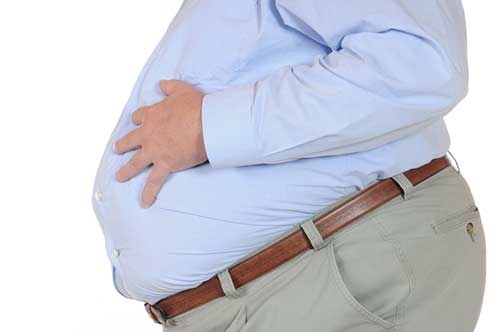
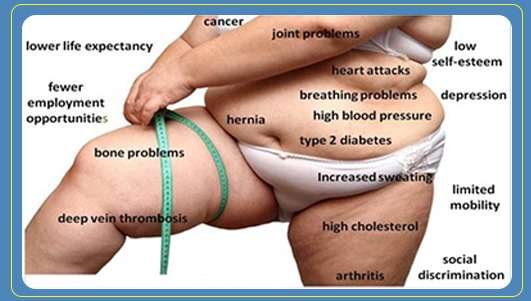
The obesity epidemic in Madison County, Mississippi, is determined not only by the individuals’ behavior but also by various environmental, economic, cultural, and behavioral factors associated with people’s lifestyles.
In comparison to the state’s average, Madison County is characterized by a significantly high obesity rate, which requires further investigation.
Hence, the article suggests several factors associated with the county’s environment, social behaviors, and economic status that contribute to obesity.
Overall, the article by leanandfit.info provides a detailed description of the contributing factors to the county’s obesity epidemic.
You basically end up learning all the causes of high obesity rates in Madison County, Mississippi.
Index
- Socioeconomic Disparities and Income Inequality
- Limited Access to Healthy Food Options
- High Consumption of Processed and Calorie-Dense Diets
- Sedentary Lifestyles and Lack of Physical Activity
- Cultural Preferences and Culinary Traditions
- Educational Attainment and Health Literacy Levels
- Racial and Ethnic Disparities
- Built Environment and Accessibility to Parks/Exercise Areas
- Healthcare Access and Preventive Care Services
- Psychological Factors and Behavioral Patterns
- FAQs
- State-Wide Obesity Trends
Socioeconomic Disparities and Income Inequality
One of the most common social determinants of obesity in Madison County, Mississippi is the growing gap between different income groups, despite the county being reasonably prosperous by state standards.
Although the median income for a household in this county is higher than the state’s median, almost 11–13% of residents have incomes below the poverty line, which significantly impacts their living standards.
This situation can be linked to the economic social determinants of obesity in Mississippi, since it is the relative lack of money that causes people to make unhealthy choices. When a person or a family cannot afford to buy healthy food, they are much more likely to eat highly processed foods, since they are usually cheaper than fruits, vegetables, or lean meats.
According to the health indicators in the county provided by the Mississippi State Department of Health, this fact is reflected in the local adult population’s weight. With more than 35% of all adults classified as overweight or obese, it is reasonable to make a connection between low income and poor dietary habits.
Not only does the lack of money cause people to buy cheaper, unhealthy food, but it also raises stress levels, which increases the risk of obesity. People who have to work overtime feel constantly stressed about making ends meet, which raises levels of adrenaline and cortisol in the blood, which can lead to weight gain. Moreover, the work schedule in Madison County often forces people to commute to other cities and counties, such as Jackson. In combination with financial stress, this prevents them from eating healthy food and exercising regularly.
Ultimately, the economic social determinants of obesity have a noticeable impact on the local adult population. The lower someone’s income is, the higher the risks of developing obesity are due to both unhealthy dietary habits and an increased level of stress.
Limited Access to Healthy Food Options
Not all regions of Madison County, Mississippi can provide the best food options for the local population, and this issue significantly affects the eating habits of the citizens.
For example, some of the semi-rural areas of Mississippi have limited access to food sources and are considered food deserts and obesity in Mississippi rural areas explained.
The United States Department of Agriculture has data that proves how many citizens of Mississippi have to live with the absence of full-scale grocery stores within walking distance.
As a result, the most popular restaurants and takeaways are full of fatty and caloric food that a person consumes several times a week.
This leads to overeating and being overweight.
Even though some of the best food options in Mississippi are located in the neighboring cities, they are unavailable to the local population because of the lack of transportation and the high cost of travel.
Thus, the citizens of Madison County, Mississippi have a limited amount of healthy eating options and prefer fast food restaurants as their regular places to eat.
High Consumption of Processed and Calorie-Dense Diets
Dietary patterns in Madison county, Mississippi are mostly based on processed and calorie-dense foods, which is deeply rooted in the culture and leads to obesity in Mississippi USA
The most common foods include fried chicken, sugar-sweetened beverages, carbohydrates, and snacks that are widely available in the county.
Fast food restaurants are widespread in the region including Ridgeland, Mississippi and Madison, Mississippi making them easily accessible and affordable.
According to the study from state-specific data sources connected to the Center for Disease Control and Prevention, residents of Mississippi consume more than 30% of their daily intake as sugar-sweetened beverages, among the highest rates in the country.
Moreover, many households report eating fast food as a significant part of their weekly diet, while being highly caloric, unhealthy, and artificially flavored.
Foods that are easy to overeat and do not provide the necessary feeling of fullness contribute to obesity as they lead to excessive calorie consumption on a regular basis.
As a result, people eat more than necessary and consequently gain weight since the consumed amount of calories exceeds the amount of calories burned.
Sedentary Lifestyles and Lack of Physical Activity
Modern-day society often consists of individuals sitting at a desk for a majority of their day. This, along with the lack of exercise, is a large contributor to obesity among counties in Mississippi
Many residents drive back and forth between Madison County and Jackson where they begin their career in a sedentary profession.
As stated by figures reported by the county linked to the Centers for Disease Control and Prevention, almost thirty percent of adults within this area do not engage in any leisure-time physical activity.
Although places such as Liberty Park and Old Trace Park are available, some residents do not have the availability to go these places due to the lack of free time on a day-to-day basis.
In addition to a decrease in overall activity level is an increase in time spent on entertainment such as smartphone usage and watching television. With lower levels of activity and higher consumption of calories, there is an imbalance of the former and latter which leads to obesity.
Cultural Preferences and Culinary Traditions
The cultural aspect of food is deeply ingrained in Madison County as traditional southern food is a fundamental part of the local residents’ lives.
Fried chicken, catfish, biscuits and gravy, barbecue ribs, and sweet desserts like pecan pie and banana pudding are some of the most popular dishes in Canton, Mississippi.
Such meals are usually hearty and packed with carbs, fats, and sugar.
The cultural background and traditions of the region are closely intertwined with its people’s diets, which can explain the high obesity rate in Mississippi.
Data provided by the Mississippi State Department of Health shows that over 40% of Mississippi adults are obese, with the state’s diet being one of the contributing factors.
As these traditions are often followed subconsciously, children are likely to consume the same foods their parents and grandparents eat.
Although the rich flavors of traditional southern cuisine bring families together, they also lead to unhealthy overeating and an increased risk of obesity in the local population.
Educational Attainment and Health Literacy Levels
Education plays a significant role in promoting health behaviors within Madison County, Mississippi, and nutritional and fitness-related aspects, in particular.
The lack of knowledge leads to poor understanding of the relationship between health and obesity in Madison County MS, as reflected by the influence of access to healthcare on the state of obesity.
Based on the data from region-specific research linked with the US Census Bureau, approximately 10% – 12% of the county’s adult population does not have high school education, affecting their health literacy.
The inadequate understanding of key nutritional concepts, such as portion control, calorie intake, and the role of sugar in the diet, leads to poor dietary habits.
For instance, the number of people who consume sugar-sweetened beverages in excess is especially notable in Ridgeland, Mississippi, contributing to unnecessary calorie intake per day.
Moreover, the lack of knowledge about food labels and balanced nutrition decreases the ability to maintain a healthy lifestyle and diet.
As a result, nutritional and health education, as well as general awareness, play a significant role in combating obesity within Madison County.
Racial and Ethnic Disparities
The prevalence of obesity among different demographics is different in Madison County, Mississippi. This variation is determined by various factors associated with obesity in Madison County, MS adults.
According to data, compared to many other counties in the state, Madison County is prosperous; nevertheless, there are still vulnerable populations.
According to the census bureau data and its comparison with the state’s data, it is evident that some of the communities have experienced poverty levels reaching above 12% in the state. This high level of poverty affects the type of food people choose and their wellness in general.
Some populations experience discrimination, which affects their economic status, and, therefore, limited access to resources, increasing the likelihood of obesity especially in Canton, Mississippi.
Similarly, as stated by many researchers, the adult population in Mississippi who are older than forty-five years are more likely to be obese than the younger populations. The latter may have more energy and exercise regularly.
These factors, therefore, contribute to the differences in obesity prevalence in the county.
Built Environment and Accessibility to Parks/Exercise Areas
The design of communities can have an effect on the amount of people physically active in Madison County, Mississippi due to inactivity causing obesity in counties of Mississippi.
Much of the developments in the county of Madison, Mississippi as well as the city of Ridgeland, Mississippi are made with cars in mind.
There are less sidewalks and bike paths that promote biking and walking.
According to an article associated with the CDC (centers for disease control), more than 28 percent of Mississipians are physically inactive which shows the relationship between environment and activity level.
While certain neighborhoods have recreational areas such as Old Trace Park, other areas do not.
Due to this, some people are forced into using their cars for short distances instead of walking as much as possible.
This built environment leads to a lack of physical activity which contributes to an increased amount of obesity in the Madison County area.
Healthcare Access and Preventive Care Services
Health care access is both a crucial aspect and a major limitation in terms of obesity prevention and control in Madison County, Mississippi, despite the county’s affluence status.
This fact is directly related to the influence of healthcare access on obesity in Madison County MS.
The number of uninsured citizens is estimated at 8-10 percent of all persons below 65 years old, according to data from the US Census Bureau.
This statistic suggests that many residents do not have appropriate or regular access to healthcare services.
For example, citizens living near Canton, Mississippi, have limited opportunities for visiting Medical Center in Oxford due to the distance and the associated cost.
As a result, the utilization of preventive services such as physician’s advice and weight loss counseling is inadequate, despite their potential benefits for obesity control.
The social stigma associated with weight and weight gain reduces an individual’s ability to openly discuss the problem and adequately address it.
A lack of regular preventive examinations leads to gradual weight gain that is not recognized or combated on time, posing a serious health hazard to the county’s inhabitants.
Psychological Factors and Behavioral Patterns
Mental and emotional causes contribute to obesity in Madison County, Mississippi, as a part of the United States, where stress and emotional eating cause obesity essay.
Stress, anxiety, and depression may have a noticeable impact on the eating and exercise habits of the county’s residents.
Based on information provided by the Centers for Disease Control and Prevention, approximately one-fifth of American adults experience mental health issues, which commonly lead to emotional eating or unhealthy habits.
In the communities of Ridgeland, Mississippi, and Canton, Mississippi, stress due to an individual’s busy schedule and financial problems may cause frequent consumption of unhealthy snacks.
Moreover, emotional eating often occurs at night or when there is no motivation to prepare healthy meals. Combined with a lack of sleep and physical activity, emotional stress leads to higher calories intake and creates favorable conditions for weight gain and obesity.
Therefore, in Madison county, emotional stress increases the risks of obesity due to changes in eating patterns and the absence of physical exercises.
Statewide Obesity Trends
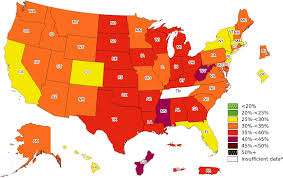
Madison County, Mississippi is part of a state that is characterized by high obesity rates that are persistent across the state, which contributes to the patterns observed in the local community.
This is consistent with the “Mississippi highest obesity rates in the US” search trend, as the state is reported to have over 40% of adults classified as obese, according to the Centers for Disease Control and Prevention.
In neighboring areas such as Jackson, Mississippi and Canton, Mississippi, similar rates of physical activity, diet, and behaviors are reflected, contributing to the similar trends.
Once obesity becomes normalized within a population, it becomes challenging for individuals to recognize unhealthy weight gain and take action to address it, as the behaviors and environments that contribute to it are reinforced at the community level.
The state’s impact on the county is evident, as it shapes attitudes and behaviors related to health and wellness.
Frequently Asked Questions:
Q-1. What are the leading factors that contribute to high obesity rates in Madison County, Mississippi?
A-1: High obesity rates in Madison County, Mississippi, are determined by lifestyle, economic, and environmental factors.
More than 40% of Mississippians are obese, which is one of the highest obesity rates in the USA.
The main causes of obesity in Mississippi are unhealthy eating patterns, lack of physical activity, and socioeconomic factors.
These factors are interconnected and form a vicious circle in which people live.
Q-2. Why is obesity so prevalent in the Mississippi Delta region and surrounding counties?
A-3: Obesity is more prevalent in the Mississippi Delta region and surrounding counties because of low-income levels and the lack of healthcare services.
The majority of Mississippians have a lower income than the average American.
Researchers reveal that the number of obese people in low-income communities can be 30% higher due to unhealthy nutrition.
Q-3. What are the primary contributors to obesity among the adult population in Madison County, MS?
A-3: The most significant contributors to obesity among the adult population in Madison County, MS, are a sedentary lifestyle, unhealthy eating patterns, and the absence of preventive care.
In the USA, more than a quarter of adults lead a sedentary lifestyle, meaning that they do not engage in any physical activity.
A quarter of the population works more than 40 hours a week, while many have no access to fitness equipment or recreational centers.
Q-4. How do socioeconomic factors contribute to obesity in Mississippi communities?
A-4: Socioeconomic factors such as income and education levels contribute to obesity in Mississippi communities since poor people do not have better access to healthcare services.
In Mississippi, the number of obese people is significantly higher than the national average.
It is estimated that people with low income and education are 3 times more likely to be obese than those with higher income and education.
The poverty rate in Mississippi is also higher than the national level, which is one of the reasons why the state is among the top ones in obesity rates.
Q-5. How does poverty affect obesity rates in Madison County, Mississippi?
A-5: Poverty affects obesity rates in Madison County, Mississippi, because poor people do not have better access to healthy food and healthcare services.
In addition, people with a low income tend to buy more fast food restaurants’ meals since they are cheaper than healthier alternatives.
In the USA, the number of people who are obese due to poverty can be as high as 30%.
Households with a low income spend most of their money on food, which often leads to poor nutrition.
Q-6. What is the impact of food deserts on obesity rates in rural Mississippi?
A-6: The impact of food deserts in rural Mississippi is significant since people do not have access to healthy and affordable food.
Most of them buy their food in convenience stores, which are known to sell more high-calorie and low-nutrient products.
In the USA, there are many regions known as food deserts, and the number of Americans who are obese due to poor access to healthy food is estimated to be as high as 25%.
Q-7. How does the lack of physical activity contribute to obesity rates in Mississippi counties?
A-7: Lack of physical activity is one of the leading factors that contribute to obesity rates in Mississippi counties.
In the USA, more than a quarter of the population leads a sedentary lifestyle.
Sedentary activities are associated with a wide range of health problems, including obesity, heart diseases, and diabetes.
A typical American adult should engage in at least 150 minutes of physical activity a week, but the majority of them do not reach this number.
Q-8. How do cultural and dietary factors contribute to obesity in Mississippi?
A-8: Cultural and dietary factors contribute to obesity in Mississippi because of the high consumption of fried foods and sugar.
In Mississippi, people eat more fast food than in other states.
In the USA, a significant part of the population has unhealthy eating patterns, leading to weight gain and obesity.
Foods high in sugar and fat are among the main causes of obesity.
Q-9. How does the lack of healthcare access contribute to obesity rates in Madison County, MS?
A-9: The lack of healthcare access contributes to obesity rates in Madison County, MS, since people do not receive proper medical attention.
In addition, people with low income are more likely to be obese since they do not have access to healthcare services.
In the USA, the number of obese people who have no access to preventive care is as high as 30%.
Preventive healthcare services play a vital role in detecting health issues at an early stage and addressing them.
Q-10. Why does Mississippi have some of the highest obesity rates in the United States?
A-10: Mississippi has some of the highest obesity rates in the United States due to a wide range of factors, including poverty, lack of healthcare access, poor nutrition, and a sedentary lifestyle.
More than 40% of Mississippians are obese, which is one of the highest rates in the USA.
This problem is especially acute in Madison County, which reflects the state’s general situation.
Key Takeaway:
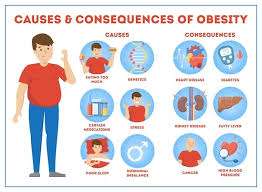
High obesity rates in Madison County, Mississippi, are caused by multiple factors.
These factors are connected to each other and form a complex pattern.
Poverty, poor access to healthcare services, the prevalence of fast food restaurants, and a lack of physical activity are some of the reasons why obesity rates in Mississippi are among the highest in the country.
In the USA, more than a third of the population is obese, and many of them live in poverty.
Conclusion
The high prevalence of obesity among the population of Madison County can be related to multiple factors associated with social, economic, and cultural issues, which are not connected directly but form a pattern of interactions leading to the unwanted outcome.
The lack of financial resources due to the population’s low level of education and employment opportunities affects their nutritional patterns, resulting in an increased number of people with overweight and obesity.
Moreover, an inactive lifestyle, cultural beliefs, and the absence of relevant education prevent the county’s residents from maintaining a healthy weight.
A wide range of associated factors indicates the complexity of the problem, which requires a thorough analysis of each element and a solution based on the researchers’ findings. It can also be noted that many causes of obesity are specific to the county, which explains its increased prevalence in comparison to other regions.
The high obesity rate among Madison County’s population is one of the negative outcomes that can be related to both personal decisions and the area’s characteristics.
Although some causes of the issue might seem insignificant on their own, the cumulative effect of actions related to them leads to weight gain and the development of chronic illnesses among the county’s inhabitants.
The analysis of the multiple factors associated with obesity shows that they are not connected directly but lead to an unhealthy weight in synergy. It can be seen that the main factor affecting the prevalence of overweight and obesity is the residents’ low level of education leading to poverty.
Poverty results in poor nutrition, while a lack of exercise, cultural beliefs, and the absence of relevant education prevent county’s inhabitants from having a healthier life.
It is also crucial to understand that a significant amount of factors contributing to overweight and obesity are specific to the area, thus explaining the high rates of the issue in Madison County in comparison to other regions.
Recommended:
- https://leanandfit.info/why-obesity-rates-are-so-high-in-jackson-mississippi/
- https://leanandfit.info/why-obesity-rates-are-so-high-in-grant-county-arkansas/
- https://leanandfit.info/why-obesity-rates-are-so-high-in-perry-county-arkansas/
- https://www.usnews.com/news/healthiest-communities/mississippi/madison-county
- https://pmc.ncbi.nlm.nih.gov/articles/PMC3136983/
- why trust leanandfit.info?
- for educational purpose only