

Think of your couch as a silent calorie assassin.
It seems innocent—comfortable, even therapeutic—but the longer you sit, the fewer calories your body burns.
Sedentary behavior is not just a side effect of modern convenience; it is a main culprit in reduced energy expenditure and creeping weight gain.
This article leanandfit.info explores how sitting for long hours lowers your daily calorie burn, damages your metabolism, and encourages unwanted pounds to pile on.
We are not diving into diet trends or workouts here—just pure sedentary science.
Let us unpack how your chair may be quietly working against your weight goals.
Main Points Covered in this Article
- How Sedentary Behavior Cuts Daily Energy Expenditure
- NEAT and Its Vanishing Act When You Sit
- The Muscle-Inactivity Calorie Drain
- Sitting-Induced Metabolic Slowdown
- Sedentary Behavior Sparks Mindless Snacking
- Real-Life Calorie Gaps: Sitting vs. Moving
- FAQs on Sedentary Behavior and Calorie Expenditure
- Conclusion: How to Turn Calorie Burn Back On
How Sedentary Behavior Cuts Daily Energy Expenditure?
Sedentary behavior, by definition, involves minimal physical movement—typically while sitting or reclining.
This passive state can drastically reduce your total daily energy expenditure, or TDEE. The body naturally burns calories through various processes: basal metabolic rate (BMR), thermic effect of food (TEF), and activity-related energy.
When we swap standing, walking, and basic movements for prolonged sitting, the physical activity portion of TDEE plummets.
Consider a day where you sit for work, relax on the couch during downtime, and only move between rooms or to grab a snack.
Over time, this pattern creates a calorie deficit—not the kind that helps with weight loss, but one where fewer calories are being burned than consumed.
Without even realizing it, you may be burning hundreds of calories less than someone with the same diet but a more active lifestyle.
The issue compounds because your body becomes accustomed to minimal activity. So, it is not incorrect to state that prolonged sitting adversely impacts your metabolism.
This baseline of low energy expenditure means any additional food intake—no matter how modest—is more likely to be stored rather than burned.
Weight gain creeps in slowly, often unnoticed until it is substantial.
All of this happens without changing your diet or exercise routine—just by reducing how much you move throughout the day.
NEAT and Its Vanishing Act When You Sit
NEAT, or Non-Exercise Activity Thermogenesis, refers to the energy your body burns doing everyday movements that are not formal exercise—like fidgeting, standing, doing chores, walking the dog, or even pacing during a phone call.
For people with active lifestyles, NEAT can account for a significant portion of daily energy expenditure—sometimes even more than exercise itself. But when sedentary behavior becomes the norm, NEAT quietly disappears.
Imagine someone working from home.
They wake up, sit at their desk, eat lunch while seated, scroll through social media during breaks, and relax in the evening with a movie—again, while sitting. That’s NEAT evaporating hour by hour.
Without NEAT, you’re relying almost solely on your resting metabolism to burn calories, and that just isn’t enough.
A drop in NEAT does not just mean you burn fewer calories—it also disrupts your natural rhythm of movement, which plays a role in hunger signals and metabolic health.
Studies have shown that even small movements like tapping your feet or shifting in your chair can burn more calories than lying completely still.
In a sedentary life, those little calorie-burning acts vanish. After all, your office chair is making you obese without you even realizing it.
Over days, weeks, and months, this results in hundreds or even thousands of extra calories stored rather than used—fueling weight gain without a single bite more of food.
The Muscle-Inactivity Calorie Drain
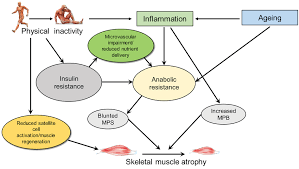
When muscles are active, they act like engines that burn fuel—in this case, glucose and fat. But when you spend most of your day sitting, these engines idle.
Muscle inactivity sends a clear signal to the body: slow down. Calorie burn drops, fat metabolism decreases, and enzymes responsible for breaking down fats become less active. Over time, this sluggish internal machinery starts conserving energy instead of using it efficiently.
One of the most important enzymes affected by prolonged sitting is lipoprotein lipase (LPL), which helps muscles absorb fats and use them for energy.
In sedentary individuals, LPL activity in the legs can drop dramatically. That means fat is more likely to remain in the bloodstream and eventually get stored in fat tissue instead of being burned as fuel.
Worse still, this slowdown in calorie burning is not fully reversed by a workout at the end of the day. If you spend most of your waking hours sedentary, even a solid gym session using compound exercises would not completely undo the effects of muscle idleness.
Your metabolism is shaped by your entire day—not just your 60-minute workout. So if your muscles are lounging most of the time, your calorie burn takes a nosedive, making weight gain far more likely even if you’re eating modestly.
Sitting-Induced Metabolic Slowdown
Metabolism is not just about how fast you digest food—it is the sum of all chemical processes that keep you alive, including how efficiently your body burns energy.
When you sit for long periods, these processes slow down. Blood sugar regulation becomes less efficient, fat oxidation decreases, and insulin sensitivity drops. In short, your metabolic engine runs at a lower gear. And in that lower gear, calorie burning is minimal.
This metabolic slowdown happens faster than you might expect. Even just a few hours of uninterrupted sitting can reduce insulin sensitivity, leading to higher blood sugar levels. That means your body is more likely to store excess sugar as fat.
Prolonged sitting also reduces circulation, which limits oxygen delivery to tissues and slows the breakdown of fat. This causes metabolic slowdown caused by stress and your fat burning process further reduces.
What’s especially alarming is that you do not have to be a couch potato to suffer from this slowdown. Many people go to the gym regularly but still spend the rest of the day sitting—at work, during commutes, and in front of the TV.
This creates a paradox known as the “active sedentary lifestyle.” Your body needs consistent movement throughout the day—not just isolated bursts of activity.
Without it, your metabolism stalls, and your ability to burn calories drops significantly, paving the way for unwanted weight gain over time.
Sedentary Behavior Sparks Mindless Snacking
There is something about sitting—especially in front of a screen—that makes snacks magically appear in your hand.
Whether it is popcorn during a movie or chips while browsing your phone, sedentary behavior often goes hand-in-hand with unnecessary eating. This is not hunger-driven eating; it is mindless, habitual, and often emotionally triggered.
The problem is twofold: you are burning fewer calories due to inactivity, and you’re consuming extra calories without realizing it.
When you are sedentary, especially in the comfort of your home, food is easily accessible. Add boredom or stress to the mix, and you have got a perfect storm for overeating.
Interestingly, sedentary screen time, like watching TV or scrolling social media, has been linked with an increased likelihood of choosing high-calorie, low-nutrient foods.
Your brain seeks instant gratification, and snack foods deliver. But unlike physical hunger, emotional cravings are not resolved with food—they often lead to overindulgence.
This behavior becomes especially harmful because it creates a calorie surplus on top of an already reduced energy expenditure.
In other words, you are eating more while burning less. That imbalance is the exact formula for weight gain.
Over time, these small snacks add up. One extra 200-calorie snack per day equals about 73,000 calories a year—enough to cause a gain of over 20 pounds if not offset by movement.
Real-Life Calorie Gaps: Sitting vs. Moving
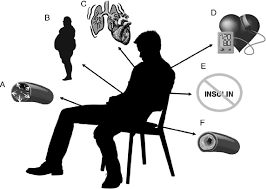
Let’s bring this down to real-world numbers. Say you sit for 8 hours a day and compare that to someone who stands or moves for those same 8 hours.
Standing burns about 0.15 more calories per minute than sitting, which translates to about 72 extra calories burned over 8 hours.
Add in some walking or light activity, and that number easily climbs to 200 or more calories per day. Keep a step tracker handy to gauge your progress.
Now stretch that over a week, and you are looking at 1,400 extra calories burned by the more active person.
In a month, that is nearly 6,000 calories—or almost two pounds of fat that could either be burned or stored depending on your behavior.
And that is without any structured exercise.
The difference is even more dramatic when you compare highly sedentary individuals to those with physically active jobs or habits.
People who move frequently throughout the day can burn up to 2,000 more calories per week than their sedentary counterparts. That is a significant advantage in maintaining a healthy weight.
What makes these numbers more concerning is that the average adult now spends over 9 hours per day in sedentary activities.
It is not just about burning fewer calories—it is about how consistently this imbalance plays out. The longer the gap continues, the more weight accumulates, even if your diet stays the same.
FAQs on Sedentary Behavior and Calorie Expenditure:
This FAQ is all about the hidden impact of sitting too much and how it quietly affects your calorie burn.
We’re going beyond “sitting is bad” and exploring the small, real-life situations where sedentary habits sneak in.
If you’ve ever wondered why you’re “not doing much” yet still feeling stuck with weight, this is for you.
Q-1: Why does sitting all day feel harmless but still affect my weight over time?
A-1: Because the effects of sitting are slow and silent. When you’re sedentary, your body burns fewer calories simply because it is not moving.
Over time, this small daily gap between calories consumed and burned adds up.
The tricky part? You don’t feel it immediately.
Unlike overeating or skipping workouts, prolonged sitting doesn’t create an obvious signal.
But day after day, it reduces your overall energy expenditure, making weight gain or stalled weight loss more likely.
Q-2: Can tiny movements like fidgeting or standing really make a difference in calorie burn?
A-2: Surprisingly, yes.
These small movements fall under something called “non-exercise activity,” which includes everything from tapping your foot to walking around the house. While each action burns only a small number of calories, they add up over hours and days.
Someone who moves frequently throughout the day can burn significantly more calories than someone who sits still—even if both do the same workout. It’s the little things that quietly make a big difference.
Q-3: Why do I feel more tired on days when I sit more, even though I’ve done less physically?
A-3: It sounds strange, but inactivity can actually drain your energy. When you sit for long periods, blood circulation slows down, and your muscles become less active.
This can make you feel sluggish and mentally foggy. Movement, on the other hand, boosts circulation and energy levels.
So even though sitting feels restful, too much of it can leave you feeling more tired than a day with light activity.
Q-4: Is it possible that working out for one hour doesn’t cancel out sitting for the rest of the day?
A-4: Yes, and this is an eye-opener for many people. While a workout is great for your health, it doesn’t completely offset long hours of inactivity. If you exercise for one hour but remain seated for the other 10–12 hours, your overall calorie burn is still relatively low.
The goal isn’t just to exercise—it is to reduce prolonged sitting throughout the day. Think of movement as something that should happen regularly, not just in one dedicated session.
Q-5: Why do I tend to snack more when I’m sitting for long periods?
A-5: Because sitting often comes with boredom or distraction. When your mind isn’t fully engaged, it looks for stimulation—and food becomes an easy option.
Also, when you’re sedentary, your body doesn’t send strong hunger or fullness signals, making it easier to eat mindlessly.
Breaking up sitting time with short walks or stretches can reduce this habit by keeping both your body and mind more active.
Q-6: Can my metabolism actually slow down just because I sit too much?
A-6: Over time, yes. Prolonged inactivity can affect how efficiently your body processes energy. Your muscles play a key role in burning calories, and when they’re not used regularly, that process becomes less active.
This doesn’t mean your metabolism shuts down, but it can become less efficient. Regular movement helps keep your metabolic processes active and responsive.
Q-7: Why does standing sometimes feel more tiring than sitting, even though it burns more calories?
A-7: Because your body isn’t used to it. Standing engages muscles in your legs, core, and back, which require energy.
If you’ve been sitting for long periods, even light activity like standing can feel like effort.
But over time, your body adapts, and it starts to feel more natural. The initial discomfort is just your body adjusting to being more active.
Q-8: Is it weird that I feel more motivated to move after I’ve already started moving?
A-8: Not weird at all—it is how your body works. Movement creates momentum. Once you start, your blood flow increases, your energy levels rise, and your mind becomes more alert.
This makes it easier to keep going. On the flip side, sitting for long periods can make you feel stuck and unmotivated.
The hardest part is often just getting started, even with something as simple as a short walk.
Q-9: Can breaking up my sitting time really help with weight loss, even if I don’t change my workouts?
A-9: Yes, and it is one of the easiest changes you can make. Standing up, stretching, or walking for a few minutes every hour increases your overall daily movement.
This boosts your total calorie burn without requiring extra workout time.
Over days and weeks, these small changes add up, supporting weight loss or preventing weight gain. It is not about doing more intense workouts—it’s about moving more often.
Takeaway: How to Turn Calorie Burn Back On?
If your lifestyle resembles a Netflix marathon more than a marathon run, do not panic. The fix is not extreme—it is consistent, gentle, and sustainable.
The key to reversing the calorie slump from sedentary behavior lies in reclaiming your daily movement.
Start with small steps: stand during calls, pace while brainstorming, and take short walking breaks every hour. These little actions add up to big changes in calorie expenditure.
You do not need to overhaul your schedule or live at the gym. Just aim to replace sitting time with light activity—sweeping, stretching, gardening, or walking.
Even setting a timer to stand every 30 minutes can rekindle metabolic activity and nudge NEAT back to life.
Over time, you shall notice that you not only burn more calories, but also feel more energized, alert, and even hungrier for healthier foods.
So the next time your couch tries to seduce you into another hour of immobility, remember: every minute you move, you’re tipping the scale back in your favor—quite literally.
Your body is built to move, and every step counts toward reigniting your natural calorie-burning engine.
References: