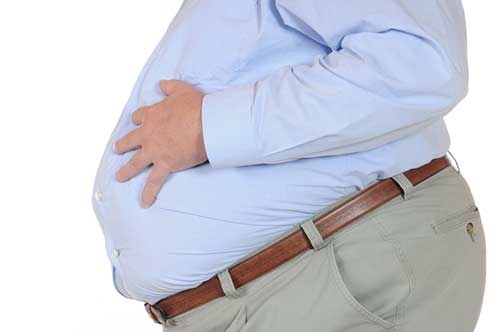
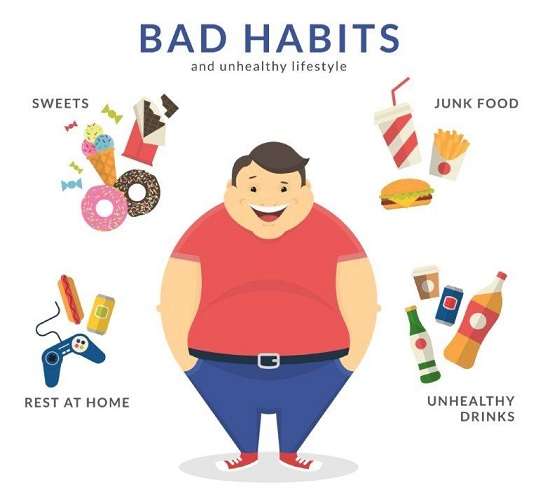
Obesity has become one of the most serious health problems in the United States. It has affected millions of people in urban and rural areas.
Saline County in Arkansas is not an exception to the rule, as a large proportion of the population is overweight or obese.
So, why obesity rates are high in Saline County, Arkansas???
During the last two decades, this issue gained increasing public and professional attention, as people started wondering what the main causes of obesity in the county were.
Saline County is located in central Arkansas and has several regional centers, including Benton and Bryant. It has experienced rapid development during the last few decades, as many people have moved to the county, which has also led to an increase in suburbanization.
As a result, people have adopted more sedentary styles of living, which has led to the current obesity epidemic.
According to leanandfit.info, “Sedentary jobs, easy access to junk food, decreased physical activity, and socioeconomic factors contribute to the problem in Saline County”.
The report also stated that approximately 69 percent of the county’s adult population are overweight or obese, while about 33 percent of the adults are obese.
The statistics are similar to the rest of Arkansas, which is among the top states in the country in terms of obesity rates.
High obesity rates lead to the development of many severe health conditions, such as hypertension, cardiovascular diseases, diabetes, and other chronic illnesses.
As a result, the population’s health is deteriorating, which leads to increased healthcare costs and a lower quality of life for the residents of the county.
It is evident that the issue of obesity in Saline County is serious and requires urgent measures to be taken.
In order to understand the situation in the county, it is essential to take a closer look at the possible causes of the epidemic, such as socioeconomic factors, diet, cultural views, physical activity, and access to healthcare.
After analyzing the problem, it will be possible to propose a set of measures that might solve it in the future.
Points Covered in this Article
- Overview of Obesity Trends in Saline County
- Comparison With Arkansas and the United States
- Socioeconomic Factors Contributing to Obesity
- Food Environment and Dietary Habits
- Physical Inactivity and Exercise Opportunities
- Rural and Suburban Lifestyle Patterns
- Healthcare Access and Preventive Care
- Demographic Patterns and Age Distribution
- Cultural and Behavioral Influences
- Health Consequences of High Obesity Rates
- Economic Impact of Obesity in Saline County
- Community Health Initiatives
- Strategies to Reduce Obesity in Saline County
- Future Outlook for Obesity Trends
- Frequently Asked Questions on Obesity in Saline County
- Conclusion
Overview of Obesity Trends in Saline County
The rate of obesity in Saline County has been gradually increasing over the last decade, which is consistent with the obesity epidemic in Arkansas and the U.S. South Region.
As a result, many people in this county suffer from overweight and obesity problems, which imposes serious health risks on the population.
According to the statistics, about 30-35% of the residents are severely obese, and another 34% are moderately overweight.
This shows that almost 70% of the county’s adult population is affected by obesity.
Therefore, it is evident that the obesity problem in Saline county is severe and imposes a significant risk on the population’s health status.
Some of the most common trends observed in this county in recent years include:
The obesity rate among adults has gradually increased since the early 2000s.
There has also been an observed increase in obesity rates among children and adolescents.
Obesity is more prevalent in the county’s rural areas than in suburban ones.
There is an increasing number of obesity-related cases, such as diabetes and heart disease, and the county’s hospitals report a significant number of related interventions.
Saline county has slightly better indicators than the state’s average for obesity rates, but the difference is marginal, which means that the county shares many of the samehealth problems as the rest of Arkansas.
Comparison With Arkansas and the United States
To evaluate the situation with obesity in the county, it might be helpful to compare the statistics with the data from the state and the country as a whole.
First of all, it is necessary to clarify that in the U.S., 30 percent of the adults are obese.
However, in Arkansas, the number is significantly higher and reaches almost 39 percent.
Saline County is somewhat in between since about 33 percent of the adults are obese.
Although it is slightly lower than the state average, this number is still rather high.
It could be explained by several factors, such as the high poverty rate, a significant part of the population living in rural areas, cultural attitudes, and lack of exercise.
Another reason is connected with the availability of recreational facilities.
Only 59 percent of the population have access to fitness centers, parks, or other places for sports.
It is lower than the national average, which is 84 percent.
In conclusion, the statistics demonstrate that the environment plays a crucial role in the development of obesity rates.
Socioeconomic Factors Contributing to Obesity
Socioeconomic factors are among the most critical contributors to health behaviors and lifestyle patterns in Saline County.
Local economic and educational indicators are closely linked to the development of obesity.
The average income in the county is comparatively high, which is $70 thousand for a household, but there is a considerable number of people with low income, who live below the poverty line, which is 9-11%.
Food insecurity is a significant contributor to obesity as well.
Approximately 10% of families in the county are food insecure, meaning that they do not have a consistent access to healthy food.
Households that are unable to provide their members with regular access to healthy food resort to cheaper processed foods and beverages.
Such a diet that is high in carbohydrates and sugar may lead to an increase in weight and development of obesity.
Another factor affecting the health status of the county residents is the working conditions.
Approximately 30-35% of the people employed in the county work in a sedentary job.
Many of them work in retail, administrative occupations, or offices, which require a person to sit most of the time during the working hours.
This prevents them from getting enough exercise.
The level of education in the county is comparatively high as 92% of residents have a high school diploma.
However, only 27% of people have a bachelor’s degree, which significantly impacts their knowledge on the subject of nutrition and healthy lifestyle.
Food Environment and Dietary Habits
The food environment plays a critical role in the dietary habits and resulting obesity levels of the county.
While the county has a relatively high Food Environment Index (FEI) of 7.7 out of 10, it appears that the local diet culture is skewed towards high-calorie, easy-to-make meals.
According to the health survey, over 60 percent of adults consume fast food at least once a week due to the abundance of fast food restaurants and convenience stores in Benton and Bryant, among other municipal cities.
The typical diet in Saline county consists of:
@ the regular consumption of fried meals, such as fried chicken and fries
@ large portion sizes, especially in restaurants;
@ the use of sweeteners (in the form of soda or sweet tea) by 30-35 percent of county residents;
@ high intake of processed foods and low intake of fresh fruits and vegetables due to insufficient farmer’s markets or grocery stores in some neighborhood;
Traditional southern meals are still widely popular among county residents, with gravies, biscuits, dinners, and desserts being staples of most diets. Fried foods are considered a healthier option by many county residents.
Physical Inactivity and Exercise Opportunities
Physical inactivity is a significant risk factor for obesity in Saline County.
Community Health Assessment reports that 26 percent of adults in Saline County lead a sedentary lifestyle and do not get the recommended 150 minutes of exercise per week.
Furthermore, nearly 30 percent of all adults in the county engage in minimal activity during their leisure time, which may lead to overweight and obesity.
The key social and economic factors associated with the high level of physical inactivity include:
@ the lack of sidewalks and other exercise infrastructure,
@ the absence of bike paths,
@ a prevalence of car culture or automobile transportation, and
@ long working hours, especially for blue-collar workers.
Though Saline County has an ample number of fitness centers and recreation centers, only 59 percent of adults have a reasonable opportunity to participate in sports and other physical activities, compared to the national average.
Therefore, it is reasonable to suggest that the problem of the absence of recreational facilities in rural areas contributes to the development of overweight and obesity in the county.
Rural and Suburban Lifestyle Patterns
Saline County consists of thriving suburban communities, such as Benton and Bryant, as well as a number of smaller rural communities, which affects the basis of obesity in the county.
Some 22-25 percent of the county’s population lives in rural or semi-rural areas where the risks associated with obesity are especially numerous.
This is explained by the fact that rural communities have fewer hospitals and health care facilities and are characterized by a lack of recreational facilities.
For example, some rural areas do not have access to a full range of grocery shops and restaurants within a ten or even fifteen-mile radius, which is significantly more challenging than in urban settings.
Moreover, transportation in rural areas is dominated by personal cars, with over ninety percent of residents using vehicles to commute to work, which is less healthy in terms of physical activity.
On the contrary, suburbanization has led to the development of recreational areas suitable only for motorized transport.
The relative absence of sidewalks and the resulting need for long walks significantly impact the health of residents and their body weight. Thus, the peculiarities of the geographical location of rural and suburban areas worsen the prospects for the health of its inhabitants in terms of obesity.
Healthcare Access and Preventive Care
Access to healthcare services is an essential component in reducing and preventing obesity in Saline County.
The county has a sufficient number of hospitals and other healthcare facilities and organizations, but it does not mean that all county residents use their preventive services regularly.
According to the local health assessment report, there is still a considerable number of uninsured citizens, including 14-16% of the county’s adult population.
This number represents the percentage of individuals who do not receive regular check-ups or consult healthcare specialists on matters related to proper dieting or obesity treatment programs.
The problem of overweight and obesity is considered to be one of the county’s most pressing public health issues.
It is reported that 9% of the adults are diabetic, and 32-35% of the population is obese, putting them at risk for heart diseases, stroke, and diabetes.
Furthermore, 30% of the population has high blood pressure, which is strongly associated with overweight and obesity.
Healthcare prevention programs and free inspections organized for the residents of the county can make an essential contribution to eliminating the issues of being overweight and obese.
It will help citizens realize the importance of maintaining their health and prevent many severe health conditions and complications.
Demographic Patterns and Age Distribution
The prevalence of obesity among the citizens of Saline County is distributed unevenly among different age groups and reflects the lifestyle choices prevalent among them.
In relation to children and adolescents, about 18-20% of them are obese while around 30% are either overweight or obese.
As a result of excessive use of phones, video games and social media, the latter has replaced outdoor activities for younger generations.
Hence, the number of people in Saline County who are diagnosed with obesity increases as they grow older.
For instance, the number of adults aged between 30 and 55 years is considered to be at moderate risk for obesity and overweight.
According to the survey results conducted locally, approximately 35-38% of them are obese.
Mostly they are engaged in careers and family lives, which makes it difficult for them to get time to exercise or eat healthy food.
Moreover, for people aged above 60 years, obesity affects about 30% of them due to health complications, old age and lack of exercise on a regular basis and their metabolism slows down, making it easier for them to gain weight.
Therefore, it is essential to develop effective health promotion efforts aimed at children, working adults and elderly.
Cultural and Behavioral Influences
Culture and behavior play a significant role in the diet and lifestyle of the people of Saline County.
The culture involves barbecues, church suppers, families and friends getting together for meals and events, and a lot of food.
Health surveys show that sixty to sixty-five percent of adults in saline county eat fried or fatty foods as part of their social events, causing them to consume more calories than necessary.
Some of the other reasons include:
• Nearly twenty-five percent of adults in saline county eat emotionally.
• Stress causes people to overeat.
• Some adults are simply not aware that the portion sizes of their meals are too big.
Another part of the culture includes smoking and drinking.
In Saline County, twenty percent of adults smoke and eighteen percent of adults drink regularly.
All of these cultural aspects lead to obesity, heart disease, and diabetes.
Spreading awareness on diet and lifestyle changes can slowly start changing the culture.
Health Consequences of High Obesity Rates
Obesity contributes to a number of serious health problems in Saline County, for which approximately 32-35 percent of the adults are severely obese, and almost 69 percent are overweight or severely obese.
There is a large presence of chronic disease in the county due to the consequence of obesity.
According to the data, 9 percent of the population has type 2 diabetes and 30 percent of the population has high blood pressure, which are closely associated with overweight and obesity.
The list of diseases related to obesity includes:
@ type 2 diabetes, which affects almost 9 percent of the adult population;
@ heart disease, which is the leading cause of death in the county;
@ high blood pressure, affecting 30 percent of the population;
@ strokes, to which obese people with high blood pressure are particularly prone;
@ arthritis and other joint diseases, which are present in 28 percent of the county’s population.
Being overweight or obese increases the load on the cardiovascular system, causing enormous stress on the heart and blood vessels, leading to numerous health issues.
Doctors in the county report that the number of interventions for obesity-related conditions is growing yearly.
Economic Impact of Obesity in Saline County
Obesity in Saline County not only poses a health problem for the county’s residents but also has a negative impact on the local economy.
With approximately 32-35 percent of adults being classified as obese and nearly 69 percent overweight or obese, the costs associated with treating obesity-related diseases are projected to rise significantly.
Obesity is a known risk factor for developing type 2 diabetes, cardiovascular diseases, and hypertension, among other conditions requiring chronic care.
The costs associated with higher obesity levels include:
• Increased hospital visits and expenditures on emergency care and treatments for cardiovascular and metabolic diseases
• Higher spending on prescriptions for diabetes and other chronic disease treatments
• Higher expenditures on chronic disease management programs
According to studies, medical costs for persons with obesity may be 20-30 percent higher than those for individuals with a healthy weight.
Besides the direct costs, businesses may also incur indirect expenditures due to the loss of productivity and increased insurance premiums.
Local governments and healthcare facilities have to invest more in wellness programs and initiatives that encourage healthier lifestyles and lower obesity rates to improve the overall health status of the population.

Community Health Initiatives
Several organizations in Saline County are working to combat the growing obesity epidemic in the county, where 32 to 35 percent of the adults are obese, and 69 percent are overweight or obese.
Community programs are working to reduce obesity rates by encouraging people to make better choices in terms of diet and exercise.
Some of the key initiatives include:
Nutrition programs that educate around 20-25 percent of the adults in the county on the importance of making healthier choices
School health promotion programs that are active in over 85 percent of the state’s public schools, encouraging students to engage in physical activity every day and adopt healthier eating habits
Community events such as recreational sports and walks that involve hundreds of people in the county on a monthly basis
Wellness initiatives such as health fairs and chronic disease management programs that are held county-wide
Healthcare providers and local authorities are working together to encourage physical activity, healthy eating habits, and screening programs for chronic diseases such as diabetes and obesity.
Strategies to Reduce Obesity in Saline County
Addressing the obesity epidemic in Saline county, which currently has 32-35% obese American Adults and 69% overweight or obese requires a county-wide approach that will affect various aspects of people’s lives.
The most efficient and successful ways to help reduce obesity rates are working on the environment and raising awareness.
The most common ways to address these issues are
providing more parks and recreation centers for sports activities for the residents since only 59% of them have opportunities to exercise,
promoting alternative ways of transportation,
such as walking and bicycling. Especially in suburban areas where people use cars for more than 90% of trips and have less opportunity to walk or bike due to the lack of sidewalks and bicycle paths.
Offering more healthy food options and promoting nutrition education in residents, especially in children, is another useful way to help people make better food choices since 12% of the county’s population lives in areas with fewer opportunities to purchase healthy food.
Implementing school wellness policies in more than 85% of public schools is also helpful in teaching children and young adults about healthy eating habits and lifestyles.
Moreover, creating worksite wellness programs to ensure a healthy workplace environment for many Sedentary job holders in Saline county.
Finally, conducting public awareness campaigns that will educate people about making healthy food choices, controlling portions of food and being more physically active can significantly impact obesity rates in the county.
Future Outlook for Obesity Trends
The future of the obesity rate in Saline county, where the percentage of obese adults is 32-35 percent, and the percentage of overweight or obese adults is 69%, depends largely on community efforts and policies.
If the current tendency of developing and implementing programs that encourage healthy eating, exercise, and other wellness initiatives, to address the county’s overweight and obesity problems continues, the rate of obesity among adults will decrease by 3-5 percent over the next decade.
In addition, technology can contribute to the solution, allowing people to connect to fitness apps or devices and get the required support.
Fitness apps can be used by 18-20 percent of adults, while telehealth services provide access to nutritional and wellness coaching, helping people, especially in rural areas, where only 59 percent of residents have a convenient access to fitness facilities, to accomplish their health goals.
Nevertheless, the efforts of healthcare providers, local governments, schools, businesses, and the community at large, combined with education and awareness of possible measures to improve health, are essential if the county wants to continue decreasing obesity rates and improve the population’s health status in the future.
Frequently Asked Questions About Obesity in Saline County
Q-1: What is the obesity rate in Saline County?
A-1: Obesity rate is high in Saline County reaching 32-35 percent meaning that one third of the adults are clinically obese.
Q-2: How many people are overweight or obese?
A-2: As many as 69 percent of the county’s adults are overweight or obese.
Q-3: Why is obesity so high in Saline County?
A-3: Lack of exercise due to many people working in sedentary jobs, poor eating habits, poverty with 10 percent of residents being food insecure, and lack of recreational facilities with only 59 percent of county residents living within walking distance of a park or sports center.
Q-4: Is Saline County obese compared to the national average?
A-4: Yes, since the national obesity rate among adults is 32 percent while in Saline County it is 32-35 percent. It appears that Arkansas is one of the states with the highest obesity rates in the country.
Q-5: What foods contribute to obesity?
A-5: Fast food, junk food, soda, sweet tea, processed foods, and southern cuisine are some of the foods that contribute to obesity in Saline county. More than 60 percent of adults consume fast food at least once a week.
Q-6: Are children overweight or obese?
A-6: Yes, 18-20 percent of the children in the county are obese while 1 out of every 3 children is overweight or obese. Children who spend more than 4 hours a day watching television are likely to be overweight or obese.
Q-7: Is obesity related to income?
A-7: Yes, low-income families with 9-11 percent of the residents living below the poverty level are more likely to be obese.
Q-8: How much do the citizens of the county exercise?
A-8: 26 percent of county residents lead a sedentary lifestyle. In addition, 30 percent of adults do not exercise at all during their leisure time.
Q-9: Are there any other factors that contribute to obesity?
A-9: Yes, rural residents living in sparsely populated areas with 22-25 percent of the county’s population are more likely to be obese. The lack of recreational facilities, healthcare facilities, and the fact that many people are dependent on cars contribute to higher rates of obesity in the county.
Q-10: What diseases are associated with obesity?
A-10: Diabetes with 9 percent of the county’s adults, hypertension with 30 percent, cardiovascular diseases, stroke, and arthritis with 28 percent are some of the diseases associated with obesity.
Q-11: Can obesity be prevented?
A-11: The adoption of healthier eating habits, limiting portion sizes, and exercising regularly are some of the ways obesity can be prevented.
Q-12: Are there any programs that can prevent obesity in the county?
A-12: Community health promotion programs exist in the county to help prevent obesity and improve the overall well-being of the residents. 85 percent of the county’s schools have health promotion programs.
Q-13: Does obesity affect the economy?
A-13: Yes, obesity leads to high healthcare costs for the state since people who are obese are more likely to develop chronic diseases such as diabetes and hypertension. Obese people also pay 20-30 percent more for health care than people who are not obese.
Q-14: What is the best way to prevent obesity?
A-14: A balanced diet coupled with more exercise and better access to recreational facilities will help reduce obesity rates in the county.
Q-15: Can community programs help reduce obesity?
A-15: Yes, community health promotion programs can help reduce obesity in Saline County.
Conclusion
Obesity is a social and economic epidemic in Saline County that is determined by various environmental and cultural factors affecting lifestyle choices and nutritional patterns of the population.
With over 70 percent of Saline County adults being overweight or obese, there is a high risk of developing dangerous conditions such as diabetes, cardiovascular diseases, and hypertension.
Such factors as lack of infrastructure for physical activity, a sedentary lifestyle, and the easy accessibility of processed foods contribute to the development of this epidemic.
The only way to reduce the rate of obesity in Saline County is to take appropriate measures at the community level.
Various strategies may be considered including building infrastructure for physical activity like parks, selling healthy food items at affordable prices within the community, providing education on healthy living through school programs, and conducting health screenings among others.
By collaborating on these important initiatives, healthcare professionals and the community will make a positive change in reducing obesity rates and improving the overall health status of the population.
Recommended:
- https://leanandfit.info/why-obesity-rates-are-so-high-in-mcallen-texas-hidalgo-county/
- https://leanandfit.info/why-are-obesity-rates-so-high-in-edinburg-hidalgo-county-texas/
- https://leanandfit.info/why-obesity-rates-are-so-high-in-mission-texas-hidalgo-county/
- https://datacommons.org/place/geoId/05125
- https://uaheal.uark.edu/2026/01/05/new-survey-shows-obesity-rates-exceed-45-in-rural-arkansas/
- https://leanandfit.info/why-obesity-rates-are-so-high-in-little-rock-pulaski-central-arkansas/
- https://leanandfit.info/why-obesity-rates-are-high-in-north-little-rock-pulaski-county-arkansas-key-causes-and-local-health-risks/
- https://leanandfit.info/why-obesity-rates-are-high-in-conway-faulkner-county-arkansas/
- Why trust LeanAndFit.info?
- For educational purpose only