

Obesity has become one of the greatest threats to the health of many American communities, including the one in Conway, Faulkner County, Arkansas.
Based on the state’s health data, almost 35-38% of Arkansans are obese – a statistic that is significantly higher than the national average for several years.
Thus, the situation in Faulkner County is also alarming because the health survey results indicate that about a third of the population is obese or overweight, and among adolescents – 18-20%.
You are often left wondering – ‘How to Manage and Control Obesity in Conway, Faulkner County?’
Therefore, reducing obesity rates is crucial for the long-term well-being of this community.
Being overweight or obese increases the risk of developing diabetes, cardiovascular diseases, hypertension, osteoarthritis, and physical disability.
However, since obesity is a potentially controllable condition, it can be addressed through changes in lifestyle and improved access to medical services.
Conway is a great city with many resources for maintaining health, including hospitals (Conway Regional Medical Center, Baptist Health Medical Center-Conway), colleges (University of Central Arkansas, Central Baptist College, Hendrix College), and recreation centers.
It is essential to understand the causes of obesity and the ways of its control to ensure long-term well-being.
This article by leanandfit.info aims to provide helpful information for Conway residents interested in reducing their weight and improving their quality of life.
Article Index
- Understanding Obesity Trends in Conway, Faulkner County
- Causes of Obesity in Conway Residents
- Health Risks Associated with Obesity
- Importance of Balanced Nutrition
- Exercise and Physical Activity Opportunities in Conway
- Community and Family Support Systems
- Medical Treatment and Professional Healthcare Support
- Sustainable Lifestyle Changes for Long-Term Weight Control
- Preventing Obesity in Children and Students
- Local Resources for Obesity Management in Conway
- FAQ: Obesity in Conway, Arkansas
Understanding Obesity Trends in Conway, Faulkner County
The rate of obesity in Arkansas has constantly increased over the past two decades. Health statistics show that the number of obese adults in the state has grown by 12 to 15 percent since the early 2000s.
In Faulkner County, community health surveys show that there is an approximate 34 percent of people that are classified as obese. This also includes 30 percent of people who are overweight.
One of the main reasons why this health issue persists is that the county is becoming urbanized as time goes, especially in the city area of Conway. As a result, people have to work more and lead a less healthy lifestyle.
Many of them spend more than 8 to 10 hours per day sitting in front of their jobs, which means that they do not burn that many calories during the day.
For instance, local universities such as University of Central Arkansas and Hendrix College have done various research on the health status of their students, which represent the larger population of the county.
Community health surveys show that they found out that almost 40 percent of college students have inappropriate alimentary regimes that put them at risk of gradual weight gain.
The mentioned statistics can help in determining and finding solutions to any existing problems with the health and lifestyle of Arkansans.
In case of Conway Faulkner County, the information may assist people in recognizing the way of living that will prevent them from obesity.
Causes of Obesity in Conway Arkansas Residents
The causes of obesity among the residents of Conway Arkansas are grouped into environmental and behavioral factors.
According to research data, 60% of American citizens follow an unhealthy diet that involves consuming lesser amounts of fruits and vegetables.
More than 35% of Arkansans report doing less exercise than recommended during the week.
Fast food restaurants are a significant contributor to the high obesity rate in this state.
Since Conway is a megalopolis, its commercial development is well-scaled to meet the needs of the population.
However, such an influx of commercial organizations poses a threat to residents in terms of maintaining an adequate and healthy diet.
Moreover, people with a hectic schedule, in turn, face higher stress levels and often resort to bad sleeping habits.
A study shows that people who sleep six hours a day or less have a higher chance of gaining weight due to increased appetite and stress levels by 25-30%.
Unhealthy and non-active pastimes are also among the causes of obesity in Conway.
The survey results show that 45% of American teenagers spend three or more hours per day on various screens, which results from a lack of time and motivation to exercise.
However, by determining the leading causes of the problem, one can find practical solutions and come up with a plan to reduce the spread of obesity in this region.
Health Risks Linked to Obesity
Being obese brings a number of serious health risks.
According to the doctors in Faulkner County, over 40 percent of the obese adults have hypertension, and approximately 25 percent have signs of prediabetes or diabetes.
Cardiovascular disease is a major problem as well.
It is said that people who are obese have 2-3 times greater chance of developing heart disease than normal people.
Another concern is related to joints.
The orthopedic surgeons at the Conway Regional Medical Center stated that the knees of the obese people are subject to four times greater pressure than average.
Last but not least, there is a psychological aspect to this problem.
Researchers found that obese people are 30 percent more likely to have unhealthy relationship with food due to stress.
Clearly, there are many reasons why one should not be obese.
Importance of Balanced Nutrition
The balanced nutrition is essential for proper functioning of the body.
The dietician recommends that a healthy diet consists of 40-50% of complex carbohydrates, 20-30% healthy fats, and 20-30% of lean protein.
Those who are interested to develop a diet plan to prevent obesity in Conway, Arkansas, should consider buying the products from local markets.
The residents of Conway prefer to shop in local grocery stores and farmers’ markets.
As found in surveys, those who cook dinner for their family at least five times a week consume 25% fewer calories than those who order food in restaurants.
In addition, instead of sweet drinks, it is better to drink plain water since it will help to decrease the number of calories consumed daily by 150-300 calories.
Such a small step makes it easier to lose weight.
Exercise and Physical Activity Opportunities in Conway
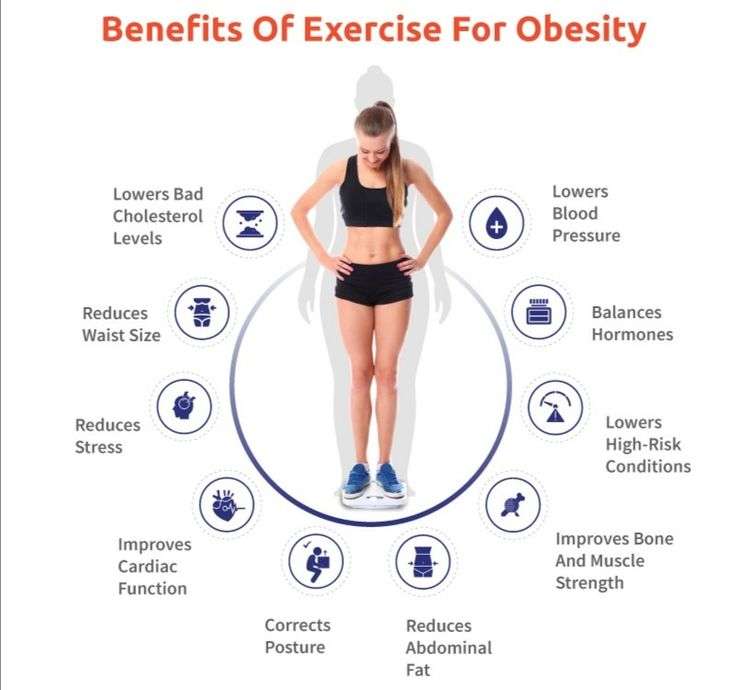
Regular physical activity is critical for maintaining a healthy weight.
Health professionals advise that engaging in physical activity for at least 150 minutes weekly reduces the risk of obesity by 20-25%.
There are several recreational places for physical activity in Conway.
Some of these are Laurel Park, Cadron Settlement Park, Beaverfork Lake Park, and others.
The places offer walking and hiking trails and outdoor recreation opportunities such as bicycling.
For exercise or sport programs to lower obesity levels in Conway, AR, one may consider exercising at fitness centers, recreation leagues, or university sports centers.
Physical activities such as walking, hiking, biking, and kayaking are fun since they involve exploring the many parks and lakes in Conway.
In addition, exercise and sports help people lower their weight while improving their heart health and mood.
Community and Family Support Systems
Community support is an essential aspect of encouraging healthier lifestyles.
Studies show that people who participate in group wellness programs have a 30-40% greater likelihood of maintaining long-term weight loss
In Conway, there are multiple community health programs for obesity in Conway that promote exercising and learning about healthy eating habits and lifestyles.
Universities such as the University of Central Arkansas often hold health awareness events and wellness programs encouraging healthier lifestyles.
In addition, family support is another key aspect of wellness.
When families cook healthy meals and exercise together, children are 50% more likely to stay at a healthy weight.
Creating supportive environments may lead residents of Conway to make better lifestyle choices and develop healthier habits.
Medical Treatment and Professional Healthcare Support
Some people need professional help to manage their obesity.
Baptist Health Medical Center – Conway and Conway Regional Medical Center can provide consultations, diet counseling, and programs.
Residents seeking treatment for obesity in Conway AR may find the most comprehensive approach to their weight loss needs.
Physicians can provide you with a diet plan, exercise regimen, and counseling. Additionally, a medication or a specialized diet may be required for more severe cases of obesity.
Seeking medical help for obesity in Faulkner County Arkansas is a safe and effective way to ensure that your weight and health will be managed in a professional and personalized manner.
Sustainable Lifestyle Changes for Long-Term Weight Management
Long term weight control is achieved through making gradual lifestyle changes, rather than through crash diets.
Studies have shown that those who made gradual changes were twice as likely to maintain their weight loss compared to those who made drastic changes after a diet.
In fact, residents of Faulkner County looking for help with obesity should look to developing better sleeping patterns, reduced stress levels and mindful eating habits.
Sleeping patterns also play an important role in managing weight.
It was found that those who got the recommend seven to eight hours of sleep were 20% less likely to be gain excess weight than those who did not get enough sleep.
Lifestyle changes are necessary if someone wants to make long term improvements to their health.
Preventing Obesity in Children and Students
Childhood obesity is a serious issue, the prevention of which is essential for the future health of the community.
According to research, approximately 18% of adolescents in Arkansas are obese, putting them at significant risk for health problems in their adult lives.
Schools and Colleges in Conway such as Central Baptist College and Hendrix College promote sports participation and healthy lifestyle seminars that encourage active lifestyles.
Encouraging outdoor activity over screen time and unhealthy food consumption will prevent obesity in children and adolescents.
Prevention of this public health problem is essential for future generations.
Local Resources for Obesity Management in Conway
Conway offers various resources that would help people deal with health issues and control weight effectively.
Hospitals, fitness centers, parks, and nutritionists are some of the institutions that contribute to helping people in Conway Faulkner County lose weight correctly.
Community parks such as the Cadron Settlement Park and the Beaverfork Lake Park invite individuals to participate in physical activities while the local authorities ensure that appropriate healthcare services are available for them.
Therefore, one can easily achieve a healthy lifestyle and improve community wellness in the area.
FAQ: Obesity in Conway, Arkansas
Q-1: Why is obesity becoming prevalent in Conway, Arkansas?
A-1: Obesity has become rampant in the city due to a combination of poor lifestyle and environmental factors. According to health surveys in Arkansas, more than forty percent of Americans lead a sedentary lifestyle.
People sit for more than seven hours in front of a computer or television. Overeating and unhealthy eating has contributed to the obesity levels in Arkansas.
As Conway develops, new fast-food restaurants and take-away joints, especially along Dave Ward Drive, Oak Street, and adjacent regions, provide unhealthy meals with high-calorie counts.
People also lead a stressful lifestyle, especially with the presence of universities such as Hendrix College and the University of Central Arkansas.
Q-2. What percent of Arkansans are obese?
A-2: According to public health statistics, thirty-five to thirty-eight percent of Arkansans are obese, placing the state in the third position in the United States. In some districts, more than sixty-five percent of Arkansans are overweight or obese.
In Faulkner county, for instance, one-third of the population is struggling with obesity and overweight. Q-3: What are the health implications of obesity?
Q-3: What are common health risks associated with obesity?
A-3: Obesity often leads to secondary illnesses such as diabetes and cardiovascular diseases. For instance, medical studies indicate that obese people are more likely to develop diabetes by two to three times compared to normal-weight people.
Forty percent of obese people also present with high blood pressure and heart conditions.
At Conway regional hospital, orthopedic surgeons note that obesity raises the pressure on the knee joints by four times, thus contributing to deformities and complications such as osteoarthritis during movement.
Q-4: How much should a person exercise to prevent obesity?
A-4: Americans are advised to exercise moderately for at least fifteen minutes a week.
However, thirty minutes of physical activity per week can reduce the risk of obesity by thirty percent. For instance, sedentary workers can walk while in the office or at the park, or exercise at the local gymnasiums, Laurel Park, Cadron Settlement Park, and Beaverfork Lake Park.
Q-5: Are there any treatment options for obesity in Conway?
A-5: Yes, medical facilities such as Baptist Health Medical Center – Conway and Conway Regional Medical Center provide obesity treatments, counseling, and preventative measures such as screening and nutritional guidance. Doctors also provide diet and behavior modifications for obese patients.
Q-6: Can one reduce obesity risks?
A-6: Yes, people can reduce obesity risks by twenty-five to forty percent. Modifying a sedentary lifestyle, for instance, by incorporating regular exercising and a healthy breakfast, can reduce obesity levels. Taking up healthier food options such as avoiding sodas, includes cooking at home and exercising.
Q-7: Are children also obese?
A-7: Yes, childhood obesity is a serious problem in Faulkner county and the entire state of Arkansas. According to school health survey data, eighteen to twenty percent of teenagers in Arkansas are obese or overweight.
Children sit for long hours playing video games or watching television instead of participating in physical activities. Most schools and Colleges such as Hendrix College and the University of Central Arkansas promote sports.
Q-8: Are community campaigns effective in battling the obesity epidemic?
A-8: Yes, community health programs are effective and preventive measures in lowering obesity levels. For instance, group exercises have a higher success rate because they are more fun and motivate faster results.
People in the community attending group exercises have a three-time higher chance of losing and maintaining weight. Local community groups and institutions such as Universities organize and sponsor fitness activities, and awareness campaigns to promote healthy lifestyles.
Q-9: How do sleep patterns affect weight gain?
A-9: Sleep deprivation increases obesity risks, for instance, when an individual sleeps for fewer than six hours, there is a two and a half times risk of obesity. Short sleep time also promotes high blood pressure, diabetes, and impaired metabolic functions.
Q-10: What is the first step in combating weight gain?
A-10: A combination of healthy diet and exercise programs to reduce body weight. The initial step in managing weight loss is to improve the quality and quantity of food. Maintaining a balanced diet and exercising is key to a healthy lifestyle and reduces obesity risks by fifty percent.
One can begin by increasing food intake and incorporating simple changes such as avoiding fast food and visiting the local exercise facilities. It is useful to consult with healthcare practitioners to find trusted resources to guide your weight loss journey.
Conclusion
The management and control of obesity in Conway, Faulkner County will benefit from the combined efforts of individuals, families, healthcare providers, and facilities.
With one-third of adults being obese, emphasis must be placed on awareness, prevention, and access to resources for the residents of Conway.
Through healthy eating habits, improved physical activity levels, and professional healthcare services, residents can work towards reducing obesity rates and the development of secondary diseases.
Parks, educational institutions, and healthcare facilities are available resources that can aid in the improvement of the health status of the citizens.
Although it may seem challenging to make immediate drastic changes to one’s lifestyle, modest changes to eating and exercising patterns can have long-term positive effects.
With awareness and collaboration amongst family members, citizens can work towards building a healthier community and lead happier, more energetic lives.
Recommended:
- https://www.conwayregional.org/docs/default-source/crhs/reports/finalforweb-chna2019-121619.pdf?sfvrsn=1189f449_5
- https://www.usnews.com/news/healthiest-communities/arkansas/faulkner-county
- https://uaheal.uark.edu/2026/01/05/new-survey-shows-obesity-rates-exceed-45-in-rural-arkansas/
- https://leanandfit.info/how-to-manage-and-control-obesity-in-mcallen-texas/
- https://leanandfit.info/how-to-prevent-and-manage-obesity-in-edinburg-hidalgo-county-texas/
- https://leanandfit.info/how-to-reduce-obesity-rates-in-mission-hidalgo-county-texas/
- https://leanandfit.info/how-to-manage-obesity-in-little-rock-pulaski-county-arkansas/
- https://leanandfit.info/how-to-manage-and-prevent-obesity-in-north-little-rock-pulaski-county/
- Why trust leanandfit.info?
- For educational purpose only