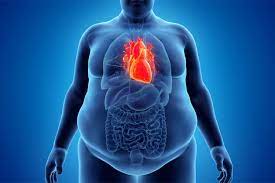
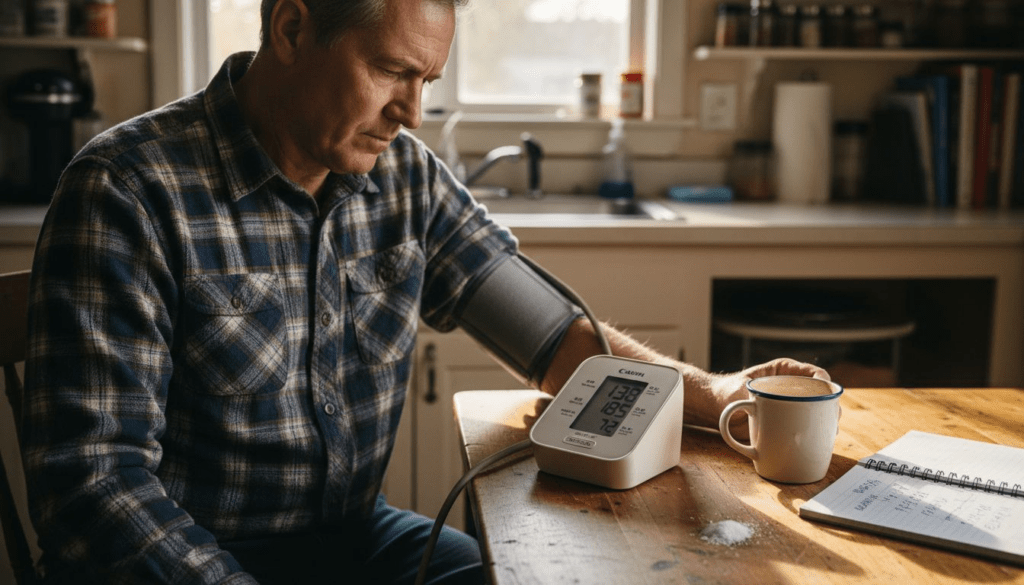
High blood pressure can occur in anyone and at any time, suddenly and without warning. So, managing high blood pressure is important for good health.
For the American adult who is diagnosed with high blood pressure, knowing the facts about common myths can help prevent heart disease, kidney damage and strokes.
This article will inform readers of ways to control blood pressure naturally and provide them with healthy tips and diet that will help them shed unwanted pounds as well as lower high blood pressure.
Table of Contents
- High Blood Pressure Basics And Common Myths
- Types And Stages Of Hypertension Explained
- Key Health Risks And Long-Term Impacts
- Lifestyle Strategies For Blood Pressure Control
- Diet And Exercise For Lower Blood Pressure
- Common Mistakes And How To Avoid Them
Key Takeaways
| Point | Details |
|---|---|
| Understanding Hypertension | High blood pressure often presents no symptoms, making regular checkups essential for early detection and management. |
| Lifestyle Modifications | Adopting a heart-healthy diet and regular exercise can significantly lower blood pressure and reduce health risks. |
| Medication Adherence | Consistent use of medications as prescribed is crucial for effective blood pressure management and avoiding complications. |
| Awareness of Risk Factors | Recognizing personal risk factors and maintaining a blood pressure tracking log can empower individuals in managing their health. |
High blood pressure basics and common myths
High blood pressure is a silent problem for many Americans; however, knowing about this disease is not very widespread among the general population.
The way it affects people and the way of its treatment is crucial for everyone who is suspected to have it or already have.
This disease takes place when the pressure of blood flowing through the blood vessels is persistently high, in other words, 130/80 or higher.
One should be aware that high blood pressure rarely exhibits its symptoms.
That is why people with this disease, most often, are not aware of their condition as well. The main belief about the high blood pressure is that it only affects older generations of people.
Some people tend to believe that the only way to struggle with this disease is to take medication, moreover, if they see it on TV, it cures everything and no harmful effects can be ever produced because of drugs like that.
Another myth states that there is nothing terrible that will happen if someone has high blood pressure.
People tend to forget or just not think about how blood pressure affects almost every single hormone, organ, and system.
High blood pressure can result in heart diseases and strokes (the main problems connected with the human cardiovascular system), severe kidney problems and vision loss (mainly eye diseases), sleep apnea, etc.
Every single thing that causes high blood pressure can be divided into two groups: those who are genetically programmed to have high blood pressure, and those who got it because of their habits and external conditions.
Of course, the first group is not something you can control, but the second one usually can take care of its health, thus, reduce blood pressure and the chance of getting a disease.
Pro tip: Measure your blood pressure more often and keep track of your current pressure.
Types and stages of hypertension explained
The condition Hypertension can present with many different classifications to assist medical professionals in identifying and addressing the risks posed to patients.
The various stages of blood pressure assist in diagnosing the most appropriate treatments based on the levels recorded and how they pertain to the patient’s condition.
- Blood pressure can be identified as normal, elevated, stage 1, stage 2, or crisis hypertension.
- Normal blood pressure is a reading below 120/80 mm Hg.
- Elevated refers to a reading of 120-129/<80 mm Hg.
- Stage 1 presents with 130-139/80-89 mm Hg, whereas stage 2 is characterized by a reading of 140 or higher/90 or higher mm Hg.
- Lastly, crisis hypertension occurs when the reading exceeds above 180/120 mm Hg.
There are two types of hypertension, primary and secondary.
Primary hypertension develops gradually and has no identifiable cause.
Meanwhile, secondary hypertension occurs when a pre-existing condition or medication is the precipitating factor that leads to hypertension.

Here’s a quick reference comparing the two main types of hypertension:
| Type of Hypertension | Typical Cause | Common Risk Factors | Best Management Approach |
|---|---|---|---|
| Primary Hypertension | Develops gradually | Genetics, age, diet, lifestyle | Lifestyle changes, medication |
| Secondary Hypertension | Triggered by another condition | Kidney disease, medications, hormonal issues | Treat underlying cause, adjust medications |
The stages of hypertension are a risk progression.
The higher the level the more dangerous it is to the heart.
Doctors use these classifications as a guide to what treatment you may need such as diet and exercise or maybe drugs to lower your blood pressure.
See how different blood pressure stages impact health risks:
| BP Stage | Systolic/Diastolic Range | Risk Level | Recommended Action |
|---|---|---|---|
| Normal | Less than 120/80 mm Hg | Minimal | Regular checkups |
| Elevated | 120-129/<80 mm Hg | Moderate | Lifestyle adjustment |
| Stage 1 | 130-139/80-89 mm Hg | Increased | Lifestyle + review |
| Stage 2 | 140+ or 90+ mm Hg | High | Medical therapy |
| Crisis | Over 180/120 mm Hg | Severe | Immediate care |
Early detection and understanding of hypertension stages can significantly improve long-term health outcomes and reduce the risk of heart disease, stroke, and kidney problems.
People who are at risk of developing high blood pressure should be consistently monitoring their numbers and discuss a management plan with their doctor
Pro tip: Get a good home blood pressure monitor and keep a log for your healthcare provider.
Key health risks and long-term impacts
High blood pressure is a chronic condition that can have devastating effects.
The long-term health risks of high blood pressure are severe and can be very damaging.
The top long-term health risks for people with high blood pressure are:
- Heart disease – increased risk of cardiovascular issues
- Stroke – higher probability of stroke occurrences
- Kidney damage – possible renal impairment
- Loss of vision – potential eye damage
- Issues with cognition – increased risk of neurological problems
Chronically high blood pressure damages the cardiovascular system, which in turn, takes a toll on the body’s other systems.
The higher-than-normal pressure takes a toll on the vessel walls, causing increased inflammation and providing entry points for a variety of serious health conditions.
High blood pressure can age a person’s body and diminish their quality of life significantly.
People with high blood pressure risks should seriously consider taking better care of themselves and lowering their blood pressure to reduce those risks.
Having a full-array of tests done every year is a good way to make sure nothing “bad” is happening.
Lifestyle strategies for blood pressure control
A comprehensive strategy for managing blood pressure should be build around multiple pillars.
The methods of preventing high blood pressure are numerous, and some of them can bring excellent results if properly implemented.
They include the following dietary and lifestyle changes:
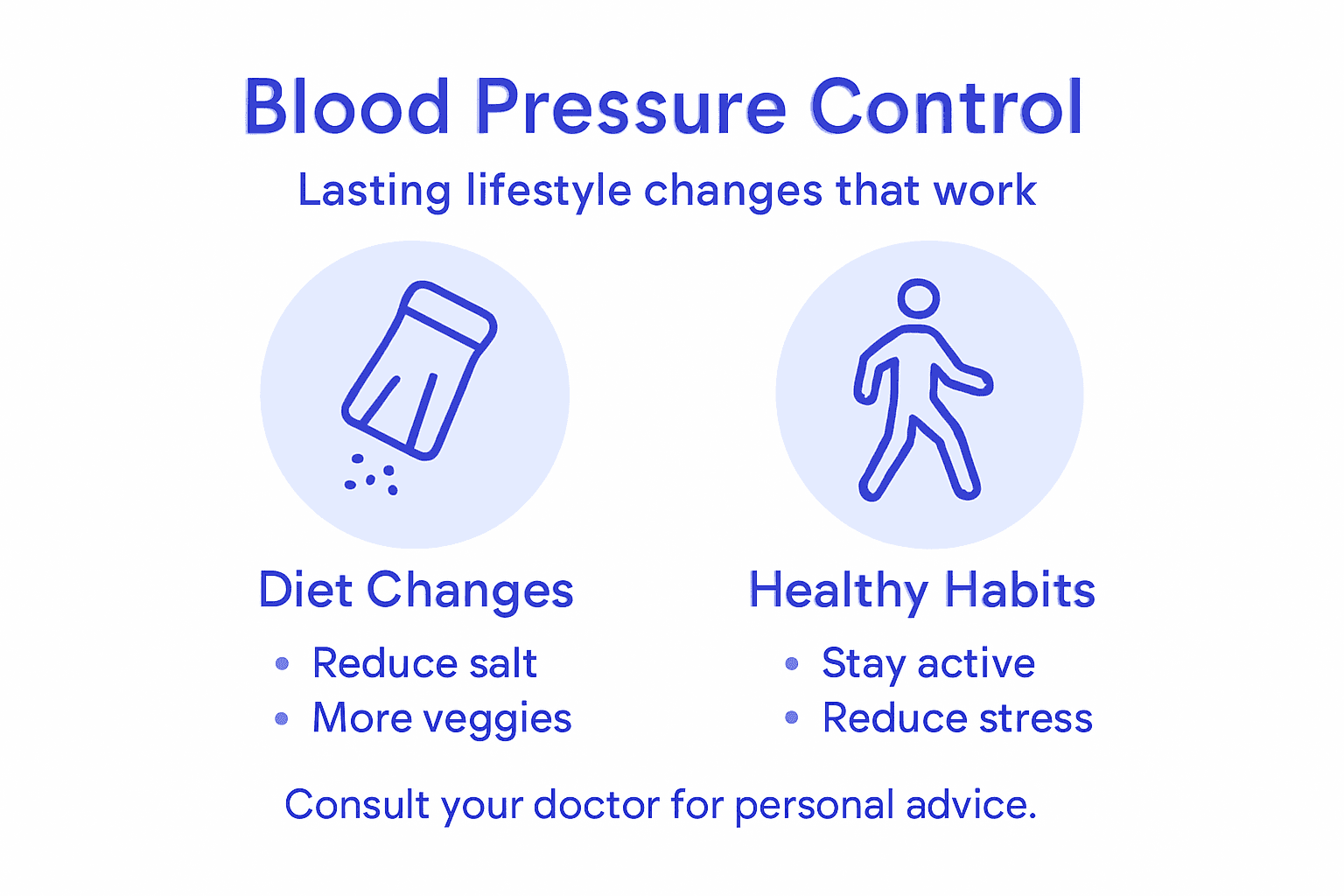
• Heart-healthy diet, plentiful in fruits and vegetables and low in sodium and fat
• Physical activity or exercise
• Maintaining a healthy weight
• Relieving stress
• Getting enough sleep
Moreover, as can be seen, the correlation exists between the aforementioned areas. Several lifestyle changes may have a positive impact on multiple pillars, resulting in profound improvements in one’s wellbeing.
That is why it is essential to concentrate on making life changes, as opposed to focusing on a single intervention.
It is vital to remember that small steps are better than grandiose but unimplemented plans.
Therefore, in a few months, even regular compliance with the basic principles of a heart-healthy lifestyle can yield excellent results by reducing blood pressure.
These recommendations are safe and can be even more effective than separate medications to lower blood pressure.
For individuals who struggle with a hectic schedule and unhealthy habits, it is not necessary to experience complete transformation right away.
For such people, it is essential to begin by making necessary changes in the way they live and then proceed to transform their lives in order to improve their heart health and manage their blood pressure.
Pro tip: Create a weekly wellness tracker to monitor your progress across different lifestyle dimensions and celebrate small health victories.
Diet and exercise for lower blood pressure
Blood pressure is something we have to learn to control through eating the right diet and exercising.
In this article I will talk about the various different ways we can control hypertension through diet and tell you the different exercises that are recommended for people with high blood pressure.
Diet is an essential part of treating people with high blood pressure and can sometimes be enough to dramatically lower ones blood pressure.
The DASH diet is a good place to start.
DASH Diet:
Foods to eat:
-vegetables
-fruit
-whole grain
-low-fat dairy products
-lean meats
Foods to limit:
-sodium
-saturated fats
Things to do increase:
-potassium intake
-calcium
-magnesium
Exercise is also very important to lower blood pressure. Exercise helps lower blood pressure by helping the heart pump more effectively thus lowering resistance in the blood vessels, lower stress levels and improve metabolism.
Forms of exercise that are recommended for people with high blood pressure are:
- 30 mins of moderate exercise most days of the week
- brisk walking
- swimming
- cycling
- strength training exercises
Dietary alterations along with exercise can sometimes be enough to treat high blood pressure in a lot of people
Common mistakes and how to avoid them
Controlling high blood pressure is a responsible and difficult task.
There are many mistakes that can lead to devastating consequences.
The most common mistakes people tend to make when managing high blood pressure include:
Medicine errors:
- discontinuing prescription drugs,
- irregular medication use,
- skipping the dose;
- Neglecting lifestyle:
- not sticking to the recommended diet and exercising habit,
- overlooking the importance of stress management;
Monitoring errors:
- infrequent blood pressure measuring,
- relying only on the numbers from health care professionals,
- failing to keep the log of personal measurements.
It is essential to be aware of them to develop an adequate strategy for fighting hypertension successfully.
Many people who have successfully reduced their blood pressure made significant progress not in one area but in all three.
Unfortunately, many people think that minor adjustments to their lifestyle here and there will reduce blood pressure substantially.
It is not the case; it is vital to make changes in all areas.
Everyone who wants to enhance their health conditions should consider adopting more regular exercising, improve their diet, and try to lose excess pounds. All the recommendations above are beneficial for reducing blood pressure.
Pro tip: it is essential to keep a health journal and track all the procedures and dosages.
Take Control of High Blood Pressure with Proven Lifestyle Strategies
Managing high blood pressure requires making some lifestyle changes that will reduce the risks of developing hypertension and other complications such as heart diseases and strokes.
The article above explains how proper medication, diet, and regular checks can help you stay healthy and free from these complications.
Do not wait until it is too late to take measures that can help lower your blood pressure.
Go to Hypertension Development – LeanAndFit and learn more about how making some healthy lifestyle changes can help.
Search for related information on how to lower the risk of Heart Disease – LeanAndFit and Stroke Risk – LeanAndFit.
Lifestyle changes are necessary to control and reduce blood pressure, so get more information at https://leanandfit.info and take the first step towards a healthier life today.
Frequently Asked Questions:
Q-1: Why does my blood pressure remain high despite ‘eating healthy’?
A-1: This is a common occurrence. As much as one eats healthy most of the time, there are hidden high blood pressure triggers that one interacts with unknowingly.
One example is the amount of salt in a balanced diet. Salt intake should be less than 1500mg per day and is usually hidden in processed foods.
The body constantly works to balance out the fluids and the added salt causes high blood pressure.
In addition, people have hidden high blood pressure triggers such as lack of sleep, stress, or even insufficient fluids.
Q-2: Can stress be the sole reason for high blood pressure despite working out?
A-2: One may be having a proper workout regime, but if the person has chronic emotional stress, then it can contribute to high blood pressure.
The stress causes the heart to pump blood faster and for the arteries to narrow down.
Stress management techniques such as taking a walk, a deep breath, and even having moments of silence, lower blood pressure and are essential for the overall well-being of the person.
Q-3 Why are small changes in lifestyle not yielding any improvement?
A-3: Improvement in lifestyle and blood pressure is a gradual process.
Small changes in lifestyle can make a great difference, but it will take time. Blood pressure reduction is not like losing weight and may take months to reflect an improved result.
Changes such as eating healthier, exercising regularly, and getting adequate sleep help reduce blood pressure consistently and steadily.
Q-4:Is walking a good activity to help lower blood pressure?
A-4:Walking is an excellent way to lower blood pressure. It can be compared to jogging and exercising, but it does not cause harm in most cases.
A regular walk reduces the risk of obesity, stress, and heart disease, among other complications of high blood pressure.
A good walk can be taken at least five days a week for a minimum of 30 minutes.
However, it is not necessary to walk at a fast pace; the key ingredient to success with this regimen is consistency.
Q-5: How does lack of sleep affect blood pressure?
A-5: When a person sleeps, the body is able to take a short break and restore its energy.
Lack of sleep increases sleepiness during the day and increases the risk of hypertension-related problems such as obesity and diabetes. In addition to that, a short sleep causes a hormonal imbalance which results in poor metabolism.
With a few hours of additional sleep, one can observe a significant change in their health.
Q-6: Can healthy food in packets increase blood pressure?
A-6:Hypertension occurs when the blood vessels constrict and the pressure in them increases. One of the biggest causes of this condition is a high-salt diet.
Salt is used to flavour food and is present in almost all kinds of food.
Hence, when one buys a packet of food, it is upon them to ensure that they do not take it straight from the packet to their mouth.
Salt is necessary for bodily functions, but more than 1500mg a day increases the risk of having high blood pressure.
Q-7: Which habit do you think has the most profound effect on reducing blood pressure and why?
A-7:The most profound effect on reducing blood pressure comes from exercising regularly and eating a balanced diet. When working out, one tends to breathe more heavily and the heart rate increases.
This leads to an increase in blood flow during workouts. The heavy breathing leads to increased oxygen intake which is needed in the production of energy.
During the recovery time after working out, the heart rate goes back to normal, but the body has more energy as the blood vessels open up allowing more flow of blood.
Another way to maintain a good and consistent routine that benefits the whole body is having good eating habits.
Recommended
- Understanding Healthy Lifestyle Changes for Better Living – LeanAndFit
- Understanding Long Term Weight Maintenance for a Healthy Life – LeanAndFit
- What Is Healthy Living? Complete Overview and Guide – LeanAndFit
- How Excess Body Fat Leads to High Blood Pressure? – LeanAndFit
- Why Trust LeanAndFit.info?
- For educational purposes only