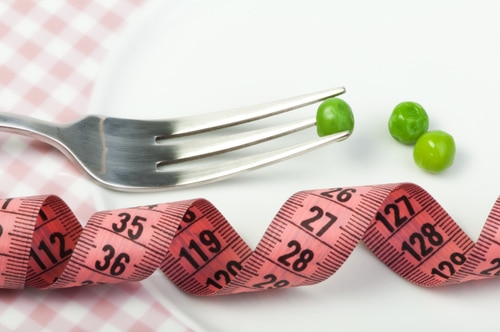

Most people think cutting calories is the main strategy for weight loss and ignore what actually goes into their meals.
Surprising right?
Protein and carbs each have only 4 calories per gram, but fat delivers 9 calories per gram, more than double.
That means your plate’s balance is just as important as your total calories and can completely change your weight loss experience.
Table of Contents
- What Are Macronutrients And Their Role In Weight Loss?
- Why Macronutrient Balance Matters For Effective Weight Management
- How Macronutrients Influence Your Body’s Weight Loss Process
- Key Concepts: Carbohydrates, Proteins, And Fats Explained
- Real-World Applications Of Macronutrients In Weight Loss Diets
Quick Summary
| Takeaway | Explanation |
|---|---|
| Focus on protein intake | Higher protein helps maintain muscle mass during weight loss, improving metabolism. |
| Balance macronutrients strategically | Proper ratios of proteins, fats, and carbohydrates support energy needs and hunger management. |
| Prioritize whole food sources | Whole foods enhance satiety and nutritional intake better than processed foods. |
| Customize your macronutrient ratios | Tailored ratios based on individual metabolism yield better long-term weight management. |
| Implement a moderate calorie deficit | This allows sustainable weight loss while ensuring nutrient balance and energy levels. |
What are Macronutrients and Their Role in Weight Loss?
Macronutrients are the fundamental nutritional components that provide energy and support critical bodily functions.
Understanding their role in weight loss is crucial for developing an effective nutrition strategy.
According to research from the National Academies, macronutrients are categorized into three primary groups: proteins, carbohydrates, and fats.
The Three Essential Macronutrients
Each macronutrient plays a unique role in supporting metabolism and overall health:
Below is a table comparing the three essential macronutrients, highlighting their key functions and calorie contribution to support deeper understanding.
| Macronutrient | Main Functions | Calories per Gram |
|---|---|---|
| Protein | Muscle repair, immune function, metabolic processes, supports satiety | 4 |
| Carbohydrates | Primary energy source, fuels daily activities and brain function | 4 |
| Fats | Hormone production, nutrient absorption, concentrated energy storage | 9 |
- Proteins: Critical for muscle repair, immune function, and metabolic processes. They help maintain lean muscle mass during weight loss and promote satiety.
- Carbohydrates: The body’s primary energy source, providing fuel for daily activities and supporting brain function.
- Fats: Essential for hormone production, nutrient absorption, and providing concentrated energy storage.
Macronutrients and Calorie Balance
Weight loss fundamentally depends on creating a calorie deficit.
Research from the CDC confirms that weight management is about balancing energy intake and expenditure.
Macronutrients contribute differently to this equation:
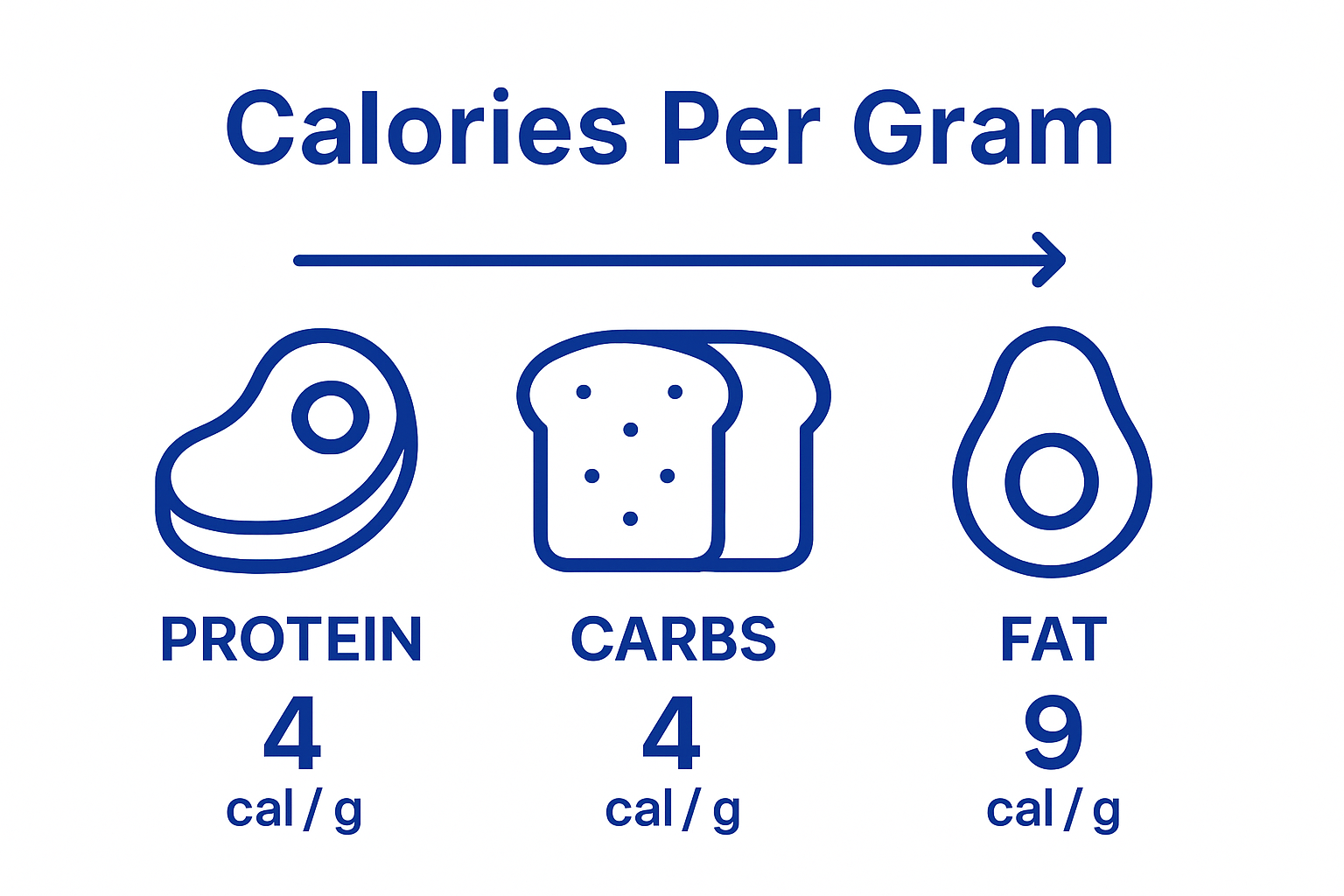
- Protein provides 4 calories per gram
- Carbohydrates provide 4 calories per gram
- Fats provide 9 calories per gram
A strategic approach to macronutrient consumption can help optimize weight loss by supporting metabolism, maintaining muscle mass, and controlling hunger.
For instance, higher protein intake can help preserve muscle during weight reduction, which is crucial for maintaining a healthy metabolic rate.
Understanding how to balance these macronutrients can transform your weight loss journey from a restrictive diet to a sustainable, science-backed nutrition plan.
Learn more about strategic meal planning to maximize your weight loss potential.
Why Macronutrient Balance Matters for Effective Weight Management?
Macronutrient balance isn’t just about counting calories—it’s about strategically consuming nutrients that support metabolism, preserve muscle mass, and optimize energy expenditure.
Research from the US Institute of Medicine recommends specific distribution ranges for each macronutrient to support overall health and weight management.
The Impact of Macronutrient Ratios on Weight Loss
Your body responds differently to various macronutrient combinations. A strategic approach can significantly influence weight loss success:
- Protein Preservation: Higher protein intake helps maintain lean muscle mass during calorie restriction
- Metabolic Flexibility: Balanced macronutrients support efficient energy conversion and metabolism
- Hunger Management: Proper nutrient ratios can help control appetite and reduce unnecessary calorie consumption
Long-Term Weight Management Strategies
Research analyzing multiple weight loss trials reveals that while specific diet approaches might produce short-term weight loss, long-term success depends more on sustainable nutrient balance than extreme restrictions.
Different macronutrient approaches yield varied results:
- Low-carbohydrate diets can produce faster initial weight loss
- Balanced macronutrient plans tend to be more sustainable over time
- Individual metabolic responses vary, making personalization crucial
Understanding your body’s unique nutritional needs is key.
Learn more about optimizing nutrient intake to transform your weight management approach from a temporary diet to a lifelong healthy lifestyle.
How Macronutrients Influence Your Body’s Weight Loss Process
Research from recent clinical trials reveals that macronutrients play a nuanced role in weight loss beyond simple calorie counting.
Each macronutrient interacts uniquely with metabolism, hormones, and energy expenditure, creating a complex biochemical environment that determines weight management success.
Metabolic Processing of Macronutrients
Each macronutrient undergoes distinct metabolic pathways that impact weight loss differently:
- Protein: Triggers higher thermic effect, requiring more energy to digest and metabolize
- Carbohydrates: Directly influences insulin response and blood sugar regulation
- Fats: Plays critical role in hormone production and long-term energy storage
Energy Expenditure and Macronutrient Interaction
Scientific studies on protein metabolism demonstrate that higher protein intake can increase daily energy expenditure.
This means consuming more protein might help burn additional calories, even at rest.
The body expends more energy processing protein compared to carbohydrates or fats, creating a metabolic advantage for weight loss.
The intricate relationship between macronutrients extends beyond simple energy calculations.
Hormonal responses, metabolic flexibility, and individual genetic variations all contribute to how effectively your body processes nutrients.
Learn more about achieving sustainable weight loss by understanding these complex physiological interactions.
Key Concepts: Carbohydrates, Proteins, and Fats Explained
Research from the Institute of Medicine establishes clear guidelines for understanding macronutrients and their roles in nutrition. Each macronutrient serves unique functions in the body, contributing differently to metabolism, energy production, and overall health.
Understanding Carbohydrates
Carbohydrates are the body’s primary energy source, providing quick fuel for immediate metabolic needs:
This table summarizes the different types of carbohydrates, proteins, and fats as explained in the article, helping clarify their unique contributions and properties.
| Type | Description | Key Benefits |
|---|---|---|
| Simple Carbohydrates | Rapidly absorbed, cause quick blood sugar spikes | Quick energy boost |
| Complex Carbohydrates | Digested slowly for sustained energy | Prolonged satiety, stable energy |
| Fiber | Non-digestible carb, supports digestion | Digestive health, satiety |
| Protein | Muscle tissue repair, enzyme and hormone production | Muscle maintenance, metabolism |
| Fat | Supports hormone production and nutrient absorption | Energy storage, hormone health |
- Simple Carbohydrates: Rapidly absorbed, causing quick blood sugar spikes
- Complex Carbohydrates: Slower digestion, providing sustained energy
- Fiber: Essential for digestive health and prolonged satiety
Protein: The Body’s Building Block
Comprehensive research highlights protein’s critical role in muscle preservation and metabolic function. Proteins are fundamental for:
- Muscle tissue repair and growth
- Enzyme and hormone production
- Supporting immune system function
Fats: More Than Energy Storage
Contrary to popular misconception, fats are essential for multiple bodily processes. They play crucial roles in:
- Hormone production
- Nutrient absorption
- Providing concentrated energy storage
Explore strategies for balanced nutrition to optimize your macronutrient intake and support sustainable weight management.
Real-World Applications of Macronutrients in Weight Loss Diets
Research from comprehensive clinical trials demonstrates that successful weight loss isn’t about following a single rigid dietary approach, but understanding how to strategically balance macronutrients for individual metabolic needs.
Designing Personalized Nutrition Strategies
Effective weight loss diets require a nuanced understanding of individual metabolic responses:
- Individual Variability: No single macronutrient ratio works universally
- Quality Matters: Source of macronutrients significantly impacts weight loss
- Metabolic Flexibility: Adaptability determines long-term success
Practical Macronutrient Balancing
Successful weight loss approaches emphasize food quality over strict macronutrient percentages.
Long-term nutritional studies reveal critical insights:
- Whole food sources trump processed alternatives
- Plant-based proteins demonstrate superior long-term weight management
- Consistent dietary patterns matter more than extreme restrictions
The key is developing a sustainable approach that provides nutritional balance while creating a moderate calorie deficit.

Explore precise meal planning techniques to transform your weight loss journey.
Turn Macronutrient Knowledge Into Lasting Weight Loss Results
You have learned that understanding proteins, carbs, and fats is essential for achieving a healthy weight. If you are still struggling to create the right balance and see real results, you are not alone.
Many people feel confused about how to structure their meals for a steady calorie deficit while preserving muscle and controlling hunger.
The pain of inconsistent progress or frustrating plateaus often starts with not having a clear, actionable plan tailored to your needs.
Our resources about Calorie Deficit reveal how science-based macronutrient strategies make a difference in sustainable weight loss.

Do not leave your results to guesswork. Discover practical, step-by-step solutions and everyday advice at leanandfit.info.
Explore meal plans, expert tips, and success stories that help you balance macronutrients for real fat loss.
Make the first move toward your goals now by learning more about effective Low-Carb Diets and other proven nutrition methods. Start your journey to lasting weight management today.
Frequently Asked Questions:
This FAQ is all about simplifying macronutrients so they actually make sense in real life.
It answers the confusing, often unspoken questions people have while trying to lose weight.
Think of it as a friendly, no-jargon guide to using carbs, proteins, and fats the smart way.
Q-1: Why do I feel more confused about macros after trying to track them?
A-1: Because most macro advice overcomplicates something that should be simple. People get stuck in numbers, percentages, and apps, forgetting the basic idea—balance. Macros are just protein, carbs, and fats.
Instead of obsessing over exact grams, focus on building balanced meals.
For example, include a protein source, some fiber-rich carbs, and a bit of healthy fat in each meal. When you shift from perfection to awareness, macros become easier to manage and much less stressful.
Q-2: Can I lose weight even if my macro ratios are not “perfect”?
A-2: Absolutely. There is no universal “perfect” ratio that works for everyone. Weight loss mainly depends on maintaining a calorie deficit over time. Macros simply influence how easy or difficult that process feels.
For instance, higher protein can keep you full longer, while balanced carbs provide energy. Instead of chasing ideal ratios, aim for consistency and meals that keep you satisfied. That’s what really matters.
Q-3: Why do carbs get blamed the most in weight loss discussions?
A-3: Carbs are often misunderstood. They are the body’s primary energy source, but when consumed in excess—especially refined carbs—they can lead to overeating. The issue isn’t carbs themselves, but the type and quantity.
Whole carbs like fruits, vegetables, and whole grains behave very differently from sugary snacks. When you choose quality carbs and balance them with protein, they actually support weight loss rather than hinder it.
Q-4: How does protein quietly influence fat loss without me noticing?
A-4: Protein works behind the scenes in powerful ways. It helps preserve muscle while you’re losing weight, which keeps your metabolism more active. It also increases satiety, meaning you feel full longer and naturally eat less.
Interestingly, your body burns more calories digesting protein compared to carbs or fats. So even if you’re not tracking macros closely, simply increasing protein intake can improve your results.
Q-5: Why do fats feel scary but still necessary in a weight loss diet?
A-5: Fats have been unfairly labeled as “bad,” mainly because they are calorie-dense. But your body needs healthy fats for hormone balance, brain function, and overall health. The key is moderation.
Including small amounts of fats like nuts, seeds, or olive oil can actually make meals more satisfying and prevent overeating later. Avoiding fats completely often backfires, leading to cravings and poor adherence.
Q-6: What happens when one macronutrient dominates my meals too much?
A-6: Imbalance creates problems. Too many carbs can lead to energy crashes and hunger spikes. Too little protein can make you feel constantly hungry. Too much fat can increase calorie intake quickly.
Each macro has a role, and when one takes over, the system stops working efficiently. Balanced meals help stabilize energy levels, improve digestion, and support sustainable weight loss.
Q-7: Can I “feel” when my macros are off without tracking anything?
A-7: Yes, your body gives clear signals. Constant hunger may indicate low protein or fiber. Energy crashes could mean too many refined carbs. Feeling sluggish might be due to excessive fats or overall overeating.
When you start paying attention to these signals, you can adjust your meals naturally. This intuitive approach can be just as effective as tracking for many people.
Q-8: Why do I lose weight faster initially when I cut carbs drastically?
A-8: The initial drop is often due to water loss, not fat loss. Carbs store water in your body, so reducing them quickly reduces water weight. While this can feel motivating, it is not always sustainable.
Over time, extreme carb restriction can lead to low energy and cravings. A moderate, balanced approach usually works better for long-term success.
Q-9: How can I make macros work for me without turning my life into a math problem?
A-9: Keep it simple and practical. Use visual cues instead of numbers—like filling half your plate with vegetables, adding a palm-sized portion of protein, and including a small amount of healthy fat.
Focus on whole foods and consistency rather than precision. Macros are tools, not rules. When you use them to guide your choices instead of control them, weight loss becomes much more sustainable.
Recommended:
- How to Calculate Your Calorie Deficit for Weight Loss? – LeanAndFit
- How to Make Smoothies for Weight Loss and Health – LeanAndFit
- How Calorie Counting in Meal Planning Aids in Fat Loss? – LeanAndFit
- Why Trust LeanAndFit.info?
- For educational purposes only
- Meal Prep for Weight Loss: Simple Strategies and Recipes – LeanAndFit