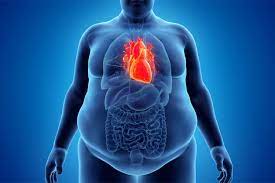
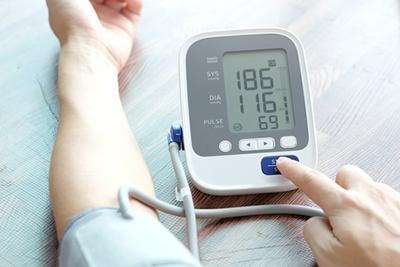
Blood pressure, a critical marker of cardiovascular health, is influenced by a variety of factors, including genetics, lifestyle, and body composition.
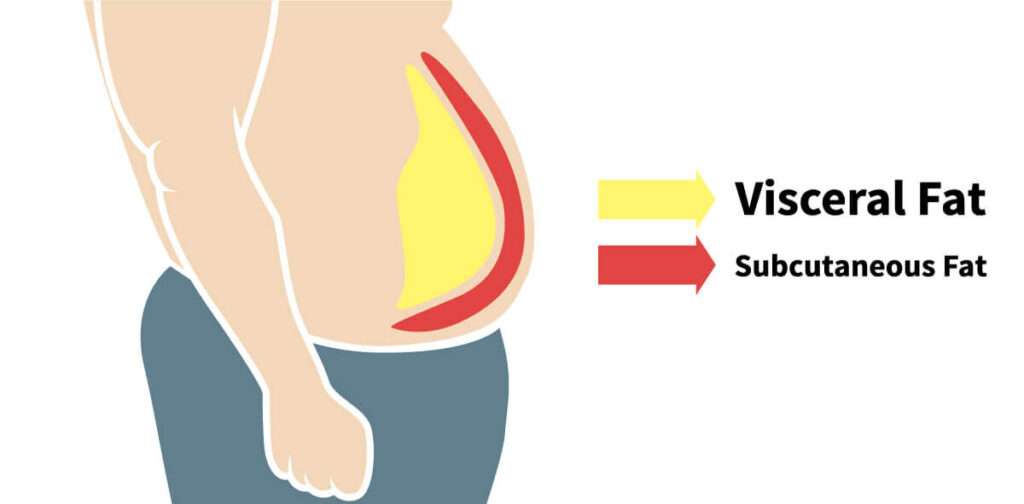
Among these, visceral fat—a type of fat stored deep within the abdominal cavity around vital organs—plays a significant role in elevating blood pressure.
Unlike subcutaneous fat, which lies just beneath the skin, visceral fat is metabolically active and can trigger processes that affect blood pressure regulation.
This article explores the mechanisms linking visceral fat to elevated blood pressure, delves into scientific studies, and provides real-life examples to illustrate this connection.
Table of Contents
- Introduction to Visceral Fat and Its Role in Health
- How Visceral Fat Affects Blood Pressure
- 2.1. Hormonal Dysregulation
- 2.2. Increased Systemic Inflammation
- 2.3. Impact on Renal Function
- Why Visceral Fat is More Dangerous than Subcutaneous Fat
- Real-Life Examples: Understanding the Link Between Visceral Fat and Hypertension
- 4.1. Case Study: A Sedentary Lifestyle and Its Consequences
- 4.2. Case Study: Reversing Hypertension by Addressing Visceral Fat
- FAQs on Visceral Fat & Visceral Fat
- Conclusion
Introduction to Visceral Fat and Its Role in Health
Visceral fat, often referred to as “belly fat,” is stored around internal organs such as the liver, pancreas, and intestines.
Unlike subcutaneous fat, visceral fat is highly metabolically active and releases various bioactive substances, including hormones and cytokines, into the bloodstream.
These substances play a key role in regulating processes such as insulin sensitivity, inflammation, and vascular tone.
However, an excess of visceral fat is strongly associated with an increased risk of metabolic disorders, including hypertension.
According to a study published in Hypertension Research (Nagai et al., 2010), visceral fat contributes to higher blood pressure levels by disrupting hormonal balance, increasing inflammatory markers, and impairing kidney function.
Understanding the role of visceral fat in elevating blood pressuret is crucial for addressing its impact on blood pressure and overall health.
How Visceral Fat Affects Blood Pressure?
A quick look at the main reasons:
Hormonal Dysregulation:
Visceral fat releases excess amounts of hormones like cortisol and adipokines, including leptin and adiponectin, which regulate energy balance and vascular function.
Elevated cortisol levels from visceral fat contribute to increased sodium retention by the kidneys, a mechanism that raises blood pressure.
At the same time, an imbalance in leptin can lead to leptin resistance, where the body’s normal regulation of hunger and metabolism is impaired.
A study in the Journal of Clinical Investigation (Mark et al., 2004) found that high levels of leptin are associated with overactivity of the sympathetic nervous system, which contributes to hypertension.
This hormonal dysregulation highlights the pivotal role of visceral fat in disturbing normal cardiovascular function.
Increased Systemic Inflammation:
Visceral fat is a major source of pro-inflammatory cytokines such as tumor necrosis factor-alpha (TNF-α) and interleukin-6 (IL-6).
These inflammatory markers disrupt the endothelium, the inner lining of blood vessels, impairing their ability to dilate and regulate blood flow.
Chronic inflammation caused by visceral fat can lead to vascular stiffness, increasing resistance to blood flow and elevating blood pressure.
For example, a study published in Circulation (Yudkin et al., 2003) demonstrated that individuals with higher levels of visceral fat had elevated systemic inflammation and a corresponding increase in blood pressure compared to those with lower visceral fat levels.
Impact on Renal Function:
Visceral fat also exerts direct pressure on the kidneys due to its proximity and weight.
This pressure can impair renal function, leading to reduced ability to filter sodium and maintain fluid balance.
Excess visceral fat often causes an increase in renal sympathetic nerve activity, which raises blood pressure by promoting vasoconstriction and fluid retention.
Research in Kidney International (Hall et al., 2010) emphasizes that the relationship between visceral fat and kidney function is bidirectional: as renal function deteriorates, blood pressure increases, creating a vicious cycle that further exacerbates hypertension.
Why Visceral Fat is More Dangerous than Subcutaneous Fat?
Both visceral and subcutaneous fat contribute to overall body fat, but their metabolic functions and health implications differ significantly.
Subcutaneous fat, which lies just beneath the skin, primarily acts as an energy reserve and has limited systemic effects.
In contrast, visceral fat, stored deep within the abdominal cavity around organs like the liver, pancreas, and intestines, is metabolically active and far more harmful.
Visceral fat releases bioactive molecules, including cytokines like interleukin-6 (IL-6) and tumor necrosis factor-alpha (TNF-α), directly into the portal circulation, which delivers blood to the liver.
This proximity enables these molecules to influence liver metabolism, promoting insulin resistance, increased lipid production, and systemic inflammation.
In comparison, subcutaneous fat has a more localized effect and does not significantly contribute to metabolic disturbances.
A landmark study published in The Lancet Diabetes & Endocrinology (Després, 2012) underscored that visceral fat is a stronger predictor of hypertension and cardiovascular disease than subcutaneous fat.
This finding is particularly relevant in individuals with “normal weight but central obesity,” where a seemingly healthy body mass index (BMI) masks the high cardiovascular risks associated with excess visceral fat.
For example, John, a 40-year-old man with a normal BMI but significant abdominal fat, was diagnosed with hypertension and early signs of metabolic syndrome.
His condition improved only after targeted interventions reduced his visceral fat.
Such cases highlight the dangerous metabolic activity of visceral fat and its direct link to serious health conditions.
Understanding the Link Between Visceral Fat and Hypertension
Let us walk you through 2 such examples:
Rajesh: A Sedentary Lifestyle and Its Consequences
Rajesh, a 42-year-old software engineer, led a sedentary lifestyle, spending hours at his desk and consuming calorie-dense foods.
Over time, he developed noticeable abdominal obesity and was diagnosed with hypertension during a routine check-up.
His blood work revealed elevated levels of inflammatory markers, while imaging showed significant visceral fat accumulation around his liver and kidneys.
His doctor explained that his visceral fat was releasing inflammatory cytokines, which contributed to vascular stiffness and elevated blood pressure.
Rajesh’s case highlights how a sedentary lifestyle and poor diet can lead to visceral fat accumulation and its cascading effects on cardiovascular health.
Maria: Reversing Hypertension by Addressing Visceral Fat
Maria, a 50-year-old teacher, struggled with high blood pressure despite being moderately active. Upon consultation, her physician identified visceral fat as a key contributor.
Maria adopted a targeted regimen of regular exercise, including resistance training such as dumbbell lunges and aerobic activities, coupled with a Mediterranean diet rich in anti-inflammatory foods.
Over six months, Maria reduced her visceral fat significantly, as confirmed by imaging scans. Her blood pressure normalized, and her inflammatory markers decreased.
This example underscores the importance of addressing visceral fat through lifestyle changes to manage hypertension effectively.

FAQs on Visceral Fat & Visceral Fat:
This FAQ explains how visceral fat—the deep fat stored around your organs—quietly drives up blood pressure. Each answer combines practical insight with data so you can understand the risk and take targeted action.
Q-1: Can I have normal weight but still have visceral fat that raises my blood pressure?
A-1: Yes. This is often called “TOFI” (thin outside, fat inside). Studies estimate 10–20% of normal-weight adults carry excess visceral fat, which can increase hypertension risk by up to 2 times compared to those with low visceral fat levels.
Q-2: Why does visceral fat increase blood pressure even if my cholesterol is normal?
A-2: Visceral fat releases inflammatory chemicals (cytokines) that affect blood vessels. Research shows these inflammatory markers can increase vascular stiffness by 15–25%, leading to higher blood pressure even when cholesterol appears normal.
Q-3: How quickly can visceral fat start affecting my blood pressure?
A-3: Faster than most people expect. Studies suggest noticeable effects on blood pressure can occur within 8–12 weeks of increased visceral fat accumulation, especially with poor diet and inactivity.
Q-4: Does visceral fat directly affect my kidneys’ role in controlling blood pressure?
A-4: Yes. Visceral fat can compress and disrupt kidney function. Research shows it can increase sodium retention by up to 20%, which directly contributes to elevated blood pressure levels.
Q-5: Can losing a small amount of visceral fat significantly lower blood pressure?
A-5: Absolutely. Losing just 5–10% of body weight can reduce systolic blood pressure by 5–10 mmHg, largely due to reductions in visceral fat and improved vascular function.
Q-6: Why do people with belly fat often have higher morning blood pressure readings?
A-6: Visceral fat influences hormone activity, including cortisol. Elevated cortisol levels in the morning can increase blood pressure by 10–20 mmHg in some individuals, especially those with central obesity.
Q-7: Is waist size a reliable indicator of visceral fat affecting blood pressure?
A-7: Yes, it’s one of the simplest indicators. A waist circumference above 40 inches (men) and 35 inches (women) is strongly associated with increased visceral fat and a 50–60% higher risk of hypertension.
Q-8: Can exercise specifically reduce visceral fat and improve blood pressure?
A-8: Yes. Aerobic exercise has been shown to reduce visceral fat by 10–20% over 3–6 months, which can lower blood pressure by 4–9 mmHg, even without major weight loss.
Q-9: Does visceral fat affect blood pressure differently than subcutaneous fat?
A-9: Yes, significantly. Visceral fat is metabolically active and releases hormones that directly impact blood pressure. Studies show it has a 2–3 times stronger association with hypertension compared to subcutaneous fat.
Q-10: Can poor sleep increase visceral fat and worsen blood pressure together?
A-10: Yes. Sleeping less than 6 hours per night is linked to increased visceral fat accumulation by up to 20%, which in turn raises blood pressure risk. Poor sleep also disrupts hormones that regulate appetite and stress.
Conclusion Insight:
Visceral fat is more than just a cosmetic concern—it’s a powerful driver of high blood pressure. The encouraging part is that even small lifestyle changes can significantly reduce visceral fat and improve heart health. Recognizing the connection early gives you a strong advantage in preventing long-term complications.
Conclusion
Visceral fat significantly influences blood pressure by triggering mechanisms such as hormonal imbalance, chronic inflammation, and reduced kidney function.
Unlike subcutaneous fat, which is primarily a passive energy reserve, visceral fat actively disrupts metabolic processes, establishing itself as a major factor in the development of hypertension.
The experiences of individuals like Rajesh, who faced persistent blood pressure issues due to high visceral fat levels, and Maria, who successfully improved her condition by targeting this hidden health risk, underscore the critical role visceral fat plays in overall health.
These cases highlight how visceral fat not only elevates blood pressure but also impacts broader aspects of metabolic well-being.
Recognizing the link between visceral fat and hypertension is essential for devising effective management strategies.
Addressing visceral fat through sustained lifestyle changes, such as green smoothie diet plan, regular physical activity, and targeted interventions, can lead to significant improvements in cardiovascular health.
The undeniable benefits of reducing visceral fat extend far beyond managing blood pressure, supporting overall health and longevity.
Ongoing research into the relationship between visceral fat and hypertension continues to shed light on potential therapeutic approaches, emphasizing the urgency of tackling this metabolically active and dangerous form of fat.
Recommended:
- https://leanandfit.info/managing-high-blood-pressure/
- https://leanandfit.info/how-excess-body-fat-leads-to-high-blood-pressure/
- https://leanandfit.info/how-obesity-increases-your-blood-pressure-levels/
- https://leanandfit.info/how-risky-is-elevated-blood-pressure-in-obesity/
- https://pmc.ncbi.nlm.nih.gov/articles/PMC7491841/
- For educational purposes only
- Why Trust LeanAndFit.info?