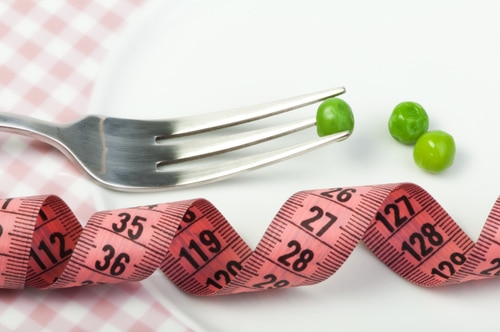

Nearly all of us have heard stories about how a detox diet can rid the body of impurities by eliminating toxins. As it turns out, our liver and kidneys are hard at work doing just that, so most detoxes are downright pointless.
Being informed about what these diets purport to do, what they actually do, and how they can affect your health in the long run can help you avoid spending money on a largely ineffective fad.
Table of Contents
- Detox Diets Defined And Common Misconceptions
- Popular Types Of Detox Diets Explained
- How Detox Diets Claim To Work
- Health Benefits And Scientific Evidence
- Risks, Drawbacks, And Potential Side Effects
- Safe Alternatives To Traditional Detox Diets
Key Takeaways
| Point | Details |
|---|---|
| Detox diets lack scientific support | Claims of detox diets providing health benefits, such as toxin elimination and weight loss, are not substantiated by scientific evidence. |
| Body naturally detoxifies | The liver and kidneys efficiently clear toxins without the need for specialized diets or interventions. |
| Potential health risks | Detox diets can lead to serious nutritional deficiencies, dehydration, and other health complications. |
| Focus on balanced nutrition | Sustainable health benefits arise from a balanced diet, regular exercise, and hydration rather than extreme detox diets. |
Detox Diets Defined And Common Misconceptions
A detox diet is an attractive idea — getting rid of toxins, detoxifying, and losing weight quickly and easily.
However, the situation is not so simple, as Wikipedia explains: detoxification in alternative medicine is a practice aimed to remove from the body of toxins that have infiltrated it, with special diets, fasting, or methods of deliberate eating. Nevertheless, according to science, detoxes are not only ineffective but also potentially dangerous.
The fundamental mistake in detox diets is the belief that they are necessary for cleansing the body of toxic substances. A detox diet is a set of special actions designed to remove toxins and harmful substances that the body is completely capable of getting rid of on its own, with no effort or special loads on the liver and kidneys.
As it says on Live Mint , these organs are responsible for getting rid of toxins, so there is no need to burden them with additional problems and overload during fasting or detoxes.
Common myths surrounding detox diets include:
- Toxins accumulate in the body without intervention
- Specific diets can forcibly remove these toxins
- Weight loss from detox diets represents meaningful health improvement
- Commercial detox products are scientifically validated
In reality, any meaningful health improvements are usually related to a balanced diet, physical activity, and sufficient water intake.
In addition, it is also important to help the body to do its work and support the metabolism. Of course, there are many diet detoxes that can do the work for you in a matter of days, but they may also affect your health unfavorably. Therefore, learning about Common Weight Loss Mistakes can be helpful in navigating through them.
Popular Types Of Detox Diets Explained
Detox diets can take a variety of forms. They are all supposed to help the body get rid of the toxins and shed some pounds.
According to Wikipedia, Juice fasting is a type of detox diet which involves stopping eating and only drinking fruit and vegetable juices.
Products such as these advertise themselves as providing a miracle cure for a toxic body, but there is no scientific evidence that this is the case.
Another popular detox is known as the Master Cleanse or the lemonade diet, according to Wikipedia.
This diet consists of drinking lemon juice, maple syrup and cayenne pepper mixed together with herbal laxative teas. It is said to tone and detoxify the body, but doctors say it is nothing more than a fast way to lose weight.
Common types of detox diets include:
Here’s a comparison of popular detox diets and their main features:
| Type of Detox Diet | Method | Scientific Support | Common Risks |
|---|---|---|---|
| Juice Fasting | Only juices, no solid foods | None | Nutrient deficiency Fatigue |
| Master Cleanse | Lemon, maple syrup, cayenne, teas | None | Muscle loss Dizziness |
| Water Fasting | Only water, no food | None | Dehydration Electrolyte imbalance |
| Smoothie Cleanse | Smoothies replace meals | None | Hunger Poor protein intake |
| Herbal Detox | Herbal supplements, teas | None | Laxative effects Unknown safety |
| Raw Food Detox | Raw fruits and vegetables only | None | Inadequate calories Gastroint. distress |
- Juice fasting
- Master Cleanse
- Water fasting
- Smoothie cleanses
- Herbal supplement detoxes
- Raw food detox
While these diets might seem appealing, they often lack nutritional balance and sustainable health benefits.
 For those seeking genuine dietary improvements, Understanding Intermittent Fasting Guide for Healthy Living offers a more scientifically-supported approach to dietary modification and potential weight management.
How Detox Diets Claim To Work?
Detox diets are based on the appealing concept of eliminating toxins from the body.
According to Wikipedia, detox diets claim to get rid of one’s toxins by doing special diets, fasting, and taking certain nutritional supplements.
Proponents of these diets claim to improve the body’s own ability to detoxify, although there is no clinical evidence to support this theory.
The process of detox diets is rather questionable since they are based on a number of myths about the way the human body works.
Live Mint journal has compiled a list of the most common reasons why people decide to go detox.
One myth states that our bodies can accumulate toxins which have a negative effect on the immune system.
Medical professionals around the world disagree since they state that the liver, kidneys, and lungs are capable of eliminating toxins on their own without any additional help.
Live Mint also mentions that there are some credible health benefits associated with detox diets.
The main idea is to give the digestive system a break in order to let the body heal and recover.
Key claims made by detox diet proponents include:
- Eliminating undefined “toxins” from the body
- Resetting metabolic processes
- Rapid weight loss
- Improving overall energy and wellness
- Clearing skin and enhancing complexion
For those who are really serious about making a difference to their health, 7 Common Weight Loss Myths Debunked provides scientifically proven advice on lasting health.
Knowing what goes on in our body is much healthier than getting involved in dubious detoxifying fads.
Health Benefits And Scientific Evidence
The scientific community has been questioning the claims of detox diet proponents for quite some time. According to Wikipedia, a 2015 review concluded that there was no scientific evidence backing up the need for detox diets for weight loss and toxin removal.
In fact, the article states that health professionals should advise against them considering not only the cost but also the fabricated nature of these diets and their potential health effects.
Live Mint supports this point by stating that the body’s natural detox mechanisms are more than sufficient to remove any toxins ingested and that the so-called toxins in the detox diet industry are not even proven to exist.
Detox diets are a sham because there is no scientific basis for their claims.
Key scientific findings about detox diets include:
- No proven long-term health benefits
- Potential nutritional deficiencies
- Risk of metabolic disruption
- Lack of sustainable weight loss
- Possible negative impacts on overall metabolism
For those who are looking for an alternative to popular detox diet fads, Understanding Evidence Based Weight Loss for Success provides a solid scientific alternative.
A realistic approach to lasting weight loss and better health will include a thorough change of many lifestyle factors, not just a temporary, unproven diet.
Risks, Drawbacks, And Potential Side Effects
Detox diets can, in some cases, do more harm than good. According to Wikipedia, extreme detox diets can cause health issues.
Some of these include extreme nutrition deficiencies, dehydration, and dangerous electrolyte imbalance. Not only that, but they can also stop people from getting life-saving treatment for other diseases.
Live Mint states that dangerously limiting calories can cause the body to go into shock.
Practitioners often experience debilitating symptoms such as:
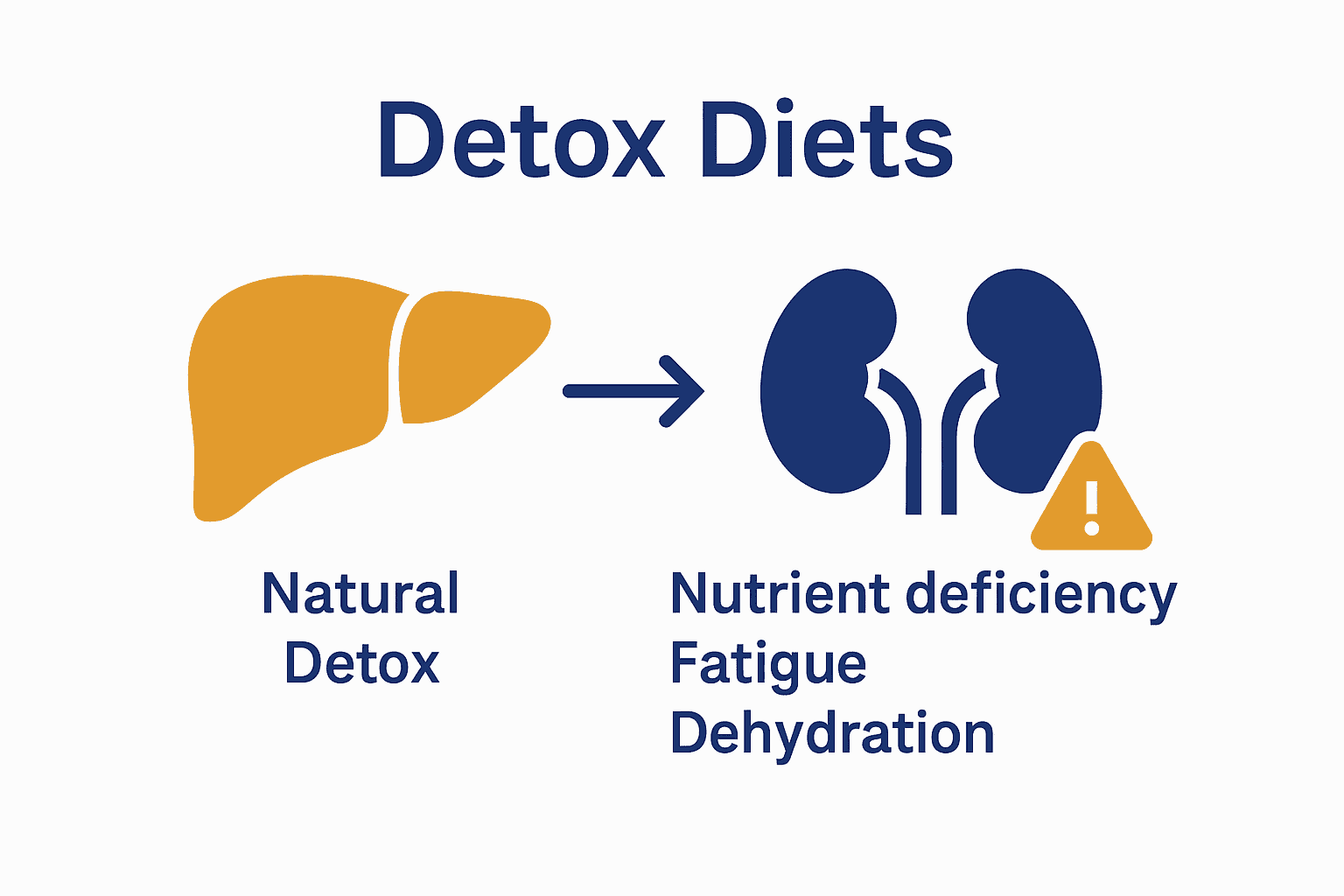
- Persistent fatigue
- Frequent dizziness
- Significant muscle weakness
- Compromised immune function
- Potential metabolic disruption
The psychological impact of these diets can be just as concerning. Constantly changing eating patterns and severely limiting nutritional intake can result in unhealthy relationships with food and encourage the development of eating disorders.
For people who want to improve their health, Complete Guide to the Role of Gut Health provides a better alternative for improving one’s health that still keeps their body in a natural state.
Safe Alternatives To Traditional Detox Diets
Instead of going on extreme detox diets, people should focus on supporting the body’s natural cleansing process through healthy nutrition. Live Mint recommends that one follows a balanced diet that allows the body to utilize the natural mechanisms of elimination and detoxification. One can achieve this by eating more fruits, vegetables, and whole grains.
In addition, nutrient-rich foods such as those recommended by Live Mint will enhance the body’s metabolic rate and ensure that it can perform to the best of its ability.
Powerful detox-supporting foods include:
- Beetroots: Rich in antioxidants
- Cabbage: Supports liver function
- Kale: Provides essential nutrients
- Lemons: Enhances digestive health
- Grapefruits: Boosts metabolic processes
For those looking to find alternative ways to stay healthy, How to Avoid Processed Foods in a Conscious Eating Plan helps people come up with ways to help them eat in a way that helps their body heal and detox on its own.
Discover Real Solutions Beyond Detox Diets
If you have read the articles about the harms and little benefits of detox diet, you may be disappointed that it is not so easy to lose weight and feel better.
But what to do if you want to detox now? What if you want to help your organism to get rid of harmful toxins without putting yourself at risk?
The major concerns are usually the lack of nutrients, anemia, dizziness, but there are also other factors that should be taken into consideration.
However, there is another way to detox that is safe and helpful. It is not as dangerous as fasting or following the Master Cleanse recipes, but it helps to feel healthier and rid of off waste.
Explore proven strategies like Intermittent Fasting – LeanAndFit and learn how planned Diet Breaks – LeanAndFit can refresh your metabolism without risking your health.
Take control of your journey starting today with trusted methods from Best Lean & Fit Methods – LeanAndFit.
Visit leanandfit.info now for science-backed guidance that respects your body’s natural balance instead of relying on unproven detox fads. Make the shift towards lasting wellness with confidence and support.
Frequently Asked Questions
Here are the answers to the most sought after questions on detox diets and their impact on weight loss:
What are the pros and cons of detox diets for weight loss and health?
A detox diet helps to lose weight rapidly and get rid of bloating.
It is also a good way to lose a small amount of weight; however, the majority of it is water weight.
The studies show that approximately 70% of that weight is water.
On the other hand, most detox diets are limited in the number of essential nutrients and thus hard to maintain for an extended period.
They may help to achieve healthy hydration and a high fruit and vegetable intake, but it will not necessarily lead to positive changes in the long run.
Are detox diets safe or harmful in the long term?
Detox diets are safe and help to lose weight rapidly in a short period.
However, they do not necessarily lead to sustainable weight loss in the long run because, if not followed properly, they may cause nutrient deficiency and consequent weight gain due to a lower metabolic rate.
In fact, statistics shows that extreme calorie restriction may reduce the level of metabolism by about 15%, and it takes about a year for it to return to normal.
Since 42% of the American population is obese, and 40% is overweight, sustainable weight loss through extreme detox diets is not considered an appropriate method.
What are the benefits and risks of detox cleanse diets for beginners?
Detox diets may help beginners to shift to a healthier lifestyle because they give the body a chance to get rid of the harmful effects of processed foods.
About 60% of those who have tried it say that they feel much healthier and energetic for a few days after completing it.
At the same time, extreme detox diets may cause light-headedness, dehydration, and low energy levels because of low calorie intake, which may be risky for a beginner.
Do detox diets really work or are they a myth?
Detox diets are a myth because they help to lose weight rapidly; however, that weight is mostly water weight.
Detox diets are beneficial because studies show that the majority of Americans are used to consuming more calories than needed.
Moreover, surveys show that almost half of the American population wrongly believes that detox diets help to remove toxins from the body, even though the liver and kidneys can take care of it on their own.
They may work for a short time due to extreme calorie restriction, but they are not healthy for the body in the long run.
What are the short-term vs long-term effects of detox diets on the body?
The short-term effects of detox diets are that they help to lose weight rapidly and reduce bloating.
In the long run, they make you tired, anemic, and malnourished because of restricted calorie and nutrient intake.
Moreover, statistics show that those who go on extreme detox diets have an average of 80% weight regain after a year.
What are the advantages and disadvantages of juice cleanse detox diets?
Juice cleanse detox diets help to obtain vitamins and boost the immune system because of the high antioxidant content.
The significant disadvantage of juice cleanses is that they do not contain fiber, and it may lead to starvation. Additionally, they may cause a sudden decrease in energy levels after a few days of fasting.
This drop in energy level is a significant disadvantage since it may last for weeks or even months, which makes this type of diet non sustainable.
Why may detox diets be harmful and when are they useful?
Detox diets may be harmful because of extreme calorie restriction which leads to higher stress levels in the body and weight gain after a prolonged period.
On the other hand, they may be appropriate for beginners since they give the body a chance to rest and prepare for a healthier lifestyle.
According to surveys, about 65% of those who went on a detox diet changed their eating pattern after a short period of fasting.
What are the pros and cons of detox diets for liver and toxin removal?
Detox diets are appropriate for liver cleansing; however, they are highly exaggerated because the liver is good at removing toxins on its own.
The biggest advantage of detox diets is that they promote the intake of healthy and nutrient-dense food, which also helps the liver to remove toxins.
On the other hand, the main con of detox diets is that they promise to remove toxins from the body when, in fact, the liver and kidneys can do it on their own.
Scientifically speaking, 100% of the process of toxin removal in the body is done by the liver, not detox diets.
Recommended
- Best Diet Plans Comparison for Rapid Weight Loss – Expert Insights 2025 – LeanAndFit
- Understanding Low Carb Diet Basics for Better Health – LeanAndFit
- How to Avoid Processed Foods in a Conscious Eating Plan? – LeanAndFit
- https://www.nccih.nih.gov/health/detoxes-and-cleanses-what-you-need-to-know
- Why Trust LeanAndFit.info?
- For educational purposes only