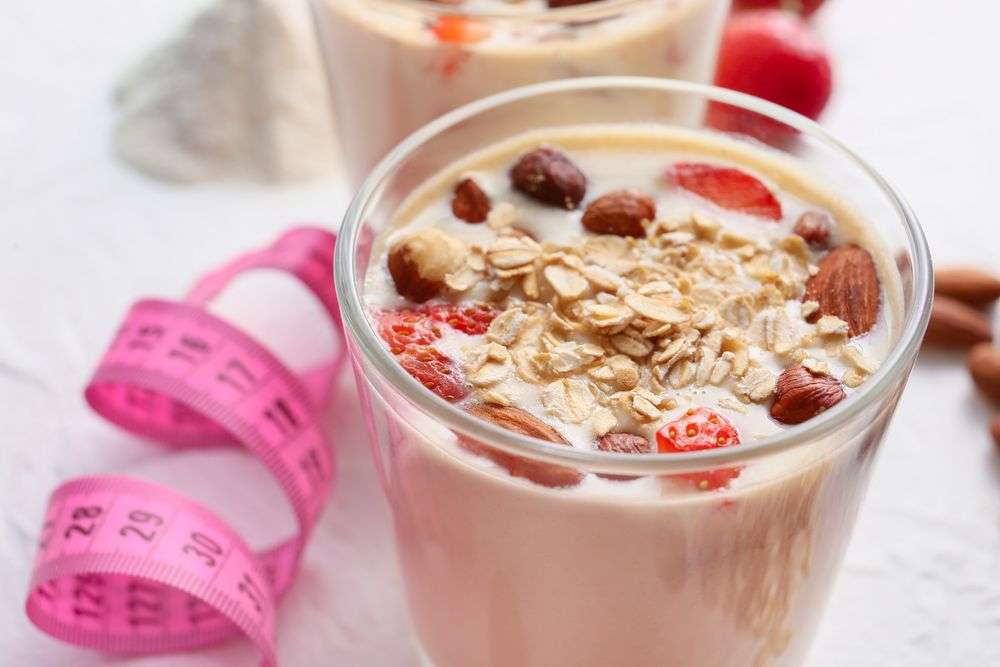

Most people eat far more calories than they realize but still lack key nutrients for good health.
Choosing nutrient-dense foods helps you get the vitamins, minerals, and antioxidants your body needs without extra empty calories.
Focusing on these nutritional powerhouses can boost your energy, help maintain a healthy weight, and lower your risk of chronic diseases.
Discover how simple, smart choices can transform every meal into a foundation for lifelong wellness.
Table of Contents
- Defining Nutrient Dense Foods And Core Principles
- Major Categories Of Nutrient Dense Foods
- Essential Nutrients And Their Health Benefits
- Incorporating Nutrient Dense Foods Into Meals
- Common Pitfalls And Myths To Avoid
Key Takeaways
| Point | Details |
|---|---|
| Nutrient Density Principle | Focus on foods that provide high nutritional value with fewer calories to enhance overall health. |
| Diverse Food Categories | Incorporate a variety of nutrient-dense foods, including fruits, vegetables, lean proteins, and whole grains, for balanced nutrition. |
| Cooking and Preparation | Opt for cooking methods that maintain nutrient integrity and use minimal added sugars, fats, and sodium. |
| Awareness of Myths | Be cautious of misleading labels and preparation methods that can compromise the health benefits of seemingly healthy foods. |
Defining Nutrient Dense Foods and Core Principles
Nutrient-dense foods are the powerhouse ingredients that pack maximum nutritional value with minimal calories.
According to the Dietary Guidelines, these are foods and beverages that provide essential vitamins, minerals, and health-promoting components while containing little added sugars, saturated fat, and sodium.
At its core, the principle of nutrient density revolves around maximizing nutritional intake efficiently. Nutrient density means getting the most nutritional bang for your caloric buck.
Foods like vegetables, fruits, whole grains, seafood, eggs, beans, unsalted nuts, and lean proteins exemplify this concept. These foods deliver critical nutrients your body needs without excessive calories or harmful additives.
Key characteristics of nutrient-dense foods include:
- High vitamin and mineral content
- Low in added sugars
- Minimal saturated fat
- Low sodium levels
- Provide essential health-promoting compounds
As highlighted by Health.gov, meeting nutritional needs within energy requirements means deliberately choosing foods in their most nutrient-dense forms.
For instance, fat-free milk represents a more nutrient-dense option compared to whole milk, offering similar nutritional benefits with fewer calories and less saturated fat.
The ultimate goal of focusing on nutrient-dense foods is creating a balanced diet that nourishes your body efficiently. By prioritizing these nutritional powerhouses, you can support overall health, maintain optimal weight, and reduce the risk of chronic diseases.
Make smart choices – your body will thank you.
Major Categories of Nutrient Dense Foods
Nutrient-dense foods are essential for maintaining optimal health, and understanding their major categories can transform your dietary approach.
According to the Dietary Guidelines, these categories encompass a wide range of foods that provide critical nutrients with minimal added sugars, saturated fat, and sodium.
Plant-Based Nutrient Powerhouses include vegetables, fruits, and whole grains. These foods are packed with vitamins, minerals, fiber, and antioxidants.
Leafy greens like spinach and kale, vibrant berries, and nutrient-rich grains such as quinoa and brown rice offer exceptional nutritional value.
For those looking to diversify their diet, 10 Healthy Snack Ideas can provide creative ways to incorporate these plant-based nutrients.
Animal-based nutrient-dense foods form another crucial category:
- Seafood (rich in omega-3 fatty acids)
- Eggs (complete protein source)
- Lean meats and poultry
- Low-fat dairy products
Legumes and proteins represent another vital group.
Beans, peas, lentils, unsalted nuts, and seeds are nutritional champions. These foods provide protein, healthy fats, minerals, and complex carbohydrates. They’re particularly valuable for vegetarians and those seeking plant-based protein sources.
The key is variety and balance. By incorporating foods from multiple nutrient-dense categories, you create a comprehensive diet that supports overall health.
Remember, not all calories are created equal – focus on quality, nutrient-rich foods that nourish your body and support your wellness journey.
Essential Nutrients and Their Health Benefits
Understanding the essential nutrients is crucial for maintaining optimal health and wellness.
According to the Dietary Guidelines, essential nutrients include vitamins, minerals, protein, carbohydrates, and fats, each playing a unique role in supporting bodily functions like immune health, bone strength, energy production, and cellular repair.
Macronutrients form the foundation of our nutritional needs. Proteins are the body’s building blocks, crucial for muscle repair and growth. Carbohydrates provide energy, while healthy fats support hormone production and cellular function.
For those looking to optimize their nutrition, 10 Essential Tips for Healthy Eating Habits can provide additional guidance on balanced nutrient intake.
Key essential nutrients and their primary health benefits include:
- Vitamins
- Vitamin D: Bone health and immune function
- Vitamin C: Immune support and skin health
- B Vitamins: Energy metabolism and nervous system
- Minerals
- Calcium: Bone and teeth strength
- Iron: Oxygen transportation
- Magnesium: Muscle and nerve function
Micronutrients play an equally critical role in maintaining overall health.
While they’re required in smaller quantities, vitamins and minerals are powerful contributors to preventing chronic diseases and supporting complex bodily processes. The key is consuming a diverse range of nutrient-dense foods that provide a comprehensive array of these essential nutrients.
Remember, no single food can provide all the nutrients your body needs.
Variety is the secret to comprehensive nutrition. By understanding and incorporating these essential nutrients into your diet, you’re taking a proactive approach to your health and wellness journey.
Incorporating Nutrient Dense Foods into Meals
Transforming your meals into nutrient-dense powerhouses requires strategic planning and creative approaches.
According to the Dietary Guidelines, incorporating nutrient-dense foods involves choosing a variety of vegetables, fruits, whole grains, lean proteins, and low-fat dairy while preparing them with minimal added sugars, saturated fat, and sodium.
Meal Composition Strategies can help you maximize nutritional intake. Start by filling half your plate with colorful vegetables and fruits, one-quarter with lean proteins, and one-quarter with whole grains. Incorporate foods like spinach in smoothies, add berries to morning oatmeal, or sprinkle nuts on salads.
For practical guidance, Master Balanced Meal Planning for Optimal Health and Weight Loss offers comprehensive insights into creating nutritionally balanced meals.
Practical tips for boosting nutrient density include:
- Protein Selection
- Choose lean meats, fish, and plant-based proteins
- Opt for grilled or baked preparations
- Dairy Choices
- Select fat-free milk and yogurt
- Use low-fat cheese sparingly
- Cooking Methods
- Steam vegetables instead of frying
- Use herbs for flavor instead of salt
- Smart Substitutions
- Replace refined grains with whole grains
- Use Greek yogurt instead of sour cream
The key to success is consistency and creativity. Experiment with different nutrient-dense ingredients, try new recipes, and gradually build meals that nourish your body.
Remember, small changes can lead to significant health improvements over time. Your meals should be both delicious and nutritionally powerful – a true celebration of health on your plate.

Common Pitfalls and Myths to Avoid
Navigating the world of nutrient-dense foods can be tricky, with numerous misconceptions that can derail your health journey.
According to Health.gov, a common pitfall is consuming foods that appear healthy but are not truly nutrient-dense due to added sugars, refined starches, and solid fats. What looks nutritious on the surface might be hiding significant nutritional compromises.
Nutritional Deception Exposed reveals several critical myths. Many people mistakenly believe that all forms of a food are equally healthy. In reality, preparation and ingredients dramatically impact nutrient density.
For instance, sweetened yogurt and regular cheese contain more calories and saturated fat compared to plain fat-free yogurt and low-fat alternatives. To help you navigate these nutritional challenges, 7 Common Weight Loss Myths Debunked provides additional insights into breaking through dietary misconceptions.
Common myths and pitfalls to be aware of include:
- Packaging Trap
- “Organic” doesn’t always mean nutrient-dense
- “Low-fat” often means high in sugar
- Preparation Misconceptions
- Frying negates nutritional benefits
- Overcooking destroys vital nutrients
- Portion Size Illusions
- Healthy foods still require portion control
- Large portions of “good” foods can lead to weight gain
- Supplement Fallacy
- Supplements cannot replace whole food nutrients
- Real food provides complex nutritional benefits
The journey to understanding nutrient-dense foods is about developing nutritional wisdom. Be skeptical of marketing claims, read labels carefully, and focus on whole, minimally processed foods.
Your body deserves real nutrition, not clever packaging or empty promises. Trust in whole foods, understand their true nutritional value, and make informed choices that genuinely support your health.
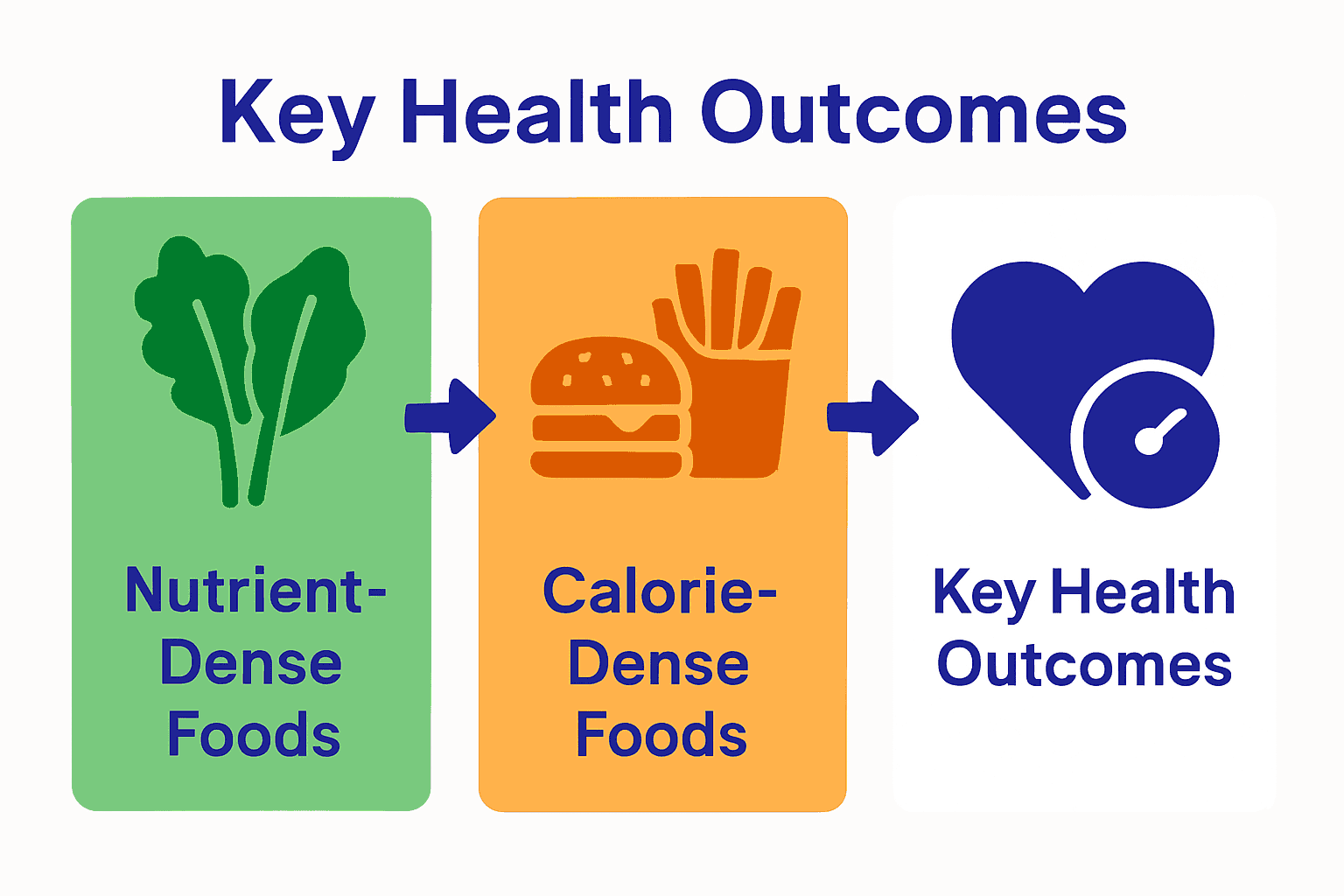
Unlock the Power of Nutrient-Dense Foods for Lasting Health
Struggling to balance your calorie intake while maximizing nutrition is a common challenge. The concept of nutrient density is key to making healthy choices that nourish your body without excess calories or harmful additives.
If you want to master this approach and avoid common pitfalls like hidden sugars and unhealthy fats, understanding how to incorporate these foods into your daily meals is essential.
Our resources offer practical guidance on calorie management and overcoming obstacles like inconsistent food access.
Take control of your health journey now by exploring effective strategies on Calorie Restriction – LeanAndFit. If financial or availability hurdles are a concern, learn more through Food Insecurity – LeanAndFit.
Get inspired and informed at LeanAndFit where real solutions meet everyday lives. Start making nutrient-dense choices today for a stronger, healthier you.
Frequently Asked Questions:
The nutrient dense foods complete guide for healthy living highlights a simple truth: it is not just about how much you eat, but what you eat. Nutrient-dense foods provide your body with the essential tools it needs to function, repair, and thrive.
From boosting energy and supporting weight management to improving long-term health, their benefits go far beyond the surface. The key lies in consistency and balance—making small, meaningful changes that add up over time.
By focusing on whole, nourishing foods, you’re not just improving your diet—you’re building a healthier, more sustainable lifestyle.
Q-1: If two meals have the same calories, why does one leave you energized and the other sluggish?
A-1: That is the magic of nutrient density. Calories tell you how much energy food provides, but not how much nutrition it delivers. A meal full of refined carbs and sugar may give you quick energy, but it lacks vitamins, minerals, and fiber.
On the other hand, nutrient-dense foods—like vegetables, fruits, lean proteins, and whole grains—fuel your body more efficiently.
They support your metabolism, stabilize blood sugar, and keep you feeling energized longer. It’s like choosing premium fuel over low-quality fuel for your body.
Q-2: Can nutrient-dense foods actually reduce how much you eat without trying?
A-2: Yes, and this happens naturally. Nutrient-dense foods are often rich in fiber, protein, and healthy fats—all of which promote fullness. When your body gets the nutrients it needs, it stops sending constant hunger signals.
You may find yourself eating less without consciously restricting food. It’s not about eating less—it is about eating smarter. This is why people who switch to nutrient-dense diets often feel satisfied with smaller portions.
Q-3: Why do processed foods feel addictive compared to nutrient-dense foods?
A-3: Processed foods are designed to be hyper-palatable, often combining sugar, salt, and unhealthy fats in a way that triggers reward centers in your brain.
Nutrient-dense foods, on the other hand, nourish your body without overstimulating those signals. Initially, they might feel less exciting, but over time, your taste buds adapt.
You start appreciating natural flavors more, and cravings for processed foods begin to fade.
It is like retraining your brain to enjoy what your body truly needs.
Q-4: Is it possible to eat “healthy” but still miss out on nutrient density?
A-4: Absolutely. Not all “healthy-looking” foods are truly nutrient-dense. For example, low-fat snacks or packaged diet foods may seem like good choices but often lack essential nutrients.
Even smoothies loaded with sugar can fall into this category. True nutrient-dense foods are minimally processed and rich in vitamins, minerals, and antioxidants.
The key is to focus on whole, natural foods rather than just labels that say “healthy.”
Q-5: How do nutrient-dense foods support long-term health beyond weight loss?
A-5: Nutrient-dense foods provide essential compounds that support nearly every function in your body. They help strengthen your immune system, improve heart health, and support brain function.
Over time, this reduces the risk of chronic diseases like diabetes, heart disease, and certain deficiencies. It is not just about looking fit—it is about building a body that functions well for years to come.
Think of it as investing in your future health, one meal at a time.
Q-6: Why do some people feel a “natural energy boost” after switching to nutrient-dense foods?
A-6: When your body gets the nutrients it needs, everything starts working more efficiently. Your metabolism improves, your blood sugar stabilizes, and your cells receive better fuel.
This leads to a steady, natural energy boost without the crashes associated with sugary or processed foods.
It is not a sudden spike—it is a consistent, reliable level of energy that helps you stay productive and active throughout the day.
Q-7: Can nutrient-dense eating improve your relationship with food?
A-7: Yes, and this is one of its most underrated benefits. When you focus on nourishing your body instead of restricting yourself, your mindset around food begins to change.
You start seeing food as fuel rather than something to fear or control. This shift can reduce guilt, emotional eating, and unhealthy habits.
It is a more positive and sustainable approach to eating that supports both physical and mental well-being.
Q-8: Why is variety important when it comes to nutrient-dense foods?
A-8: No single food contains all the nutrients your body needs. Different foods provide different vitamins, minerals, and antioxidants.
By eating a variety of nutrient-dense foods—like colorful fruits, vegetables, whole grains, and proteins—you ensure your body gets a wide range of benefits. It’s like building a complete toolkit for your health.
The more variety you include, the better equipped your body is to function optimally.
Q-9: How can someone start adding nutrient-dense foods without feeling overwhelmed?
A-9: The best approach is to start small and build gradually.
Instead of overhauling your entire diet, focus on simple swaps—like adding a serving of vegetables to your meals, choosing whole grains over refined ones, or including a source of protein in every meal.
These small changes add up over time. The goal isn’t perfection; it’s progress. By taking it step by step, you create habits that are easier to maintain in the long run.
Recommended:
- 10 Essential Tips for Healthy Eating Habits – LeanAndFit
- Is Nutrient Density the Secret Weapon Against Obesity? – LeanAndFit
- 10 Healthy Snack Ideas for a Guilt-Free Munch – LeanAndFit
- How to Build a Balanced Plate with Whole Foods? – LeanAndFit
- Why Trust LeanAndFit.info?
- For educational purposes only