Have you answered the burning query, “is muscle hypertrophy really the key to getting lean” yet???
Muscle hypertrophy, often considered the key to getting lean, is the increase in muscle size through resistance training. But is this belief rooted in science, or is it just a widespread fitness myth?
In this article, LeanAndFit shall explore whether hypertrophy truly plays a crucial role in achieving a lean physique or if other factors are just as important.
I would delve into the science behind hypertrophy, compare it with other fitness approaches, and provide evidence from research studies to shed light on this topic.
Article Index:
- Understanding Muscle Hypertrophy
- Hypertrophy for Muscle Growth
- Hypertrophy and Fat Loss: The Connection
- Hypertrophy Workouts: Are They Effective for Getting Lean?
- Best Hypertrophy Workout for Lean Muscle
- FAQs
- Hypertrophy vs Strength Training: What’s Better for Leanness?
- Conclusion
Understanding Muscle Hypertrophy
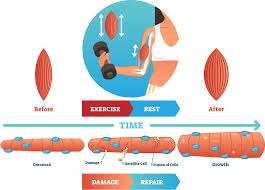
Muscle hypertrophy refers to the process of increasing muscle size through strength training, primarily by engaging in resistance exercises that stress the muscle fibers. The body responds by repairing these fibers, leading to increased muscle mass.
There are two main types of hypertrophy: myofibrillar hypertrophy, which focuses on increasing muscle fiber density, and sarcoplasmic hypertrophy, which increases the fluid and energy stores within the muscles.
According to a study published in the Journal of Strength and Conditioning Research (2019), hypertrophy is crucial for muscle growth but has a complex relationship with fat loss.
While increasing muscle size can boost metabolism, other factors like diet and overall caloric expenditure are just as critical for becoming lean.
Hypertrophy for Muscle Growth
Hypertrophy for muscle growth is essential for building strength and muscle size. The key mechanism behind this process is progressive overload, where you continually challenge your muscles by increasing weights or repetitions.
Over time, this leads to muscle hypertrophy, enhancing your physical strength and endurance.
Research published in the European Journal of Applied Physiology (2018) found that hypertrophy training, especially when combined with a calorie-controlled diet, can significantly boost metabolism.
This study emphasizes that hypertrophy increases resting metabolic rate, which helps burn more calories throughout the day.
However, for those seeking a lean physique, simply building muscle mass isn’t enough—you must also address fat loss.
Hypertrophy and Fat Loss: The Connection
The connection between hypertrophy and fat loss comes from the fact that muscle tissue burns more calories than fat, even at rest.
A study in Obesity Reviews (2019) shows that individuals with higher muscle mass exhibit better metabolic rates and burn more calories. Thus, hypertrophy can play a role in fat loss by increasing lean body mass and improving calorie expenditure.
However, fat loss primarily depends on creating a caloric deficit, which means consuming fewer calories than you burn.
While hypertrophy-focused workouts like a hypertrophy leg workout or glute hypertrophy exercises can aid in muscle building, diet and cardio play crucial roles in reducing body fat and achieving a lean appearance.
Hypertrophy Workouts: Are They Effective for Getting Lean?
Hypertrophy workouts focus on moderate weights and higher repetitions to encourage muscle growth.
While these workouts are highly effective for building muscle mass, they are not always the most efficient way to shed fat. The key to getting lean lies in balancing hypertrophy workouts with cardio and proper nutrition.
According to a study in the Journal of Sports Science and Medicine (2020), hypertrophy training can help improve overall body composition, especially when combined with cardiovascular exercises.
For instance, combining a back hypertrophy workout with steady-state cardio or high-intensity interval training (HIIT) can accelerate fat loss while maintaining muscle mass.
Best Hypertrophy Workout for Lean Muscle
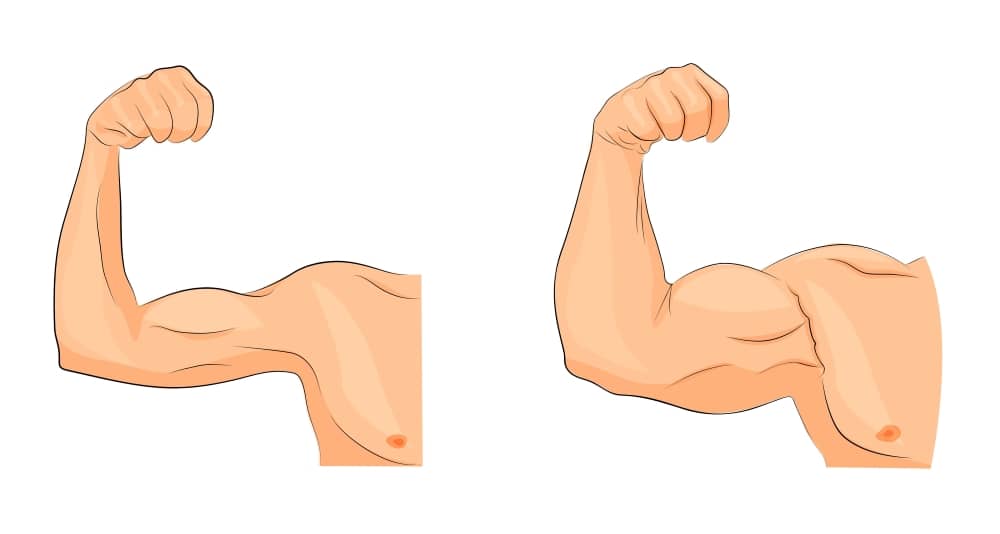
The best hypertrophy workout for achieving a lean body includes a combination of compound movements and isolation exercises.
For example, squats and deadlifts target multiple muscle groups and burn more calories, while exercises like the hypertrophy chest workout and abdominal hypertrophy exercises can enhance muscle definition in specific areas.
A study published in Sports Medicine (2017) emphasized that compound exercises like squats, lunges, and presses are crucial for overall muscle development and fat loss. By activating larger muscle groups, these exercises boost calorie expenditure and improve metabolic efficiency.
FAQs on Muscle Hypertrophy and Lean Muscle
A quick look at the top 10 burning queries along with their answers people have regarding muscle hypertrophy:.
Hypertrophy vs Strength Training: What’s Better for Leanness?
When it comes to building a lean, athletic physique, both hypertrophy and strength training play valuable — but slightly different — roles.
Understanding how each works can help you use them more effectively rather than choosing one over the other.
Hypertrophy Training:
It focuses on increasing muscle size by creating controlled muscle fatigue and metabolic stress. This usually involves moderate weights lifted for higher repetitions, such as 8–12 reps per set.
For example, performing three to four sets of squats or dumbbell presses with challenging but manageable loads stimulates muscle fibers to grow thicker.
As muscle mass increases, your resting metabolic rate rises, meaning your body burns more calories even when you’re not exercising — a key factor in achieving leanness.
Strength Training:
This, on the other hand, emphasizes improving how much force your muscles can produce. This style of training typically uses heavier weights with lower repetitions, such as 3–5 reps per set.
A classic example is performing heavy deadlifts or bench presses with long rest periods.
Strength training improves neuromuscular efficiency, teaching your nervous system to recruit more muscle fibers at once. This allows you to lift heavier loads over time.
Why does this matter for leanness?
Because stronger muscles allow you to handle heavier weights during hypertrophy workouts. For instance, increasing your squat strength means your hypertrophy sets later involve more total workload, leading to greater calorie expenditure and muscle stimulation.
A review published in the Strength and Conditioning Journal (2018) found that combining hypertrophy and strength training produces superior body composition results compared to using either approach alone.
Strength training builds the foundation, while hypertrophy enhances muscle size and visible definition.
In practice, a balanced program might include heavy compound lifts early in the week and higher-rep muscle-building sessions later.
This blended approach maximizes fat loss, muscle definition, and long-term leanness.
Conclusion
So, is muscle hypertrophy really the key to getting lean, or just another fitness myth?
Short answer: it matters—a lot—but it is not the whole story.
Hypertrophy training builds new contractile tissue and slightly raises resting energy use. More importantly, it preserves muscle while you diet so most of the weight you lose is fat, not hard-earned lean mass.
Think of two people. Sarah, a desk worker, lifts three days a week (squats for lower body definition, presses, rows) and eats in a small calorie deficit. She keeps two short interval runs for heart health.
In eight weeks she loses four kilos, keeps her strength, and looks visibly tighter because the deficit peeled fat off a well-trained frame. Mike, a cardio-only runner, drops the same calories but stops lifting.
He loses weight faster, then stalls; his arms and shoulders look smaller, yet belly fat lingers—classic “skinny-soft.”
Hypertrophy is not a magic switch, it’s a force multiplier. Pair it with strength work to progress loads, cardio to raise weekly energy flux, protein-rich meals for fullness, fiber for appetite control, and seven-ish hours of consistent sleep.
That package improves insulin sensitivity, keeps hunger reasonable, and makes your deficit sustainable.
A simple blueprint: two to four hypertrophy sessions weekly (6–15 reps, 6–10 hard sets per muscle), one to three cardio days (a mix of easy mileage and brief intervals), 1.6–2.2 g/kg protein, mostly minimally processed foods, and a modest 300–500 kcal daily deficit.
Track averages, not each day’s scale swing.
When progress slows, add a walk, tighten liquid calories, or carve 100 kcal from snacks.
Bottom line: hypertrophy helps reveal a lean physique by protecting and shaping muscle, but leanness comes from the ecosystem—training, nutrition, sleep, and consistency—working together.
Treat seasons deliberately: build, maintain, and cut phases, so you grow muscle, hold gains, and then uncover definition without burnout.
References: