Extended periods of stress can have serious effects on your health, including weight gain.
While most people associate obesity with poor diet and lack of exercise, cortisol overload is an often overlooked contributor.
But how exactly does cortisol cause weight gain, and is it responsible for your struggles with obesity?
Let leanandfit.info dig deeper into the science of cortisol and how it could be impacting your weight.
Article Index:
- What is Cortisol Overload?
- The Science Behind Cortisol and Weight Gain
- Symptoms of Cortisol Overload
- Chronic Cortisol Overload and Obesity
- Adrenaline and Cortisol Overload: A Dangerous Combination
- Signs of Cortisol Overload to Watch For
- Cortisol Overload Treatment: Managing Your Stress Hormones
- FAQs on Cortisol Overload and Obesity
- Conclusion: Is Cortisol Overload Fueling Your Obesity Struggles?
What is Cortisol Overload?
Cortisol is a hormone produced by the adrenal glands in response to stress.
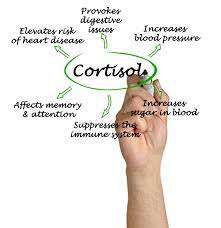
It plays an essential role in regulating various body functions, including metabolism, immune response, and even memory formation.
However, when your body experiences prolonged stress, it leads to cortisol overload—a condition where cortisol levels remain elevated for too long.
Normally, cortisol levels fluctuate throughout the day, peaking in the morning and tapering off in the evening.
But when chronic stress kicks in, cortisol stays elevated, wreaking havoc on your body. This can lead to a range of health issues, including weight gain, particularly around the abdomen.
The Science Behind Cortisol and Weight Gain
So how exactly does cortisol contribute to obesity?
Elevated cortisol levels can lead to increased fat storage, particularly around the midsection. This is because cortisol triggers the body to store energy in the form of fat, particularly visceral fat, which is found around vital organs.
Studies have shown that individuals with chronic stress tend to have higher levels of belly fat, even if their overall body weight is normal.
A study published in the Journal of Obesity found that people with higher cortisol levels had a significantly higher BMI (Body Mass Index).
The cortisol overload stress connection is clear: the more cortisol your body produces over time, the more likely you are to struggle with weight gain.
Symptoms of Cortisol Overload
Recognizing symptoms of cortisol overload is crucial for managing its effects on your health and weight.
Common signs include:
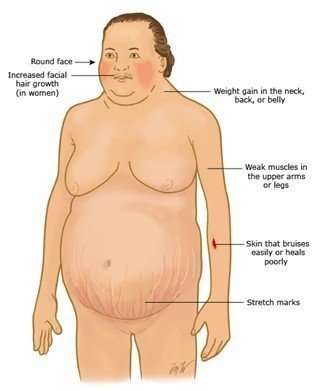
- Unexplained weight gain, particularly around the abdomen
- Fatigue, even after getting adequate sleep
- Increased cravings for sugary or high-fat foods
- Muscle weakness or joint pain
- Difficulty sleeping or insomnia
- Irritability and mood swings
- High blood pressure and frequent headaches
The presence of these symptoms suggests your cortisol levels may be consistently high. It’s essential to recognize these early signs before they lead to long-term issues, such as obesity.
Chronic Cortisol Overload and Obesity
When cortisol—the drama queen of hormones—decides to overstay its welcome, your body basically throws a long-term panic party it never asked for. Originally designed to help you outrun saber-toothed tigers or ace a surprise presentation, cortisol is great in short bursts. But when it sticks around like a clingy ex, things go downhill fast.
Living in this constant “fight or flight” mode rewires your body’s priorities. Instead of burning calories efficiently, your metabolism hits the brakes.
Why?
Because cortisol is hoarding energy for a non-existent emergency. Your body starts stockpiling fat—especially around the belly—as if prepping for hibernation. Great for bears, terrible for beach season.
It gets worse. Research from the Endocrine Society shows cortisol loves to mess with your appetite, nudging you toward cookies, chips, and anything ending in “-itos.” Suddenly, that salad doesn’t stand a chance.
Add to that a sluggish metabolism and hormonal sabotage of your satiety signals, and you’ve got a perfect storm for emotional eating, fat gain, and eventual obesity. It’s not just stress eating—it is stress reprogramming your entire fuel system.
So next time life’s chaos has you craving cupcakes, remember: it might not be willpower—it could be cortisol calling the shots.
Adrenaline and Cortisol Overload: A Dangerous Combination
Stress is not just a mental state—it unleashes a biochemical cascade that can alter your metabolism, immune response, and long-term health.
Two primary hormones involved are adrenaline and cortisol. While both are essential for short-term survival, chronic elevation of these hormones leads to dangerous consequences for your body.
Here is how adrenaline and cortisol overload impacts your health, backed by scientific research:
Adrenaline: The Immediate Responder:
Adrenaline, also known as epinephrine, spikes rapidly during acute stress. It mobilizes energy by breaking down glycogen into glucose, increases heart rate, and prepares the body for “fight or flight.” According to research in Frontiers in Endocrinology, adrenaline’s effects are short-lived, ideal for acute stressors—not chronic ones.
Cortisol: The Longer-Term Stress Hormone:
Cortisol sustains the stress response by regulating blood sugar, suppressing inflammation, and aiding energy metabolism. But when cortisol levels stay elevated due to chronic stress leading to fat accumulation—especially visceral fat. A Psychosomatic Medicine study links prolonged cortisol elevation to increased waist circumference and BMI.
Hormonal Tug-of-War:
Initially, adrenaline and cortisol work synergistically, but long-term stress causes cortisol to dominate. This suppresses adrenaline’s effects and shifts the body into a fat-storing, muscle-wasting state, according to The Journal of Clinical Endocrinology & Metabolism.
Increased Risk of Insulin Resistance and Obesity:
Persistent cortisol elevation blunts insulin sensitivity. Research in Diabetes & Metabolism confirms that this hormonal imbalance increases the risk for metabolic syndrome, including Type 2 diabetes and obesity.
Chronic stress is not just emotionally draining—it is metabolically disruptive. When adrenaline and cortisol remain elevated, the body begins to prioritize survival over balance, tipping the scales toward chronic disease.
Signs of Cortisol Overload to Watch For
High cortisol can be a stealthy saboteur. At first, its overload may go unnoticed—but left unchecked, it can stir up serious trouble across your body’s systems.
Here is a closer look at what elevated cortisol might be doing behind the scenes:
-
High blood sugar levels:
Cortisol increases blood glucose by stimulating gluconeogenesis in the liver and reducing insulin sensitivity. This means your body may produce more sugar and become less efficient at storing it, which can eventually contribute to insulin resistance or even prediabetes. -
Reduced immune function:
One of cortisol’s lesser-known jobs is dampening immune responses. When levels remain high, your white blood cells don’t respond as effectively, making you more prone to infections, frequent colds, and slower healing times. -
Digestive issues:
Stress shifts the body into “fight or flight,” diverting resources away from digestion. Chronically elevated cortisol can slow gastrointestinal motility, disturb gut flora, and even compromise the gut lining—leading to bloating, constipation, or discomfort after meals. -
Low libido:
Excess cortisol suppresses reproductive hormones, like testosterone and estrogen. This hormonal imbalance can significantly reduce sexual desire and performance, especially during prolonged periods of stress. -
Difficulty concentrating or memory problems:
Chronic cortisol exposure is linked to structural changes in the brain—especially in the hippocampus, which is vital for memory and focus. As a result, brain fog, forgetfulness, and reduced mental clarity may creep in over time.
If several of these signs resonate with you, it is wise to assess your stress levels and consider cortisol testing. Simple lifestyle changes—like better sleep, stress management, and physical activity—can make a big difference.
FAQs on Cortisol Overload and Obesity
This FAQ section provides a clear, data-driven understanding of how cortisol overload can impact obesity, helping readers take informed steps toward better stress management and sustainable weight loss:
Q-1. How do high cortisol levels cause weight gain and belly fat in adults?
A-1. High cortisol levels trigger fat storage, particularly around the abdominal area. Cortisol increases appetite and cravings for high-calorie foods, leading to excess calorie intake. Studies in the USA show that individuals with chronically elevated cortisol levels have up to 25% higher abdominal fat compared to those with normal levels. This hormone also slows metabolism, making fat loss more difficult over time.
Q-2. Is stress cortisol making it harder to lose weight naturally?
A-2. Yes, chronic stress elevates cortisol, which interferes with natural weight loss processes. Around 70% of adults in the USA report stress-related eating habits, especially in high-pressure environments like New York and Los Angeles. Elevated cortisol can reduce fat-burning efficiency by nearly 15%, making it harder to lose weight even with diet and exercise.
Q-3. What are the signs your cortisol levels are too high and causing obesity?
A-3. Common signs include persistent belly fat, fatigue, poor sleep, sugar cravings, and weight gain despite efforts to diet. Approximately 60% of individuals experiencing chronic stress report at least three of these symptoms. In 2026, hormonal imbalance awareness has increased significantly, with more people recognizing cortisol as a key factor in weight management.
Q-4. What are the best ways to reduce cortisol levels for weight loss fast?
A-4. Effective methods include regular exercise, mindfulness practices, adequate sleep, and balanced nutrition. Research shows that stress-reduction techniques like meditation can lower cortisol levels by up to 20%. In the USA, about 65% of individuals practicing stress management report improved weight control within 8–10 weeks.
Q-5. Does chronic stress lead to obesity and hormonal imbalance?
A-5. Chronic stress is strongly linked to obesity and hormonal imbalances. Studies indicate that prolonged stress can increase the risk of weight gain by up to 30%. It disrupts hormones like insulin and leptin, which regulate hunger and metabolism, making weight management more challenging over time.
Q-6. What is the cortisol and insulin resistance connection in weight gain?
A-6. Elevated cortisol levels can lead to insulin resistance, where the body struggles to regulate blood sugar. This condition increases fat storage, particularly in the abdominal region. In the USA, about 35% of adults show signs of insulin resistance, often linked to stress and poor lifestyle habits, contributing to long-term weight gain.
Q-7. Can lowering cortisol help you lose belly fat quickly?
A-7. Lowering cortisol can support belly fat reduction, but results are gradual rather than immediate. Studies show that individuals who manage stress effectively can reduce abdominal fat by 5–10% over 12 weeks. Consistency in stress management, combined with diet and exercise, plays a crucial role in achieving results.
Q-8. What foods increase cortisol and cause weight gain?
A-8. Foods high in sugar, refined carbs, and caffeine can elevate cortisol levels. Around 58% of Americans consume high-sugar diets, which contribute to hormonal imbalance and weight gain. Processed foods and excessive caffeine intake are also linked to increased stress hormone production.
Q-9. How do sleep and cortisol imbalance affect metabolism and obesity?
A-9. Poor sleep increases cortisol levels and disrupts metabolism. Adults sleeping less than 6 hours per night have a 20–30% higher risk of weight gain. In cities like Chicago and Houston, sleep deprivation is a growing concern, contributing to obesity and metabolic disorders.
Q-10. What are natural supplements to reduce cortisol and support fat loss?
A-10. Natural supplements like magnesium, ashwagandha, and omega-3 fatty acids are known to help regulate cortisol levels. Studies show that these supplements can reduce cortisol by 10–15% when combined with healthy lifestyle habits. In 2026, about 55% of health-conscious individuals in the USA use natural supplements to support stress management and weight loss.
Cortisol Overload Treatment: Managing Your Stress Hormones
Addressing cortisol overload treatment involves a combination of lifestyle changes, stress management techniques, and in some cases, medical interventions.
Here is what worked for me:
- Exercise: Regular physical activity helps lower cortisol levels naturally. Try moderate exercises like yoga, walking, or swimming, which reduce stress without spiking cortisol like intense workouts can.
- Sleep: Lack of sleep can exacerbate cortisol overload. Prioritize 7-9 hours of quality sleep each night, using relaxation techniques to help wind down.
- Diet: A balanced diet rich in whole foods can help regulate cortisol. Avoid excessive caffeine and sugar, which can increase cortisol production. Incorporating foods like dark chocolate, berries, healthy smoothie recipes for weight loss and leafy greens can naturally lower cortisol levels.
- Relaxation Techniques: Practices such as meditation, deep breathing, and mindfulness can significantly reduce cortisol levels. These techniques activate the parasympathetic nervous system, which helps counteract the effects of chronic stress.
In more severe cases of cortisol imbalance, you may need to consult a healthcare professional who can recommend specific treatments, such as medications or therapies that regulate hormone production.
Conclusive Analysis
In conclusion, cortisol overload can indeed play a significant role in weight gain and obesity. The connection between chronic stress and fat storage is well-documented, making cortisol a major factor in your overall health.
If you have been struggling with unexplained weight gain, fatigue, or cravings for sugary foods, cortisol may be at the root of your problem.
The good news is that cortisol overload symptoms can be managed through a combination of lifestyle changes, stress management, and in some cases, medical treatment.
Recognizing the signs of cortisol overload early on can help you make proactive changes to prevent long-term health issues like obesity.
Reducing stress, getting regular exercise, and adopting a balanced weight management diet are the first steps toward managing cortisol levels and achieving better health.
So, if you are keen to learn how I do a smoothie diet for weight loss
By addressing cortisol overload, you can take control of your weight and feel more in tune with your body.
References: