
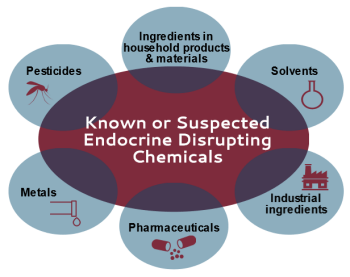
Pesticides are chemicals designed to protect crops from pests and diseases, but many have unintended effects on human health.
One area of growing concern is their potential role as endocrine-disrupting chemicals (EDCs), substances that interfere with hormonal systems.
EDCs have been linked to a range of health issues, including obesity. Identifying pesticides that contribute to endocrine disruption and obesity requires a combination of scientific testing, epidemiological studies, and regulatory frameworks.
In this article, LeanAndFit shall explore the methods and challenges involved in pinpointing these harmful chemicals and examine the evidence connecting specific pesticides to endocrine disruption and obesity.
Article Index
- Understanding Endocrine Disruption and Obesity
- Mechanisms by Which Pesticides Act as Endocrine Disruptors
- Methods to Identify Endocrine-Disrupting Pesticides
- Scientific Studies Linking Pesticides to Obesity
- Laboratory Techniques for Screening Pesticides
- Regulatory Frameworks and Guidelines
- Real-Life Examples of Pesticides Implicated in Obesity
- FAQs on Identify Pesticides Causing Endocrine Disruption in Obesity
- Conclusion: The Path Forward in Identifying Harmful Pesticides
Understanding Endocrine Disruption and Obesity
Endocrine-disrupting chemicals (EDCs) interfere with the body’s hormonal systems, disrupting processes like metabolism, growth, and reproduction.
Obesity, characterized by excess fat accumulation, is increasingly recognized as a multifactorial condition influenced by environmental factors, including EDC exposure.
Pesticides can mimic or block hormones such as estrogen, testosterone, and thyroid hormones, leading to altered metabolism and fat storage.
According to a study in Environmental Health Perspectives (2017), exposure to certain pesticides during critical developmental periods can predispose individuals to obesity later in life.
This highlights the importance of identifying and regulating these harmful chemicals.
Mechanisms by Which Pesticides Act as Endocrine Disruptors
Pesticides can disrupt endocrine function through several complex mechanisms, which can significantly affect both human health and the environment. These mechanisms include:
-
Hormone Mimicry: Some pesticides resemble natural hormones, such as estrogen or testosterone. These chemicals can bind to hormone receptors and trigger inappropriate cellular responses, leading to hormonal imbalances.
-
Blocking Hormone Receptors: Certain pesticides bind to hormone receptors without activating them. This prevents natural hormones from binding and carrying out their normal biological functions.
-
Disruption of Hormone Synthesis and Metabolism: Pesticides can interfere with enzymes involved in the production, conversion, and breakdown of hormones. This can lead to excess or deficiency of key hormones in the body.
-
Promotion of Fat Accumulation: Organochlorine pesticides like DDT have been shown to mimic estrogen. This estrogenic activity can promote fat storage, potentially leading to weight gain and metabolic issues.
-
Low-Dose Effects: A study published in Toxicological Sciences in 2015 demonstrated that even low-dose exposure to endocrine-disrupting pesticides can cause metabolic disturbances, including obesity and insulin resistance.
-
Reproductive and Developmental Impact: Prolonged exposure to these chemicals has been associated with reproductive disorders, early puberty, and developmental abnormalities, particularly in fetuses and infants.
-
Effects on Wildlife: The endocrine-disrupting effects of pesticides are also observed in wildlife. Species such as fish, amphibians, and birds have shown reproductive and behavioral changes linked to pesticide exposure.
Understanding these mechanisms highlights the importance of regulating pesticide use to protect both public health and ecosystems.
Methods to Identify Endocrine-Disrupting Pesticides
Identifying pesticides that disrupt endocrine function requires a multifaceted approach, leveraging a combination of laboratory, animal, and human studies to build a comprehensive understanding:
- In Vitro Assays: These laboratory tests use cell cultures to evaluate the hormonal activity of pesticides. Assays such as the Estrogen Receptor Transactivation Assay determine whether a pesticide mimics or blocks estrogen, providing insight into its potential endocrine-disrupting effects.
- Animal Studies: Rodent models are instrumental in studying the long-term metabolic consequences of pesticide exposure. These studies explore effects like fat accumulation, insulin sensitivity changes, and alterations in glucose metabolism, offering valuable data on systemic impacts.
- Human Epidemiological Studies: Observational research links pesticide exposure to obesity prevalence in populations. Biomonitoring data, which measures pesticide residues in blood, urine, or tissues, helps establish exposure levels and their associations with metabolic disorders.
By integrating these methodologies, scientists can construct a detailed picture of how specific pesticides affect hormonal pathways, aiding in the identification and regulation of endocrine-disrupting chemicals.
Scientific Studies Linking Pesticides to Obesity
Numerous studies have investigated the relationship between pesticide exposure and obesity:
- Lee et al., 2011: Published in Obesity Reviews, this study found that exposure to organophosphate pesticides was associated with increased BMI in children.
- Hatch et al., 2010: A study in Environmental Research linked prenatal exposure to organochlorine pesticides to higher fat mass in offspring.
- Song et al., 2018: Research in Toxicology Letters demonstrated that glyphosate, a widely used herbicide, disrupted gut microbiota, indirectly influencing metabolic health and obesity.
These findings underscore the need for further research and regulatory action to mitigate risks.
Laboratory Techniques for Screening Pesticides
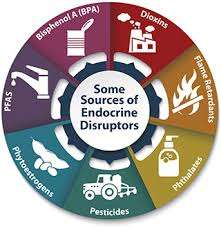
Advanced laboratory techniques play a critical role in identifying pesticides that disrupt endocrine function. These methods provide precise and comprehensive data on how chemicals interact with hormonal systems:
- High-Throughput Screening (HTS): This technique enables the rapid evaluation of multiple pesticides for hormonal activity. Automated systems test for interactions with hormone receptors, providing a scalable and efficient approach to screening.
- Mass Spectrometry and Chromatography: These analytical tools are used to detect and quantify pesticide residues in biological samples, such as blood or tissue. This data is essential for assessing exposure levels and linking them to potential endocrine disruption.
- Transcriptomics and Proteomics: These advanced molecular techniques analyze changes in gene and protein expression associated with endocrine pathways. For example, transcriptomic studies have revealed that certain pesticides alter the expression of genes involved in adipogenesis, the process of fat cell formation, highlighting their role in obesity.
By combining these techniques, researchers can gain a detailed understanding of how pesticides impact endocrine function and contribute to metabolic disorders such as obesity.
Regulatory Frameworks and Guidelines
Identifying endocrine-disrupting pesticides is a complex task that requires both scientific innovation and robust regulatory frameworks.
Agencies like the Environmental Protection Agency (EPA) in the United States and the European Food Safety Authority (EFSA) have implemented guidelines to evaluate the endocrine-disrupting potential of chemicals.
The EPA’s Endocrine Disruptor Screening Program (EDSP) adopts a tiered approach, combining in vitro assays to test for hormonal activity with in vivo animal studies to assess systemic effects.
This multi-layered strategy helps determine whether pesticides interfere with critical hormonal pathways.
Despite these advancements, significant gaps remain in current frameworks. Chronic low-dose exposures, which are highly relevant to real-world conditions, are often underrepresented in testing protocols.
Additionally, cumulative effects from exposure to multiple endocrine-disrupting chemicals are rarely addressed comprehensively.
These shortcomings underscore the need for more inclusive and realistic testing methodologies to fully understand the long-term impacts of pesticides on endocrine health and related conditions like obesity.
Real-Life Examples of Pesticides Implicated in Obesity
A quick look at a few such examples:
Example 1: DDT and Its Metabolites:
DDT, an organochlorine pesticide banned in many countries, persists in the environment and human tissues. Studies, including one published in Environmental Health Perspectives (2013), have linked DDT exposure to increased adiposity and metabolic syndrome.
Example 2: Atrazine:
Atrazine, a commonly used herbicide, has been shown to disrupt normal endocrine function. Research in Molecular and Cellular Endocrinology (2011) demonstrated that atrazine exposure promoted adipogenesis in animal models, leading to increased fat storage.
Example 3: Chlorpyrifos:
This organophosphate pesticide has been linked to obesity through its effects on insulin signaling and lipid metabolism.
A study in The Journal of Toxicological Sciences (2016) showed that chlorpyrifos exposure altered lipid profiles in rodents, predisposing them to weight gain.
FAQs on Identify Pesticides Causing Endocrine Disruption in Obesity:
Q-1: How can you identify endocrine-disrupting pesticides linked to obesity?
A-1: Identifying endocrine-disrupting pesticides involves understanding how certain chemicals interfere with hormonal systems.
These compounds, often referred to as Endocrine Disrupting Chemicals (EDCs), mimic or block natural hormones like estrogen, insulin, and thyroid hormones.
In the U.S., biomonitoring programs show that over 90% of individuals have detectable levels of multiple EDCs in their bodies.
Clinically, identification starts with exposure history—diet, occupation, and environment—followed by lab testing for chemical residues in blood or urine.
Pesticides such as organophosphates and pyrethroids are frequently studied for their obesogenic effects, meaning they can promote fat accumulation and metabolic dysfunction.
Q-2: What are common pesticides that cause hormone disruption and weight gain?
A-2: Several pesticides are known to disrupt hormonal balance. Examples include chlorpyrifos (an organophosphate), pyrethroids, and certain persistent organic pollutants (POPs).
These chemicals can interfere with metabolic hormones, increasing the risk of obesity. In U.S. agricultural regions, exposure is higher, particularly among farmworkers and nearby communities.
Studies suggest that chronic exposure to these pesticides is associated with increased body mass index (BMI) and insulin resistance.
Q-3: What are obesogens and how do pesticides act as obesogens?
A-3: Obesogens are chemicals that promote fat storage and disrupt energy balance. Many pesticides fall into this category by altering how fat cells develop and store energy.
They can increase the number of fat cells or change how the body regulates appetite and metabolism. This makes weight gain more likely, even without significant changes in calorie intake.
Q-4: How do organophosphate pesticides affect hormones and obesity risk?
A-4: Organophosphates interfere with the nervous system but also impact hormonal pathways. They can disrupt insulin signaling and thyroid function, both of which are critical for metabolism.
Research in the U.S. shows that individuals with higher exposure levels have a greater risk of metabolic disorders, including obesity and type 2 diabetes.
Q-5: What are the signs of pesticide exposure causing endocrine disruption?
A-5: Symptoms may include unexplained weight gain, fatigue, hormonal imbalances, and metabolic issues.
In some cases, individuals experience thyroid dysfunction or insulin resistance.
Because these symptoms overlap with other conditions, clinical testing is essential for accurate diagnosis.
Q-6: How can you test for endocrine-disrupting pesticides in the body?
A-6: Testing typically involves blood or urine analysis to detect pesticide metabolites.
Programs supported by the Centers for Disease Control and Prevention monitor chemical exposure in the U.S. population.
Advanced tests can identify specific compounds and assess their concentration levels, helping clinicians evaluate exposure risk.
Q-7: What biomarkers indicate pesticide-induced endocrine disruption?
A-7: Key biomarkers include altered hormone levels (insulin, thyroid hormones), inflammatory markers, and changes in lipid profiles.
Elevated fasting insulin and abnormal glucose levels may indicate metabolic disruption caused by chemical exposure.
Q-8: How do pesticides like chlorpyrifos and pyrethroids affect metabolism?
A-8: These pesticides can impair mitochondrial function, reducing the body’s ability to burn energy efficiently.
They also disrupt hormonal signaling, leading to increased fat storage. Studies show that exposure is linked to higher obesity rates, particularly in vulnerable populations.
Q-9: How are pesticides linked to the obesity epidemic in the U.S.?
A-9: While diet and lifestyle are major contributors, environmental factors like pesticide exposure are increasingly recognized.
With over 42% of U.S. adults classified as obese, researchers are exploring how EDCs contribute to this trend. Chronic low-level exposure may amplify weight gain by disrupting metabolism.
Q-10: How can you detect obesogenic pesticides in food and water?
A-10: Detection involves laboratory testing using chromatography and mass spectrometry. For consumers, choosing organic produce and filtering water can reduce exposure.
The Environmental Protection Agency regulates pesticide residues, but trace amounts can still be present in food and water supplies.
Q-11: How does prenatal pesticide exposure increase obesity risk?
A-11: Prenatal exposure can alter gene expression through epigenetic changes, increasing the likelihood of obesity later in life.
Studies show that children exposed to EDCs in utero have higher rates of metabolic disorders.
This highlights the importance of minimizing exposure during pregnancy.
Q-12: What role do persistent organic pollutants play in hormonal imbalance?
A-12: Persistent organic pollutants (POPs) accumulate in fat tissue and remain in the body for years. They interfere with hormone receptors and metabolic pathways, contributing to long-term endocrine disruption and obesity risk.
Q-13: How can you reduce exposure to endocrine-disrupting pesticides?
A-13: Practical steps include:
- Washing fruits and vegetables thoroughly
- Choosing organic options when possible
- Using water filtration systems
- Avoiding pesticide use in home gardens
These measures can significantly lower exposure levels.
Q-14: What scientific methods are used to identify pesticide-related endocrine disruption?
A-14: Researchers use epidemiological studies, animal models, and molecular analysis to study EDC effects.
Techniques like biomonitoring and toxicological assessments help establish links between pesticide exposure and metabolic outcomes.
Q-15: Why is identifying endocrine-disrupting pesticides important for obesity prevention?
A-15: Identifying these chemicals allows for targeted interventions to reduce exposure and improve public health.
Addressing environmental contributors to obesity is essential, especially as traditional approaches like diet and exercise alone may not fully explain rising obesity rates.
📊 Key U.S. Statistics
- Over 90% of Americans have detectable EDC levels
- 42% of U.S. adults are obese
- Environmental exposure contributes to metabolic disorders alongside lifestyle factors
💡 Actionable Clinical Insights
- Incorporate detox-supportive foods (fiber-rich vegetables, antioxidants)
- Maintain a healthy weight to reduce toxin storage in fat tissue
- Regularly monitor hormone and metabolic markers
- Advocate for reduced environmental exposure policies
⚠️ Clinical Perspective
Endocrine disruption from pesticides represents a hidden but significant factor in obesity. Unlike dietary causes, these exposures are often involuntary and cumulative, making them harder to detect and manage.
Expert Tip of the Day:
The connection between pesticides and obesity is a growing area of scientific research, revealing how environmental toxins can quietly disrupt hormonal balance and metabolic health.
In the U.S., widespread exposure to endocrine-disrupting chemicals underscores the need for awareness and preventive action.
By identifying harmful pesticides, monitoring exposure, and adopting protective lifestyle measures, individuals can reduce their risk of obesity and related diseases.
Ultimately, tackling obesity requires a broader perspective—one that includes not only diet and exercise but also the environmental factors shaping our health.
Takeaway: The Path Forward in Identifying Harmful Pesticides
Identifying pesticides that contribute to endocrine disruption and obesity requires a combination of advanced laboratory techniques, epidemiological studies, and regulatory oversight.
By understanding the mechanisms through which pesticides act as endocrine disruptors, researchers and policymakers can better protect public health.
Real-life examples, such as the impacts of DDT, atrazine, and chlorpyrifos, highlight the urgency of this issue.
Continued research, improved testing frameworks, and stricter regulations are essential to mitigate the risks associated with pesticide exposure and its contribution to obesity.